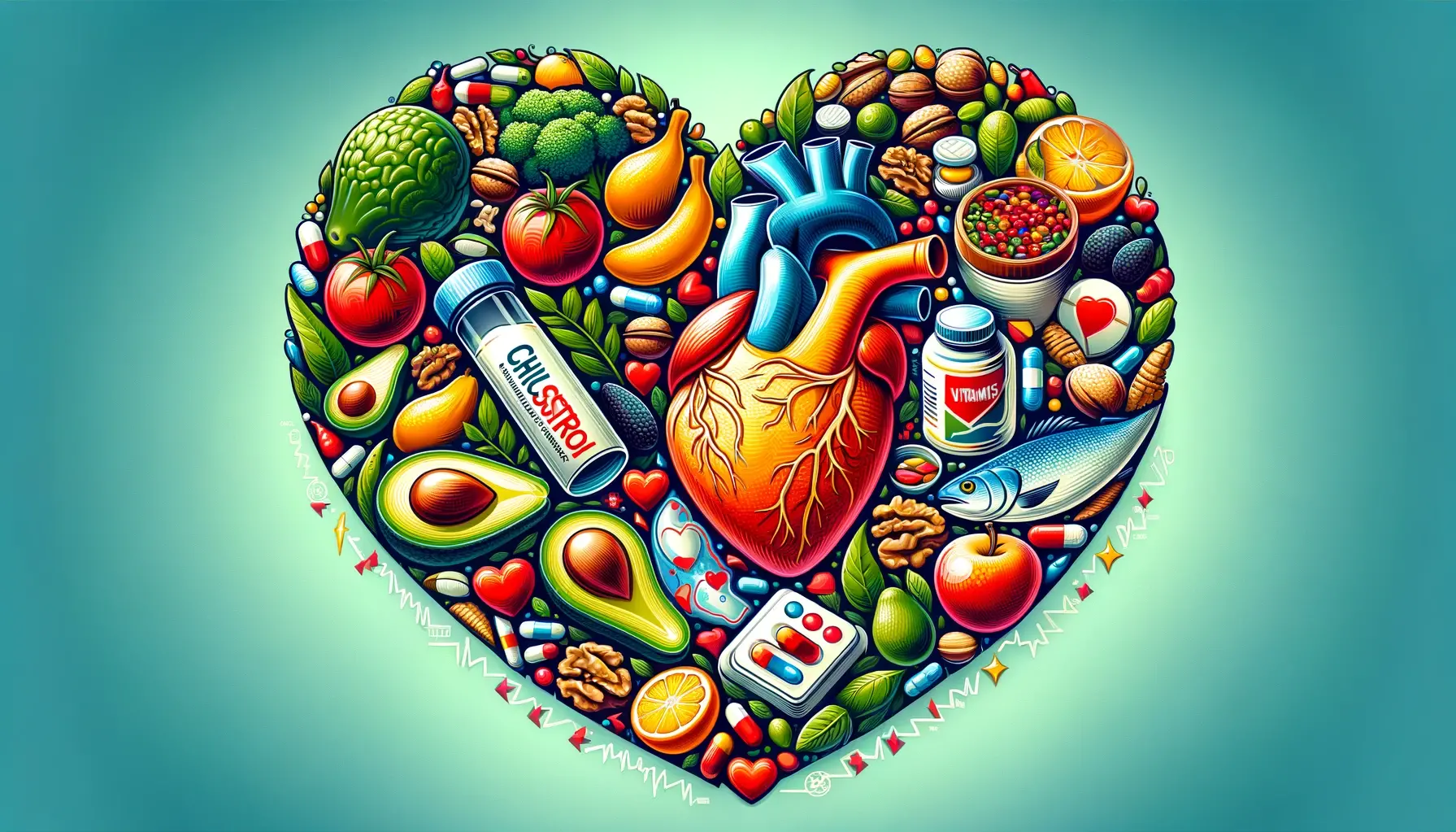

Welcome to a guide on effective ways to incorporate plant sterols into your diet! Plant sterols are natural compounds that have been shown to help lower cholesterol levels and improve heart health. By adding foods such as nuts, seeds, and fortified products like margarine or orange juice to your meals, you can easily boost your intake of plant sterols. Additionally, cooking with plant-based oils like olive oil or sunflower oil and incorporating whole grains like brown rice and whole wheat bread can also help increase your plant sterol consumption. With these simple and delicious ideas, you can start reaping the benefits of plant sterols in no time! Have you ever wondered how to incorporate plant sterols into your diet to promote heart health and reduce cholesterol levels? In this article, we will explore effective ways for you to include plant sterols in your daily meals and snacks. With just a few simple adjustments, you can easily boost your intake of plant sterols and improve your overall health.

What Are Plant Sterols?
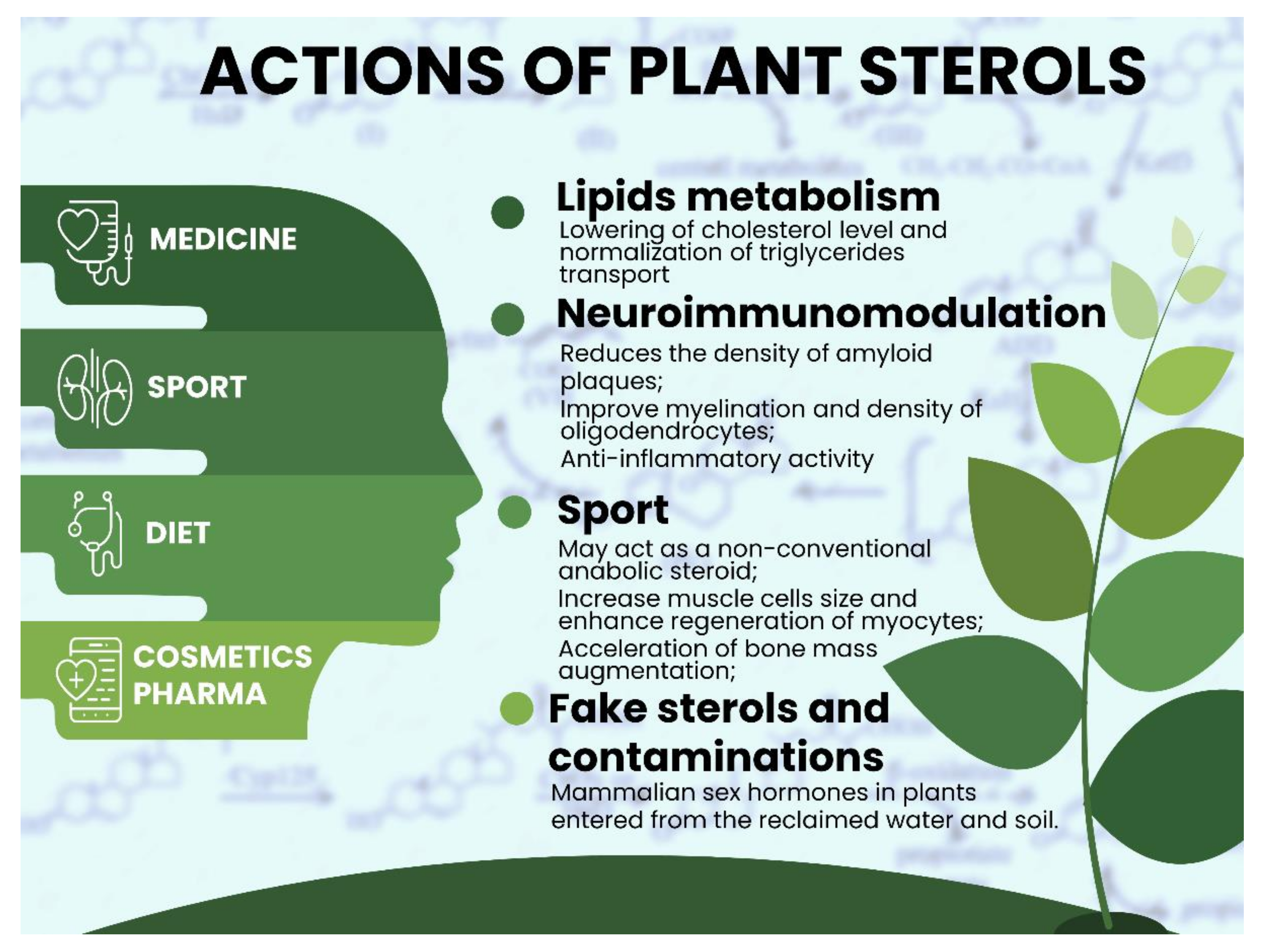
Plant sterols, also known as phytosterols, are natural compounds found in plants that have a similar structure to cholesterol. They are known for their ability to help lower LDL (bad) cholesterol levels in the blood, which can reduce the risk of heart disease. Plant sterols work by blocking the absorption of cholesterol in the intestine, leading to lower cholesterol levels overall.
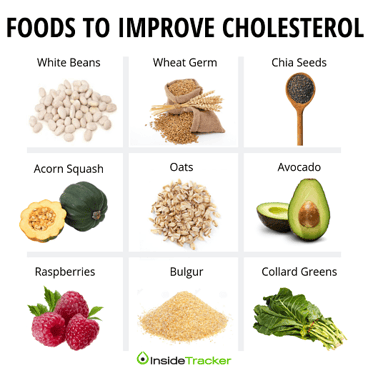
Plant sterols are commonly found in nuts, seeds, whole grains, fruits, and vegetables. By incorporating these foods into your diet, you can naturally increase your intake of plant sterols and improve your heart health.
Why Should You Incorporate Plant Sterols Into your Diet?
Incorporating plant sterols into your diet can have numerous benefits for your health. Research has shown that plant sterols can help lower LDL cholesterol levels by up to 15%, which can significantly reduce the risk of heart disease. Plant sterols can also help to improve blood flow and reduce inflammation in the body, further promoting heart health.
By including plant sterols in your daily diet, you can take proactive steps to protect your heart and overall well-being.
How Much Plant Sterols Should You Consume?
The recommended daily intake of plant sterols to lower cholesterol levels is around 2 grams per day. Most people can easily achieve this goal by including plant sterol-rich foods in their meals and snacks throughout the day. Consuming a variety of plant sterol sources can help you reach your daily target and maximize the benefits for your heart health.
Aim to include at least one plant sterol-rich food in each meal and snack to ensure you are getting an adequate amount of these beneficial compounds.
Effective Ways to Incorporate Plant Sterols Into Your Diet
Now that you understand the importance of plant sterols for your health, let’s explore some effective ways for you to easily incorporate them into your daily meals and snacks. By making simple swaps and additions to your diet, you can increase your plant sterol intake and reap the benefits for your heart health.
Here are some practical tips for including plant sterols in your diet:
| Meal/Snack | Plant Sterol-Rich Food Options |
|---|---|
| Breakfast | Sprinkle nuts or seeds on oatmeal or yogurt |
| Lunch | Top salads with avocado or add a side of hummus |
| Dinner | Incorporate whole grains like quinoa or brown rice |
| Snacks | Enjoy a handful of almonds or walnuts as a snack |
By including these plant sterol-rich foods in your daily meals and snacks, you can easily meet your recommended daily intake and support your heart health.
Recipe Ideas Featuring Plant Sterol-Rich Foods
To help you get started with incorporating plant sterols into your diet, here are a few recipe ideas that feature plant sterol-rich foods. These delicious and nutritious meals and snacks are easy to prepare and packed with heart-healthy ingredients.
Here are some recipe ideas to inspire you:
1. Avocado Toast with Cherry Tomatoes and Basil
- Top whole-grain toast with mashed avocado, sliced cherry tomatoes, and fresh basil leaves for a tasty and satisfying breakfast or snack option.
2. Quinoa Salad with Chickpeas and Mixed Vegetables
- Combine cooked quinoa with chickpeas, diced bell peppers, cucumber, and parsley, then drizzle with a lemon vinaigrette for a nutritious and flavorful lunch or side dish.
3. Stuffed Bell Peppers with Brown Rice and Lentils
- Fill halved bell peppers with a mixture of cooked brown rice, lentils, diced tomatoes, and spices, then bake until tender for a hearty and wholesome dinner option.
Try these recipes and experiment with different plant sterol-rich ingredients to create delicious meals that support your heart health.
Tips for Choosing Plant Sterol-Rich Foods
When selecting plant sterol-rich foods to incorporate into your diet, it’s important to choose high-quality sources that are minimally processed and free from added sugars and unhealthy fats. Opt for whole foods that are naturally rich in plant sterols, such as nuts, seeds, fruits, vegetables, and whole grains.
Here are some tips for choosing plant sterol-rich foods:
- Look for raw or roasted nuts and seeds without added oils or salt.
- Choose whole fruits and vegetables over juices or processed snacks.
- Select whole grains like quinoa, brown rice, and oats instead of refined grains.
By choosing nutrient-dense, whole foods, you can maximize your intake of plant sterols and other essential nutrients for optimal health.
Supplements vs. Whole Foods: Which Is Better?
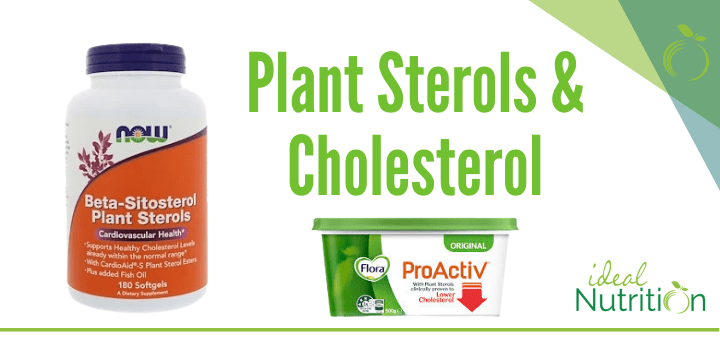
While plant sterol supplements are available on the market, it’s generally recommended to focus on getting your plant sterols from whole foods rather than relying on supplements. Whole foods provide a range of nutrients and fiber that work synergistically to support your overall health, whereas supplements may not offer the same benefits.
By prioritizing whole foods in your diet, you can ensure that you are getting a balanced and diverse array of nutrients, including plant sterols, for optimal health.
Potential Side Effects of Plant Sterols
While plant sterols are generally safe for most people to consume, there are some potential side effects to be aware of. In rare cases, consuming high doses of plant sterols may cause digestive issues such as bloating, gas, or diarrhea. If you experience any adverse effects after increasing your intake of plant sterol-rich foods, it’s best to consult with a healthcare provider.
To minimize the risk of side effects, aim to gradually increase your intake of plant sterols and listen to your body’s signals.
Consult with a Healthcare Provider
Before making significant changes to your diet or supplement routine, it’s always a good idea to consult with a healthcare provider or nutritionist. They can provide personalized guidance based on your individual health needs and help you incorporate plant sterols into your diet effectively.
By working with a professional, you can ensure that you are optimizing your intake of plant sterols and supporting your heart health in the best way possible.
In conclusion, incorporating plant sterols into your diet is a simple and effective way to promote heart health and reduce cholesterol levels. By including plant sterol-rich foods in your meals and snacks each day, you can easily meet your recommended daily intake and support your overall well-being. With a little planning and creativity, you can enjoy delicious and nutritious meals that benefit your heart and health in the long run. Try out these tips and recipes to start incorporating plant sterols into your diet today!