
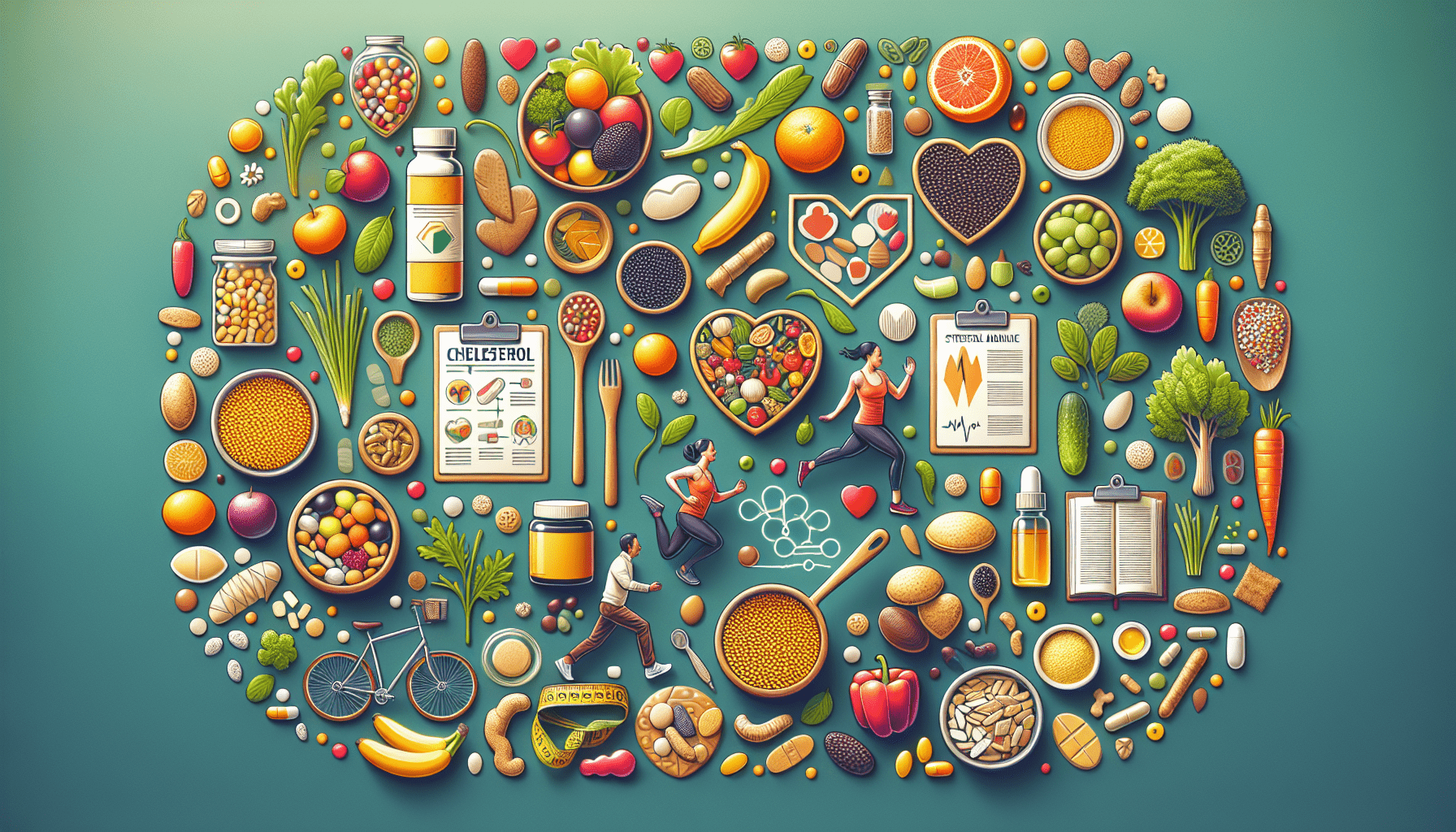
In this article, you will uncover the secrets of managing your cholesterol levels through natural remedies. We all know that high cholesterol can pose serious health risks, but finding the most effective and natural solutions can sometimes be a daunting task. Fear not, for we have gathered the most potent and proven remedies that will help you take control of your cholesterol levels and pave the way for a healthier you. From plant sterols to omega-3 fatty acids, get ready to explore the best natural remedies that will keep your cholesterol levels in check.
1. Introduction to Cholesterol Management
Understanding Cholesterol
When it comes to cholesterol management, it is important to have a clear understanding of what cholesterol actually is. Cholesterol is a waxy substance that is produced by the liver and also found in certain foods. While cholesterol is necessary for the body to function properly, having high levels of cholesterol can increase the risk of developing heart disease.
Importance of Cholesterol Management
Maintaining healthy cholesterol levels is crucial for overall heart health. High cholesterol levels can lead to the build-up of plaque in the arteries, which can restrict blood flow and increase the risk of heart attacks and strokes. By actively managing cholesterol levels, you can significantly reduce the risk of cardiovascular disease.
Traditional Approach vs. Natural Remedies
Traditionally, medications such as statins have been prescribed to manage cholesterol levels. However, many people are now turning to natural remedies as an alternative or complement to traditional treatments. Natural remedies can provide effective cholesterol management without the potential side effects associated with medications.
2. Dietary Changes
Benefits of a Heart-Healthy Diet
One of the most effective ways to manage cholesterol levels naturally is through dietary changes. A heart-healthy diet, rich in fruits, vegetables, whole grains, lean proteins, and healthy fats, can help lower LDL cholesterol (the “bad” cholesterol) and increase HDL cholesterol (the “good” cholesterol). Additionally, a heart-healthy diet can also promote weight loss and reduce the risk of other chronic diseases.
Foods to Include
Incorporating certain foods into your diet can have a positive impact on cholesterol levels. Foods high in soluble fiber, such as oats, beans, nuts, and fruits, have been shown to reduce LDL cholesterol. Omega-3 fatty acids found in fatty fish like salmon and mackerel can also help lower cholesterol levels. Adding plant sterols and stanols, which are naturally present in certain margarines, can also be beneficial in managing cholesterol.
Foods to Avoid
Alongside incorporating cholesterol-lowering foods, it is also important to limit or avoid certain foods that can increase cholesterol levels. Foods high in saturated and trans fats, such as red meat, full-fat dairy products, and fried foods, can raise LDL cholesterol. It is also important to limit the intake of foods high in cholesterol itself, such as organ meats and shellfish.
The Role of Fiber
Fiber plays a significant role in cholesterol management. Soluble fiber binds to cholesterol in the digestive system and helps remove it from the body, effectively lowering cholesterol levels. Increasing fiber intake through foods like fruits, vegetables, whole grains, and legumes can be highly beneficial for managing cholesterol.
Importance of Portion Control
While focusing on the quality of your diet is important, so too is paying attention to portion sizes. Even healthy foods can contribute to weight gain if consumed in excess. By practicing portion control and mindful eating, you can maintain a healthy weight and support cholesterol management.

3. Regular Physical Activity
Exercise and Cholesterol
Regular physical activity is another crucial component of cholesterol management. Engaging in exercise can help increase HDL cholesterol levels and lower LDL cholesterol levels. It can also improve overall cardiovascular health, lower blood pressure, and reduce the risk of developing other chronic conditions such as diabetes.
Types of Exercises
A combination of aerobic exercises and strength training can be highly beneficial for managing cholesterol levels. Aerobic exercises, such as brisk walking, jogging, swimming, and cycling, can help elevate heart rate and increase HDL cholesterol. Strength training exercises, such as weightlifting and bodyweight exercises, can help build muscle mass, which can also contribute to healthy cholesterol levels.
Recommended Exercise Duration
To reap the benefits of exercise, it is recommended to engage in moderate-intensity aerobic activity for at least 150 minutes per week, or vigorous-intensity aerobic activity for 75 minutes per week. Additionally, incorporating strength training exercises two or more days per week is recommended. It is important to start slowly and gradually increase the intensity and duration of exercise to avoid injury.
Cardiovascular Benefits
Participating in regular physical activity not only helps manage cholesterol but also has numerous cardiovascular benefits. Exercise improves blood circulation, strengthens the heart muscle, and reduces inflammation, all factors that contribute to better cardiovascular health. By incorporating exercise into your routine, you can promote overall heart health and reduce the risk of heart disease.
Incorporating Physical Activity into Daily Routine
Finding ways to incorporate physical activity into your daily routine is essential for long-term success. Simple changes like taking the stairs instead of the elevator, going for a walk during your lunch break, or participating in group fitness classes can help increase your overall activity level and support cholesterol management. It is important to choose activities that you enjoy and that fit into your lifestyle to ensure consistency.
4. Herbal Supplements
Popular Herbal Remedies for Cholesterol
Herbal supplements have gained popularity as potential natural remedies for managing cholesterol levels. Some commonly used herbal remedies include garlic, red yeast rice, omega-3 fatty acids, plant sterols and stanols, and niacin. These supplements are believed to have cholesterol-lowering properties and are often used as complementary treatments alongside dietary changes and exercise.
Effectiveness and Safety
While herbal supplements can offer potential benefits for cholesterol management, it is important to note that scientific evidence supporting their effectiveness is limited. Some studies suggest positive effects, but more research is needed to establish their true efficacy. Additionally, it is crucial to consult with a healthcare professional before starting any herbal supplement to ensure safety, especially if you are taking other medications.
Key Considerations when Choosing Supplements
When considering herbal supplements, it is essential to choose reputable brands that adhere to quality control standards. Look for supplements that have been tested for purity and potency. Additionally, consider any allergies or sensitivities you may have, as some supplements may contain ingredients that could cause adverse reactions.
Dosage and Administration
The dosage and administration of herbal supplements can vary depending on the specific product and individual needs. It is important to carefully read and follow the instructions provided by the manufacturer or consult with a healthcare professional for personalized guidance. Taking the recommended dosage at the appropriate times is crucial to ensure the supplements are effective and safe.
5. Lifestyle Modifications
Weight Management
Maintaining a healthy weight plays a significant role in managing cholesterol levels. Excess weight, especially around the waist, is associated with higher LDL cholesterol and lower HDL cholesterol. Incorporating a balanced diet and regular exercise into your routine can help achieve and maintain a healthy weight, effectively supporting cholesterol management.
Smoking Cessation
Smoking not only increases the risk of developing heart disease but also negatively impacts cholesterol levels. Smoking lowers HDL cholesterol, damages blood vessels, and promotes the formation of blood clots. Quitting smoking is critical for improving overall cardiovascular health and managing cholesterol. Seek support from healthcare professionals or support groups to increase your chances of success.
Reducing Alcohol Consumption
While moderate alcohol consumption may have some cardiovascular benefits, excessive alcohol intake can raise cholesterol levels and contribute to chronic diseases. It is important to drink alcohol in moderation or avoid it altogether. If you choose to drink alcohol, limit yourself to moderate amounts (up to one drink per day for women and up to two drinks per day for men) and consider healthier options such as red wine.
Stress Management Techniques
Chronic stress can impact cholesterol levels and overall heart health. Developing effective stress management techniques can help lower stress levels and support cholesterol management. Practices such as deep breathing exercises, yoga, and mindfulness meditation can promote relaxation and reduce stress. Find activities that you enjoy and make time for them regularly to alleviate stress.
6. Importance of Sleep
Association between Sleep and Cholesterol
Getting enough quality sleep is essential for maintaining optimal health, including cholesterol management. Research has shown that lack of sleep can negatively affect cholesterol levels, contributing to higher LDL cholesterol and lower HDL cholesterol. Poor sleep quality and duration can disrupt the body’s natural processes, affecting cholesterol metabolism and increasing the risk of cardiovascular disease.
Recommended Sleep Duration
The recommended sleep duration for adults is generally between 7 to 9 hours per night. However, individual sleep needs may vary. It is important to prioritize sleep and establish consistent sleep patterns to support cholesterol management and overall well-being. Maintaining a bedtime routine and creating a sleep-friendly environment can improve sleep quality and duration.
Tips for Better Sleep
To improve sleep quality, establish a regular sleep schedule by going to bed and waking up at the same time each day. Create a comfortable sleeping environment by keeping the room cool, dark, and quiet. Limit exposure to electronic devices before bed as the blue light emitted can interfere with sleep. Engage in relaxing activities before bed, such as reading or taking a warm bath, to promote a restful night’s sleep.
Sleep Apnea and Cholesterol
Sleep apnea is a sleep disorder characterized by interruptions in breathing during sleep. It has been associated with high cholesterol levels, especially elevated LDL cholesterol. If you suspect you may have sleep apnea, it is important to seek medical evaluation and treatment. Managing sleep apnea can contribute to better cholesterol management and overall cardiovascular health.
7. Stress Management
The Impact of Stress on Cholesterol Levels
Chronic stress can have a detrimental impact on cholesterol levels. Stress activates the body’s stress response, which triggers the release of hormones that can increase LDL cholesterol and decrease HDL cholesterol. Prolonged exposure to stress can contribute to higher cholesterol levels and an increased risk of heart disease. Effectively managing stress is crucial for maintaining healthy cholesterol levels.
Techniques for Stress Reduction
There are various techniques that can help reduce stress and its impact on cholesterol levels. Engaging in regular physical activity, practicing relaxation techniques like deep breathing exercises or progressive muscle relaxation, and participating in activities you enjoy can all contribute to stress reduction. It is important to find what works best for you and make stress reduction a priority in your daily routine.
Mindfulness and Meditation
Practicing mindfulness and meditation can be particularly effective in managing stress and supporting cholesterol management. Mindfulness involves being fully present and non-judgmentally aware of the present moment. Meditation focuses on directing attention and reducing mental clutter. Incorporating mindfulness and meditation practices into your routine can promote relaxation, reduce stress, and improve overall well-being.
Counseling and Therapy Options
For individuals experiencing high levels of stress that impact their daily life and overall well-being, seeking counseling or therapy can be beneficial. Talking to a trained professional can provide support, guidance, and coping strategies for managing stress. Counseling and therapy can also help address underlying emotional issues that may be contributing to stress.
8. Evidence-Based Natural Remedies
Garlic and its Cholesterol-Lowering Properties
Garlic has been used for centuries as a natural remedy for various health conditions, including cholesterol management. Studies suggest that garlic may have cholesterol-lowering properties by reducing total cholesterol, LDL cholesterol, and triglyceride levels. Incorporating garlic into your diet, either raw or as a supplement, may be beneficial for managing cholesterol.
Red Yeast Rice and its Benefits
Red yeast rice is a traditional Chinese medicine made by fermenting rice with a specific type of yeast. It contains a compound called monacolin K, which is similar to the active ingredient in statin medications. Research has shown that red yeast rice can effectively lower LDL cholesterol levels. However, it is important to note that red yeast rice can also have the same potential side effects as statins, so consultation with a healthcare professional is advised.
Omega-3 Fatty Acids for Heart Health
Omega-3 fatty acids are a type of polyunsaturated fat that is known to be beneficial for heart health. They have been shown to reduce inflammation, lower triglyceride levels, and improve overall cholesterol profiles. Incorporating omega-3 rich foods, such as fatty fish like salmon, mackerel, and sardines, or taking omega-3 supplements, can be an effective natural remedy for managing cholesterol.
Plant Sterols and Stanols
Plant sterols and stanols are naturally occurring substances found in fruits, vegetables, nuts, and whole grains. They have a similar structure to cholesterol and can help block the absorption of cholesterol in the digestive system, effectively lowering LDL cholesterol levels. Adding foods fortified with plant sterols and stanols, such as certain margarines or dietary supplements, can be a beneficial addition to a cholesterol-lowering regimen.
Niacin and its Role in Cholesterol Management
Niacin, also known as vitamin B3, has been shown to have cholesterol-lowering effects. It can reduce LDL cholesterol levels, increase HDL cholesterol levels, and lower triglyceride levels. Niacin is available as both a prescription medication and an over-the-counter supplement. However, it is important to consult with a healthcare professional before starting niacin supplementation due to potential side effects and drug interactions.
9. Monitoring and Tracking Progress
Importance of Regular Check-ups
Regular check-ups with a healthcare professional are essential for monitoring cholesterol levels and overall cardiovascular health. Cholesterol levels should be checked at least once every five years, or more frequently if there are specific risk factors or a history of high cholesterol. Regular check-ups allow for early detection of any abnormalities and provide an opportunity to discuss any concerns or adjustments to the cholesterol management plan.
Lipid Profile Tests
A lipid profile test is a blood test that measures various components of cholesterol, including total cholesterol, LDL cholesterol, HDL cholesterol, and triglycerides. This test provides a comprehensive picture of an individual’s cholesterol levels and is a key tool in monitoring cholesterol management progress. Follow-up tests can help determine the effectiveness of lifestyle changes and natural remedies in managing cholesterol levels.
Tracking Lifestyle Changes
Tracking lifestyle changes, such as dietary modifications and physical activity, can be helpful in managing cholesterol. Keeping a record of what you eat, the types of exercises you engage in, and any supplements or herbal remedies you take can provide insight into the effectiveness of these interventions. By tracking progress, you can identify patterns and make necessary adjustments to optimize cholesterol management.
Consulting a Healthcare Professional
It is important to consult with a healthcare professional throughout the cholesterol management journey. They can provide personalized guidance, monitor cholesterol levels, and determine the most appropriate course of action. Healthcare professionals can also provide recommendations on the use of natural remedies, ensuring they are safe and effective for individual needs.
10. Integrating Natural Remedies with Medical Treatments
Discussing with a Healthcare Provider
When considering integrating natural remedies with medical treatments, it is crucial to have an open and honest discussion with a healthcare provider. They can evaluate your specific situation, assess the potential risks and benefits, and provide guidance on how to safely incorporate natural remedies into your cholesterol management plan. Open communication and collaboration with a healthcare provider are key for finding the right balance.
Potential Interactions and Risks
While natural remedies can offer potential benefits, they may also interact with other medications or pose risks for certain individuals. It is important to disclose all medications and supplements you are taking to your healthcare provider to avoid potential interactions. Additionally, some natural remedies may not be suitable for individuals with certain medical conditions, so it is important to seek professional advice before starting any new regimen.
Finding the Right Balance
Integrating natural remedies with medical treatments requires finding the right balance for individual needs. It is important to consider personal preferences, medical history, and the advice of healthcare professionals when making decisions about cholesterol management. By working together with healthcare providers, individuals can create a comprehensive plan that incorporates natural remedies and medical treatments to effectively manage cholesterol levels.