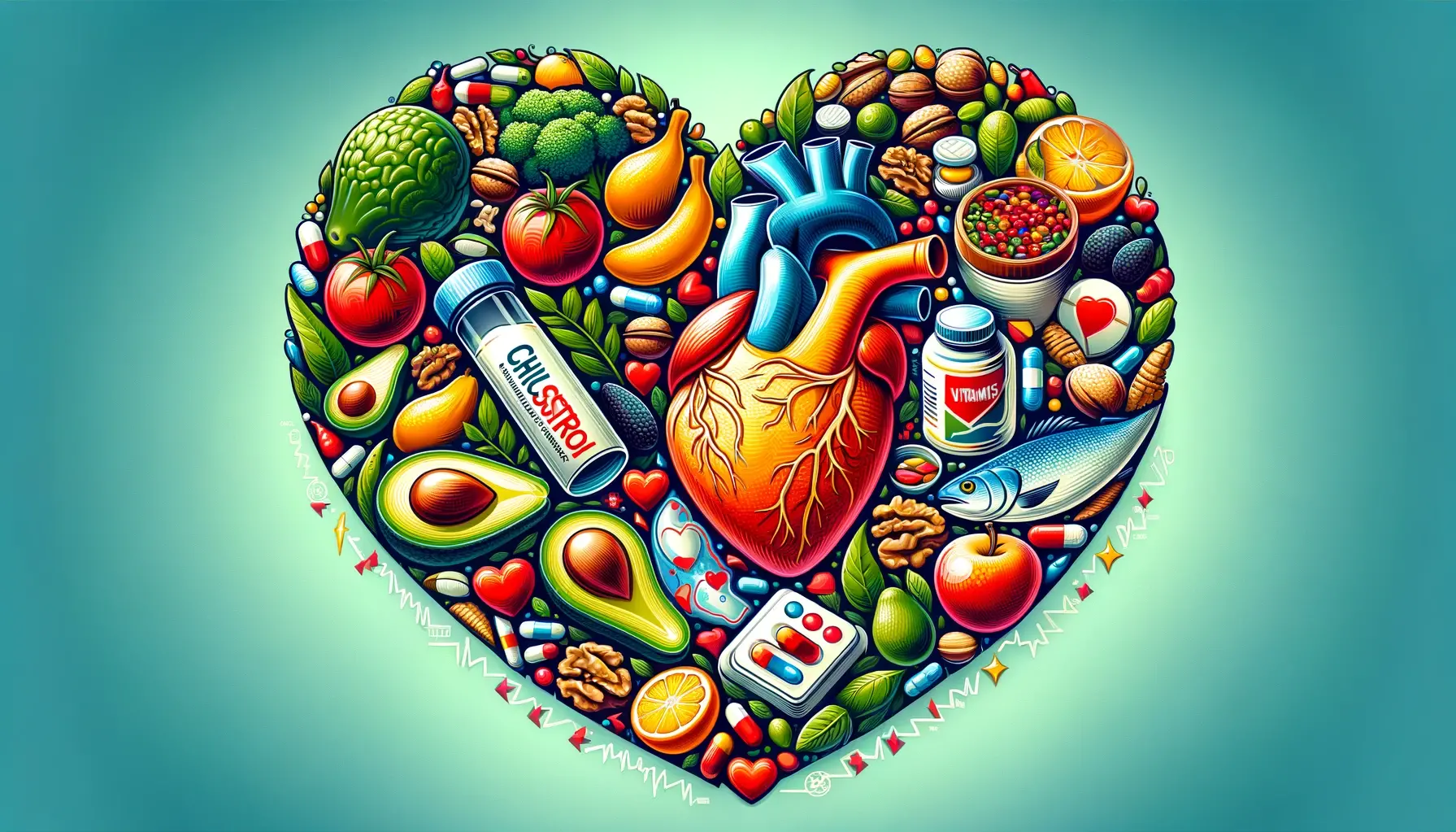

In today’s fast-paced world, maintaining optimal cholesterol levels is becoming increasingly important. But with so much information out there, it can be overwhelming to figure out what foods are best for complementing your vitamin intake and managing your cholesterol. That’s why we have put together this article to provide you with some clarity. We will explore the top foods that not only provide essential vitamins but also have proven benefits for cholesterol management. By incorporating these foods into your diet, you can take a proactive approach towards maintaining a healthy cholesterol level while giving your body the nutrients it needs to thrive.
Foods rich in soluble fiber
Oats
Oats are a fantastic food to include in your diet if you’re looking to manage your cholesterol levels. They are packed with soluble fiber, which has been shown to help lower LDL or “bad” cholesterol. Soluble fiber works by binding to cholesterol in your digestive system and helping to remove it from your body. A bowl of oatmeal in the morning is not only delicious but also a great way to start your day off with a heart-healthy choice.
Beans and lentils
Beans and lentils are excellent sources of both soluble and insoluble fiber. Soluble fiber helps to lower LDL cholesterol, while insoluble fiber assists in keeping your digestive system healthy. By incorporating beans and lentils into your meals, you’ll not only be supporting your cholesterol management but also enjoying a protein-packed and satisfying dish.
Barley
Barley is another grain that is rich in soluble fiber. It can be used in soups, stews, or even as a side dish. Adding barley to your meals can help reduce cholesterol levels, promoting heart health. It’s delicious, versatile, and a great addition to your diet if you’re looking to manage cholesterol.
Fruits and vegetables
Berries
Berries, such as strawberries, blueberries, and raspberries, are not only delicious but also packed with antioxidants and fiber. Antioxidants help protect your body from oxidative stress, which is important for overall health and cholesterol management. Incorporating a variety of berries into your diet provides you with a tasty way to boost your antioxidant intake while enjoying a sweet treat.
Citrus fruits
Citrus fruits, including oranges, lemons, and grapefruits, are rich in soluble fiber and vitamin C. Soluble fiber helps to lower cholesterol levels, while vitamin C is known for its antioxidant properties. Whether you enjoy a juicy orange as a snack or squeeze some lemon juice over your meals, citrus fruits are a fantastic addition to any cholesterol-lowering diet.
Leafy greens
Leafy greens, such as spinach, kale, and Swiss chard, are low in calories and high in nutrients. They are rich in fiber, antioxidants, and plant compounds that can help manage cholesterol levels. Whether you enjoy them in salads, sautéed with some garlic, or blended into a refreshing green smoothie, leafy greens are a must-have in your cholesterol management diet.
Avocados
Avocados are not only creamy and delicious but also a great source of monounsaturated fats, which can help raise HDL or “good” cholesterol levels. They are also packed with fiber and antioxidants, making them a heart-healthy choice. Whether you spread avocado on toast, add it to salads, or use it as a replacement for butter or mayonnaise, avocados are a versatile food to include in your cholesterol-lowering diet.

Healthy fats
Nuts and seeds
Nuts and seeds, such as almonds, walnuts, chia seeds, and flaxseeds, are rich in healthy fats, fiber, protein, and various vitamins and minerals. They are known to promote heart health and manage cholesterol levels. Including a handful of nuts or seeds in your diet as a snack or adding them to your meals can be a tasty and nutritious way to support your cholesterol management journey.
Fatty fish
Fatty fish, such as salmon, mackerel, and sardines, are rich in omega-3 fatty acids, which have been shown to help lower triglyceride levels and reduce the risk of heart disease. These fatty acids also have anti-inflammatory properties, benefiting overall heart health. Including fatty fish in your diet at least twice a week can be an excellent way to support your cholesterol management goals.
Olive oil
Olive oil is a staple in the Mediterranean diet, known for its positive effects on heart health. It is rich in monounsaturated fats, which can help raise HDL cholesterol levels and lower LDL cholesterol levels. Whether used as a salad dressing, for sautéing vegetables, or drizzled over a dish, using olive oil in your cooking is a heart-healthy choice.
Whole grains
Quinoa
Quinoa is a versatile grain that is high in protein, fiber, and various vitamins and minerals. It is also a good source of soluble fiber, making it beneficial for cholesterol management. Incorporating quinoa into your meals, whether as a side dish or in salads, can be a nutritious way to support your overall heart health.
Brown rice
Brown rice is a whole grain that is rich in fiber and contains healthy carbohydrates. It can be used as a substitute for white rice in various dishes and provides a heart-healthy option for cholesterol management. Its high fiber content helps to reduce cholesterol levels, making it a valuable addition to your diet.
Whole wheat bread
Whole wheat bread is made from whole grains, which means it retains more nutrients and fiber compared to refined grains. It is a great source of complex carbohydrates and fiber, making it a healthier choice for managing cholesterol levels. Opting for whole wheat bread over white bread can be a simple yet effective change in your diet to support heart health.
Lean proteins
Skinless poultry
Skinless poultry, such as chicken and turkey, is a lean source of protein. These proteins often contain less saturated fat compared to red meats, making them a healthier choice for managing cholesterol levels. Including skinless poultry in your meals can add variety and taste while supporting your heart health goals.
Fish
Fish, such as tuna, trout, and cod, is not only a great source of lean protein but also contains omega-3 fatty acids. These fatty acids have been shown to have numerous health benefits, including lowering LDL cholesterol levels. By incorporating fish into your diet, you can enjoy a delicious protein source while providing your body with the nutrients it needs to help manage cholesterol.
Tofu
Tofu is a plant-based protein that is low in cholesterol and saturated fat. It is a versatile ingredient that can be used in various dishes, including stir-fries, salads, and sandwiches. Tofu is a excellent option for those looking to manage cholesterol levels while still enjoying a protein-packed meal.
Beans and legumes
Beans and legumes, such as chickpeas, lentils, and black beans, are not only a great source of protein but also contain soluble fiber. They can be incorporated into a wide range of dishes, including chili, soups, salads, and even desserts. Adding beans and legumes to your diet can provide you with a flavorful and cholesterol-friendly way to meet your protein needs.
Antioxidant-rich foods
Dark chocolate
Dark chocolate, particularly those with a high cocoa content, is a delicious treat that also offers significant health benefits. It is rich in antioxidants, such as flavonoids, which can help reduce LDL cholesterol levels and increase HDL cholesterol levels. However, it’s essential to enjoy dark chocolate in moderation, as it is still high in calories.
Green tea
Green tea is a popular beverage known for its many health benefits, including its ability to support heart health. It is rich in antioxidants called catechins, which have been shown to help lower LDL cholesterol levels. Enjoying a cup or two of green tea a day can be a delightful and healthy addition to your cholesterol-lowering efforts.
Colorful fruits and vegetables
Colorful fruits and vegetables, such as red peppers, tomatoes, and spinach, are packed with antioxidants and other beneficial compounds. These antioxidants can help protect against cell damage and support overall heart health. By incorporating a variety of colorful fruits and vegetables into your meals, you’ll not only enjoy a vibrant plate but also support your cholesterol management.
Plant sterols and stanols
Fortified foods
Fortified foods, such as certain margarines, yogurts, and orange juice, are often enriched with plant sterols or stanols. These compounds have been shown to help block the absorption of cholesterol in your gut, thus reducing LDL cholesterol levels. Incorporating fortified foods into your diet can be an effective way to support your cholesterol management efforts.
Vegetable oils
Certain vegetable oils, including soybean, corn, and canola oil, naturally contain plant sterols. By using these oils in your cooking, you can add a natural source of plant sterols to your diet. However, it’s important to use these oils in moderation, as they are high in calories.
Garlic
Fresh garlic
Garlic has been used for centuries for its medicinal properties, including its potential in managing cholesterol levels. It contains compounds that can help reduce cholesterol synthesis in the liver, thus supporting heart health. Incorporating fresh garlic into your meals can add a flavorful twist while providing potential cholesterol-lowering benefits.
Garlic supplements
Garlic supplements are an alternative to fresh garlic, offering a more concentrated dose of its beneficial compounds. These supplements can be found in capsule or tablet form and are often standardized to ensure consistent potency. If you’re considering garlic supplements, it’s important to consult with a healthcare professional for guidance on dosage and potential interactions with any medications you may be taking.
Soy products
Tofu
Tofu, as mentioned earlier, is a versatile soy-based protein that is low in cholesterol and saturated fat. Incorporating tofu into your meals can provide you with a plant-based protein source that may help manage cholesterol levels. Whether it’s stir-fried, grilled, or added to soups and salads, tofu can be a delicious addition to your cholesterol-lowering diet.
Soy milk
Soy milk, made from soybeans, is a popular dairy milk alternative that is low in saturated fat and cholesterol. It is often fortified with additional nutrients, such as calcium and vitamin D, making it a nutritious choice for overall health and cholesterol management. Adding soy milk to your diet can be a great way to enjoy your favorite beverages or cereals while supporting a heart-healthy lifestyle.
Edamame
Edamame, young soybeans, is a great snack or addition to salads, stir-fries, or soups. They are a good source of plant-based protein and fiber, making them a nutritious choice for managing cholesterol levels. Enjoying a handful of edamame as a snack or incorporating them into your meals can provide both flavor and nutritional benefits.
Herbs and spices
Turmeric
Turmeric is a vibrant yellow spice that has been used in traditional medicine for its potential health benefits. It contains an active compound called curcumin, which has been shown to have antioxidant and anti-inflammatory properties. While more research is needed, incorporating turmeric into your cooking can add flavor and potential health benefits to your meals.
Ginger
Ginger is known for its unique flavor and potential health-promoting properties. It has been used in traditional medicine for its anti-inflammatory and antioxidant effects. Adding ginger to your meals, whether fresh or powdered, can contribute to a flavorful dish while potentially benefiting your cholesterol management efforts.
Cinnamon
Cinnamon is a warm and aromatic spice that is often used in baking and cooking. It has been studied for its potential cholesterol-lowering effects, as it may help reduce LDL cholesterol levels. Adding a sprinkle of cinnamon to your oatmeal, smoothies, or baked goods can provide a delicious and heart-healthy twist to your meals.
In conclusion, a well-rounded diet with a variety of nutrient-rich foods plays a crucial role in managing cholesterol levels. By incorporating foods rich in soluble fiber, such as oats, beans, and lentils, along with fruits and vegetables like berries, citrus fruits, and leafy greens, you can support your cholesterol management efforts. Adding healthy fats from nuts and seeds, fatty fish, and olive oil can further contribute to a heart-healthy diet. Whole grains like quinoa, brown rice, and whole wheat bread provide additional fiber and nutrients. Lean proteins from skinless poultry, fish, tofu, and beans, along with antioxidant-rich foods like dark chocolate, green tea, and colorful fruits and vegetables, all support your cholesterol management journey. Plant sterols and stanols found in fortified foods and certain vegetable oils can be beneficial, and garlic in both fresh and supplement form may have cholesterol-lowering potential. Soy products like tofu, soy milk, and edamame offer plant-based protein options, while herbs and spices like turmeric, ginger, and cinnamon add flavor and potential health benefits. By incorporating these foods into your diet, you can create a comprehensive approach to complement your vitamin intake and manage your cholesterol levels effectively. Remember, always consult with a healthcare professional before making significant dietary changes or starting any supplements. With these delicious and nutritious options, you can take charge of your heart health and support your overall well-being.