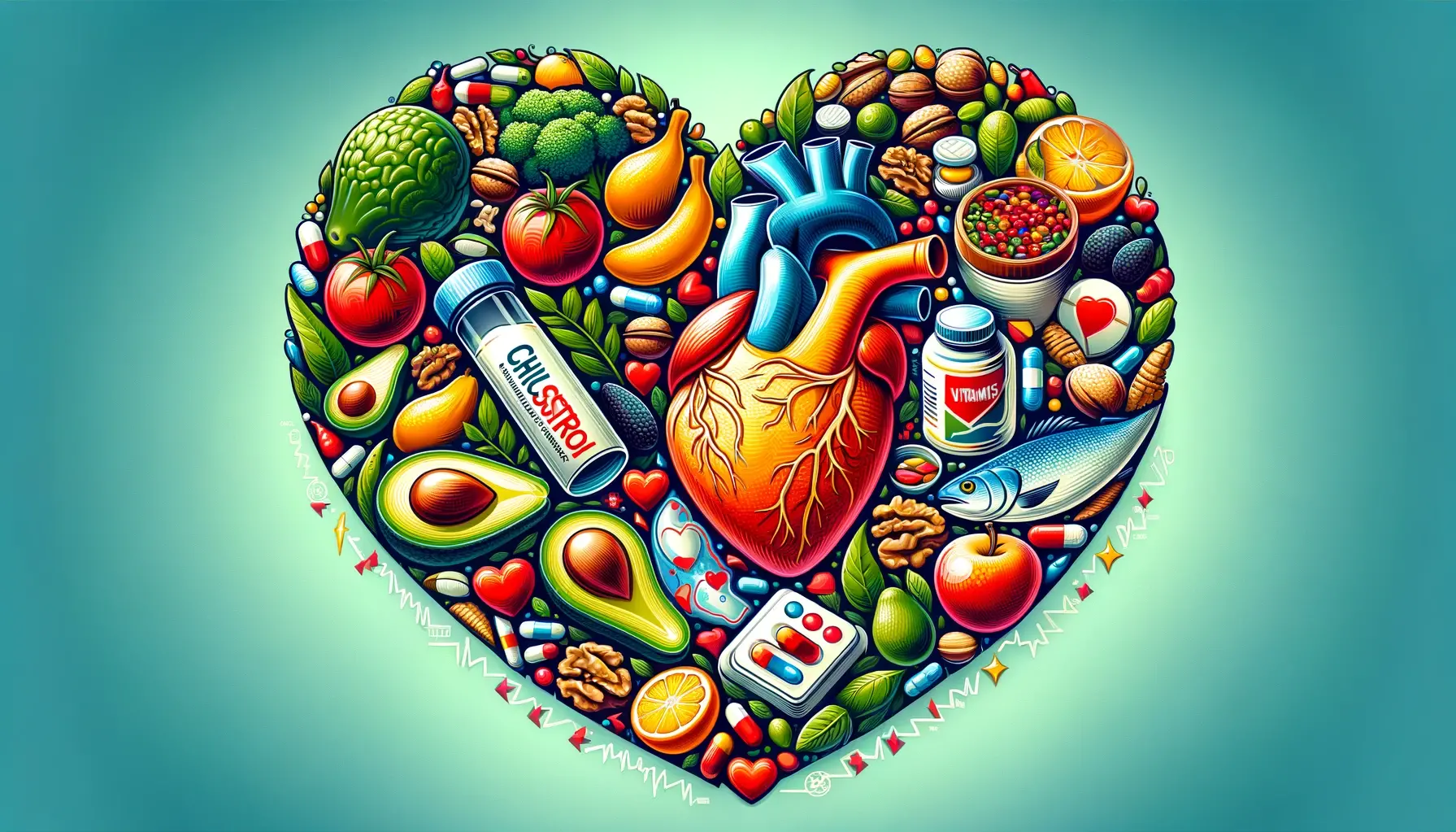

If you’re looking for natural ways to improve your cholesterol levels, then this article is for you. Discover the top ways to naturally boost your good cholesterol using vitamins and herbs. From simple dietary adjustments to incorporating specific supplements, you’ll find practical and effective strategies to enhance your heart health. Say goodbye to worrying about cholesterol and say hello to a healthier, happier you.
Dietary Changes
Increase consumption of healthy fats
To naturally boost good cholesterol, you can start by increasing your consumption of healthy fats. Incorporating foods rich in monounsaturated and polyunsaturated fats into your diet can help raise your HDL (good) cholesterol levels. Avocados, nuts, seeds, and olive oil are all excellent sources of healthy fats that can be easily incorporated into your meals and snacks.
Eat more fiber-rich foods
Adding more fiber to your diet can have a positive impact on your cholesterol levels. Soluble fiber, in particular, is known to help raise HDL cholesterol. Foods such as oats, barley, legumes, fruits, and vegetables are all rich in soluble fiber. Aim to include these foods in your daily meals to naturally boost your good cholesterol.
Include omega-3 fatty acids in your diet
Omega-3 fatty acids are well-known for their heart-health benefits, including raising HDL cholesterol levels. Fatty fish like salmon, tuna, and mackerel are excellent sources of omega-3s. If you’re not a fan of fish, you can also consider incorporating flaxseeds, chia seeds, and walnuts into your diet.
Vitamins and Supplements
Vitamin D supplementation
Vitamin D deficiency has been associated with low HDL cholesterol levels. Consider talking to your healthcare professional about vitamin D supplementation. They can help assess your vitamin D levels and recommend the appropriate dosage to raise your HDL cholesterol.
Niacin supplementation
Niacin, also known as vitamin B3, has been shown to increase HDL cholesterol levels. However, it’s essential to consult with your healthcare professional before starting niacin supplementation as it can have side effects and interact with other medications you may be taking.
Fish oil supplements
Fish oil supplements are a convenient way to increase your omega-3 fatty acid intake, which can help raise your HDL cholesterol levels. Look for high-quality fish oil supplements that provide sufficient amounts of EPA and DHA, the beneficial omega-3 fatty acids found in fish.
Herbs and Spices
Garlic
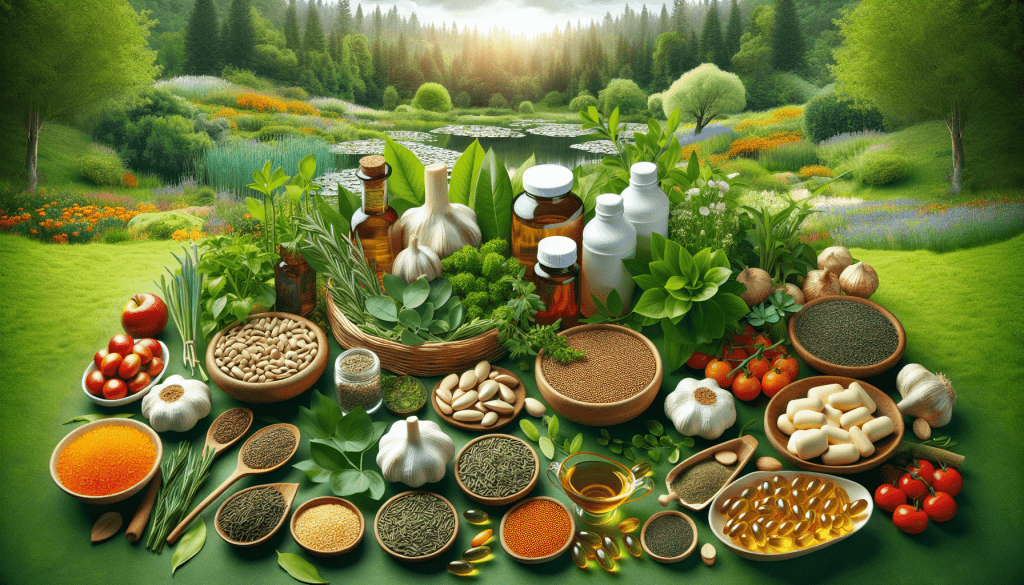
Garlic has long been recognized for its potential health benefits, including its positive effects on cholesterol levels. Studies suggest that consuming garlic regularly may help raise HDL cholesterol and lower LDL (bad) cholesterol levels. Adding garlic to your meals or taking garlic supplements can be an easy way to incorporate this herb into your diet.
Turmeric
Turmeric is a vibrant yellow spice widely used in many cuisines, but it’s also gaining recognition for its potential cholesterol-lowering effects. Curcumin, the active compound in turmeric, has been found to increase HDL cholesterol levels while reducing LDL cholesterol and triglycerides. Consider adding turmeric to your cooking or taking it as a supplement.
Ginger
Ginger is not only a flavorful ingredient but also offers potential benefits for heart health, including raising HDL cholesterol levels. Incorporating ginger into your meals, either as a spice or grated fresh ginger, can be a simple way to reap the potential benefits.
Exercise and Lifestyle
Engage in regular physical activity
Regular physical activity is crucial for overall cardiovascular health, including maintaining healthy cholesterol levels. Engage in activities that elevate your heart rate and make you sweat, such as brisk walking, jogging, cycling, or dancing. Aim for at least 150 minutes of moderate-intensity exercise or 75 minutes of vigorous exercise per week.
Maintain a healthy weight
Losing excess weight can have a positive impact on your cholesterol levels, including increasing your HDL cholesterol. Incorporate a balanced diet and regular exercise into your lifestyle to achieve and maintain a healthy weight.
Quit smoking
Smoking not only damages your lungs but also negatively affects your cholesterol levels. Quitting smoking can lead to a significant increase in your HDL cholesterol levels and improve your overall cardiovascular health. Seek support from healthcare professionals or support groups to help you quit smoking successfully.

Reduce Stress
Practice relaxation techniques
Chronic stress can take a toll on your cardiovascular health, including your cholesterol levels. Incorporate relaxation techniques such as deep breathing exercises, meditation, yoga, or tai chi into your daily routine to help manage stress levels and promote heart health.
Get enough sleep
Quality sleep is vital for maintaining overall health, and it can also have an impact on your cholesterol levels. Aim for seven to nine hours of uninterrupted sleep each night to support optimal cardiovascular health and cholesterol balance.
Manage stress levels
Finding healthy ways to manage stress, such as engaging in hobbies, practicing mindfulness, socializing with loved ones, or seeking professional help, can help promote a healthy cholesterol profile. Prioritize self-care and stress management techniques to support overall heart health.
Limit Alcohol Consumption
Moderate alcohol intake
While moderate alcohol consumption can have some potential benefits for heart health, excessive drinking can negatively impact cholesterol levels. Aim to limit alcohol intake to moderate levels, which means up to one drink per day for women and up to two drinks per day for men.
Avoid excessive drinking
Excessive alcohol consumption can lead to numerous health problems, including adverse effects on cholesterol levels. Avoiding excessive drinking is crucial for maintaining healthy cholesterol levels and overall cardiovascular health.
Maintain Balanced Blood Sugar Levels
Monitor blood glucose levels
Uncontrolled blood sugar levels can contribute to imbalances in cholesterol profiles. If you have diabetes or prediabetes, it’s essential to monitor your blood glucose levels regularly and work with your healthcare team to keep them within a healthy range.
Follow a balanced diet
When it comes to keeping blood sugar levels stable, a balanced diet is key. Focus on consuming a variety of whole foods, including fruits, vegetables, lean proteins, and whole grains. Avoid sugary and processed foods that can cause spikes in blood sugar.
Control carbohydrate intake
Controlling carbohydrate intake, especially refined carbohydrates, can help maintain balanced blood sugar levels and support overall heart health. Opt for whole grains, vegetables, and low glycemic index fruits when choosing carbohydrates.
Avoid Trans Fats
Read food labels carefully
Trans fats are known to lower HDL cholesterol and raise LDL cholesterol, making them detrimental to heart health. Read food labels carefully and avoid products that contain hydrogenated oils or partially hydrogenated oils, as these are often sources of trans fats.
Choose healthier cooking oils
Opt for healthier cooking oils, such as olive oil, canola oil, or avocado oil, which are rich in monounsaturated fats. These healthier oils can help maintain a healthier balance between LDL and HDL cholesterol.
Increase Antioxidant Intake
Eat a variety of fruits and vegetables
Fruits and vegetables are rich sources of antioxidants, which can help protect against oxidative stress and support heart health. Include a diverse range of colorful fruits and vegetables in your diet to ensure you’re getting a wide array of antioxidant benefits.
Consume foods rich in vitamin C and E
Vitamin C and E are antioxidants that can help reduce oxidative stress and promote a healthy cholesterol profile. Incorporate foods like oranges, kiwi, spinach, almonds, and sunflower seeds into your diet to increase your intake of these vital nutrients.
Drink green tea
Green tea is packed with antioxidants called catechins, which have been shown to increase HDL cholesterol levels. Enjoy a cup or two of green tea each day to harness the potential benefits for heart health.
Regular Medical Check-ups
Consult with a healthcare professional
Regular medical check-ups are essential for monitoring overall health and cholesterol levels. Consult with your healthcare professional to assess your current cholesterol profile, discuss any concerns, and develop an individualized plan for optimizing your HDL cholesterol levels.
Monitor cholesterol levels
Regular monitoring of your cholesterol levels is crucial to track progress and make adjustments as needed. This involves periodic blood tests to measure total cholesterol, HDL cholesterol, LDL cholesterol, and triglyceride levels. Work closely with your healthcare professional to interpret the results and make appropriate lifestyle adjustments if necessary.
By making these natural changes, you can increase your HDL cholesterol levels and support your overall cardiovascular health. Remember, it’s important to consult with your healthcare professional before making any significant dietary or lifestyle changes to ensure they align with your individual needs and medical history. Stay proactive and prioritize your heart health by incorporating these strategies into your daily routine.