If you’re looking for effective and natural ways to lower your bad cholesterol levels, look no further. This article highlights the top natural supplements that can help you achieve a healthier cholesterol profile. By incorporating these supplements into your routine, you can take charge of your cardiovascular health and reduce the risk of heart disease. Discover the power of nature in combating high cholesterol and unlock a wealth of benefits for your overall well-being. So, let’s explore these top natural supplements that can make a difference in your cholesterol levels.
1. Omega-3 Fatty Acids
Omega-3 fatty acids are essential nutrients that have been gaining increasing attention for their potential health benefits, including their ability to lower bad cholesterol levels. There are various sources of omega-3 fatty acids, with fish oil being one of the most popular. Fish oil is derived from the tissues of fatty fish, such as salmon, mackerel, and sardines. It contains high levels of two omega-3 fatty acids, namely eicosapentaenoic acid (EPA) and docosahexaenoic acid (DHA).
Flaxseed oil is another excellent source of omega-3 fatty acids. It is extracted from flaxseeds and is rich in alpha-linolenic acid (ALA), which is a type of omega-3 fatty acid. Chia seeds, small black seeds that come from the Salvia hispanica plant, are also a great source of omega-3 fatty acids. They are rich in ALA, similar to flaxseed oil. Lastly, walnuts are a convenient and delicious source of omega-3 fatty acids. They contain ALA and can easily be added to your meals or snacks.
Including these omega-3 fatty acid sources in your diet can help lower bad cholesterol levels and promote heart health. Adding fatty fish, flaxseed oil, chia seeds, and walnuts to your meals can be an excellent way to increase your intake of omega-3 fatty acids.
2. Soluble Fiber
Soluble fiber is another natural supplement that has shown promise in lowering bad cholesterol levels. It is a type of fiber that dissolves in water and forms a gel-like substance in the digestive tract. This gel-like substance helps to bind cholesterol and bile acids, preventing their absorption into the bloodstream.
Oatmeal is a popular source of soluble fiber and can be easily incorporated into your breakfast routine. It contains a type of soluble fiber called beta-glucan, which has been shown to reduce cholesterol levels. Barley is another grain that is rich in soluble fiber and can be used in soups, stews, or in place of rice. Legumes, such as lentils and chickpeas, are also excellent sources of soluble fiber and can be included in various dishes.
Psyllium husk is a natural plant fiber supplement that is derived from the seeds of the Plantago ovata plant. It is often used as a dietary fiber supplement and has been shown to effectively lower LDL cholesterol levels. Incorporating these soluble fiber-rich foods into your diet and considering adding a psyllium husk supplement can help you effectively lower your bad cholesterol levels.
3. Plant Sterols and Stanols
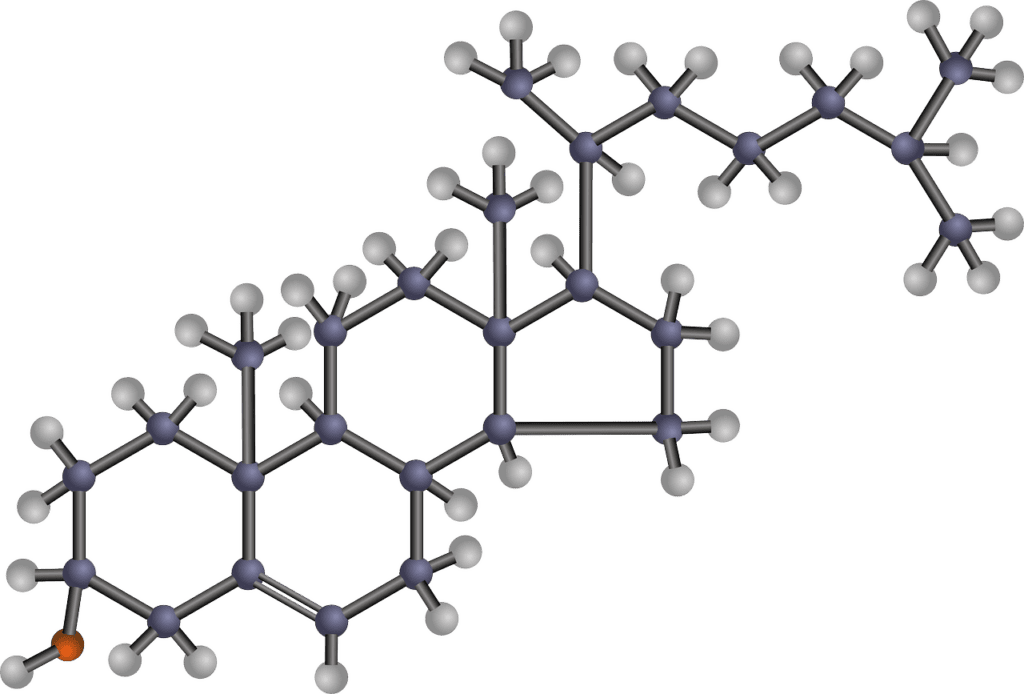
Plant sterols and stanols are natural substances that have been shown to lower LDL cholesterol levels. They work by blocking the absorption of cholesterol in the gut, thereby reducing the amount of cholesterol that enters the bloodstream. Plant sterols and stanols are structurally similar to cholesterol, and when consumed, they compete with cholesterol for absorption.
Fortified foods are a convenient way to incorporate plant sterols and stanols into your diet. Many margarines, spreads, and yogurt products are fortified with these substances. By regularly consuming these products, you can effectively lower your LDL cholesterol levels.
If you find it challenging to incorporate fortified foods into your daily routine, supplements containing plant sterols and stanols are available. These supplements come in various forms, such as capsules or powders, and can be easily incorporated into your daily routine.
4. Green Tea Extract
Green tea extract has been gaining popularity for its potential health benefits, including its ability to lower bad cholesterol levels. One of the active compounds found in green tea extract is catechins. Catechins have antioxidant properties and have been shown to reduce LDL cholesterol levels.
Consuming green tea regularly or taking a green tea extract supplement can help lower bad cholesterol levels. It is important to note that excessive consumption of green tea extract or taking high doses of supplements may cause adverse effects. Therefore, it is recommended to consume green tea or its extract in moderation.

5. Garlic Supplements
Garlic has been used for centuries for its potential health benefits, including its ability to lower bad cholesterol levels. Garlic supplements are a convenient way to incorporate this potent herb into your daily routine. One of the active components of garlic is allicin, which has been shown to reduce LDL cholesterol levels.
Taking garlic supplements can help lower bad cholesterol levels. However, it is important to note that the effectiveness of garlic supplements may vary among individuals and further research is needed to fully understand its impact on cholesterol levels.
6. Red Yeast Rice
Red yeast rice is a traditional Chinese fermented rice product that has been used for centuries as a natural remedy for various health conditions, including high cholesterol. It contains a compound called monacolin K, which is chemically identical to the active ingredient found in certain cholesterol-lowering medications.
Supplementing with red yeast rice may help lower LDL cholesterol levels. However, it is important to note that red yeast rice supplements can vary greatly in their monacolin K content, and the FDA has advised caution when using these supplements. It is recommended to consult with a healthcare professional before considering red yeast rice supplements.
7. Coenzyme Q10
Coenzyme Q10 (CoQ10) is a naturally occurring compound that plays a crucial role in energy production in the body’s cells. It also acts as an antioxidant and has been studied for its potential benefits in cardiovascular health. Some research suggests that supplementing with CoQ10 may help lower bad cholesterol levels.
Ubiquinone is the most common form of CoQ10 used in supplements. Consult with a healthcare professional before adding CoQ10 supplements to your routine to ensure it is suitable for your health needs.
8. Niacin
Niacin, also known as vitamin B3, is a water-soluble vitamin that has been studied for its potential benefits in managing cholesterol levels. It has been shown to raise HDL cholesterol (good cholesterol) levels and lower LDL cholesterol levels.
Nicotinic acid is the most common form of niacin used in supplements. It is important to note that high doses of niacin may cause unwanted side effects, such as flushing or liver damage. Consult with a healthcare professional before considering niacin supplements.

9. Berberine
Berberine is a compound extracted from various plants, including the roots of the Berberis shrub and the bark of the Coptis chinensis plant. It has been used in traditional Chinese and Ayurvedic medicine for its potential health benefits, including its ability to lower bad cholesterol levels.
Berberine has been shown to reduce LDL cholesterol levels and may also have beneficial effects on other cardiovascular risk factors, such as blood sugar control. However, further research is needed to fully understand its mechanisms of action and long-term effects. Consult with a healthcare professional before considering berberine supplements.
10. Curcumin
Curcumin is the active compound found in turmeric, a popular spice that is widely used in cooking and traditional medicine. Curcumin has been studied for its potential health benefits, including its ability to lower bad cholesterol levels.
Turmeric extract, which contains curcumin, can be used as a supplement to complement your diet. However, it is important to note that curcumin has low bioavailability, meaning that it is poorly absorbed by the body. Combining curcumin with black pepper or consuming it with a source of fat can enhance its absorption.
Incorporating these natural supplements into your lifestyle can be a valuable addition to your efforts to lower bad cholesterol levels. However, it is important to remember that dietary supplements should not be a substitute for a healthy diet and lifestyle. It is always recommended to consult with a healthcare professional before starting any new supplements, especially if you have underlying health conditions or are taking other medications.