
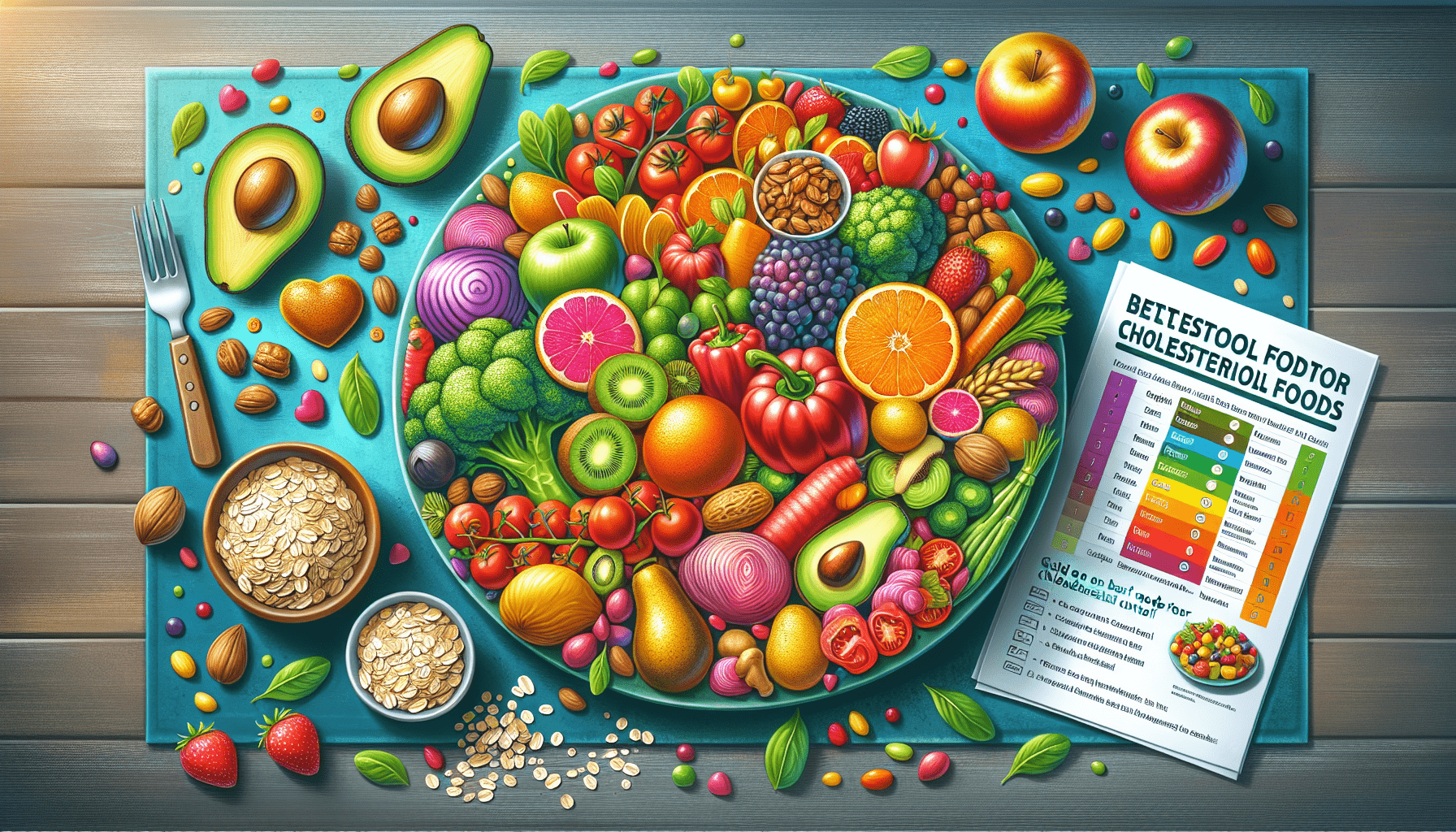
Welcome to your beginner’s guide to cholesterol-friendly foods! In this article, you will learn the basics of cholesterol management and discover a variety of delicious and nutritious foods that can help lower your levels. By making simple swaps and incorporating these foods into your diet, you can take control of your cholesterol and improve your overall health. Get ready to explore a world of tasty options that will support your heart health journey! Were you recently told by your doctor that you need to lower your cholesterol levels?
Understanding Cholesterol
Cholesterol is a waxy, fat-like substance that is found in your blood. While your body needs some cholesterol to function properly, having too much can increase your risk of heart disease and other health problems.
What Are HDL and LDL Cholesterol?
When you get your cholesterol levels checked, the results usually include numbers for HDL (high-density lipoprotein) cholesterol and LDL (low-density lipoprotein) cholesterol.
HDL cholesterol is often referred to as the “good” cholesterol because it helps remove other forms of cholesterol from your bloodstream. On the other hand, LDL cholesterol is considered the “bad” cholesterol because it can build up in the walls of your arteries, leading to a condition known as atherosclerosis.
Factors that Affect Cholesterol Levels
Various factors can influence your cholesterol levels, including genetics, lifestyle choices, and diet.
Genetic Factors
Some people have a genetic predisposition to high cholesterol levels, also known as familial hypercholesterolemia. This condition can make it challenging to manage cholesterol levels through diet and lifestyle changes alone.
Lifestyle Choices
Factors such as smoking, lack of physical activity, and excessive alcohol consumption can all contribute to high cholesterol levels. Making healthier lifestyle choices can help improve your cholesterol levels.
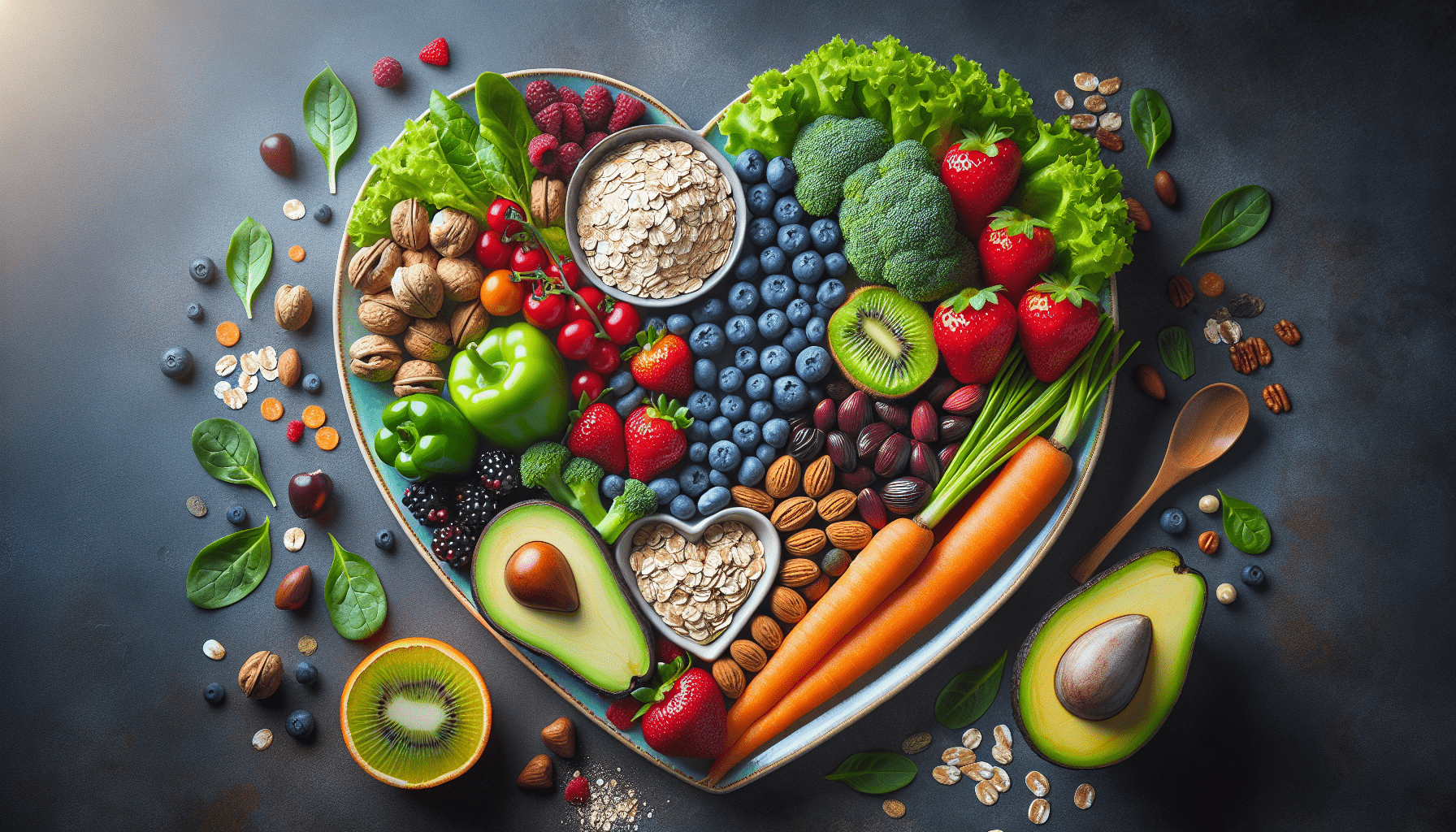
Foods to Avoid for High Cholesterol
If you’re looking to lower your cholesterol levels, it’s essential to know which foods to avoid.
Trans Fats
Trans fats are artificial fats found in many processed and fried foods. These fats can increase LDL cholesterol levels while lowering HDL cholesterol levels, making them particularly harmful to your heart health.
Saturated Fats
Foods high in saturated fats, such as red meat, full-fat dairy products, and baked goods, can also raise your cholesterol levels. Limiting your intake of these foods is crucial for managing your cholesterol.
Cholesterol-Friendly Foods to Include in Your Diet
Now that you know which foods to avoid, let’s focus on incorporating cholesterol-friendly foods into your diet.
Fruits and Vegetables
Fruits and vegetables are rich in fiber, antioxidants, and other essential nutrients that can help lower cholesterol levels. Aim to fill half your plate with fruits and vegetables at each meal to reap their health benefits.
| Fruit and Vegetable | Benefits |
|---|---|
| Apples | Pectin in apples helps lower cholesterol levels |
| Berries | Rich in antioxidants and fiber for heart health |
| Leafy Greens | High in fiber and nutrients for overall health |
Whole Grains
Whole grains like oats, barley, and quinoa are excellent choices for lowering cholesterol levels. They contain soluble fiber, which can help reduce LDL cholesterol levels in your blood.
Nuts and Seeds
Nuts and seeds, such as almonds, walnuts, and flaxseeds, are high in healthy fats, fiber, and plant sterols, all of which can help lower cholesterol levels.
| Nuts and Seeds | Benefits |
|---|---|
| Almonds | High in monounsaturated fats and vitamin E for heart health |
| Walnuts | Omega-3 fatty acids help reduce inflammation in the body |
| Flaxseeds | Rich in omega-3 fatty acids and fiber for heart health |
Legumes
Beans, lentils, and chickpeas are excellent sources of plant-based protein, fiber, and antioxidants. Including legumes in your diet can help lower cholesterol and improve heart health.
Fatty Fish
Fatty fish like salmon, mackerel, and sardines are rich in omega-3 fatty acids, which are beneficial for heart health. Aim to incorporate fatty fish into your diet at least twice a week for optimal cholesterol-lowering benefits.
Avocados
Avocados are a great source of monounsaturated fats, which can help increase HDL cholesterol levels and lower LDL cholesterol levels. Add avocado slices to salads, sandwiches, or smoothies for a heart-healthy boost.
Olive Oil
Olive oil is rich in monounsaturated fats and antioxidants, making it a heart-healthy choice for cooking and dressing salads. Choose extra-virgin olive oil for the most health benefits.
Sample Meal Plan for Lowering Cholesterol
If you’re unsure where to start, here’s a sample meal plan to help you incorporate cholesterol-friendly foods into your diet.
Breakfast:
- Greek yogurt with mixed berries and a sprinkle of almonds
- Whole grain toast with avocado slices
Lunch:
- Lentil and vegetable soup
- Mixed green salad with olive oil and balsamic vinegar dressing
Snack:
- Carrot sticks with hummus
Dinner:
- Baked salmon with lemon and herbs
- Quinoa pilaf with roasted vegetables
Dessert:
- Fresh fruit salad with a drizzle of honey and a sprinkle of flaxseeds
Tips for Lowering Cholesterol Through Diet
In addition to including cholesterol-friendly foods in your diet, here are some tips to help you lower your cholesterol levels effectively.
Read Food Labels
When shopping for groceries, pay attention to food labels and look for products that are low in saturated fats and trans fats. Opt for whole foods whenever possible to avoid hidden sources of unhealthy fats in processed foods.
Cook Healthier
Instead of frying foods, try baking, grilling, steaming, or sautéing with heart-healthy oils like olive oil. Limit your use of butter, lard, and other sources of saturated fats in cooking.
Portion Control
While healthy fats are beneficial for your heart, they’re also high in calories. Be mindful of portion sizes when incorporating nuts, seeds, and oils into your meals to avoid consuming excess calories.
Stay Hydrated
Drinking plenty of water throughout the day can help maintain healthy cholesterol levels. Aim to drink at least eight glasses of water daily to support your overall health.
Final Thoughts
Making changes to your diet can have a significant impact on your cholesterol levels and overall heart health. By incorporating cholesterol-friendly foods and making healthier lifestyle choices, you can take control of your cholesterol levels and reduce your risk of heart disease. Remember, small changes can lead to big results when it comes to managing your cholesterol.