

You’re about to discover how to take control of your cholesterol levels with a personalized vitamin and herb plan. High cholesterol can be a concerning health issue, but by customizing your approach and incorporating the right vitamins and herbs into your daily routine, you can effectively manage your cholesterol levels. In this article, we’ll explore the benefits and effectiveness of personalized plans and how they can help you achieve optimal cholesterol health. Say goodbye to generic solutions and embark on a journey towards a healthier heart.

Understanding the Role of Vitamins and Herbs in Cholesterol Management
Maintaining healthy cholesterol levels is of utmost importance for cardiovascular health. High levels of LDL (bad) cholesterol and triglycerides, as well as low levels of HDL (good) cholesterol, can increase the risk of heart disease and stroke. While diet and lifestyle play a significant role in cholesterol management, incorporating vitamins and herbs into your routine can further support your cardiovascular health.
Importance of maintaining healthy cholesterol levels
Cholesterol is a waxy substance produced by the liver and also found in certain foods. It is essential for the production of hormones, vitamin D, and bile acids that aid in digestion. However, excessive levels of cholesterol in the blood can lead to the formation of plaque in the arteries, narrowing them and restricting blood flow. This can increase the risk of heart disease, heart attack, and stroke.
By maintaining healthy cholesterol levels, you can promote the optimal functioning of your cardiovascular system and reduce the risk of developing these serious conditions. Incorporating vitamins and herbs into your cholesterol management plan can offer additional support in achieving and maintaining healthy cholesterol levels.
The impact of diet and lifestyle on cholesterol
Diet and lifestyle choices play a significant role in managing cholesterol levels. Consuming a diet that is low in saturated fats, trans fats, and cholesterol, while high in fiber and heart-healthy fats can help lower LDL cholesterol levels. Regular physical activity and maintaining a healthy weight are also crucial in managing cholesterol.
Furthermore, limiting alcohol consumption, avoiding tobacco, managing stress levels, and getting enough quality sleep can contribute to overall cardiovascular health. While these lifestyle modifications are essential, the use of vitamins and herbs can complement these efforts and provide additional support for cholesterol management.
Role of vitamins and herbs in supporting cardiovascular health
Vitamins and herbs can play a vital role in supporting cardiovascular health and aiding in cholesterol management. Certain vitamins have been shown to have cholesterol-lowering effects and can help balance cholesterol levels. These include Vitamin D, B complex vitamins, niacin, and omega-3 fatty acids.
Vitamin D helps regulate cholesterol production and can improve LDL cholesterol levels. B complex vitamins, such as B6, B9 (folate), and B12, can lower homocysteine levels in the blood, a compound linked to increased cardiovascular risk. Niacin, a form of vitamin B3, can raise HDL cholesterol levels, also known as the “good” cholesterol. Omega-3 fatty acids found in fish oil supplements can also help lower triglyceride levels.
In addition to vitamins, various herbs have been traditionally used for cholesterol management. Garlic has been shown to reduce total and LDL cholesterol levels. Turmeric contains curcumin, a compound with anti-inflammatory and cholesterol-lowering properties. Hawthorn is known for its benefits in promoting cardiovascular health and reducing cholesterol levels.
Research studies on the effectiveness of vitamins and herbs in cholesterol management
Numerous studies have explored the effectiveness of vitamins and herbs in cholesterol management. These studies have shown promising results, indicating the potential benefit of incorporating these supplements into a personalized cholesterol management plan.
For example, a study published in the Journal of the American Medical Association (JAMA) found that niacin supplementation significantly increased HDL cholesterol levels and decreased LDL cholesterol and triglyceride levels. Another study published in the Journal of Cardiovascular Pharmacology demonstrated that garlic extract supplementation led to a significant decrease in total cholesterol levels.
Research on the cholesterol-lowering effects of herbs is also promising. A study published in the Journal of Clinical Lipidology found that hawthorn extract supplementation led to a reduction in cholesterol levels. Furthermore, a review article published in the journal Atherosclerosis concluded that curcumin, the active component in turmeric, could be beneficial in managing cholesterol levels.
While these studies provide insights into the potential benefits of vitamins and herbs in cholesterol management, it is essential to consult with a healthcare professional before incorporating any supplements into your routine.
Assessing Your Cholesterol Levels
Understanding different cholesterol levels (LDL, HDL, and triglycerides) is key to effectively managing cholesterol. LDL cholesterol is often referred to as “bad” cholesterol as it can build up in the arteries, while HDL cholesterol is considered “good” cholesterol as it helps remove LDL cholesterol from the bloodstream. Triglycerides are a type of fat found in the blood and are stored in fat cells for later use as energy.
Getting a cholesterol blood test is the primary method for assessing your cholesterol levels. This blood test, known as a lipid panel, measures your total cholesterol, LDL cholesterol, HDL cholesterol, and triglyceride levels. It provides a snapshot of your cardiovascular health and serves as a baseline for monitoring your progress in cholesterol management.
Once you have the results of your cholesterol blood test, it is essential to consult with a healthcare professional for interpretation and guidance. They can help you understand your numbers and develop a personalized plan to improve your cholesterol profile.
Consulting with a healthcare professional for interpretation and guidance
Interpreting cholesterol blood test results can be complex, and it is crucial to consult with a healthcare professional for accurate assessment and guidance. They can help you understand the significance of your cholesterol levels, identify potential risk factors, and develop an action plan to manage your cholesterol effectively.
A healthcare professional, such as a primary care physician or a lipid specialist, can analyze your lipid panel results in the context of your overall health, medical history, and risk factors. They can assess your individual cardiovascular risk and determine the appropriate steps to take in managing your cholesterol.
By working closely with a healthcare professional, you can create a personalized plan that incorporates vitamins, herbs, and other lifestyle modifications tailored to your unique needs and goals.
Identifying Specific Vitamin Deficiencies
To create an effective vitamin plan for cholesterol management, it is important to identify any specific vitamin deficiencies you may have. Certain vitamins play a crucial role in cholesterol metabolism and maintaining healthy lipid levels. Identifying these deficiencies can help determine the appropriate supplementation to support your cholesterol management efforts.
Vitamin D deficiency, for example, has been associated with higher LDL cholesterol levels and increased cardiovascular risk. B complex vitamin deficiencies, particularly folate and vitamin B12, can lead to elevated homocysteine levels, which can contribute to cardiovascular disease. Niacin deficiency can result in low HDL cholesterol levels.
Blood tests can help identify specific vitamin deficiencies and provide valuable information for your personalized vitamin plan. These tests measure your vitamin levels and allow healthcare professionals to determine the appropriate supplementation to address any deficiencies.
Essential vitamins for cholesterol management
Several vitamins are essential for cholesterol management. Vitamin D, often referred to as the “sunshine vitamin,” plays a crucial role in regulating cholesterol production. It supports the synthesis of enzymes involved in cholesterol metabolism and helps maintain optimal LDL cholesterol levels.
B complex vitamins, including B6, B9 (folate), and B12, play a vital role in cholesterol metabolism by converting homocysteine, an amino acid linked to increased cardiovascular risk, into other beneficial substances. Adequate levels of these vitamins can help lower homocysteine levels and reduce the risk of cardiovascular disease.
Niacin, a form of vitamin B3, has been widely studied for its cholesterol-lowering properties. It can increase HDL cholesterol levels, lower LDL cholesterol and triglyceride levels, and improve overall lipid profile.
In addition to these vitamins, other nutrients such as omega-3 fatty acids found in fish oil supplements have shown promise in cholesterol management. Omega-3 fatty acids can help reduce triglyceride levels and have been associated with improved cardiovascular health.
Signs and symptoms of vitamin deficiencies
Vitamin deficiencies can manifest in various signs and symptoms, indicating an imbalance in your nutrient levels. Common signs of vitamin deficiencies include fatigue, weakness, mood changes, poor concentration, hair loss, and changes in skin appearance.
Specific to cholesterol management, vitamin D deficiency may contribute to elevated LDL cholesterol levels, thereby increasing the risk of cardiovascular disease. B complex vitamin deficiencies, particularly folate and vitamin B12, can lead to increased homocysteine levels, which are linked to cardiovascular risk. Niacin deficiency may result in low HDL cholesterol levels and impaired lipid metabolism.
It is important to note that these signs and symptoms can be indicative of other health conditions as well. To determine if your symptoms are related to vitamin deficiencies and to develop an effective vitamin plan, it is essential to consult with a healthcare professional and undergo appropriate blood tests.

Importance of blood tests to determine vitamin levels
Blood tests are essential for determining vitamin levels and identifying any deficiencies that may impact cholesterol management. These tests measure the concentration of specific vitamins in your blood and provide valuable information about your nutrient status.
Vitamin blood tests can help healthcare professionals assess your current vitamin levels and determine if supplementation is necessary. By identifying specific deficiencies, they can develop a personalized plan to address any imbalances and support your cholesterol management goals.
It is important to work closely with a healthcare professional to interpret the results of your vitamin blood tests. They can provide guidance in selecting appropriate supplements, recommend dosage adjustments, and monitor your progress over time.
Selecting the Right Herbs for Cholesterol Management
In addition to vitamins, herbs have been used for centuries to support cardiovascular health and aid in cholesterol management. Certain herbs contain bioactive compounds that have been shown to have cholesterol-lowering effects and other cardiovascular benefits. When selecting herbs for cholesterol management, it is important to choose those that have been scientifically studied and have a demonstrated efficacy.
Common herbs used for cholesterol management
Several herbs have been traditionally used for cholesterol management and have gained scientific interest in recent years. Garlic is well-known for its potential cardiovascular benefits, including its ability to reduce total and LDL cholesterol levels. Studies have shown that garlic supplementation can lead to modest decreases in cholesterol levels.
Turmeric contains curcumin, a compound with anti-inflammatory properties. Research suggests that curcumin can improve lipid profiles by reducing LDL cholesterol levels and increasing HDL cholesterol levels. Turmeric has been used in traditional medicine for its cardiovascular benefits and has gained popularity as a natural supplement for cholesterol management.
Hawthorn is a herb commonly used to support cardiovascular health. It has been shown to have potential cholesterol-lowering effects and improve blood flow. Hawthorn extract supplementation has been found to reduce total cholesterol levels and increase HDL cholesterol levels.
It is important to note that while these herbs have shown promise in cholesterol management, they should not replace prescribed medications without consulting a healthcare professional. Herbs can interact with other medications and may not be suitable for everyone. Consulting with a qualified herbalist or naturopathic doctor is recommended when incorporating herbs into your cholesterol management plan.
Understanding the benefits and mechanisms of action of herbs
Herbs used for cholesterol management offer various benefits and mechanisms of action. Garlic, for example, contains compounds that inhibit cholesterol synthesis and reduce the production of cholesterol in the liver. It can also enhance the breakdown of cholesterol and promote its excretion from the body.
Curcumin, the active component in turmeric, has antioxidant and anti-inflammatory properties. These properties can help reduce inflammation in blood vessels and prevent the formation of plaque. Curcumin has also been shown to enhance the expression of LDL receptors, which facilitates the removal of LDL cholesterol from the bloodstream.
Hawthorn, on the other hand, contains flavonoids that can improve lipid profiles and decrease cholesterol levels. It can also dilate blood vessels, improving blood flow and reducing the strain on the heart.
Understanding the benefits and mechanisms of action of these herbs can help you make informed decisions when incorporating them into your cholesterol management plan. It is important to consult with a qualified herbalist or naturopathic doctor to ensure their safe and effective use.
Possible herb-drug interactions to consider
While herbs can offer potential benefits for cholesterol management, it is important to be aware of possible herb-drug interactions. Some herbs can interact with medications, affecting their effectiveness or potentially causing adverse effects. Therefore, it is important to inform your healthcare provider about your herb use and any prescribed medications you are taking.
For example, garlic can interact with blood-thinning medications, such as warfarin, increasing the risk of bleeding. Turmeric supplements can enhance the effects of blood-thinning medications and increase the risk of bleeding as well. Hawthorn may interact with medications for heart conditions, leading to an increased risk of side effects or reduced effectiveness of the medications.
By informing your healthcare provider about your herb use, they can assess any potential interactions and make appropriate adjustments to your medication or herb regimen. It is important to remember that herb-drug interactions can vary from person to person, and professional guidance is necessary to ensure your safety.
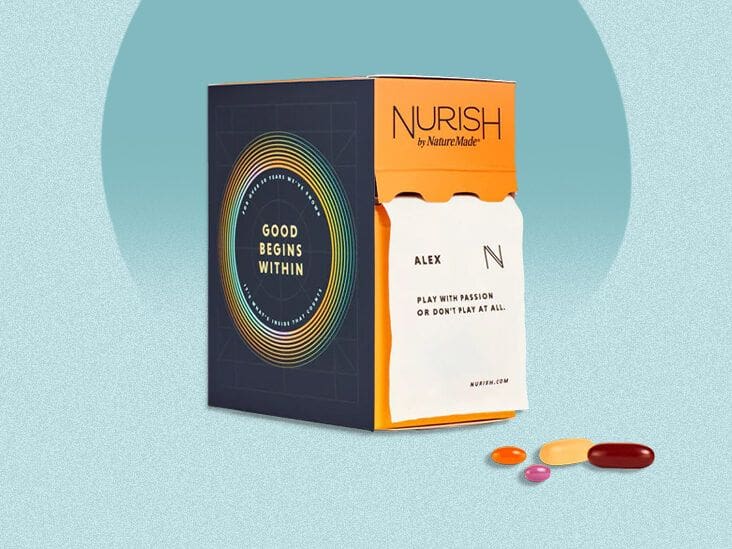
Personalized Vitamin Plan for Cholesterol Management
Creating a personalized vitamin plan for cholesterol management involves consulting with a healthcare professional or registered dietitian to determine the appropriate dosage and form of vitamins for your specific needs.
Consulting with a healthcare professional or registered dietitian
Consulting with a healthcare professional or registered dietitian is essential in developing a personalized vitamin plan for cholesterol management. They can assess your individual health needs, review your cholesterol blood test results, and provide guidance on the appropriate supplementation to address any deficiencies.
A healthcare professional or registered dietitian can help determine the optimal dosage of vitamins based on your medical history, risk factors, and overall health. They can also advise on the form of vitamins to use, such as capsules, tablets, or liquid supplements, taking into consideration any specific dietary restrictions or preferences.
By working closely with a healthcare professional or registered dietitian, you can ensure that your personalized vitamin plan aligns with your specific needs and supports your cholesterol management goals.
Determining the appropriate dosage and form of vitamins
Determining the appropriate dosage and form of vitamins is crucial for the effectiveness of your cholesterol management plan. Dosage recommendations may vary depending on individual factors such as age, sex, overall health, and existing medical conditions.
For example, vitamin D dosage recommendations often depend on blood test results, aiming to achieve optimal levels of the vitamin in the bloodstream. B complex vitamins, including folate and vitamin B12, may require higher dosages for individuals with specific deficiencies. Niacin dosage recommendations should be carefully monitored and adjusted to avoid potential side effects.
The form of vitamins, such as capsules, tablets, or liquid supplements, can also be tailored to individual needs and preferences. Some individuals may have difficulty swallowing tablets or prefer liquid supplements, while others may find capsules more convenient.
Working with a healthcare professional or registered dietitian can help ensure that the dosage and form of vitamins you incorporate into your cholesterol management plan are appropriate for your specific needs and goals.
Incorporating vitamins into your daily routine
Incorporating vitamins into your daily routine is key to maintaining consistency and maximizing their benefits in cholesterol management. Here are some tips to help you seamlessly integrate vitamins into your daily routine:
-
Choose a specific time of day to take your vitamins to establish a routine. Whether it’s in the morning with breakfast or right before bed, consistency is key.
-
Keep your vitamins in a visible place, such as your kitchen counter or bathroom shelf, to serve as a visual reminder to take them.
-
Consider using a pill organizer or setting reminders on your phone or calendar to ensure you don’t forget to take your vitamins.
-
If you have trouble swallowing pills, explore alternative forms of vitamins, such as liquid supplements or chewable tablets.
Remember, vitamins should supplement a healthy diet and lifestyle, not replace them entirely. While vitamins can offer additional support for cholesterol management, it is important to prioritize a well-balanced diet and regular physical activity for optimal cardiovascular health.
Developing an Herb Plan for Cholesterol Management
Developing an herb plan for cholesterol management involves consulting with a qualified herbalist or naturopathic doctor to identify the right herbs, dosage, and preparation methods for your specific needs.

Consulting with a qualified herbalist or naturopathic doctor
To develop an effective herb plan for cholesterol management, it is recommended to consult with a qualified herbalist or naturopathic doctor. These professionals have in-depth knowledge and expertise in herbal medicine and can provide personalized recommendations based on your specific health needs.
During a consultation, a qualified herbalist or naturopathic doctor will take into account your medical history, medications, and any existing health conditions to develop a comprehensive herb plan. They can help identify the right herbs for cholesterol management, determine the appropriate dosage, and recommend the most suitable preparation methods.
Working with a qualified herbalist or naturopathic doctor can help ensure the safe and effective use of herbs in your cholesterol management plan.
Identifying the right dosage and preparation method for each herb
Each herb used for cholesterol management may have different recommended dosages and preparation methods. It is crucial to work with a qualified herbalist or naturopathic doctor to identify the right dosage and preparation method for each herb in your plan.
For example, garlic can be used in various forms, such as raw cloves, capsules, or extracts. The recommended dosage may depend on the specific product and the intended effect. Turmeric is often used as a powdered spice or in supplement form, and dosages can vary based on the curcumin content.
Hawthorn is available in various forms, including teas, extracts, and capsules. The dosage and preparation method may depend on the specific product and the desired outcome.
A qualified herbalist or naturopathic doctor can guide you in selecting the appropriate herbs, determining the right dosages, and advising on the most suitable preparation methods based on your individual needs and goals.
Incorporating herbs into your daily routine
Incorporating herbs into your daily routine can be done in various ways, depending on the chosen herbs and their preparations. Here are some suggestions to seamlessly integrate herbs into your cholesterol management plan:
-
Cook with herbs: Incorporate herbs such as garlic, turmeric, and other culinary herbs into your cooking. This not only adds flavor to meals but also allows you to enjoy their potential health benefits.
-
Drink herbal teas: Prepare and enjoy herbal teas infused with cholesterol-lowering herbs like hawthorn. This can be a soothing and beneficial addition to your daily routine.
-
Consider herbal extracts or supplements: If recommended by a qualified herbalist or naturopathic doctor, incorporate herb extracts or supplements into your routine. Follow the recommended dosage and instructions for each specific herb.
-
Explore herbal combinations: Some herbal formulas or combinations may be recommended for cholesterol management. Working with a qualified herbalist or naturopathic doctor can help you identify the most appropriate combinations based on your individual needs.
Remember, herbs should be used as a complementary approach to lifestyle modifications and any prescribed medications. It is important to consult with a healthcare professional or qualified herbalist before incorporating herbs into your cholesterol management plan to ensure their safe and effective use.
Potential Risks and Side Effects
While vitamins and herbs can offer valuable support in cholesterol management, it is important to be aware of potential risks and side effects. Interactions between vitamins, herbs, and cholesterol medications are possible and can affect their effectiveness or lead to adverse effects.
Possible interactions between vitamins, herbs, and cholesterol medications
Certain vitamins and herbs can interact with cholesterol medications, potentially altering their effects or increasing the risk of side effects. It is crucial to inform your healthcare provider about any vitamins and herbs you are using and any prescribed medications you are taking.
For example, niacin supplementation can interact with cholesterol medications such as statins, leading to an increased risk of side effects such as muscle pain or liver damage. Niacin can also interact with other lipid-lowering medications, so close monitoring and dosage adjustments may be necessary.
Similarly, herbs such as garlic and turmeric can interact with blood-thinning medications, leading to an increased risk of bleeding. Hawthorn can interact with medications used for heart conditions, potentially amplifying their effects or causing adverse reactions.
By informing your healthcare provider about your vitamin and herb use, they can assess any potential interactions and make appropriate adjustments to your medication or herb regimen. It is important to work closely with your healthcare provider to ensure your safety.
Monitoring for adverse effects and adjusting dosage accordingly
When incorporating vitamins and herbs into your cholesterol management plan, it is vital to monitor for any adverse effects and adjust dosages accordingly. Every individual may respond differently to these supplements, and it is important to pay attention to your body’s reactions.
If you experience any unusual symptoms or side effects after starting vitamin or herb supplementation, it is recommended to consult with your healthcare provider. They can assess whether the symptoms are related to the supplements and make appropriate dosage adjustments or recommend alternative options.
Regular monitoring and communication with your healthcare provider are key to ensuring that your vitamin and herb plan aligns with your specific needs and goals while minimizing the risk of adverse effects.
Importance of informing your healthcare provider about your vitamin and herb use
Informing your healthcare provider about your vitamin and herb use is crucial for comprehensive cholesterol management. By sharing this information, you can help your healthcare provider make informed decisions about your treatment plan and ensure the safe and effective use of vitamins, herbs, and prescribed medications.
Your healthcare provider needs a comprehensive understanding of all the supplements and medications you are taking to assess potential interactions, adjust dosages if needed, and monitor your progress. This collaborative approach can optimize your cholesterol management plan and minimize the risk of adverse effects or ineffective treatment.
Tracking and Measuring Progress
Regular tracking and measuring of your cholesterol levels are important to assess improvements and make informed decisions regarding your cholesterol management plan.
Importance of regular cholesterol blood tests to assess improvements
Regular cholesterol blood tests are necessary to assess your progress in managing cholesterol levels. These tests provide quantitative data about your total cholesterol, LDL cholesterol, HDL cholesterol, and triglyceride levels, allowing you to monitor changes over time.
Consult with your healthcare provider to determine the appropriate frequency of cholesterol blood tests based on your specific health needs. Regular monitoring can help you and your healthcare provider evaluate the effectiveness of your cholesterol management plan and make any necessary adjustments.
Keeping a record of vitamin and herb intake for better decision-making
Keeping a record of your vitamin and herb intake can be helpful for better decision-making and understanding the impact of these supplements on your cholesterol management. By documenting the specific vitamins and herbs you are taking, along with dosages and frequencies, you can track your regimen and identify any patterns or correlations with changes in your cholesterol levels.
Maintaining a record can also assist your healthcare provider in assessing the effectiveness of your vitamin and herb plan, particularly if dosage adjustments are necessary. This information can guide decision-making and support collaborative discussions between you and your healthcare provider.
Adjusting the plan based on the cholesterol test results
Adjusting your cholesterol management plan based on test results is a crucial step in optimizing your cardiovascular health. The data obtained from cholesterol blood tests can provide valuable insights into the effectiveness of your plan and guide adjustments as necessary.
If your cholesterol levels are not within the recommended range, your healthcare provider may recommend adjusting the dosage or form of vitamins, altering herb combinations or dosages, or modifying lifestyle modifications. Collaborative discussions with your healthcare provider can help determine the most appropriate adjustments based on your individual needs and goals.
Other Lifestyle Modifications for Cholesterol Management
While vitamins and herbs can support cholesterol management, other lifestyle modifications are equally important for optimal cardiovascular health.
Maintaining a healthy diet and exercise regimen
A healthy diet and regular exercise are fundamental to managing cholesterol levels. A diet rich in fruits, vegetables, whole grains, lean proteins, and heart-healthy fats can help lower LDL cholesterol levels and promote overall cardiovascular health.
Regular physical activity, such as aerobic exercises and strength training, can help raise HDL cholesterol levels and improve lipid profiles. Aim for at least 150 minutes of moderate-intensity exercise or 75 minutes of vigorous-intensity exercise per week, as recommended by the American Heart Association.
Managing stress levels and getting enough sleep
Chronic stress and inadequate sleep can negatively impact cardiovascular health and cholesterol levels. High levels of stress can contribute to the release of stress hormones, which can affect lipid metabolism and increase LDL cholesterol levels.
Prioritizing stress management techniques, such as meditation, deep breathing exercises, and regular relaxation, can support overall cardiovascular health. Additionally, getting sufficient quality sleep is crucial for optimal cholesterol management. Aim for 7-9 hours of sleep per night.
Avoiding tobacco and excessive alcohol consumption
Tobacco use and excessive alcohol consumption can significantly impact cholesterol levels and cardiovascular health. Smoking tobacco increases the risk of atherosclerosis and raises LDL cholesterol levels. Quitting smoking is one of the most important steps you can take to improve your cholesterol profile and overall cardiovascular health.
Excessive alcohol consumption can raise triglyceride levels and contribute to high blood pressure. It is recommended to limit alcohol intake to moderate levels, defined as up to one drink per day for women and up to two drinks per day for men.
By adopting these lifestyle modifications, in addition to incorporating vitamins and herbs, you can enhance the effectiveness of your cholesterol management plan and support your long-term cardiovascular health.
Long-Term Cholesterol Management with Vitamins and Herbs
Long-term cholesterol management involves ongoing monitoring, adaptation, and collaboration with healthcare professionals.
Continued monitoring of cholesterol levels
Achieving and maintaining healthy cholesterol levels requires continued monitoring and evaluation. Regular cholesterol blood tests, as recommended by your healthcare provider, can provide valuable information about your progress and guide adjustments to your cholesterol management plan.
By monitoring your cholesterol levels over time, you can track the effectiveness of your plan and make informed decisions regarding your treatment. Collaborating with your healthcare provider ensures that you receive the necessary support and guidance to maintain a healthy cardiovascular profile.
Adapting the vitamin and herb plan based on changing needs
As your cholesterol management needs may change over time, it is important to adapt your vitamin and herb plan accordingly. Factors such as age, overall health, and lifestyle modifications can influence the effectiveness of your plan and necessitate adjustments.
Regular consultations with your healthcare professional or herbalist can help assess any changes in your health and determine the appropriate adjustments to your vitamin and herb regimen. Your healthcare provider can monitor your cholesterol levels and guide you in making informed decisions as your needs evolve.
Consulting with healthcare professionals for ongoing guidance and support
Throughout your cholesterol management journey, it is essential to maintain a collaborative relationship with healthcare professionals. Regular consultations with your healthcare provider and, if applicable, qualified herbalists or naturopathic doctors, can provide ongoing guidance, support, and reassessment of your plan.
Regular check-ins with your healthcare team can help you stay informed about the latest research and developments in cholesterol management. They can also provide knowledge and expertise to address any concerns or questions you may have, ensuring that you continue to receive optimal care.
By actively engaging with healthcare professionals, you can navigate the complexities of cholesterol management and make informed decisions to support your long-term cardiovascular health.
In conclusion, creating a personalized vitamin and herb plan for cholesterol management involves understanding the role of these supplements, assessing your cholesterol levels, identifying specific vitamin deficiencies, selecting the right herbs, consulting with healthcare professionals, tracking your progress, implementing lifestyle modifications, and maintaining long-term management. By integrating vitamins and herbs into your cholesterol management plan, along with other lifestyle modifications, you can support optimal cardiovascular health and reduce the risk of heart disease and stroke. Remember to consult with your healthcare provider and qualified professionals to ensure the safe and effective use of vitamins and herbs in your individualized plan.