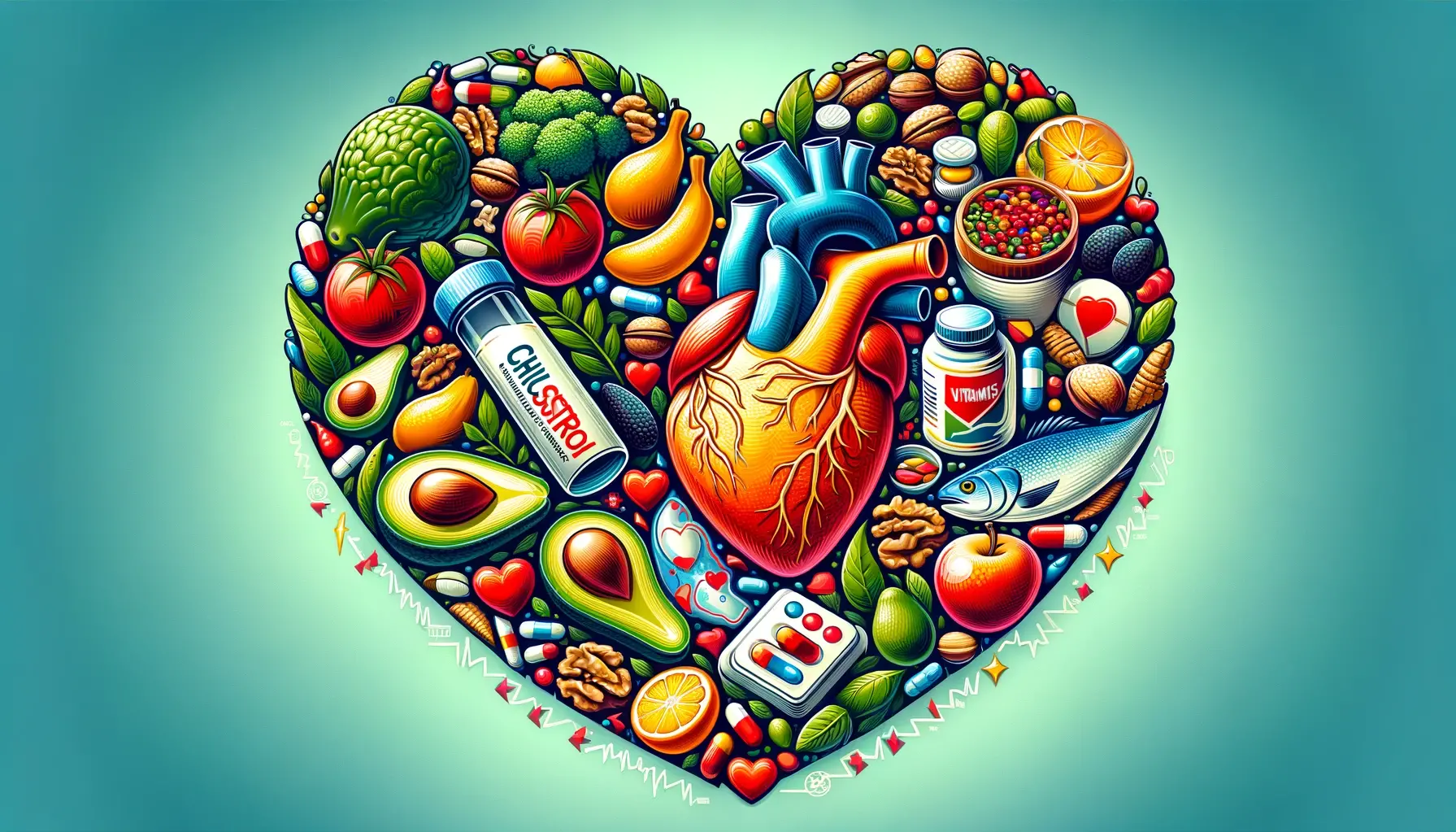

If you’ve ever wondered how your body controls cholesterol levels, then you’ve come to the right place. In this article, we will explore the fascinating world of hormones and their crucial role in regulating cholesterol in your body. From the production of cholesterol to its transportation and elimination, hormones play a vital part in maintaining a healthy balance. So, put on your scientific goggles, because we are about to embark on an insightful journey into the intricate workings of cholesterol regulation.
Introduction to Cholesterol Regulation
Cholesterol regulation is a crucial aspect of maintaining overall health and preventing various medical conditions. Cholesterol is a type of fat that is essential for the proper functioning of our bodies. While it is necessary for many physiological processes, having an imbalance of cholesterol levels can lead to adverse health effects. It is therefore important to understand the role of hormones in cholesterol regulation in order to maintain optimal cholesterol levels and promote overall well-being.
Definition of Cholesterol
Cholesterol is a waxy, fat-like substance that is found in all cells of the body. It is necessary for the production of hormones, vitamin D, and bile acids. Cholesterol is also involved in the formation of cell membranes and plays a crucial role in cell signaling. While our bodies naturally produce cholesterol, it can also be obtained from certain foods. However, having excessively high levels of cholesterol can lead to the development of various health conditions, including cardiovascular diseases.
Importance of Cholesterol Regulation
Proper regulation of cholesterol is essential for maintaining overall health. When cholesterol levels are within the normal range, it supports various physiological processes in the body. Cholesterol is needed for the synthesis of hormones, including cortisol, aldosterone, estrogen, progesterone, and testosterone. It also contributes to the production of vitamin D, which is crucial for bone health. Additionally, cholesterol is a vital component of cell membranes and plays a role in cell signaling. However, when cholesterol levels become imbalanced, it can have detrimental effects on our health, such as the development of atherosclerosis and cardiovascular diseases.
Impact of Cholesterol Imbalance
An imbalance of cholesterol levels can have significant impacts on our health. High levels of LDL (low-density lipoprotein) cholesterol, often referred to as “bad” cholesterol, can increase the risk of developing atherosclerosis, which is the hardening and narrowing of the arteries. This condition can lead to the formation of plaques, causing reduced blood flow and increasing the risk of heart attacks and strokes. On the other hand, low levels of HDL (high-density lipoprotein) cholesterol, often known as “good” cholesterol, can also be detrimental as it plays a significant role in removing excess cholesterol from the body. Imbalanced cholesterol levels can also contribute to other health conditions, such as gallstones and fatty liver disease.
Overview of Hormones
Hormones are chemical messengers that are produced by various endocrine glands in the body. They play a crucial role in regulating and coordinating various physiological processes, including metabolism, growth and development, reproduction, and stress response. Hormones are responsible for maintaining a delicate balance within the body, and they also have a significant influence on cholesterol regulation.

Definition of Hormones
Hormones are chemical substances that are produced by endocrine glands and are released into the bloodstream. They act as messengers, signaling the body’s cells and organs to initiate certain activities or adjust various processes. Hormones are produced in specific quantities and are tightly regulated to maintain homeostasis within the body. They can have both local effects, affecting nearby cells or tissues, and systemic effects, influencing distant organs and tissues.
Types of Hormones
Hormones can be classified into several categories based on their chemical structure. The major classes of hormones include steroids, peptides, amino acid derivatives, and eicosanoids. Steroid hormones, such as cortisol, aldosterone, and sex hormones (estrogen, progesterone, and testosterone), are derived from cholesterol. Peptide hormones, such as insulin and growth hormone, are made up of amino acids. Amino acid derivatives, such as thyroid hormones and catecholamines, are synthesized from specific amino acids. Eicosanoids, including prostaglandins and leukotrienes, are derived from fatty acids.
Functions of Hormones
Hormones play a fundamental role in regulating various physiological processes in the body. Some of the key functions of hormones include regulating metabolism, growth and development, reproduction, stress response, and maintaining homeostasis. They interact with specific target cells or organs through receptors, initiating a cascade of cellular events that ultimately lead to the desired effects. Hormones can have both short-term and long-term effects on the body, ensuring proper functioning and adaptation to changing internal and external conditions.
Hormonal Regulation of Cholesterol
Hormones play a crucial role in the regulation of cholesterol levels in the body. They are involved in the synthesis, transport, and metabolism of cholesterol, ensuring that it is appropriately utilized and maintained within optimal ranges.
Hormones Involved in Cholesterol Regulation
Several hormones are involved in the regulation of cholesterol levels. These include thyroid hormones, insulin, sex hormones (estrogen, progesterone, and testosterone), cortisol, growth hormone, catecholamines (epinephrine and norepinephrine), and leptin. Each hormone has specific functions and mechanisms by which they contribute to cholesterol regulation.

Endocrine Organs and Cholesterol Control
Endocrine organs, such as the thyroid gland, pancreas, adrenal glands, and gonads, each play a role in cholesterol control. These organs produce hormones that directly or indirectly influence cholesterol synthesis, transport, and metabolism. Dysfunction or imbalance in these endocrine glands can result in cholesterol imbalances and contribute to the development of various health conditions.
Role of Hormones in Cholesterol Synthesis
Hormones, such as thyroid hormones and insulin, play a role in regulating cholesterol synthesis. Thyroid hormones increase the activity of the enzymes involved in cholesterol synthesis, leading to increased production. On the other hand, insulin inhibits cholesterol synthesis, promoting the utilization of glucose for energy production instead.
Hormones Involved in Cholesterol Transport
Cholesterol is transported in the bloodstream through lipoproteins. Hormones, such as estrogen and testosterone, can influence the levels of different types of lipoproteins, namely LDL (low-density lipoprotein) and HDL (high-density lipoprotein). Estrogen tends to increase HDL cholesterol levels, while testosterone has been associated with decreased HDL levels. These hormonal effects can have implications for cardiovascular health.
Thyroid Hormones and Cholesterol Regulation
Thyroid hormones, including thyroxine (T4) and triiodothyronine (T3), play a crucial role in regulating various physiological processes, including cholesterol metabolism.
Thyroid Hormones and Their Functions
Thyroid hormones are primarily responsible for regulating metabolism. They influence the rate at which cells break down nutrients to produce energy, thereby impacting metabolism, body temperature, and energy expenditure. Thyroid hormones also play a role in growth and development, as well as maintaining cardiovascular and nervous system health.

Thyroid Hormones’ Impact on Cholesterol Levels
Thyroid hormones have a direct influence on cholesterol levels in the body. They increase cholesterol synthesis, mainly by upregulating the activity of enzymes involved in cholesterol production. Additionally, thyroid hormones also enhance the expression of LDL receptors, promoting the uptake and clearance of LDL cholesterol from the bloodstream.
Regulation of Cholesterol Metabolism by Thyroid Hormones
Thyroid hormones regulate cholesterol metabolism through various mechanisms. They increase the activity of HMG-CoA reductase, the rate-limiting enzyme involved in cholesterol synthesis. Thyroid hormones also influence the expression of LDL receptors, facilitating the removal of LDL cholesterol from circulation. These combined effects help maintain cholesterol homeostasis and prevent the accumulation of excessive cholesterol in the bloodstream.
Insulin and Cholesterol Regulation
Insulin is a hormone produced by the pancreas that plays a critical role in regulating glucose metabolism. However, it also has important implications for cholesterol regulation.
Insulin’s Role in Glucose Metabolism
Insulin is responsible for promoting glucose uptake into cells, particularly muscle and fat cells. It stimulates the translocation of glucose transporters to the cell membrane, allowing glucose to enter the cells and be utilized for energy production. Insulin also inhibits the breakdown of glycogen (the stored form of glucose) and promotes glycogen synthesis, helping to maintain stable blood glucose levels.
Insulin’s Influence on Cholesterol Levels
Insulin can also influence cholesterol levels in the body. It inhibits the expression of HMG-CoA reductase, the key enzyme involved in cholesterol synthesis. This ensures that excess glucose is utilized for energy production rather than being converted into cholesterol. Insulin also promotes the storage of excess glucose as glycogen in the liver, decreasing the availability of glucose for cholesterol synthesis.
Insulin Resistance and Its Impact on Cholesterol Regulation
Insulin resistance, a condition where cells become less responsive to the effects of insulin, can have implications for cholesterol regulation. In insulin-resistant individuals, higher levels of insulin are required to achieve the same metabolic effects. This can lead to increased cholesterol synthesis, as insulin’s inhibitory effects on HMG-CoA reductase become less effective. Insulin resistance is also associated with lower levels of HDL cholesterol and higher levels of LDL cholesterol, contributing to an unfavorable lipid profile.
Sex Hormones and Cholesterol Regulation
Sex hormones, including estrogen, progesterone, and testosterone, play a significant role in cholesterol regulation. They influence the levels of various lipoproteins and impact the overall lipid profile.
Estrogen and Cholesterol
Estrogen is primarily known as the female sex hormone, but it is also present in men, albeit in smaller amounts. Estrogen has been shown to have favorable effects on cholesterol levels, particularly HDL cholesterol. It increases the production of HDL cholesterol and promotes its clearance from the bloodstream. Estrogen also inhibits the production of LDL cholesterol, leading to a more favorable lipid profile.
Progesterone and Cholesterol
Progesterone, a hormone primarily involved in female reproductive functions, can also have an impact on cholesterol regulation. It has been suggested that progesterone may have a slight inhibitory effect on cholesterol synthesis. However, further research is needed to fully understand the mechanisms by which progesterone influences cholesterol metabolism.
Testosterone and Cholesterol
Testosterone, the primary male sex hormone, also plays a role in cholesterol regulation. Studies have shown that higher testosterone levels are associated with lower levels of HDL cholesterol. However, testosterone’s relationship with LDL cholesterol levels remains unclear. More research is needed to fully understand the effects of testosterone on cholesterol metabolism.
Cortisol and Cholesterol Regulation
Cortisol is a hormone produced by the adrenal glands that is involved in various physiological processes, including the stress response. It can also have implications for cholesterol regulation.
Functions of Cortisol
Cortisol plays a crucial role in the body’s response to stress. It helps regulate blood sugar levels, maintain blood pressure, modulate inflammation, and influence metabolism. Cortisol also plays a role in immune function and the sleep-wake cycle, among other functions.
Cortisol’s Impact on Cholesterol Levels
Cortisol can have both direct and indirect effects on cholesterol levels. It increases the expression of HMG-CoA reductase, the rate-limiting enzyme in cholesterol synthesis, leading to increased cholesterol production. Cortisol also influences the activity of lipoprotein lipase, an enzyme involved in the breakdown of lipoproteins, which can impact the levels of different types of lipoproteins.
Stress, Cortisol, and Cholesterol Imbalance
During periods of acute or chronic stress, cortisol levels can become dysregulated, leading to potential imbalances in cholesterol levels. Prolonged exposure to elevated cortisol levels can contribute to increased cholesterol synthesis and reduced clearance of LDL cholesterol. Chronic stress can also lead to unhealthy coping behaviors, such as poor diet and sedentary lifestyle, which can further contribute to cholesterol imbalance and cardiovascular risk.
Other Hormones Affecting Cholesterol
In addition to the hormones mentioned above, several other hormones can have an impact on cholesterol regulation. These include growth hormone, catecholamines (epinephrine and norepinephrine), and leptin.
Growth Hormone and Cholesterol
Growth hormone is involved in regulating growth, development, and metabolism. It has been suggested that growth hormone may have a role in cholesterol regulation, although further research is needed to fully understand its mechanisms and effects.
Catecholamines and Cholesterol
Catecholamines, such as epinephrine and norepinephrine, are hormones involved in the body’s response to stress. While their specific effects on cholesterol regulation are not well-established, they exert various metabolic effects, including changes in lipolysis and energy expenditure, which can indirectly impact cholesterol levels.
Leptin and Cholesterol
Leptin is a hormone produced by adipose tissue that plays a role in energy balance and appetite regulation. While its primary function is related to body weight regulation, leptin has also been suggested to influence cholesterol metabolism. It may have direct effects on cholesterol synthesis and transport, although further research is needed to fully understand its role.
Dysregulation of Hormones and Cholesterol
Imbalances in hormone levels can have significant impacts on cholesterol regulation. Hormonal disorders or dysfunctions can lead to abnormalities in cholesterol levels and contribute to the development of various medical conditions.
Hormonal Imbalances and High Cholesterol
Certain hormonal imbalances, such as hypothyroidism, hyperthyroidism, and polycystic ovary syndrome (PCOS), can be associated with elevated cholesterol levels. Hypothyroidism is characterized by low thyroid hormone levels, which can lead to decreased LDL receptor activity and impaired clearance of LDL cholesterol. Hyperthyroidism, on the other hand, is characterized by high thyroid hormone levels, which can increase cholesterol synthesis and blood levels. PCOS, a condition characterized by hormonal imbalances in women, is often associated with increased LDL cholesterol and decreased HDL cholesterol levels.
Effects of Hormonal Disorders on Cholesterol
Hormonal disorders can have various effects on cholesterol metabolism. In addition to the specific effects mentioned above, imbalances in hormones can disrupt the delicate balance between cholesterol synthesis, transport, and clearance, leading to dysregulated cholesterol levels. These imbalances can contribute to the development of atherosclerosis, cardiovascular diseases, and other health conditions associated with abnormal cholesterol levels.
Hormone Replacement Therapy and Cholesterol
Hormone replacement therapy (HRT) is a treatment option used to supplement or replace hormones in individuals with hormonal deficiencies or imbalances. HRT can have implications for cholesterol regulation, particularly in menopausal women. Estrogen replacement therapy has been shown to increase HDL cholesterol levels and decrease LDL cholesterol levels, potentially reducing cardiovascular risk. However, the overall benefits and risks of HRT should be carefully considered, as they can vary depending on individual factors and medical history.
Conclusion
Proper regulation of cholesterol levels is essential for maintaining overall health and preventing the development of various medical conditions. Hormones play a crucial role in cholesterol regulation, influencing its synthesis, transport, and metabolism. Thyroid hormones, insulin, sex hormones, cortisol, and other hormones all contribute to maintaining the delicate balance of cholesterol in the body. Understanding the role of hormones in cholesterol regulation can help guide healthcare professionals in developing effective strategies for managing cholesterol levels and promoting overall well-being. By ensuring optimal hormone balance and addressing any imbalances, individuals can take proactive steps towards maintaining healthy cholesterol levels and reducing the risk of associated health conditions.