
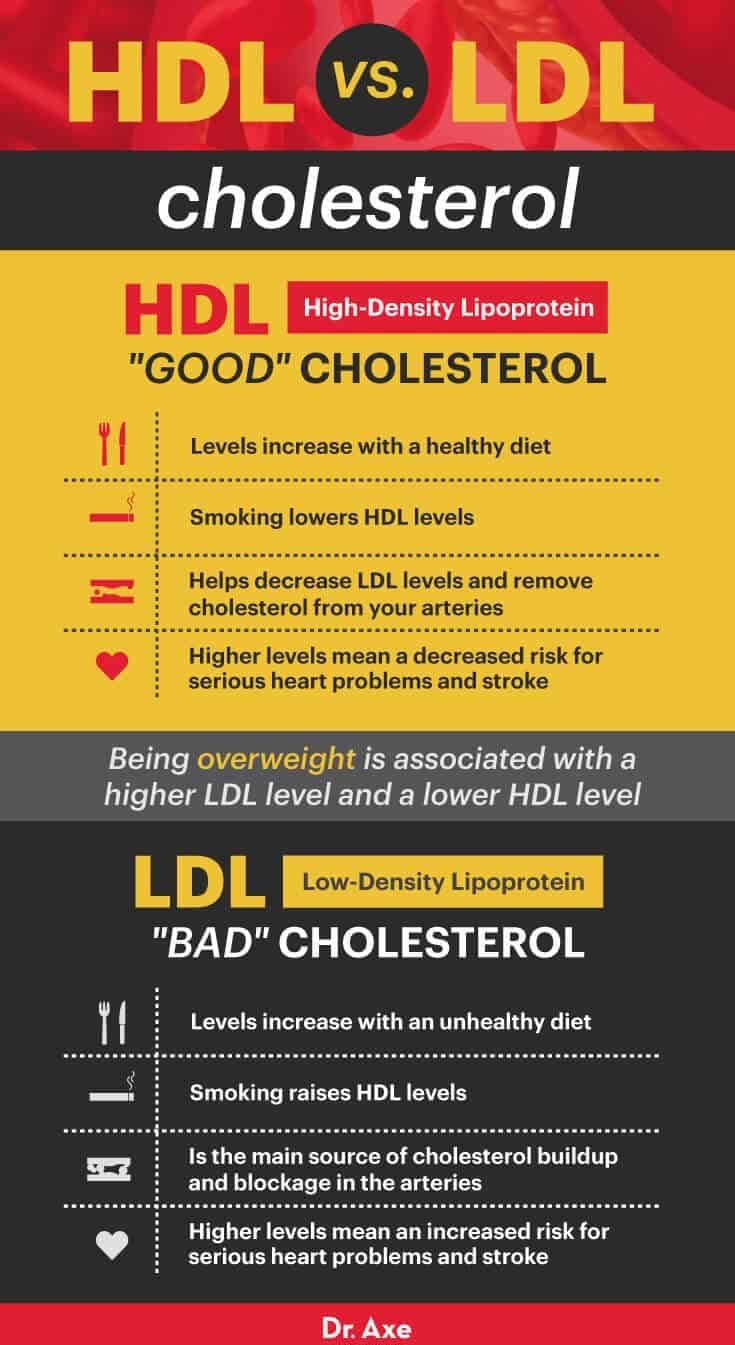
If you’re looking for effective ways to boost your HDL cholesterol levels, then you’ve come to the right place! In this article, we’ll explore some of the best methods to increase your levels of HDL, often referred to as the “good” cholesterol. By making a few simple lifestyle changes and incorporating these strategies into your daily routine, you can improve your cardiovascular health and lower your risk of heart disease. So, let’s dive in and discover the best ways to raise HDL cholesterol levels!
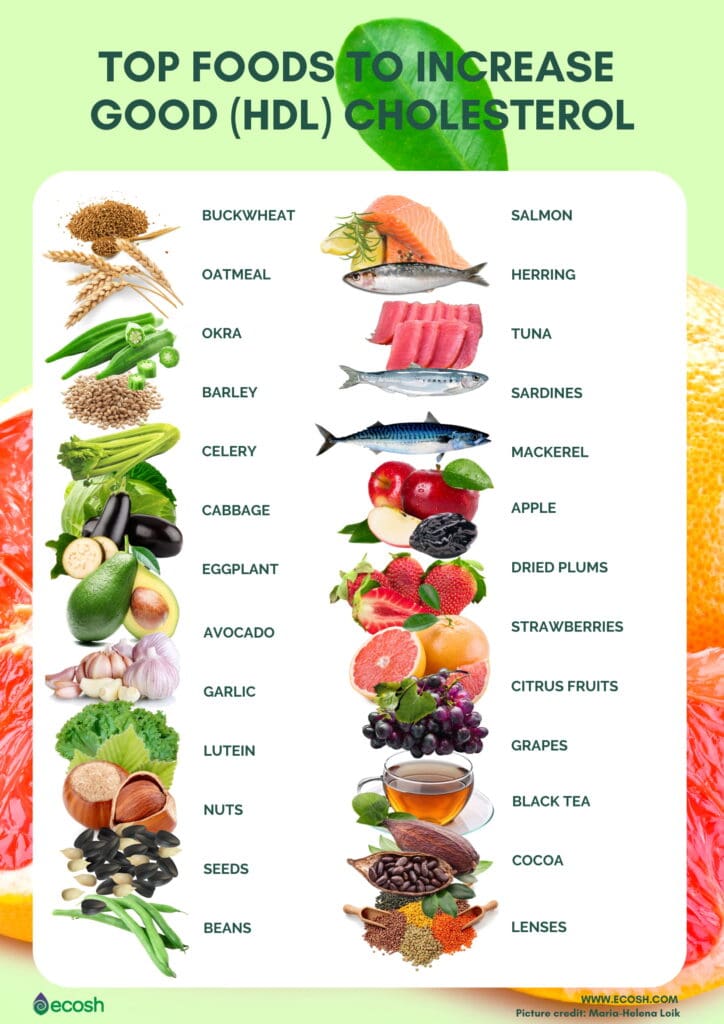
Dietary Changes
Increase consumption of healthy fats
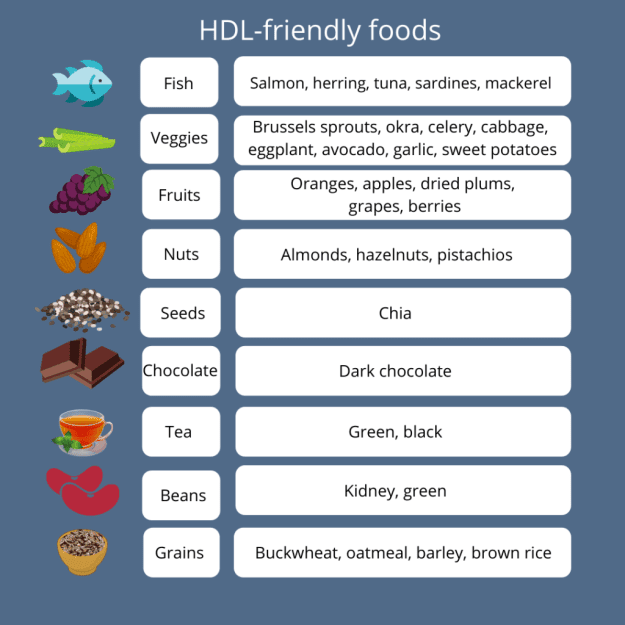
To raise HDL cholesterol levels, one of the first dietary changes you can make is to increase your consumption of healthy fats. Healthy fats, such as those found in avocados, nuts, and olive oil, can help increase your HDL levels while also providing essential nutrients for your body. Incorporating these healthy fats into your diet can be as simple as adding a handful of almonds to your daily snack or using olive oil as a dressing for your salad.
Include more omega-3 fatty acids
Omega-3 fatty acids are known for their benefits in raising HDL cholesterol levels. These healthy fats can be found in fatty fish like salmon, mackerel, and sardines, as well as in flaxseeds and chia seeds. Including more of these foods in your diet can help increase your overall omega-3 intake, which can lead to higher HDL levels. Additionally, omega-3 supplements, as recommended by a healthcare professional, can also be considered.
Limit trans fats and saturated fats
While increasing healthy fats is important, it is equally crucial to limit the consumption of trans fats and saturated fats, as they can lower HDL cholesterol levels. Trans fats are often found in processed and fried foods, while saturated fats are commonly found in animal products like beef and full-fat dairy. By reducing your intake of these unhealthy fats, you can help maintain higher HDL levels and promote heart health.
Eat more soluble fiber
Including more soluble fiber in your diet can also have a positive impact on your HDL cholesterol levels. Soluble fiber can be found in foods like oats, beans, fruits, and vegetables. This type of fiber binds to cholesterol in your digestive system and helps remove it from your body, which can result in higher HDL levels. Aim to incorporate these fiber-rich foods into your meals and snacks to take advantage of their cholesterol-lowering benefits.
Regular Exercise
Engage in aerobic exercises
Regular exercise is not only beneficial for overall health but can also help raise HDL cholesterol levels. Engaging in aerobic exercises like brisk walking, jogging, cycling, or swimming can increase your heart rate and improve blood flow, thus promoting the production of HDL cholesterol. Aim for at least 30 minutes of aerobic exercise most days of the week to reap these benefits and maintain healthy cholesterol levels.
Include strength training
In addition to aerobic exercises, incorporating strength training into your fitness routine can also contribute to raising HDL cholesterol levels. Strength training exercises, such as lifting weights or using resistance bands, can help increase muscle mass and improve overall body composition. As you build lean muscle, your body becomes more efficient at burning fat and producing HDL cholesterol. Aim for two to three sessions of strength training per week, targeting all major muscle groups.
Incorporate high-intensity interval training
High-intensity interval training (HIIT) is another effective exercise method to consider for raising HDL cholesterol levels. HIIT involves alternating short bursts of intense exercise with brief recovery periods. This type of workout can be highly efficient and time-saving, allowing you to achieve maximum results in a shorter amount of time. Incorporate HIIT exercises like sprinting intervals, jumping jacks, or burpees into your routine, ensuring proper form and gradually increasing intensity.
Quit Smoking
Understand the negative impact of smoking on HDL cholesterol
If you’re a smoker, it’s important to understand the negative impact that smoking can have on your HDL cholesterol levels. Smoking damages the lining of your blood vessels, making it easier for cholesterol and other substances to build up and form plaque. This plaque can lead to narrowed arteries and decreased HDL cholesterol levels. By quitting smoking, you can improve the health of your blood vessels and increase your HDL levels.
Seek assistance to quit smoking
Quitting smoking can be challenging, but it is essential for improving your HDL cholesterol levels and overall health. If you’re struggling to quit on your own, seek assistance from healthcare professionals or support groups. They can provide guidance, counseling, and resources to help you successfully quit smoking. Remember that quitting smoking not only benefits your HDL cholesterol levels but also reduces your risk of heart disease, cancer, and other smoking-related health issues.
Moderate Alcohol Consumption
Know the benefits and risks of moderate alcohol intake
Moderate alcohol consumption has been associated with higher levels of HDL cholesterol. However, it is important to understand both the benefits and risks of alcohol intake. Moderate alcohol consumption typically refers to one drink per day for women and up to two drinks per day for men. It’s important to note that excessive alcohol intake can lead to various health problems, including liver disease, high blood pressure, and increased triglyceride levels. Therefore, it’s crucial to consume alcohol in moderation and be aware of its potential risks.
Limit alcohol consumption to recommended guidelines
If you choose to consume alcohol, it’s important to adhere to the recommended guidelines to maximize the potential benefits on HDL cholesterol levels. Keep in mind that moderation is the key. Drinking more than the recommended amounts can have detrimental effects on your health, including decreased HDL levels. If you have a history of alcohol abuse, it’s best to avoid alcoholic beverages altogether to protect your overall health.
Weight Management
Maintain a healthy body weight
Maintaining a healthy body weight is crucial for optimizing HDL cholesterol levels. Excess weight, especially around the waistline, can contribute to lower HDL levels and increased levels of LDL (bad) cholesterol. By adopting a healthy and balanced diet, engaging in regular physical activity, and making sustainable lifestyle choices, you can achieve and maintain a healthy weight that supports elevated HDL levels.
Implement strategies for weight loss if overweight or obese
If you are currently overweight or obese, implementing strategies for weight loss can significantly improve your HDL cholesterol levels. Aim for gradual weight loss by making sustainable changes to your diet and lifestyle. Focus on consuming nutrient-dense foods, practicing portion control, and increasing your physical activity levels. By shedding excess pounds, you can increase your HDL levels and reduce the risk of heart disease and other health complications associated with obesity.
Controlled Carbohydrate Intake
Choose complex carbs over refined carbs
When it comes to carbohydrate intake, opting for complex carbs over refined carbs can positively impact your HDL cholesterol levels. Complex carbs, such as whole grains, legumes, and vegetables, have a higher fiber content and a slower digestion rate compared to refined carbs like white bread and sugary foods. By choosing complex carbs, you can promote healthy blood sugar levels and increase your HDL cholesterol levels.
Monitor portion sizes
While complex carbs are beneficial, it’s important to maintain portion control to achieve the desired effects on your HDL cholesterol levels. Consuming excessive amounts, even of healthy foods, can lead to weight gain and increased levels of LDL cholesterol. Moderation is key, so be mindful of your portion sizes and aim for a balanced diet that includes a variety of nutrient-rich foods.
Avoid excess sugar intake
Excessive intake of sugar can negatively impact HDL cholesterol levels and overall cardiovascular health. High sugar consumption can lead to weight gain, increased triglyceride levels, and decreased HDL levels. Limit your intake of sugary beverages, desserts, and processed foods that are high in added sugars. Instead, satisfy your sweet tooth with naturally sweet foods like fruits or opt for healthier alternatives, such as using natural sweeteners like honey or maple syrup in moderation.
Increase Physical Activity
Find opportunities to be active throughout the day
Being physically active throughout the day, in addition to structured exercise sessions, can further raise your HDL cholesterol levels. Look for opportunities to incorporate movement into your daily routine, such as taking the stairs instead of the elevator, walking or biking to work if possible, or stretching during breaks. These small changes can add up and contribute to increased physical activity levels.
Incorporate lifestyle changes for increased physical activity
Incorporating lifestyle changes can also help increase your overall physical activity levels. Engage in activities you enjoy, such as dancing, gardening, or playing sports, that can keep you active and motivated. Additionally, consider investing in a pedometer or fitness tracker to monitor your daily steps and set goals for yourself. By making physical activity a priority in your daily life, you can improve your HDL cholesterol levels and enhance your overall well-being.
Omega-3 Supplements
Consider omega-3 supplements as recommended by a healthcare professional
If you find it challenging to incorporate sufficient omega-3 fatty acids into your diet through food sources alone, consider discussing omega-3 supplements with a healthcare professional. They can assess your individual needs and recommend the appropriate dosage and type of omega-3 supplement for you. Omega-3 supplements can provide a convenient and effective way to raise HDL cholesterol levels and support your overall heart health.
Manage Stress Levels
Identify stress triggers
Chronic stress can have negative effects on your overall health, including your HDL cholesterol levels. To manage stress effectively, it’s essential to identify your stress triggers. Reflect on situations and circumstances that consistently cause stress in your life. By recognizing your stress triggers, you can develop strategies to minimize their impact and improve your overall well-being.
Incorporate stress-reduction techniques
Incorporating stress-reduction techniques into your daily routine is vital for managing stress and promoting high HDL cholesterol levels. Techniques such as mindfulness meditation, deep breathing exercises, yoga, or engaging in hobbies or activities that bring you joy can help reduce stress levels and improve your overall mental and physical health. Experiment with different techniques to find what works best for you, and make time for relaxation and self-care.
Medication Options
Consult a healthcare provider for medication options if necessary
In certain cases, lifestyle modifications alone may not be sufficient to raise HDL cholesterol levels to the desired range. If this is the case, it is essential to consult a healthcare provider to discuss medication options. They can evaluate your individual situation, consider any underlying health conditions, and prescribe appropriate medications to help raise your HDL levels. It’s important to remember that medication should always be used in conjunction with healthy lifestyle habits for optimal results.
In conclusion, raising HDL cholesterol levels can significantly benefit your overall cardiovascular health. By implementing the mentioned dietary changes, engaging in regular exercise, quitting smoking, moderating alcohol consumption, managing weight, watching your carbohydrate intake, increasing physical activity, considering omega-3 supplements, managing stress levels, and seeking medication options if necessary, you can make a positive impact on your HDL cholesterol levels and reduce the risk of heart disease. Remember to consult with healthcare professionals for personalized advice and to ensure the safety and effectiveness of any interventions.