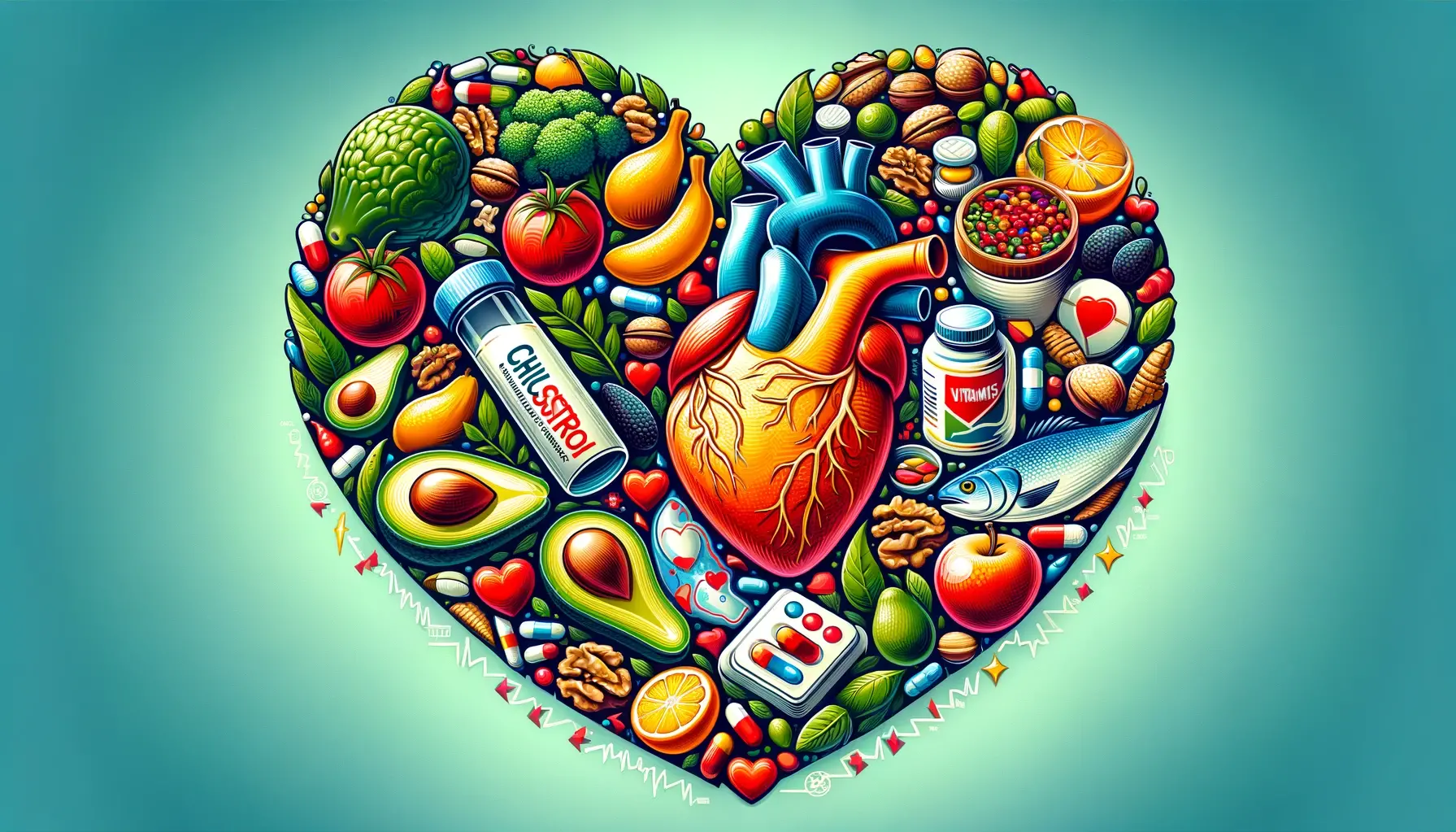
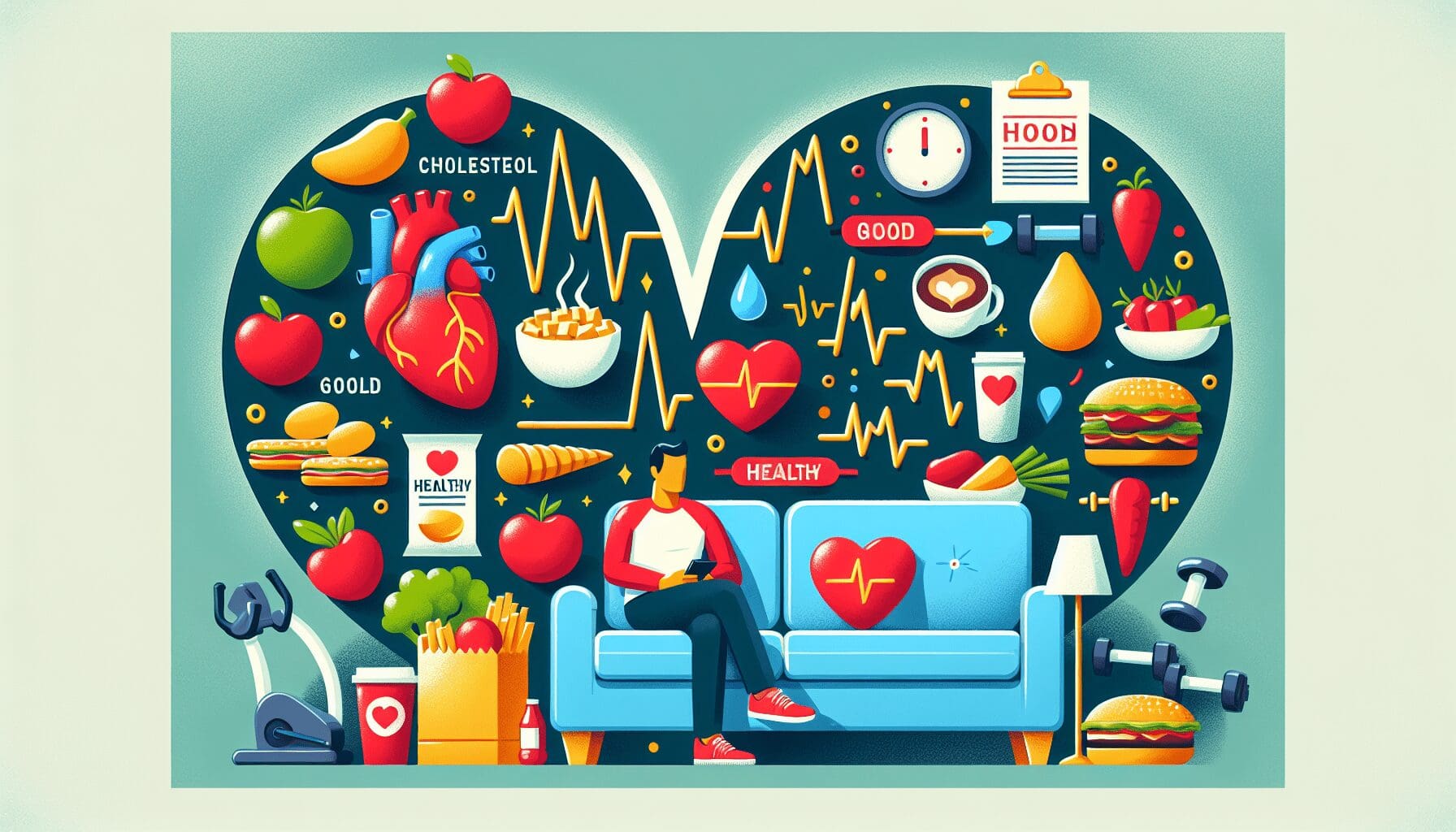
Cholesterol, a fatty substance found in your blood, plays a crucial role in your overall heart health. Although often associated with negative connotations, cholesterol is actually essential for the normal functioning of your body. However, when the levels of cholesterol in your blood become imbalanced, it can lead to serious health issues, particularly concerning your heart. In this article, we will explore the impact of cholesterol on heart health and understand the importance of maintaining healthy cholesterol levels to ensure the well-being of your cardiovascular system. So, let’s delve into the world of cholesterol and discover how it can significantly affect your heart health.
Understanding Cholesterol
What is cholesterol?
Cholesterol is a waxy substance that is found in every cell of your body. It is an essential component of cell membranes and is involved in the production of hormones, vitamin D, and bile acids. Although often vilified, cholesterol is actually necessary for the normal functioning of your body.
Types of cholesterol
There are two main types of cholesterol: low-density lipoprotein (LDL) and high-density lipoprotein (HDL). LDL cholesterol, often referred to as “bad” cholesterol, is responsible for transporting cholesterol from the liver to the cells. HDL cholesterol, on the other hand, is known as “good” cholesterol as it helps remove cholesterol from the bloodstream and transports it back to the liver for excretion.
Role of cholesterol in the body
Cholesterol plays a crucial role in maintaining the structural integrity of cell membranes and serving as a building block for important molecules in the body. It is also involved in the production of hormones such as estrogen, testosterone, and cortisol. Additionally, cholesterol is necessary for the synthesis of vitamin D, which is important for bone health, and bile acids, which aid in the digestion and absorption of dietary fats.
Link between Cholesterol and Heart Health
Atherosclerosis and arterial plaque buildup
Atherosclerosis is a condition characterized by the buildup of plaque in the arterial walls. This plaque is composed of cholesterol, fatty deposits, and other substances. When LDL cholesterol levels are elevated, excess LDL cholesterol can accumulate in the arterial walls, leading to the development of arterial plaque. Over time, this plaque can harden and narrow the arteries, restricting blood flow to the heart and increasing the risk of heart disease.
Cholesterol and blood vessel health
Maintaining the balance of LDL and HDL cholesterol is essential for healthy blood vessel function. High levels of LDL cholesterol can contribute to inflammation and oxidative stress, which can damage the blood vessels and impair their ability to dilate and constrict as needed. On the other hand, HDL cholesterol helps remove excess cholesterol from the blood vessels, promoting their health and flexibility.
Correlation with heart disease risk
Numerous studies have established a strong correlation between high LDL cholesterol levels and an increased risk of heart disease. Elevated levels of LDL cholesterol are associated with an increased likelihood of developing atherosclerosis, coronary artery disease, and eventually, heart attacks or strokes. Conversely, high levels of HDL cholesterol have been shown to have a protective effect on heart health and are associated with a lower risk of cardiovascular disease.
LDL Cholesterol (Bad Cholesterol)
Definition and function
LDL cholesterol is called “bad” cholesterol because it carries cholesterol from the liver to the cells, including the cells that line the arteries. The excessive accumulation of LDL cholesterol in the arterial walls can contribute to the formation of plaque, leading to arterial narrowing and increased heart disease risk.
Association with heart disease
High levels of LDL cholesterol are a major risk factor for heart disease. When LDL cholesterol combines with other substances in the blood, it can form plaques that clog the arteries and impede blood flow. These plaques can eventually rupture, leading to the formation of blood clots that can cause heart attacks or strokes.
Effects on blood vessel walls
Elevated levels of LDL cholesterol can lead to oxidative stress and inflammation within the blood vessel walls. This can damage the endothelium, the inner lining of the arteries, and initiate the formation of atherosclerotic plaques. Excess LDL cholesterol can also contribute to the growth of smooth muscle cells in the arterial walls, further increasing the risk of plaque formation and arterial blockage.
Risk factors for high LDL levels
Several factors can contribute to high LDL cholesterol levels. These include a diet rich in saturated and trans fats, sedentary lifestyle, obesity, smoking, and certain medical conditions such as diabetes and hypothyroidism. Additionally, genetics can play a role in the regulation of LDL cholesterol levels, with some individuals being genetically predisposed to higher levels.
HDL Cholesterol (Good Cholesterol)
Definition and function
HDL cholesterol is often referred to as “good” cholesterol because it carries cholesterol away from the blood vessels and transports it back to the liver for excretion. HDL cholesterol helps remove excess cholesterol from the bloodstream, reducing the risk of plaque formation and promoting heart health.
Protective effects on heart health
High levels of HDL cholesterol are associated with a decreased risk of heart disease. HDL cholesterol has several protective mechanisms that contribute to its beneficial effects. It helps remove cholesterol from the arterial walls, inhibits inflammation and oxidation, and promotes the functional integrity of blood vessels. Additionally, HDL cholesterol has been shown to have antioxidant and anti-inflammatory properties, further protecting against heart disease.
Mechanism of cholesterol removal
HDL cholesterol functions by picking up excess cholesterol from cells and tissues, including the arterial walls, and transporting it back to the liver for processing and elimination. This process, known as reverse cholesterol transport, helps maintain cholesterol homeostasis in the body and prevents the accumulation of cholesterol in the blood vessels.
Methods to raise HDL levels
While HDL cholesterol levels are influenced by both genetic and lifestyle factors, there are several strategies that can help raise HDL cholesterol levels naturally. Regular aerobic exercise, maintaining a healthy weight, consuming heart-healthy fats such as mono and polyunsaturated fats, quitting smoking, and moderate alcohol consumption are all associated with increased HDL cholesterol levels.

Triglycerides
Definition and role
Triglycerides are a type of fat found in the blood. They are the most common form of fat in the body and serve as a source of energy. Triglycerides are derived from the fats and oils we consume and are also synthesized in the liver.
Influence on heart health
Elevated levels of triglycerides are considered an independent risk factor for heart disease. High triglyceride levels have been shown to contribute to the development of atherosclerosis, increase the risk of coronary artery disease, and promote inflammation within the blood vessels.
Relation to cholesterol levels
Triglyceride levels are often associated with LDL and HDL cholesterol levels. In some cases, elevated triglyceride levels coincide with low levels of HDL cholesterol, further increasing the risk of heart disease. This combination of high triglycerides and low HDL cholesterol is sometimes referred to as atherogenic dyslipidemia.
Recommended triglyceride levels
The American Heart Association recommends that individuals aim for triglyceride levels below 150 milligrams per deciliter (mg/dL) to reduce the risk of heart disease. If triglyceride levels are higher than this, lifestyle modifications such as dietary changes and increased physical activity may be recommended to lower triglyceride levels.
Effects of High Cholesterol on the Heart
Formation of arterial plaque
High cholesterol levels, particularly elevated LDL cholesterol, can contribute to the formation of arterial plaque. When LDL cholesterol accumulates in the arterial walls and combines with other substances, it forms plaque that narrows the arteries and restricts the flow of oxygen-rich blood to the heart.
Narrowing and blockage of coronary arteries
As plaque builds up in the coronary arteries, the blood vessels that supply the heart muscle with oxygen and nutrients, it can gradually narrow the arteries. This narrowing, known as coronary artery stenosis, can reduce blood flow to the heart and increase the risk of developing angina (chest pain) or experiencing a heart attack.
Increased risk of heart attack and stroke
The buildup of plaque in the arteries significantly increases the risk of heart attacks and strokes. If the plaque ruptures, it can trigger the formation of blood clots, which can completely block the narrowed arteries and cut off blood supply to the heart muscle or brain. This can result in a heart attack or stroke, leading to potentially life-threatening consequences.
Impact on overall heart function
High cholesterol levels and the associated arterial plaque buildup can have a detrimental effect on overall heart function. The reduced blood flow to the heart muscle can lead to decreased oxygen supply, impairing its ability to pump efficiently. Over time, this can result in heart muscle damage and weaken the heart’s ability to effectively circulate blood throughout the body.

Causes and Risk Factors for High Cholesterol
Dietary factors
Consuming a diet high in saturated and trans fats can significantly raise LDL cholesterol levels. These unhealthy fats are commonly found in fatty cuts of meat, full-fat dairy products, fried foods, and commercially baked goods. Additionally, a diet rich in refined carbohydrates and added sugars can contribute to elevated triglyceride levels.
Genetic predisposition
Genetics can play a role in an individual’s cholesterol levels. Some people have genetic mutations that cause them to have naturally high LDL cholesterol levels, regardless of their diet or lifestyle. This genetic predisposition can significantly increase the risk of developing heart disease.
Obesity and lack of physical activity
Being overweight or obese and leading a sedentary lifestyle can negatively impact cholesterol levels. Excess body weight, particularly abdominal fat, is associated with higher LDL cholesterol and triglyceride levels, as well as lower HDL cholesterol levels. Lack of physical activity further compounds these effects, making it essential to maintain a healthy weight and engage in regular exercise.
Age and gender
Cholesterol levels naturally tend to rise with age. In women, cholesterol levels often increase after menopause, primarily due to changes in hormonal levels. Men generally have higher cholesterol levels than premenopausal women. These age and gender-related factors contribute to the increased risk of heart disease in older individuals.
Other health conditions
Certain medical conditions can increase the risk of high cholesterol. These include diabetes, hypothyroidism, kidney disease, and liver disease. These conditions can disrupt the normal metabolism and processing of cholesterol, leading to elevated levels in the bloodstream.
Diagnosing and Monitoring Cholesterol Levels
Cholesterol blood tests
Cholesterol levels can be measured through a simple blood test called a lipid panel. This test provides information about total cholesterol, LDL cholesterol, HDL cholesterol, and triglyceride levels. A healthcare professional can order this test and interpret the results to assess an individual’s cholesterol profile.
Ideal cholesterol ranges
The ideal cholesterol ranges may differ depending on an individual’s risk factors for heart disease. In general, desirable cholesterol levels include:
- Total cholesterol: Below 200 mg/dL
- LDL cholesterol: Below 100 mg/dL for individuals at low risk, below 70 mg/dL for those at very high risk or with existing heart disease
- HDL cholesterol: Above 40 mg/dL for men and above 50 mg/dL for women
- Triglycerides: Below 150 mg/dL
Frequency of testing
The frequency of cholesterol testing depends on an individual’s risk factors and overall health. For individuals without preexisting heart disease or significant risk factors, cholesterol levels may be checked every four to six years. However, for individuals with known risk factors or those on cholesterol-lowering medications, more frequent monitoring may be required.
Other risk factors to consider
In addition to cholesterol levels, other risk factors such as high blood pressure, smoking, diabetes, and family history of heart disease should be taken into account when assessing cardiovascular risk. These factors, in combination with cholesterol levels, help provide a comprehensive picture of an individual’s heart health status.

Prevention and Treatment of High Cholesterol
Lifestyle modifications
Adopting a heart-healthy lifestyle is one of the most effective ways to prevent and manage high cholesterol levels. This includes following a balanced diet that is low in saturated and trans fats, high in fruits, vegetables, whole grains, and lean proteins. Regular physical activity, maintaining a healthy weight, managing stress, and avoiding smoking are also crucial for maintaining optimal cholesterol levels.
Healthy diet and cholesterol-lowering foods
Incorporating specific cholesterol-lowering foods into the diet can help improve cholesterol profiles. Foods rich in soluble fiber, such as oats, barley, legumes, and fruits, can help reduce LDL cholesterol levels. Consuming healthy fats, including avocados, nuts, and olive oil, can help raise HDL cholesterol levels. Additionally, omega-3 fatty acids found in fatty fish like salmon and mackerel can have beneficial effects on triglyceride levels.
Physical activity
Regular physical activity has numerous benefits for heart health, including improving cholesterol levels. Engaging in aerobic exercises such as brisk walking, jogging, cycling, or swimming can help raise HDL cholesterol levels and improve overall cardiovascular function. It is recommended to aim for at least 150 minutes of moderate-intensity exercise or 75 minutes of vigorous-intensity exercise per week.
Smoking cessation
Smoking is a major risk factor for heart disease and negatively impacts cholesterol levels. Quitting smoking can have a profound positive effect on cardiovascular health, including improving cholesterol profiles. Support from healthcare professionals, nicotine replacement therapy, and behavior modification techniques can all help individuals successfully quit smoking.
Medications and cholesterol-lowering drugs
For individuals with significantly elevated cholesterol levels or those with existing heart disease, medication may be necessary to effectively manage cholesterol levels. Statins are the most commonly prescribed medications for high cholesterol and work by reducing the production of cholesterol in the liver. Other medications such as bile acid sequestrants, cholesterol absorption inhibitors, and PCSK9 inhibitors may be used in specific situations.
Conclusion
Understanding the impact of cholesterol on heart health is crucial for taking proactive steps in prevention and management. Cholesterol plays a vital role in the body but can pose risks when levels become imbalanced. By adopting a heart-healthy lifestyle, monitoring cholesterol levels regularly, and seeking guidance from healthcare professionals, you can take control of your cholesterol and optimize your heart health. Remember, it’s never too early or too late to start prioritizing your heart health and making positive changes for a healthier future.