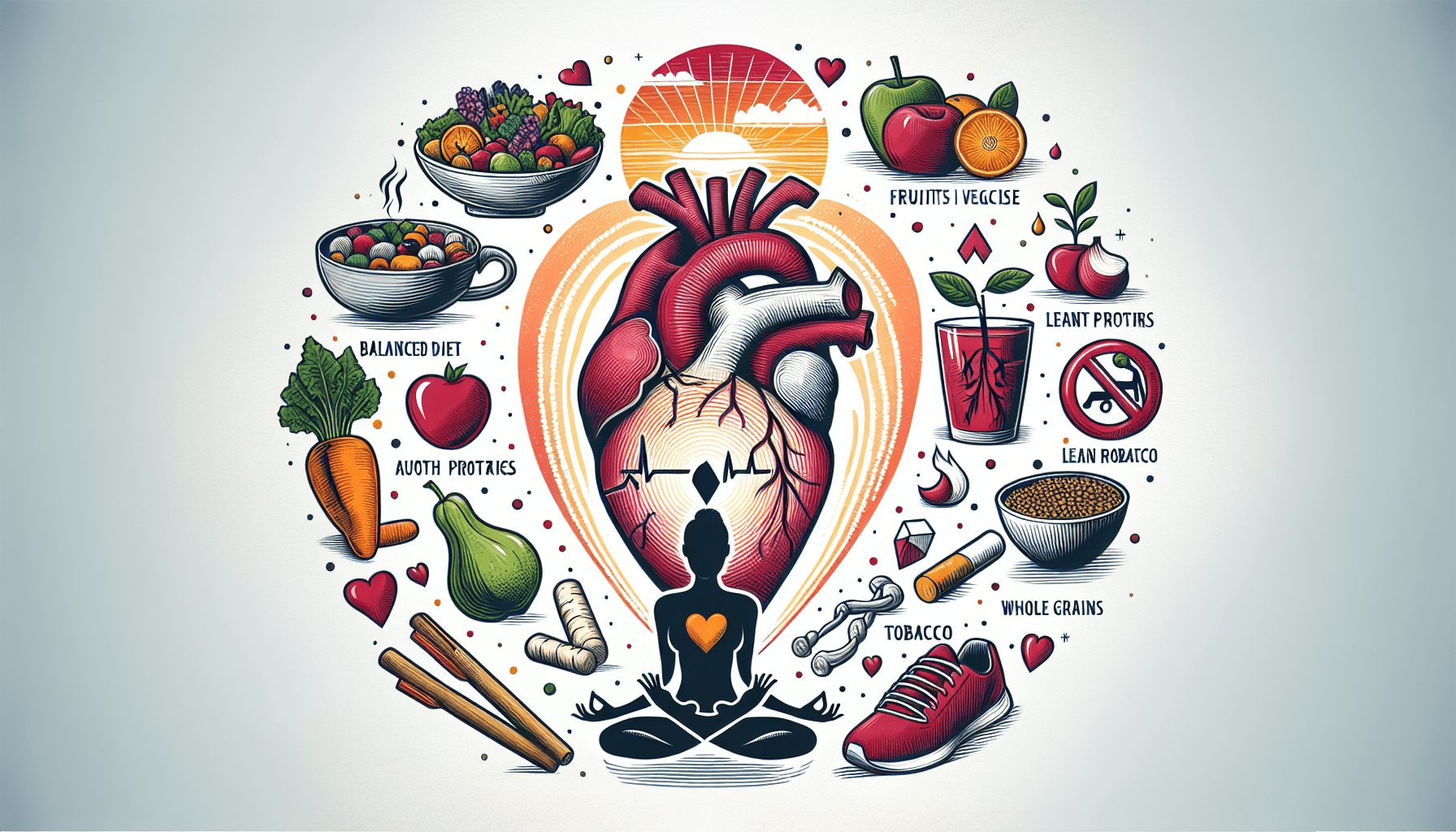
You may already know that heart disease is the leading cause of death worldwide, so taking preventative measures is crucial. In this article, you’ll discover some of the best ways to keep your ticker ticking happily for years to come. From maintaining a healthy diet and staying physically active to managing stress and getting enough sleep, we’ll explore practical tips and lifestyle changes that can significantly reduce your risk of heart disease. So, let’s dive right into these empowering strategies and start taking care of your heart today!
Maintain a Healthy Diet
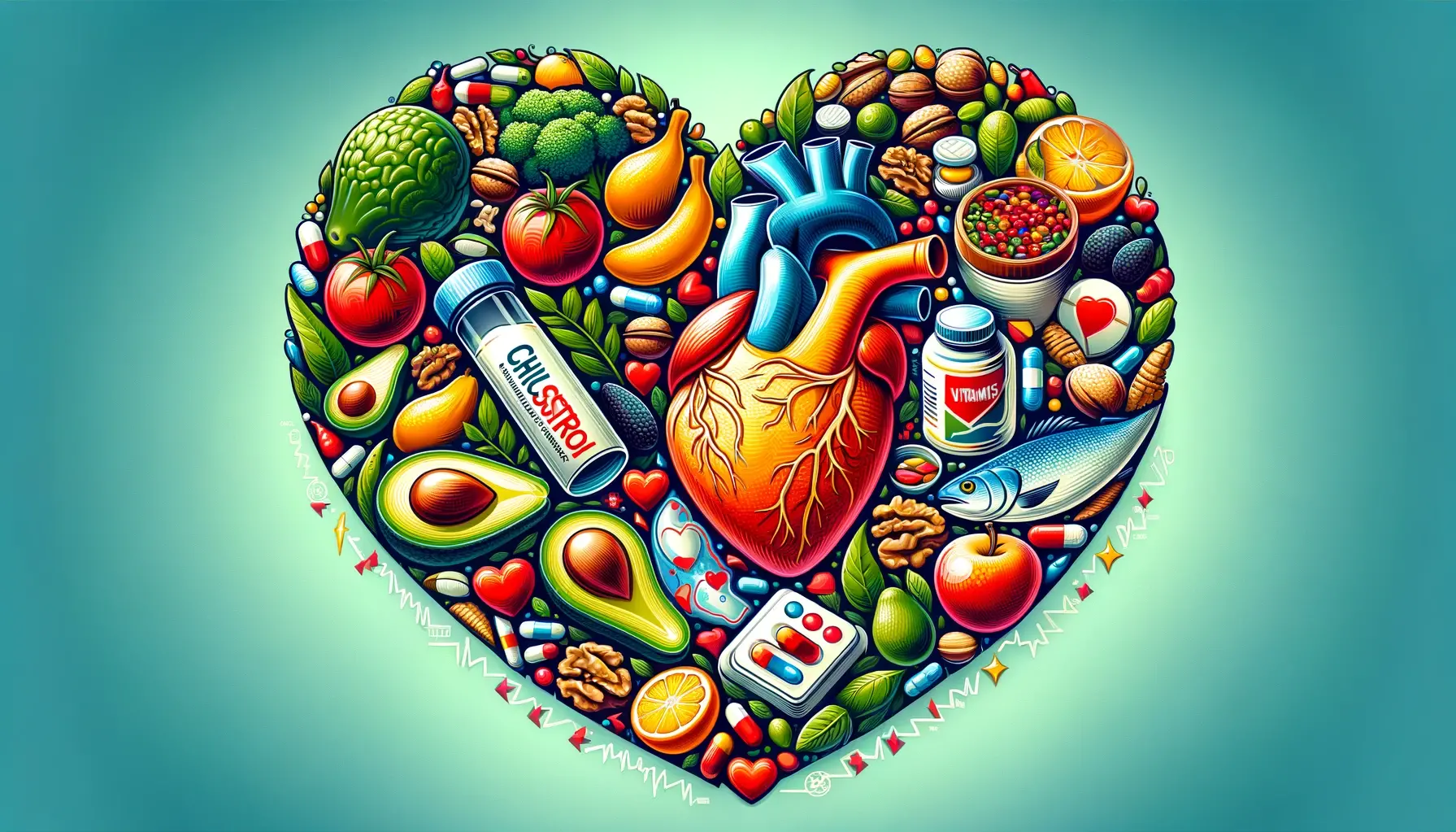
Eating a healthy diet is one of the best ways to prevent heart disease. By choosing a variety of nutrient-rich foods, you can ensure that your body gets the essential vitamins, minerals, and antioxidants it needs to thrive. Incorporating colorful fruits and vegetables, whole grains, lean proteins, and low-fat dairy products into your meals will provide your body with a diverse range of nutrients.
In addition to focusing on nutrient-rich foods, it’s important to limit your intake of saturated and trans fats. These fats can raise your cholesterol levels and increase your risk of heart disease. Opt for healthier fats found in foods like avocados, nuts, and olive oil instead.
Another aspect of maintaining a healthy diet is to limit your sodium intake. High sodium diets can contribute to high blood pressure, a major risk factor for heart disease. Be mindful of the amount of salt you consume and opt for low-sodium alternatives whenever possible.
Increasing your fiber intake is also important for promoting heart health. Fiber helps to lower cholesterol levels and regulate blood sugar levels. You can increase your fiber intake by incorporating foods like whole grains, legumes, fruits, and vegetables into your diet. These foods not only provide essential nutrients but also keep you feeling fuller for longer, helping with weight management.
Lastly, reducing your consumption of sugary foods and drinks is crucial for maintaining a healthy diet. Excessive sugar intake can lead to weight gain, diabetes, and an increased risk of heart disease. Opt for healthier alternatives like water, unsweetened tea, or fruit-infused drinks to satisfy your thirst and limit your sugar intake.
Exercise Regularly
Regular exercise is vital for a healthy heart. Engaging in aerobic exercises, such as brisk walking, jogging, swimming, or cycling, can improve cardiovascular health and reduce the risk of heart disease. Aim for at least 150 minutes of moderate-intensity aerobic exercise or 75 minutes of vigorous-intensity aerobic exercise per week.
Incorporating strength training into your exercise routine is also essential. Strength training exercises, such as lifting weights or using resistance bands, help build muscle mass and increase your metabolism, leading to improved overall fitness and heart health. Aim to include strength training exercises at least two times per week, targeting different muscle groups each time.
It’s important to be physically active throughout the day, not just during dedicated exercise sessions. Simple activities like taking the stairs instead of the elevator, parking farther away from your destination and walking, or taking regular breaks from sitting to stretch or move around can make a significant difference in your overall health.
Manage Weight
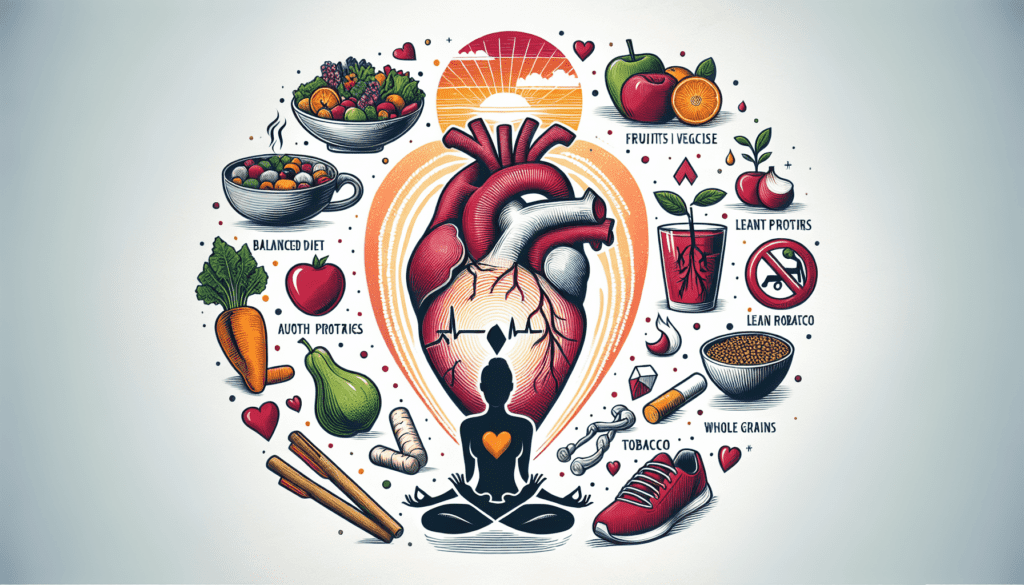
Maintaining a healthy weight is an integral part of preventing heart disease. Excess weight, especially around the abdomen, puts strain on the heart and increases the risk of high blood pressure, high cholesterol, and diabetes. To achieve and maintain a healthy weight, it’s important to monitor calorie intake and portion sizes.
By keeping track of the number of calories you consume and ensuring that you’re not exceeding your daily caloric needs, you can maintain a healthy weight or work towards weight loss if necessary. Pay attention to portion sizes and try to avoid overeating. Using smaller plates and bowls, focusing on nutrient-dense foods, and practicing mindful eating can help control portion sizes.
It’s important to note that crash diets or extreme calorie restriction are not effective or healthy ways to manage weight. They can lead to nutrient deficiencies, muscle loss, and a slowdown in metabolism. Instead, focus on making gradual and sustainable changes to your eating habits and incorporate regular exercise to achieve long-term weight management.
Quit Smoking
Smoking is a major risk factor for heart disease, and quitting smoking is one of the best things you can do for your heart health. Seek assistance from healthcare professionals who can provide support and guidance throughout the quitting process. They can recommend various methods such as nicotine replacement therapy (NRT), prescription medications, or counseling to help you quit successfully.
Joining support groups or seeking counseling can provide you with a community and resources to help you stay motivated and overcome the challenges of quitting smoking. Remember, quitting smoking is a journey, and it’s normal to face setbacks along the way. Don’t hesitate to reach out for help when you need it.
Nicotine replacement therapy (NRT) can also be beneficial in reducing withdrawal symptoms and increasing your chances of successfully quitting. NRT products, such as nicotine patches, gum, sprays, or inhalers, deliver controlled amounts of nicotine to help you gradually wean off cigarettes.
Limit Alcohol Consumption
While moderate alcohol consumption can have some health benefits, excessive or binge drinking can significantly increase the risk of heart disease. To protect your heart, it’s essential to follow recommended guidelines for moderate drinking. This means limiting alcohol intake to one drink per day for women and up to two drinks per day for men.
It’s important to be aware of what constitutes a standard drink. In the United States, a standard drink contains about 14 grams of pure alcohol, which is equivalent to 5 ounces of wine, 12 ounces of beer, or 1.5 ounces of distilled spirits. By understanding and sticking to these guidelines, you can enjoy alcohol in moderation while minimizing the risks associated with excessive consumption.
Avoiding binge drinking is also crucial for heart health. Binge drinking, defined as consuming a large amount of alcohol in a short period, can lead to high blood pressure, irregular heart rhythms, and other cardiovascular complications. If you find it difficult to limit your alcohol consumption, consider alcohol alternatives such as mocktails or non-alcoholic beverages to still enjoy social occasions without the negative effects on your heart.
Manage Stress
Stress plays a significant role in heart health, and managing stress effectively is crucial for preventing heart disease. Chronic stress can lead to unhealthy coping mechanisms like overeating, excessive alcohol consumption, or smoking, all of which increase the risk of heart disease.
To manage stress, it’s important to practice relaxation techniques regularly. Deep breathing exercises, yoga, meditation, or tai chi can help reduce stress levels and promote a sense of calm and well-being. Find activities that you enjoy and that help you relax, whether it’s reading a book, taking a bath, spending time in nature, or listening to music. Prioritize self-care and make time for activities that nourish your mind, body, and soul.
Engaging in hobbies and activities you enjoy is another effective way to manage stress. It allows you to take a break from daily responsibilities and find a sense of fulfillment and joy. Find activities that ignite your passion, whether it’s painting, gardening, playing a musical instrument, or playing sports. Having something to look forward to and express yourself creatively can have a profound positive impact on your overall well-being.
Prioritizing self-care is essential for managing stress and maintaining good mental health. This includes getting enough rest, setting boundaries, and seeking support when needed. Make sure to prioritize activities that bring you joy, connect with loved ones, and ask for help when necessary. Taking care of your mental well-being is just as important as taking care of your physical health.
Get Quality Sleep
Getting enough quality sleep is crucial for overall health and heart health. During sleep, the body repairs and rejuvenates itself, and lack of sleep can contribute to an increased risk of heart disease. To ensure you get quality sleep, it’s important to maintain a consistent sleep schedule.
Try to go to bed and wake up at the same time each day, even on weekends. This helps regulate your body’s internal clock and promotes better sleep. Create a conducive sleep environment by keeping your bedroom cool, dark, and quiet. Invest in a comfortable mattress and pillows to ensure optimal comfort.
Avoid stimulants before bed, such as caffeine, nicotine, and even bright screens like those from smartphones, tablets, or computers. These can interfere with your ability to fall asleep and the quality of your sleep. Instead, establish a nighttime routine that promotes relaxation, such as reading a book, taking a warm bath, or practicing relaxation exercises like deep breathing or gentle stretching.
If you have difficulty falling asleep or staying asleep, or if you suspect you may have a sleep disorder like sleep apnea, it’s important to speak with a healthcare professional. They can help diagnose and treat any underlying sleep issues to ensure you get the quality sleep your body needs.
Control Blood Pressure
High blood pressure, also known as hypertension, is a major risk factor for heart disease. It’s important to monitor your blood pressure regularly to identify any potential issues early on. You can do this at home with a blood pressure monitor or at your healthcare provider’s office.
In addition to regular blood pressure monitoring, it’s crucial to follow a low-sodium diet. High sodium intake can contribute to elevated blood pressure levels. Be mindful of your sodium intake and try to avoid or limit processed foods, fast food, and adding excessive salt to your meals. Instead, opt for fresh, whole foods that are naturally low in sodium.
If lifestyle modifications alone are not sufficient to control blood pressure, your healthcare provider may prescribe medication to help manage it. It’s essential to take any prescribed medications as directed and keep regular follow-up appointments. By effectively managing blood pressure, you can significantly reduce the risk of heart disease.
Manage Cholesterol Levels
High cholesterol levels, particularly high levels of low-density lipoprotein (LDL) cholesterol, can contribute to the development of heart disease. To manage cholesterol levels, it’s important to consume heart-healthy fats. These include mono- and polyunsaturated fats found in foods like nuts, seeds, avocados, and olive oil.
On the other hand, it’s important to reduce the intake of dietary cholesterol, which is found in animal products like meat, eggs, and full-fat dairy. Limiting saturated and trans fats, which can raise LDL cholesterol levels, is also important for managing cholesterol levels. Opt for lean proteins, low-fat dairy products, and healthier cooking methods like grilling, baking, or steaming.
If lifestyle modifications alone are not sufficient to manage cholesterol levels, your healthcare provider may recommend medication, such as statins, to help lower LDL cholesterol. It’s important to discuss the benefits and potential side effects with your healthcare provider and comply with the prescribed treatment plan for optimal cholesterol management.
Control Diabetes
Diabetes is a significant risk factor for heart disease, and managing diabetes effectively plays a crucial role in preventing heart disease. If you have diabetes, it’s important to follow a diabetes management plan prescribed by your healthcare provider. This may include monitoring blood sugar levels, taking medication or insulin as directed, and following a healthy diet and exercise regimen.
Monitoring blood sugar levels regularly helps ensure that your blood sugar levels are within the target range. It allows you to adjust your medication, diet, and activity level accordingly to maintain optimal blood sugar control. Regular check-ups with your healthcare provider are essential to monitor and manage diabetes effectively.
Following a healthy diet is particularly important for individuals with diabetes. A diet rich in whole foods, low in added sugars, and balanced in carbohydrates, proteins, and fats can help regulate blood sugar levels and prevent complications. Regular exercise, such as aerobic activities and strength training, can also improve insulin sensitivity and overall glycemic control.
In conclusion, preventing heart disease involves a holistic approach that encompasses various aspects of lifestyle and healthcare management. By maintaining a healthy diet, exercising regularly, managing weight, quitting smoking, limiting alcohol consumption, managing stress, getting quality sleep, controlling blood pressure, managing cholesterol levels, and controlling diabetes, you can significantly reduce your risk of developing heart disease. It’s important to remember that these changes take time, and every step towards a healthier lifestyle is a step towards a healthier heart.