
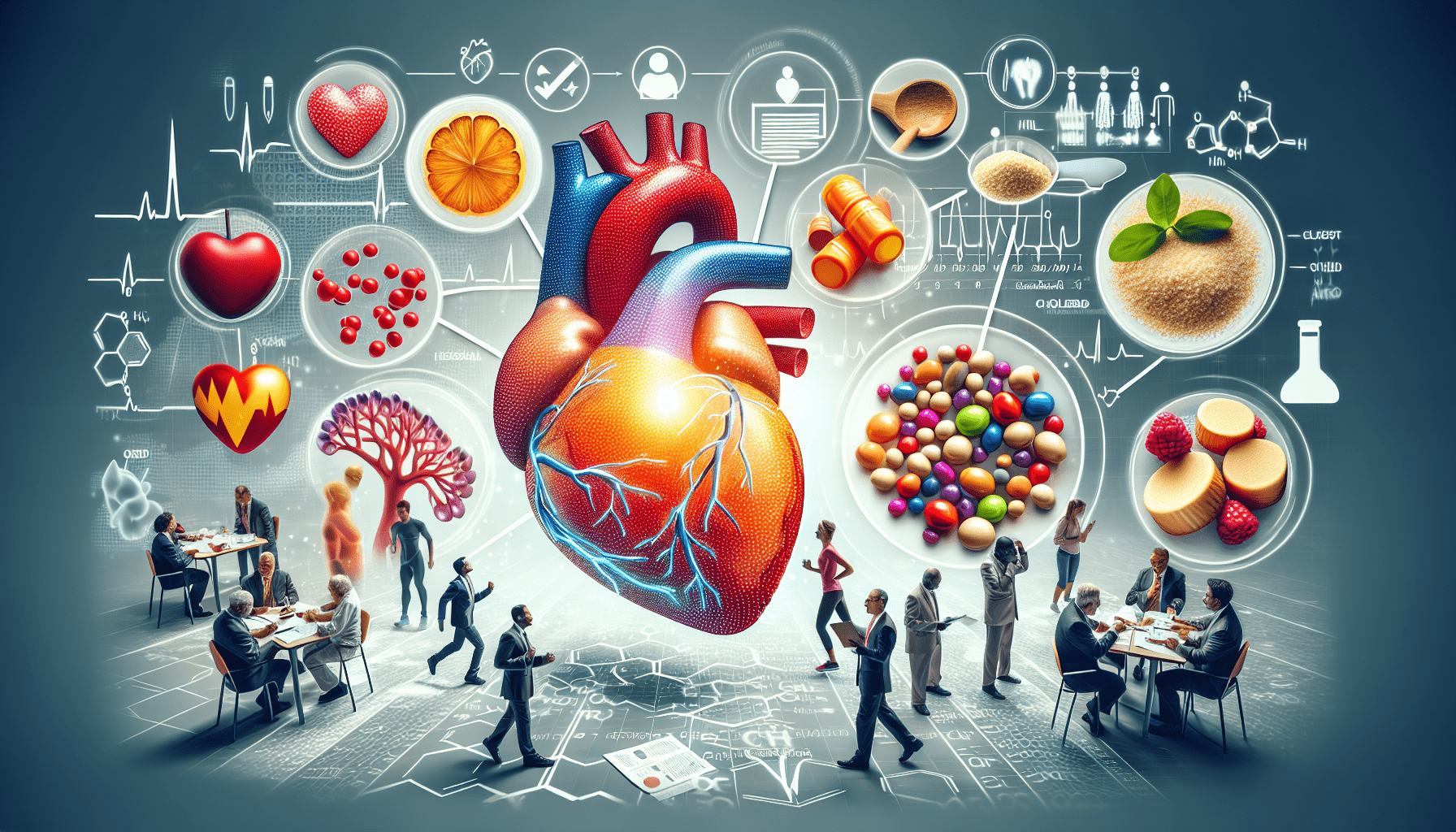
Did you know that being educated about cholesterol and increasing your awareness about it can significantly improve your heart health? In this article, we will explore the benefits of cholesterol education and awareness, and how it can help you make informed choices to protect your heart. By understanding the importance of cholesterol levels, you can take proactive steps towards maintaining a healthy heart and preventing potential risks. Let’s dive into the world of cholesterol education and discover why it is crucial for your overall well-being.
Understanding Cholesterol
What is Cholesterol?
Cholesterol is a waxy substance that is found in the cells of our bodies. It plays a vital role in the production of hormones, vitamin D, and digestive juices. While our bodies naturally produce cholesterol, it can also be acquired through certain foods we consume. Cholesterol is transported throughout the body through lipoproteins, which are made up of proteins and fats.
Types of Cholesterol
There are two main types of cholesterol: low-density lipoprotein (LDL) cholesterol and high-density lipoprotein (HDL) cholesterol. LDL cholesterol is often referred to as “bad” cholesterol because high levels of it can lead to a buildup of plaque in the arteries, increasing the risk of heart disease. HDL cholesterol, on the other hand, is known as “good” cholesterol as it helps remove LDL cholesterol from the bloodstream, reducing the risk of heart disease.
Cholesterol and Heart Health
Maintaining healthy cholesterol levels is crucial for heart health. When there is an imbalance between LDL and HDL cholesterol, the excess LDL cholesterol can accumulate in the arterial walls, forming plaque deposits that restrict blood flow. Over time, this can lead to the development of heart disease, including conditions such as coronary artery disease, heart attacks, and strokes. Understanding cholesterol and its impact on heart health is essential for taking proactive measures to prevent and manage these conditions effectively.
Importance of Cholesterol Education
Prevention of Heart Disease
One of the primary benefits of cholesterol education is the prevention of heart disease. By understanding the role of cholesterol in the development of heart disease, individuals can make informed choices about their lifestyle habits, such as diet and exercise, to keep their cholesterol levels in check. Education empowers individuals to take control of their health and adopt preventive measures that can significantly reduce the risk of heart disease.
Identification of Risk Factors
Cholesterol education helps individuals identify risk factors that may contribute to high cholesterol levels and heart disease. Genetic factors, poor dietary habits, sedentary lifestyles, obesity, and certain medical conditions can all increase the risk of high cholesterol. By being aware of these risk factors, individuals can make targeted efforts to address them and seek appropriate medical intervention if necessary.
Empowerment for Lifestyle Changes
Education about cholesterol provides individuals with the knowledge and tools to make positive lifestyle changes. By understanding how dietary choices, physical activity, and other lifestyle factors affect cholesterol levels, individuals can make informed decisions to improve their heart health. Armed with this knowledge, individuals can incorporate heart-healthy habits into their daily lives, such as consuming a balanced diet, engaging in regular exercise, and managing stress effectively.
Increasing Awareness about Cholesterol
Education Campaigns
Education campaigns play a vital role in increasing awareness about cholesterol and its impact on heart health. These campaigns aim to educate the general public about the importance of cholesterol testing, understanding cholesterol levels, and making healthy lifestyle choices. By disseminating accurate and accessible information through various media platforms, education campaigns strive to reach individuals of all ages and backgrounds, ensuring that everyone has the knowledge needed to make informed decisions about their heart health.
Access to Information
Increasing awareness about cholesterol also involves ensuring that accurate and reliable information about cholesterol and heart health is readily available to everyone. This includes providing educational resources in healthcare settings, schools, workplaces, and online platforms. By making information easily accessible, individuals can actively seek out information and learn about cholesterol management strategies, ultimately promoting better heart health outcomes.
Promotion of Healthy Habits
In addition to providing information, increasing awareness about cholesterol involves promoting and encouraging healthy habits. This includes raising awareness about the importance of consuming a balanced diet rich in fruits, vegetables, whole grains, and lean proteins. Encouraging regular physical activity helps individuals maintain a healthy weight, lower LDL cholesterol levels, and improve overall cardiovascular health. By highlighting the benefits of healthy habits, individuals are more likely to make positive lifestyle changes to maintain their heart health.
Early Detection and Treatment
Screening and Testing
Early detection of high cholesterol levels is crucial for effective management and prevention of heart disease. Screening and testing for cholesterol levels allow individuals to identify potential risks early on, enabling them to take appropriate action. Regular cholesterol screenings, conducted by healthcare professionals, can help detect any abnormalities and initiate timely interventions to prevent further complications.
Role of Medical Professionals
Medical professionals play a vital role in providing education, guidance, and treatment options related to cholesterol management. They can help individuals understand their cholesterol test results, interpret their risk factors, and develop personalized plans to lower cholesterol levels. Medical professionals also provide ongoing support, monitoring, and adjustments to treatment plans as necessary, ensuring that individuals receive optimal care for their heart health.
Managing Cholesterol Levels
Early detection of high cholesterol levels through testing allows individuals to manage their cholesterol effectively. Lifestyle modifications, such as adopting a heart-healthy diet and increasing physical activity, are often the first line of treatment for managing cholesterol levels. In some cases, medication may be prescribed to help lower LDL cholesterol levels and reduce the risk of heart disease. By actively managing cholesterol levels, individuals can significantly reduce their risk of heart disease and improve their overall heart health.
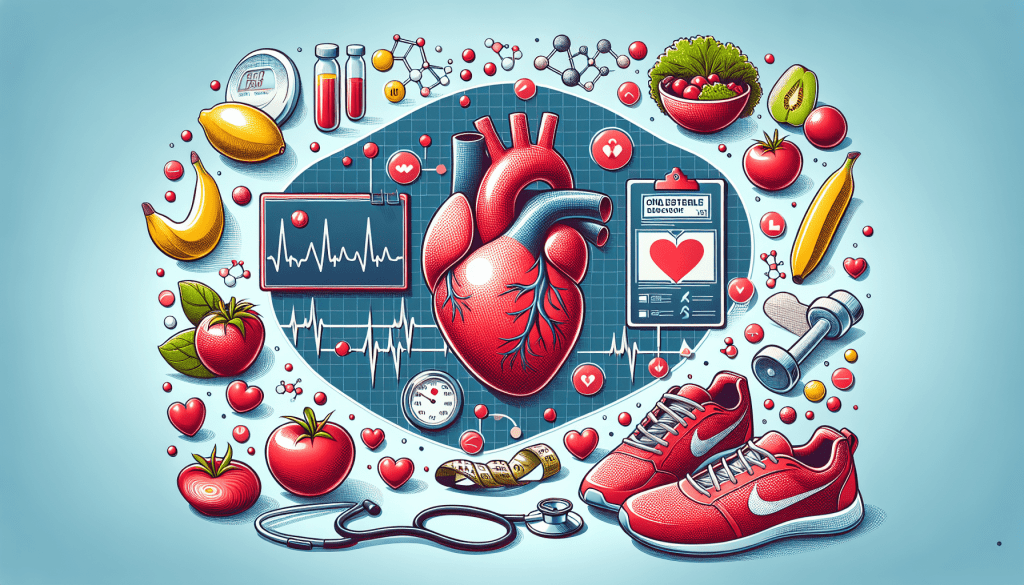
Prevention of Heart Disease
Understanding Heart Disease
Understanding heart disease is crucial for its prevention. Educating individuals about the causes, risk factors, and warning signs of heart disease empowers them to take proactive measures to reduce their risk. By raising awareness about the importance of healthy lifestyle habits, regular cardiovascular screenings, and early intervention, individuals can significantly lower their chances of developing heart disease and its associated complications.
Modifying Lifestyle Factors
Certain lifestyle factors can increase the risk of heart disease, including high cholesterol levels. By modifying these factors, individuals can effectively prevent heart disease. Making dietary changes, such as reducing saturated fats and cholesterol intake, and increasing fiber-rich foods can help maintain healthy cholesterol levels. Other lifestyle modifications, such as quitting smoking and limiting alcohol consumption, also contribute to heart health. By recognizing the impact of lifestyle choices on heart disease risk, individuals can make positive changes to protect their cardiovascular health.
Implementing Preventive Measures
Preventing heart disease requires the implementation of preventive measures at both the individual and community levels. Encouraging routine cardiovascular screenings, promoting healthy lifestyle habits, and providing access to cholesterol-lowering medications are essential steps in preventing heart disease. Implementing preventative measures also involves creating supportive environments that facilitate healthy choices, such as offering workplace wellness programs and prioritizing heart health in policy and planning decisions.
Reducing Risk Factors
Dietary Changes
One of the most effective ways to reduce cholesterol levels and lower the risk of heart disease is through dietary changes. Adopting a heart-healthy diet that focuses on whole, unprocessed foods can help regulate cholesterol levels. This includes limiting the intake of saturated and trans fats, cholesterol-rich foods, and added sugars, while increasing the consumption of fruits, vegetables, whole grains, lean proteins, and healthy fats. By making these dietary changes, individuals can significantly reduce their risk of high cholesterol and heart disease.
Regular Physical Activity
Engaging in regular physical activity is another crucial factor in reducing the risk of heart disease. Physical activity helps maintain a healthy weight, improves cardiovascular fitness, and lowers LDL cholesterol levels. Aim for at least 150 minutes of moderate-intensity aerobic exercise or 75 minutes of vigorous exercise per week, along with muscle-strengthening activities. Incorporating physical activity into your daily routine can have a significant impact on reducing the risk of heart disease.
Controlling Other Health Conditions
Managing underlying health conditions such as diabetes, high blood pressure, and obesity is essential in reducing the risk of heart disease. These conditions can contribute to high cholesterol levels and increase the likelihood of heart-related complications. By effectively managing these health conditions through regular medical care, medication, and lifestyle modifications, individuals can lower their risk of heart disease and maintain better overall heart health.
Improving Heart-Healthy Habits
Promotion of Balanced Diet
Promoting a balanced diet is crucial for improving heart-healthy habits. Encouraging individuals to consume a variety of nutrient-rich foods, limit processed and high-sodium foods, and practice portion control can greatly impact heart health. Providing educational resources, cooking demonstrations, and access to nutritious foods can empower individuals to make healthier food choices, leading to better heart health outcomes.
Encouraging Exercise
Regular exercise is a key component of heart-healthy habits. Encouraging individuals to engage in regular physical activity, such as walking, jogging, swimming, or cycling, can improve cardiovascular fitness and reduce the risk of heart disease. Fitness programs, community sports activities, and workplace wellness initiatives can all help promote regular exercise and create a supportive environment for individuals to incorporate physical activity into their daily lives.
Stress Management Techniques
Stress can contribute to various risk factors for heart disease, including high cholesterol levels. Promoting stress management techniques, such as mindfulness, meditation, yoga, and relaxation exercises, can help individuals reduce stress and improve heart health. Providing resources and support to individuals to manage stress effectively can contribute to better heart-healthy habits and overall well-being.
Supporting Heart Health Research
Funding Research Programs
Continued investment and funding in heart health research programs are essential for advancing our understanding of cholesterol and heart disease. Funding research initiatives supports the development of new treatments, strategies for prevention, and the discovery of innovative approaches to improve heart health outcomes. By supporting research programs, individuals and organizations contribute to the collective effort of combating heart disease and promoting better cardiovascular health for all.
Advancing Medical Knowledge
Heart health research plays a crucial role in advancing medical knowledge and improving patient care. Research studies help us better understand the impact of cholesterol on heart health, identify effective treatments, and explore new avenues for prevention. By expanding medical knowledge through research, medical professionals are better equipped to provide accurate and evidence-based care to individuals with high cholesterol and heart disease.
Developing Innovative Treatments
Heart health research also drives the development of innovative treatments for managing and preventing heart disease. From new cholesterol-lowering medications to innovative surgical techniques, research plays a vital role in advancing treatment options. By supporting research efforts, individuals and organizations contribute to the development of new treatments that can improve the lives of individuals with high cholesterol and reduce the burden of heart disease worldwide.
Educating Vulnerable Populations
Cholesterol Education in Schools
Educating vulnerable populations, including children and adolescents, about cholesterol and heart health is crucial for early intervention and prevention. Integrating cholesterol education into school curricula promotes awareness and empowers young individuals to make healthy lifestyle choices from an early age. By providing age-appropriate education and resources, schools play a significant role in equipping future generations with the knowledge and skills to prioritize their heart health.
Targeted Outreach Initiatives
Targeted outreach initiatives are essential for reaching populations at higher risk for heart disease due to socio-economic disparities, cultural barriers, or limited access to healthcare resources. These initiatives can include community-based education programs, health fairs, and partnerships with local organizations. By tailoring educational efforts to meet the specific needs of these populations, targeted outreach initiatives contribute to reducing disparities in heart health outcomes.
Reducing Disparities in Healthcare
Heart health education must address and reduce disparities in healthcare to ensure equitable access to information, services, and resources. By identifying and addressing barriers such as language barriers, limited health literacy, and lack of access to healthcare facilities, efforts can be made to ensure that everyone has an equal opportunity to learn about cholesterol, understand their risks, and receive appropriate care. By reducing disparities in healthcare, we can work towards improving heart health outcomes for all individuals, regardless of their socio-economic status or background.
Collaborative Efforts for Heart Health
Public-Private Partnerships
Collaboration between public and private sectors is essential for developing comprehensive approaches to promote heart health and cholesterol education. Public-private partnerships can foster the sharing of resources, expertise, and funding needed to implement effective educational campaigns, outreach initiatives, and research programs. By joining forces, these partnerships can have a greater impact in raising awareness, improving access to information, and advocating for heart health on a broader scale.
Sharing Best Practices
Sharing best practices is vital in achieving widespread impact and ensuring the highest quality of heart health education and care. By sharing successful initiatives, strategies, and interventions, organizations, healthcare professionals, and community leaders can learn from one another and replicate effective approaches. Collaborating and sharing best practices can drive continuous improvement in cholesterol education efforts, leading to better heart health outcomes for individuals and communities.
Global Heart Health Initiatives
Heart disease is a global health concern that requires collaborative efforts on an international scale. Global heart health initiatives can promote knowledge exchange, foster research collaborations, and advocate for policies that support cholesterol education and prevention of heart disease. By working together across borders, we can address the shared challenges of high cholesterol and heart disease, ultimately improving heart health outcomes for individuals around the world.
In conclusion, cholesterol education and awareness play a significant role in promoting heart health and preventing heart disease. By understanding cholesterol, identifying risk factors, and adopting healthy lifestyle habits, individuals can take proactive steps to manage their cholesterol levels and reduce their risk of heart-related complications. Education campaigns, access to information, and promotion of healthy habits are crucial in increasing awareness about cholesterol. Early detection through screening, the role of medical professionals, and effective management are essential for maintaining optimal cholesterol levels. By focusing on prevention, reducing risk factors, and supporting heart-healthy habits, individuals can improve their overall heart health. Supporting heart health research, educating vulnerable populations, and fostering collaborative efforts are key in driving progress towards better heart health outcomes. Together, we can empower individuals, improve education, and create a world where heart disease is minimized and heart health thrives.