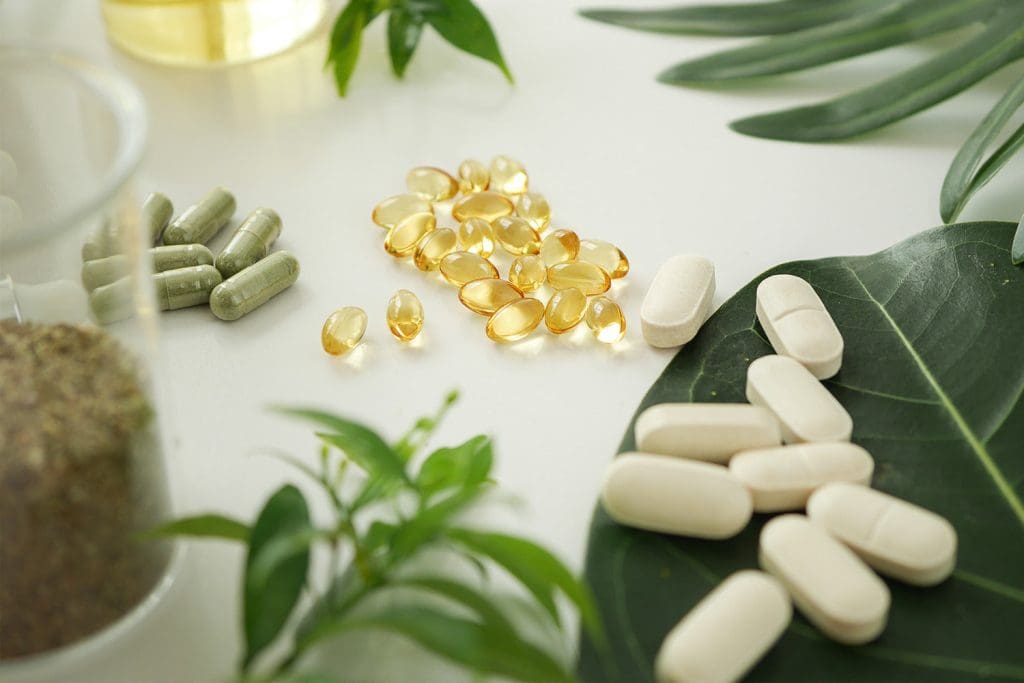
Are you looking for effective ways to manage your cholesterol levels? Look no further than this comprehensive guide, which focuses on the benefits and strategies of using vitamin supplements for cholesterol management. From essential vitamins that promote healthy cholesterol levels to tips on incorporating them into your daily routine, this guide provides valuable information to help you take charge of your cardiovascular health. With the help of this guide, you can learn how to use vitamin supplements as a part of a well-rounded approach to maintaining healthy cholesterol levels.
Understanding Cholesterol
What is cholesterol?
Cholesterol is a waxy, fat-like substance that is found in every cell of your body. It is essential for the production of hormones, vitamin D, and bile acids that aid in digestion. However, having too much cholesterol can be harmful to your health, as it can build up in your arteries and increase your risk of heart disease.
Types of cholesterol
There are two main types of cholesterol: low-density lipoprotein (LDL) and high-density lipoprotein (HDL). LDL cholesterol is often referred to as “bad” cholesterol because it can contribute to the formation of plaques in the arteries. On the other hand, HDL cholesterol is known as “good” cholesterol because it helps remove LDL cholesterol from the bloodstream.
The role of cholesterol in the body
Cholesterol plays a vital role in the body by serving as a building block for cell membranes and the production of hormones. It is also necessary for the conversion of sunlight into vitamin D, which is essential for maintaining healthy bones. However, when there is an excess amount of cholesterol in the body, it can accumulate in the arteries and lead to the development of atherosclerosis, a condition where the arteries become narrowed and hardened.
Vitamin Supplements for Cholesterol Management
Can vitamin supplements help with cholesterol?
While vitamin supplements alone cannot significantly lower cholesterol levels, certain vitamins may have a positive impact on cholesterol management when combined with a healthy lifestyle and a well-balanced diet. It is important to note that vitamin supplements should not replace prescribed medications or lifestyle changes recommended by healthcare professionals.
Types of vitamin supplements for cholesterol management
Several vitamins and supplements have been studied for their potential effects on cholesterol levels. Some of the most commonly researched options include:
-
Omega-3 fatty acids: These essential fatty acids, found in fish oil supplements, may help lower triglyceride levels and reduce the risk of heart disease.
-
Niacin (Vitamin B3): Niacin has been shown to raise HDL cholesterol levels and lower LDL cholesterol and triglyceride levels.
-
Plant sterols and stanols: These naturally occurring compounds, found in certain fruits, vegetables, and nuts, can block the absorption of cholesterol in the intestines.
-
Soluble fiber supplements: Supplements such as psyllium husk can help lower LDL cholesterol levels by binding to cholesterol and promoting its excretion from the body.

Choosing the Right Vitamin Supplements
Consulting with a healthcare professional
Before starting any new vitamin supplement regimen, it is important to consult with a healthcare professional. They can assess your individual health needs, current medications, and potential interactions with supplements. A healthcare professional can also provide guidance on the appropriate dosage and help monitor your cholesterol levels.
Reading product labels
When selecting vitamin supplements for cholesterol management, carefully read the product labels to ensure that they contain the specific vitamins and dosages recommended by healthcare professionals. Look for third-party certifications, such as the United States Pharmacopeia (USP) seal, which indicates that the product has met specific quality standards.
Researching potential interactions
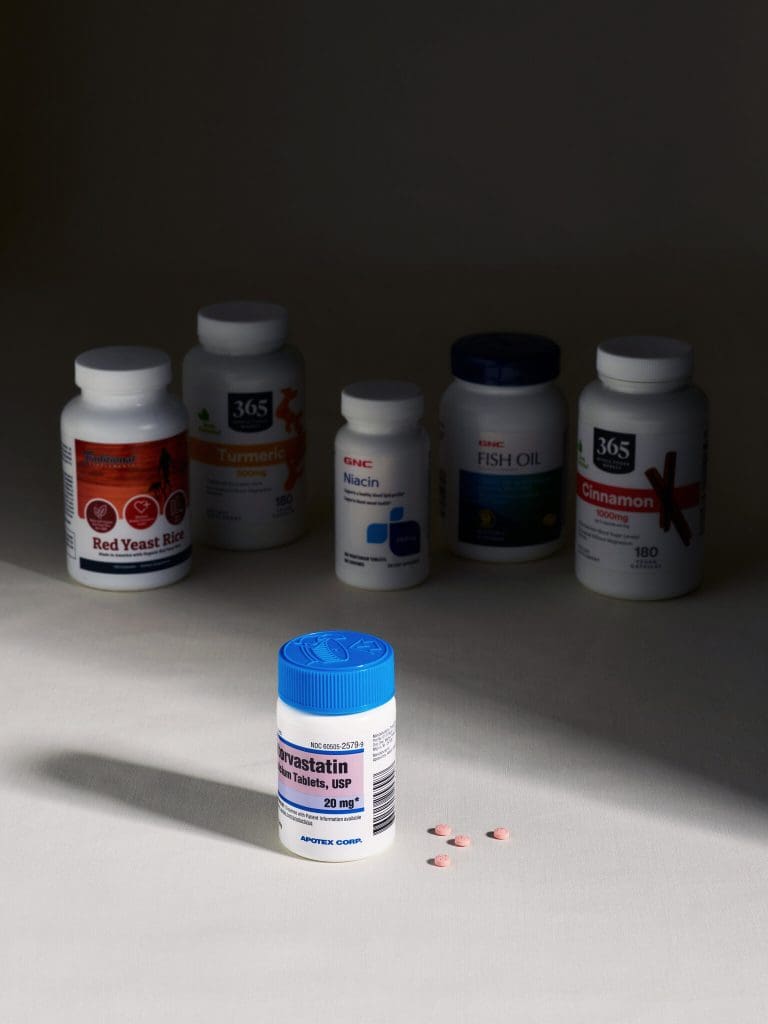
Certain supplements can interact with medications, potentially reducing their effectiveness or causing adverse effects. It is crucial to research and discuss potential interactions with a healthcare professional. For example, niacin supplementation may interact with statin medications commonly prescribed for cholesterol management.
Effectiveness of Vitamin Supplements
Research studies on the effectiveness of vitamin supplements
Numerous studies have been conducted to evaluate the impact of vitamin supplements on cholesterol levels. The results have been mixed, with some studies showing modest improvements in cholesterol profiles, while others have found limited benefits. It is important to note that the effectiveness of vitamin supplements may vary depending on individual factors, such as overall diet, lifestyle choices, and adherence to other cholesterol management strategies.
Potential benefits and limitations of vitamin supplements for cholesterol management
While vitamin supplements can provide additional support for cholesterol management, they are not a substitute for a healthy lifestyle. They may have modest effects on cholesterol levels, particularly when combined with regular exercise, a balanced diet, and other strategies recommended by healthcare professionals. Additionally, supplements should be used as part of an overall cholesterol management plan and not solely relied upon for controlling cholesterol.

Dosage and Timing
Recommended dosage for vitamin supplements
Dosage recommendations for vitamin supplements vary depending on the specific vitamin, individual needs, and medical history. It is essential to follow the guidelines provided by healthcare professionals or the instructions on the supplement packaging. Taking more than the recommended dosage does not necessarily lead to greater benefits and may increase the risk of side effects.
Best time to take vitamin supplements for cholesterol management
The optimal timing for taking vitamin supplements can vary depending on the supplement and individual preferences. Some supplements are best taken with food to enhance absorption, while others may be better absorbed on an empty stomach. It is advisable to follow the instructions provided with the supplement or consult with a healthcare professional for personalized recommendations.
Potential Side Effects and Risks
Common side effects of vitamin supplements
While vitamin supplements are generally considered safe when taken as directed, they may still have potential side effects. These side effects can vary depending on the specific supplement, dosage, and individual characteristics. Common side effects include gastrointestinal symptoms such as nausea, diarrhea, and stomach cramps.
Potential risks and warnings for specific supplements
Certain vitamin supplements may carry specific risks or warnings. For example, high-dose niacin supplementation can cause flushing, itching, and liver problems. Omega-3 fatty acid supplements may increase the risk of bleeding, especially in individuals taking blood-thinning medications. It is crucial to discuss potential risks and warnings with a healthcare professional before starting any new supplement.
Interactions with medications
Some vitamin supplements can interact with medications, which can affect their efficacy or cause adverse effects. For instance, vitamin K supplements can interfere with certain blood-thinning medications, leading to increased clotting. It is vital to inform healthcare professionals about all medications and supplements you are taking to avoid potential interactions.

Alternative Approaches to Cholesterol Management
Dietary changes for cholesterol management
A key component of cholesterol management involves making dietary changes. This includes reducing saturated and trans fats, increasing the consumption of fruits, vegetables, and whole grains, and incorporating lean proteins into the diet. Limiting processed foods, sugary beverages, and excessive alcohol consumption can also contribute to better cholesterol control.
Exercise and physical activity
Regular exercise and physical activity can significantly impact cholesterol levels. Engaging in aerobic exercises, such as brisk walking, jogging, or cycling, can help raise HDL cholesterol levels and lower LDL cholesterol. Aim for at least 150 minutes of moderate-intensity exercise per week or 75 minutes of vigorous-intensity exercise.
Other natural remedies and supplements
In addition to vitamin supplements, several natural remedies and supplements have been studied for their potential cholesterol-lowering effects. These include garlic extract, red yeast rice, and green tea extract. However, evidence supporting their efficacy and safety is limited, and it is important to consult with a healthcare professional before considering their use.
Monitoring and Evaluation
Regular cholesterol testing
Regular cholesterol testing is crucial for monitoring your progress and adjusting your cholesterol management plan accordingly. It is recommended to have a fasting lipid profile test at least once every four to six years for individuals aged 20 and older. However, individuals with existing high cholesterol, heart disease, or other risk factors may require more frequent testing.
Tracking the effectiveness of vitamin supplements
If you are taking vitamin supplements for cholesterol management, it is important to track their effectiveness. This can be done through regular cholesterol testing to monitor changes in your lipid profile. Additionally, pay attention to any improvements in overall health, such as increased energy levels and improved well-being, which may be indicators of the supplement’s efficacy.
Lifestyle Factors That Affect Cholesterol Levels
Smoking and tobacco use
Smoking and tobacco use can significantly impact cholesterol levels and increase the risk of heart disease. Smoking damages blood vessels, reduces HDL cholesterol levels, and promotes the build-up of fatty deposits in the arteries. Quitting smoking is one of the most effective ways to improve cholesterol levels and overall cardiovascular health.
Alcohol consumption
While moderate alcohol consumption may have some benefits for heart health, excessive alcohol intake can negatively affect cholesterol levels. High alcohol consumption can raise triglyceride levels and contribute to increased calorie intake and weight gain. It is important to consume alcohol in moderation or avoid it altogether, depending on individual health considerations.
Stress management
Chronic stress can impact cholesterol levels and overall cardiovascular health. Stress can lead to unhealthy coping mechanisms, such as overeating or making poor dietary choices, which can contribute to high cholesterol. Engaging in stress-management techniques, such as exercise, mindfulness, and relaxation techniques, can help manage stress and improve cholesterol levels.
Conclusion
In conclusion, while vitamin supplements can provide additional support for cholesterol management, they are not a substitute for a healthy lifestyle. Understanding the role of cholesterol in the body, choosing the right vitamin supplements, and consulting with healthcare professionals are essential steps in managing cholesterol effectively. Combined with dietary changes, exercise, and other lifestyle modifications, vitamin supplements can play a supportive role in maintaining optimal cholesterol levels. Regular monitoring and evaluations, along with attention to lifestyle factors and potential interactions, will contribute to a comprehensive cholesterol management plan. Remember to always consult with a healthcare professional before starting any new supplement regimen and follow their recommendations for the most effective and safe approaches to cholesterol management.