Welcome to an article that will guide you on the vitamins and minerals you need to support healthy cholesterol levels. By incorporating these essential nutrients into your diet, you can work towards maintaining optimal cholesterol balance in your body. Let’s explore the key vitamins and minerals that play a crucial role in supporting your overall heart health and well-being. Have you ever wondered how you can naturally support healthy cholesterol levels with the help of vitamins and minerals? In this article, we will explore the essential nutrients that play a key role in maintaining a healthy balance of cholesterol in your body. From Vitamin B complex to Magnesium, we will delve into the importance of each nutrient and how you can incorporate them into your diet to support optimal cholesterol levels.

Understanding Cholesterol Levels and Their Impact on Health
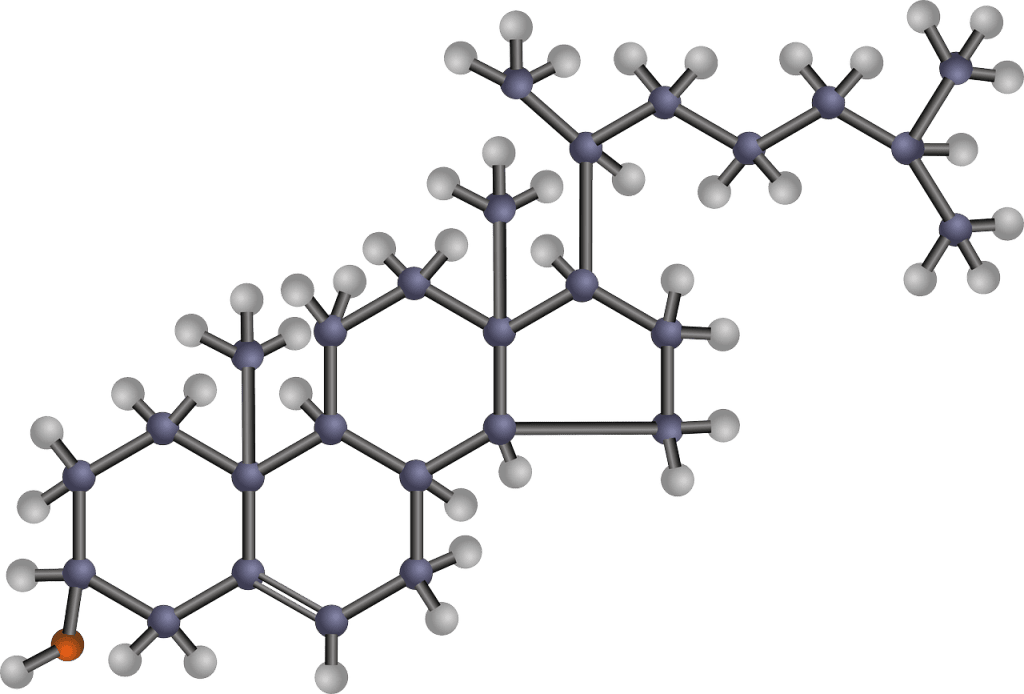
Before we dive into the role of vitamins and minerals in supporting healthy cholesterol levels, let’s first understand what cholesterol is and how it affects your health. Cholesterol is a waxy substance that is found in your blood and is essential for building healthy cells. However, high levels of cholesterol can lead to plaque buildup in your arteries, increasing your risk of heart disease and stroke.
To maintain optimal health, it is important to keep your cholesterol levels in check. This can be achieved through a combination of a healthy diet, regular exercise, and incorporating key vitamins and minerals into your daily routine.
Vitamin B Complex: The Powerhouse of Nutrients
The Vitamin B complex consists of eight essential vitamins that play a crucial role in maintaining overall health. When it comes to cholesterol levels, certain B vitamins like B3 (niacin) and B6 (pyridoxine) have been shown to have a positive impact.
Vitamin B3 (Niacin)
Niacin is known for its ability to lower LDL (bad) cholesterol levels and increase HDL (good) cholesterol levels. It works by inhibiting the liver’s production of LDL cholesterol while also boosting HDL cholesterol levels, thus promoting a healthy balance. Niacin can be found in foods like meat, fish, nuts, and legumes.
Vitamin B6 (Pyridoxine)
Vitamin B6 is essential for the metabolism of cholesterol and helps in the conversion of homocysteine, an amino acid linked to heart disease. By supporting the breakdown of fats and cholesterol, Vitamin B6 plays a key role in maintaining healthy cholesterol levels. Foods rich in Vitamin B6 include poultry, fish, nuts, and bananas.
Incorporating foods rich in Vitamin B3 and B6 into your diet, or even considering supplements under the guidance of a healthcare professional, can help support healthy cholesterol levels.
Omega-3 Fatty Acids: The Heart-Healthy Fat
Omega-3 fatty acids are a type of unsaturated fat that is known for its heart-healthy benefits. They are particularly effective in reducing triglyceride levels, another type of fat that can impact your cholesterol levels.
EPA and DHA
Eicosapentaenoic acid (EPA) and docosahexaenoic acid (DHA) are two types of omega-3 fatty acids that have been shown to reduce inflammation, lower triglyceride levels, and improve overall heart health. These fatty acids can be found in fatty fish like salmon, mackerel, and sardines.
ALA
Alpha-linolenic acid (ALA) is another type of omega-3 fatty acid that is found in plant-based sources like flaxseeds, chia seeds, and walnuts. While ALA is not as potent as EPA and DHA, it can still provide some heart-healthy benefits by converting into EPA and DHA in the body.
Incorporating omega-3 fatty acids into your diet through fatty fish or plant-based sources can help support healthy cholesterol levels and reduce your risk of heart disease.
Magnesium: The Heart Health Mineral
Magnesium is an essential mineral that plays a crucial role in over 300 enzymatic reactions in the body, including those involved in cholesterol metabolism. Studies have shown that magnesium deficiency is associated with higher LDL cholesterol levels and an increased risk of heart disease.
How Magnesium Works
Magnesium helps regulate cholesterol by inhibiting HMG-CoA reductase, an enzyme involved in cholesterol production. By blocking this enzyme, magnesium can help lower LDL cholesterol levels and reduce your risk of developing plaque buildup in your arteries.
Food Sources of Magnesium
Magnesium can be found in a variety of foods, including leafy green vegetables, nuts, seeds, and whole grains. By incorporating magnesium-rich foods into your diet, you can support healthy cholesterol levels and promote overall heart health.
Ensuring an adequate intake of magnesium through diet or supplements can help optimize cholesterol levels and reduce your risk of heart disease.
Zinc: The Immune-Boosting Mineral
Zinc is an essential mineral that is known for its immune-boosting properties, but it also plays a role in cholesterol metabolism. Studies have shown that zinc deficiency is associated with higher levels of LDL cholesterol and an increased risk of heart disease.
Zinc and Cholesterol
Zinc is involved in the production and secretion of cholesterol from the liver, as well as the breakdown of fats. By supporting these processes, zinc can help maintain healthy cholesterol levels and reduce your risk of cardiovascular disease.
Food Sources of Zinc
Zinc can be found in various foods, including meat, shellfish, legumes, seeds, and nuts. By including zinc-rich foods in your diet, you can support optimal cholesterol levels and promote overall heart health.
Incorporating zinc-rich foods into your diet or considering supplements can help support healthy cholesterol levels and reduce your risk of heart disease.
Fiber: The Cholesterol-Lowering Superstar
Dietary fiber is a type of carbohydrate that the body cannot digest, but it plays a crucial role in promoting heart health and supporting healthy cholesterol levels. Soluble fiber, in particular, has been shown to lower LDL cholesterol levels and improve overall heart health.
How Fiber Works
Soluble fiber binds to cholesterol in the intestines and prevents it from being absorbed into the bloodstream. By excreting cholesterol through the digestive system, fiber can help lower LDL cholesterol levels and reduce your risk of heart disease.
Food Sources of Fiber
Fiber can be found in a variety of plant-based foods, including fruits, vegetables, whole grains, nuts, and seeds. By incorporating fiber-rich foods into your diet, you can support healthy cholesterol levels and promote overall heart health.
Ensuring an adequate intake of soluble fiber through whole foods can help optimize cholesterol levels and reduce your risk of cardiovascular disease.

Antioxidants: The Heart-Protective Compounds
Antioxidants are compounds that help protect the body against free radicals, which can damage cells and lead to chronic diseases like heart disease. Certain antioxidants like Vitamin C, Vitamin E, and selenium have been shown to have heart-protective benefits and support healthy cholesterol levels.
Vitamin C
Vitamin C is a powerful antioxidant that can help prevent the oxidation of LDL cholesterol, which is a key step in the development of plaque in the arteries. By neutralizing free radicals, Vitamin C can help maintain optimal cholesterol levels and reduce your risk of heart disease.
Vitamin E
Vitamin E is another antioxidant that helps protect LDL cholesterol from oxidation. By preventing the oxidation of cholesterol, Vitamin E can help reduce inflammation in the arteries and support healthy cholesterol levels.
Selenium
Selenium is a trace mineral that plays a crucial role in the production of glutathione, a powerful antioxidant that helps protect the heart from oxidative damage. By supporting antioxidant defenses, selenium can help maintain healthy cholesterol levels and reduce your risk of heart disease.
Incorporating foods rich in antioxidants like Vitamin C, Vitamin E, and selenium into your diet can help protect your heart and support healthy cholesterol levels.
Conclusion
Maintaining healthy cholesterol levels is essential for optimal heart health and reducing your risk of cardiovascular disease. By incorporating key vitamins and minerals like the Vitamin B complex, omega-3 fatty acids, magnesium, zinc, fiber, and antioxidants into your diet, you can support healthy cholesterol levels and promote overall heart health.
Remember to consult with a healthcare professional before making any significant changes to your diet or lifestyle, especially if you have existing health conditions or are taking medications. With a balanced diet, regular exercise, and the right nutrients, you can take proactive steps to support healthy cholesterol levels and protect your heart for years to come.