

Welcome, dear reader! In this article, we will explore the question of whether exercise can help improve cholesterol levels. Many studies have shown that incorporating regular physical activity into your routine can have a positive impact on your cholesterol levels. By engaging in activities such as brisk walking, jogging, or swimming, you can potentially raise your good cholesterol (HDL) and lower your bad cholesterol (LDL), thus reducing your risk of heart disease. Join us as we delve into the benefits of exercise on cholesterol levels and discover how you can make simple changes to improve your overall health. Can Exercise Help Improve Cholesterol Levels?
Have you ever wondered if exercise could have an impact on your cholesterol levels? In this article, we will explore the relationship between physical activity and cholesterol, and how incorporating exercise into your routine can help improve your overall heart health. Let’s dive into the details and discover how you can take control of your cholesterol levels through regular exercise.
Understanding Cholesterol
Before we delve into the role of exercise in cholesterol management, let’s first understand what cholesterol is and why it is essential to maintain healthy levels. Cholesterol is a waxy substance found in the blood that is crucial for the body’s functioning. It plays a vital role in building cell membranes, producing hormones, and aiding in digestion. However, too much cholesterol in the blood can lead to plaque buildup in the arteries, increasing the risk of heart disease and stroke.
Good vs. Bad Cholesterol
Not all cholesterol is created equal. There are two main types of cholesterol: low-density lipoprotein (LDL), also known as “bad” cholesterol, and high-density lipoprotein (HDL), also known as “good” cholesterol. LDL cholesterol can clog arteries and lead to heart disease, while HDL cholesterol helps remove LDL from the bloodstream, reducing the risk of heart-related issues. Maintaining a healthy balance of these two types of cholesterol is crucial for optimal heart health.
The Role of Exercise in Cholesterol Management
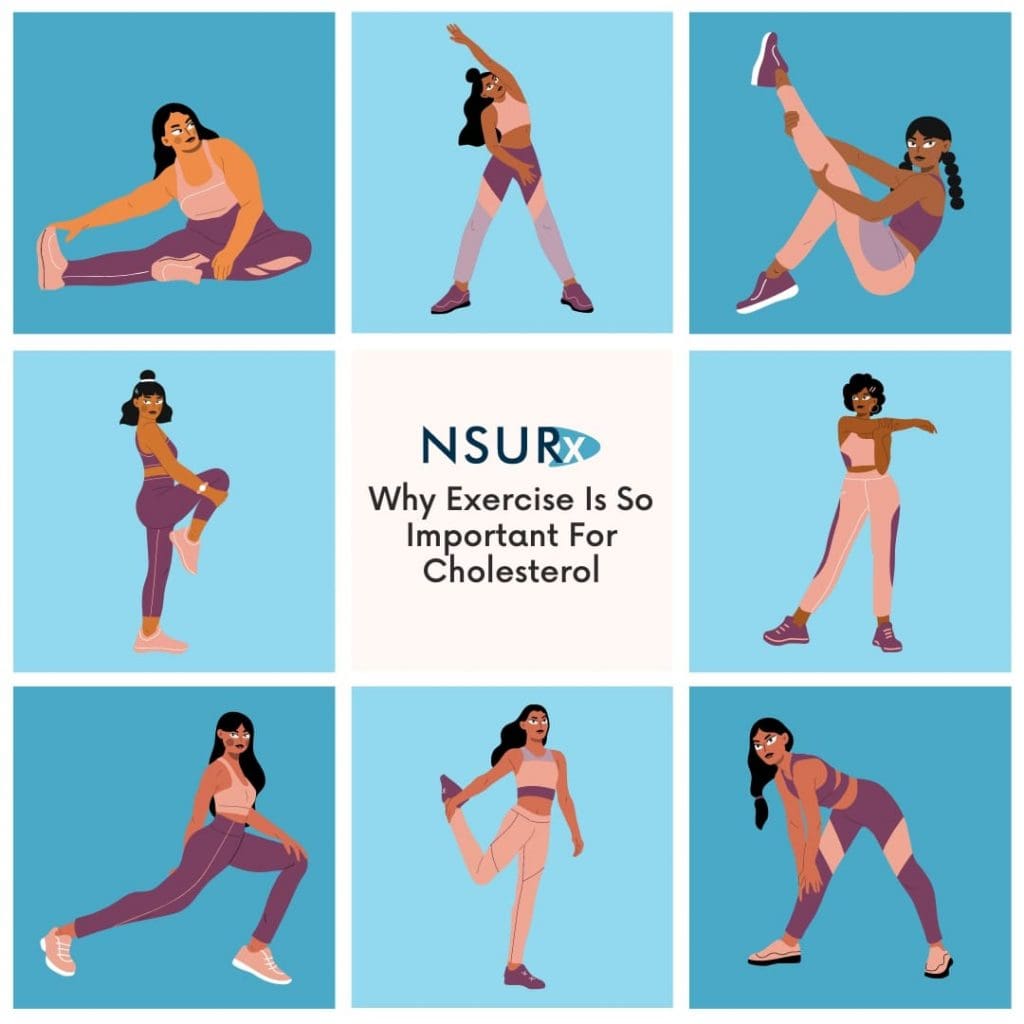
Now that we have a basic understanding of cholesterol, let’s explore how exercise can help improve cholesterol levels. Regular physical activity has been shown to have numerous benefits for heart health, including increasing HDL cholesterol levels, improving LDL cholesterol quality, and reducing overall cholesterol levels in the blood. By incorporating exercise into your daily routine, you can take proactive steps to manage your cholesterol levels and lower your risk of heart disease.
Increasing HDL Cholesterol
One of the key benefits of exercise on cholesterol levels is its ability to raise HDL cholesterol, the “good” cholesterol that helps remove LDL from the bloodstream. Aerobic exercises, such as walking, running, cycling, and swimming, have been shown to increase HDL levels significantly. By engaging in activities that get your heart rate up, you can boost your HDL cholesterol and improve your overall cholesterol profile.
Improving LDL Cholesterol Quality
In addition to increasing HDL cholesterol levels, exercise can also improve the quality of LDL cholesterol in the bloodstream. High-intensity interval training (HIIT) and resistance training have been shown to reduce the number of small, dense LDL particles, which are more likely to clog arteries and lead to heart disease. By incorporating a variety of exercises into your routine, you can help improve the balance of LDL cholesterol in your blood.
Lowering Overall Cholesterol Levels
Regular physical activity has also been shown to lower overall cholesterol levels in the blood. Exercise helps stimulate enzymes in the liver that are responsible for processing cholesterol and removing it from the bloodstream. By engaging in moderate-intensity activities for at least 150 minutes per week, you can significantly reduce your total cholesterol levels and decrease your risk of developing heart-related issues.

Creating an Exercise Plan for Cholesterol Management
Now that we understand how exercise can help improve cholesterol levels, let’s discuss how you can create an exercise plan to effectively manage your cholesterol. It’s essential to incorporate a variety of aerobic, strength training, and flexibility exercises into your routine to maximize the benefits for your heart health. Here are some tips to help you design an exercise plan tailored to cholesterol management:
Consult with Your Healthcare Provider
Before starting any new exercise regimen, it’s crucial to consult with your healthcare provider, especially if you have existing health conditions or concerns. Your doctor can provide valuable insights into the types of exercises that are safe and beneficial for managing your cholesterol levels. They can also help you set realistic goals and track your progress over time.
Choose a Variety of Cardiovascular Exercises
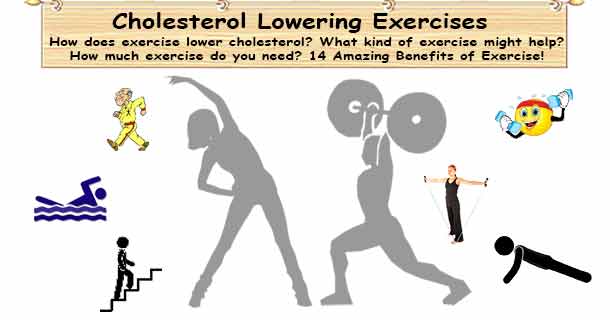
To improve your cholesterol levels, focus on including a variety of cardiovascular exercises in your routine. Aerobic activities such as jogging, swimming, cycling, and dancing are excellent options for raising HDL cholesterol levels and lowering overall cholesterol levels. Aim to engage in at least 150 minutes of moderate-intensity aerobic exercise per week to see significant improvements in your cholesterol profile.
Incorporate Strength Training
In addition to cardiovascular exercises, incorporating strength training into your routine can help improve your cholesterol levels. Resistance training, using weights, resistance bands, or bodyweight exercises, has been shown to reduce LDL cholesterol levels and improve overall heart health. Aim to include strength training exercises at least twice a week to maximize the benefits for your cholesterol management.
Prioritize Flexibility and Balance Exercises
While aerobic and strength training exercises are essential for managing cholesterol levels, don’t forget to include flexibility and balance exercises in your routine. Stretching, yoga, and tai chi can help improve flexibility, reduce stress, and enhance overall heart health. These exercises can also help prevent injuries and improve your overall fitness level.
Stay Consistent and Gradually Increase Intensity
Consistency is key when it comes to managing cholesterol levels through exercise. Make a commitment to yourself to engage in physical activity regularly, even on days when you don’t feel like it. Start with manageable goals and gradually increase the intensity and duration of your workouts as your fitness level improves. By staying consistent and challenging yourself, you can achieve lasting improvements in your cholesterol profile.
Monitoring Your Progress and Adjusting Your Exercise Plan
As you embark on your cholesterol management journey through exercise, it’s essential to monitor your progress and make adjustments to your plan as needed. Regularly tracking your cholesterol levels, blood pressure, and heart rate can provide valuable insights into the effectiveness of your exercise routine. If you notice any changes or plateau in your progress, consider consulting with your healthcare provider to discuss potential modifications to your plan.
Regular Cholesterol Screenings
To track the impact of exercise on your cholesterol levels, consider scheduling regular cholesterol screenings with your healthcare provider. These screenings can help you monitor your HDL and LDL cholesterol levels, total cholesterol, and triglycerides over time. By staying informed about your cholesterol profile, you can make informed decisions about your exercise plan and overall heart health.
Listen to Your Body
While it’s essential to challenge yourself and push your limits during exercise, it’s also crucial to listen to your body and prioritize rest and recovery. Pay attention to any signs of fatigue, pain, or discomfort during your workouts, and adjust your intensity or duration as needed. Remember that consistency is key, but rest and recovery are equally important for overall health and well-being.
Seek Professional Guidance
If you encounter challenges or have questions about your exercise plan for managing cholesterol levels, don’t hesitate to seek professional guidance. Certified personal trainers, exercise physiologists, and healthcare providers can offer expert advice and support to help you achieve your fitness and cholesterol management goals. They can provide valuable insights into effective exercise techniques, proper form, and safe progression to optimize your heart health.

Conclusion: Taking Control of Your Cholesterol through Exercise
In conclusion, exercise can play a significant role in improving cholesterol levels and reducing the risk of heart disease. By incorporating a variety of aerobic, strength training, flexibility, and balance exercises into your routine, you can effectively manage your cholesterol levels and enhance your overall heart health. Remember to consult with your healthcare provider, stay consistent with your exercise plan, monitor your progress, and make adjustments as needed to achieve lasting improvements in your cholesterol profile. With dedication and commitment, you can take control of your cholesterol through exercise and prioritize your heart health for years to come.
