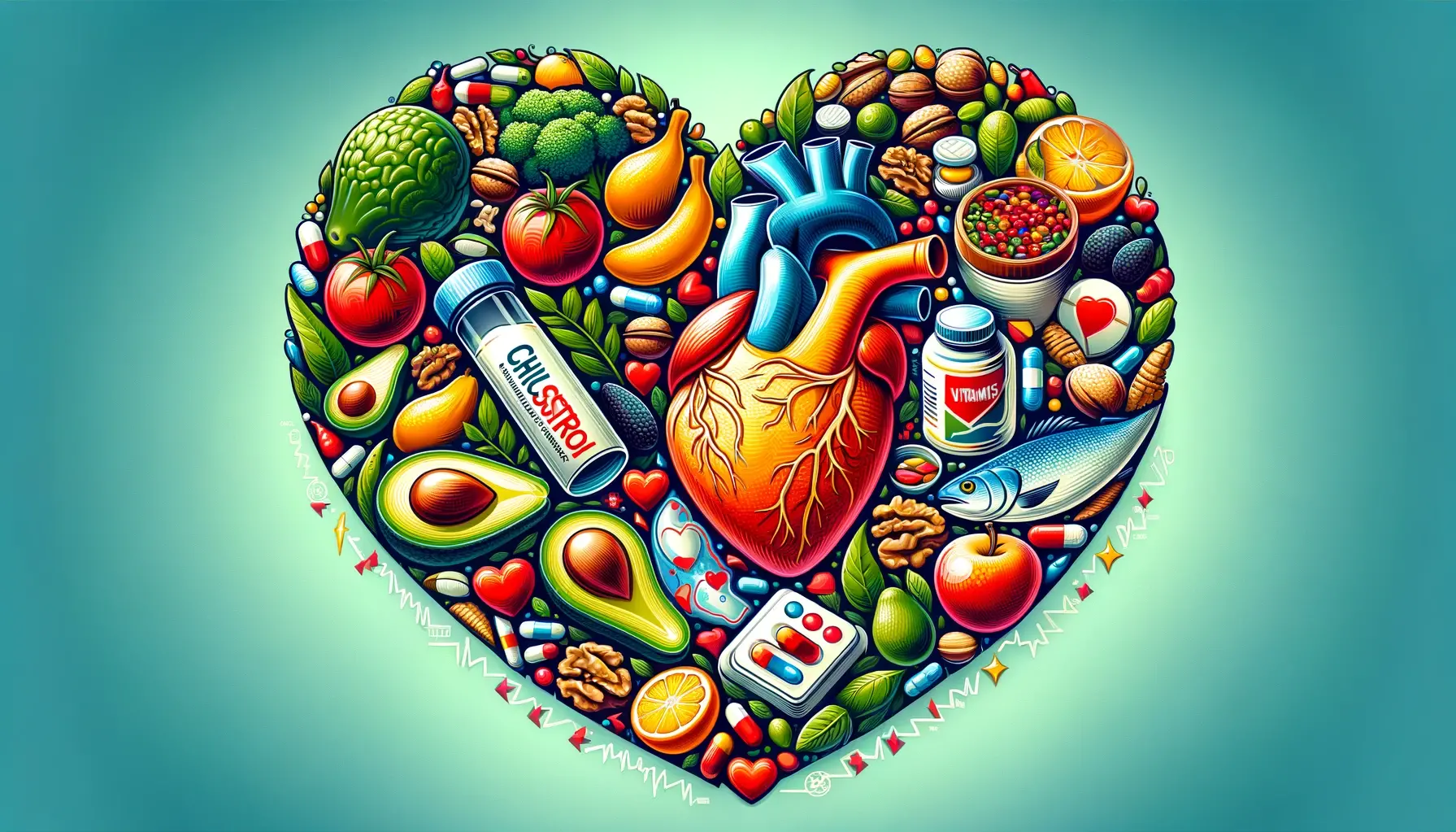

Welcome to the enlightening world of understanding how exercise plays a crucial role in lowering cholesterol levels. With proper physical activity, you have the power to increase high-density lipoprotein (HDL) cholesterol and decrease low-density lipoprotein (LDL) cholesterol. By incorporating regular exercise into your lifestyle, you can improve your overall heart health and reduce your risk of cardiovascular diseases. Let’s dive into the benefits of exercise in maintaining healthy cholesterol levels and how you can effectively incorporate it into your routine. Have you ever wondered how exercise can help lower cholesterol levels in your body?
The Basics of Cholesterol
Cholesterol is a wax-like substance that is found in every cell of your body. It is essential for several bodily functions, such as making hormones and vitamin D. There are two types of cholesterol: LDL (low-density lipoprotein) and HDL (high-density lipoprotein). LDL is often referred to as “bad” cholesterol because it can build up in your arteries, leading to a higher risk of heart disease and stroke. On the other hand, HDL is known as “good” cholesterol because it helps remove LDL from your arteries.
Understanding Cholesterol Levels
When you go to the doctor for a check-up, they may check your cholesterol levels through a blood test. The results will show your total cholesterol levels, as well as the levels of LDL and HDL cholesterol. Ideal cholesterol levels are typically less than 200 mg/dL for total cholesterol, less than 100 mg/dL for LDL cholesterol, and more than 40 mg/dL for HDL cholesterol.
How Exercise Can Impact Cholesterol Levels
Regular physical activity has been shown to have a positive effect on cholesterol levels. Exercise can raise HDL cholesterol levels, which helps remove LDL cholesterol from your arteries. It can also improve overall cardiovascular health, leading to lower cholesterol levels.
Aerobic Exercise
Aerobic exercise, also known as cardio, is especially effective at raising HDL cholesterol levels. Activities such as running, biking, swimming, and dancing are great examples of aerobic exercise. Aim for at least 150 minutes of moderate-intensity aerobic activity per week to see improvements in your cholesterol levels.
Strength Training
Strength training, such as weightlifting, can also have a positive impact on cholesterol levels. Building muscle mass can help increase your metabolism, leading to better overall cholesterol levels. Incorporate strength training exercises into your routine at least two days a week for optimal results.

Best Types of Exercise for Lowering Cholesterol
Not all exercises are created equal when it comes to lowering cholesterol levels. Some activities are more effective than others at improving your lipid profile.
High-Intensity Interval Training (HIIT)
HIIT involves short bursts of intense exercise followed by brief periods of rest or lower-intensity exercise. This type of workout has been shown to be very effective at improving cardiovascular health and lowering cholesterol levels. Try incorporating HIIT workouts into your routine a few times a week for maximum benefits.
Running
Running is a popular form of aerobic exercise that can help raise HDL cholesterol levels and improve overall cardiovascular health. Whether you prefer jogging outside or using a treadmill at the gym, running is a great way to boost your heart health and lower cholesterol levels.
Swimming
Swimming is a low-impact full-body workout that is gentle on your joints but still provides a great cardiovascular workout. Regular swimming can help increase HDL cholesterol levels and decrease LDL cholesterol levels, making it an excellent choice for those looking to improve their lipid profile.
Creating an Exercise Routine for Lowering Cholesterol
Now that you know the best types of exercise for lowering cholesterol levels, it’s essential to create a workout routine that you can stick to long-term.
Setting Realistic Goals
Start by setting realistic goals for your exercise routine. Whether you aim to exercise for a certain number of days per week or reach a specific milestone, having clear goals can help keep you motivated and on track.
Incorporating Variety
Mixing up your workouts can help prevent boredom and challenge different muscle groups. Try incorporating a combination of aerobic exercise, strength training, and flexibility exercises into your routine for a well-rounded approach to lowering cholesterol levels.
Finding Enjoyment
Choose activities that you enjoy to make exercise more fun and sustainable. Whether you prefer dancing, hiking, or playing sports, finding activities that you look forward to can help you stay consistent with your workout routine.

Monitoring Your Progress
It’s essential to monitor your progress to see how exercise is impacting your cholesterol levels over time. Regular check-ups with your doctor can help track changes in your lipid profile and make adjustments to your exercise routine as needed.
Keeping Track of Your Workouts
Consider keeping a workout journal or using a fitness app to track your exercise sessions. Recording the type of exercise, duration, and intensity can help you stay accountable and see how your cholesterol levels are responding to your workouts.
Getting Regular Check-ups
Schedule regular appointments with your doctor to check your cholesterol levels and overall cardiovascular health. Your doctor can provide guidance on how your exercise routine is affecting your cholesterol levels and make recommendations for adjustments if needed.

Conclusion
In conclusion, exercise plays a vital role in lowering cholesterol levels and improving overall cardiovascular health. By incorporating aerobic exercise, strength training, and other forms of physical activity into your routine, you can raise HDL cholesterol levels, lower LDL cholesterol levels, and reduce your risk of heart disease and stroke. Remember to set realistic goals, mix up your workouts, and monitor your progress to see the benefits of exercise on your cholesterol levels. Start today by adding more physical activity into your daily routine and taking control of your health.