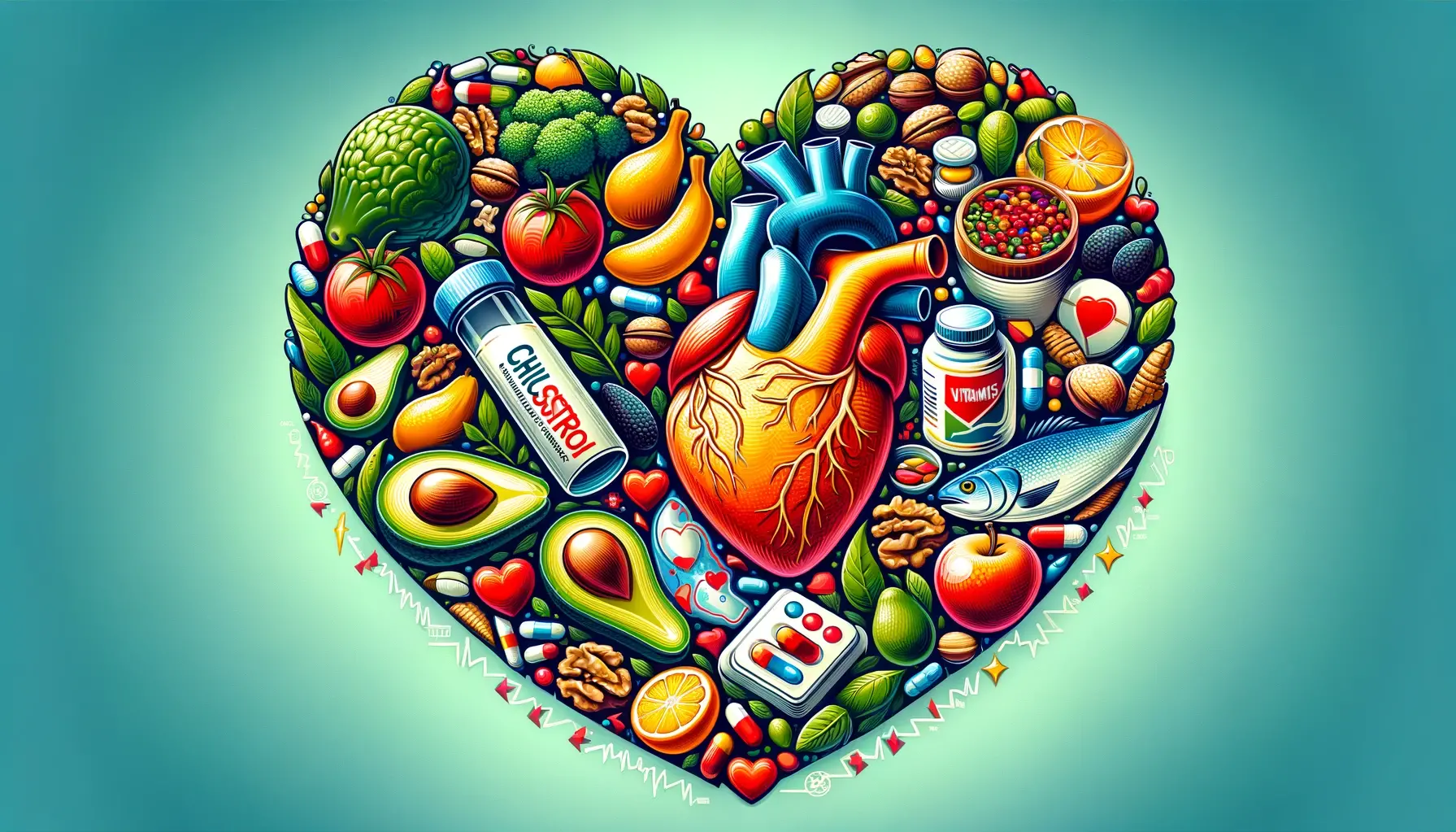
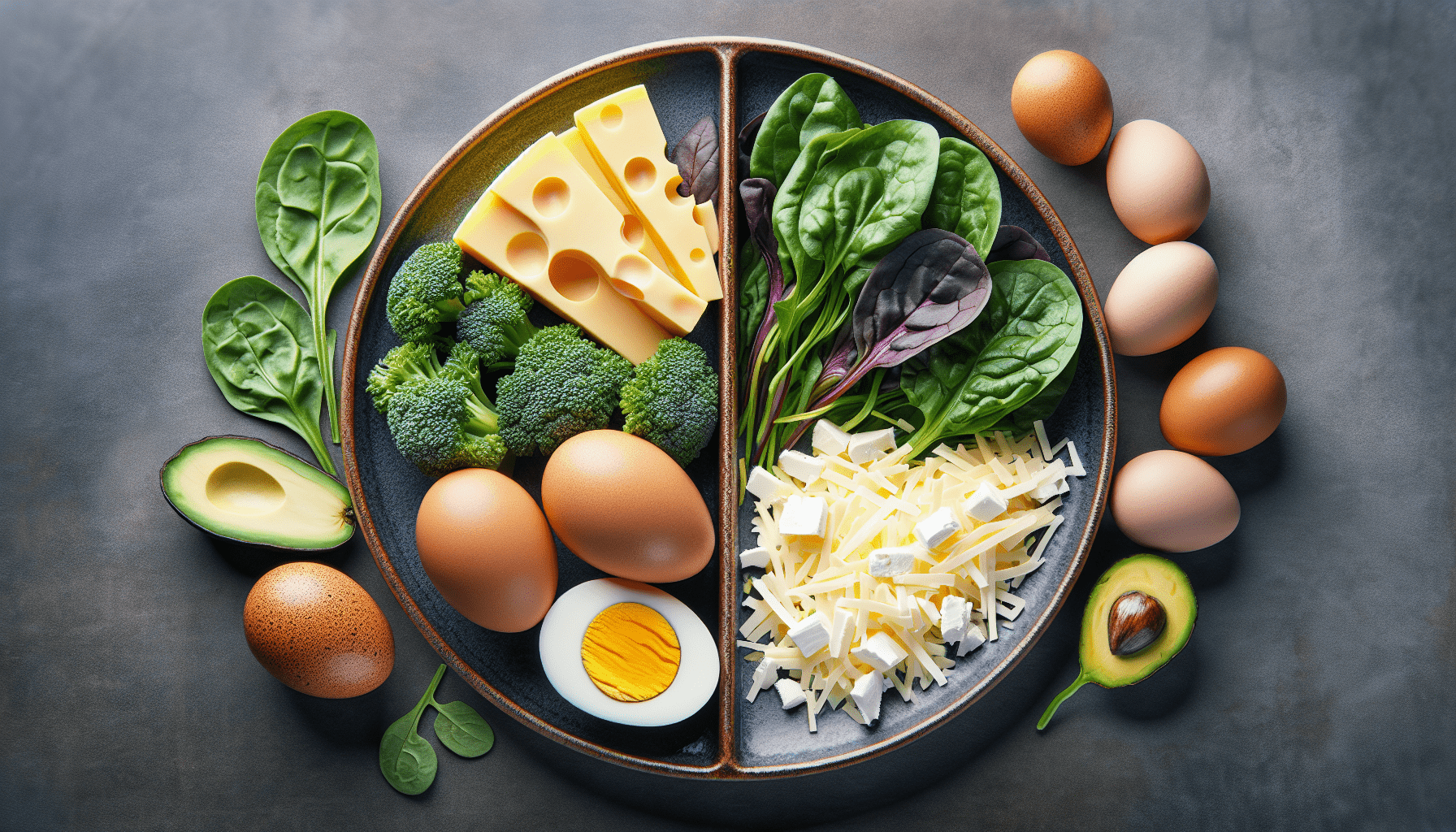
Welcome to an insightful article exploring the fascinating connection between cholesterol and vitamin K. As you dive into this topic, you will learn how these two nutrients are linked and how they play a crucial role in maintaining your overall health and well-being. Discover the importance of understanding this relationship and how it can benefit you in making informed choices for a healthier lifestyle. Get ready to expand your knowledge and take charge of your health with the knowledge presented in this article. Have you ever wondered about the connection between cholesterol and vitamin K? In this article, we will explore the relationship between these two essential nutrients and how they interact within the body to support overall health. Let’s dive in and learn more.
Understanding Cholesterol
Cholesterol is a waxy, fat-like substance that is found in every cell of the body. It is essential for the production of hormones, vitamin D, and bile acids that help digest fat. However, too much cholesterol in the blood can lead to health problems, such as heart disease and stroke. It is important to maintain healthy cholesterol levels for optimal well-being.
Sources of Cholesterol
Cholesterol comes from two main sources: your body and the food you eat. Your liver produces about 75% of the cholesterol in your body, while the remaining 25% comes from the foods you consume. Foods high in cholesterol include eggs, red meat, and full-fat dairy products.
Let’s explore now the role of vitamin K in relation to cholesterol.
The Role of Vitamin K
Vitamin K is a fat-soluble vitamin that plays a crucial role in blood clotting, bone health, and cardiovascular health. There are two main forms of vitamin K: K1 (phylloquinone), found in leafy green vegetables, and K2 (menaquinone), found in fermented foods and animal products. Both forms of vitamin K are essential for overall health and well-being.
Functions of Vitamin K
Vitamin K is known for its role in blood clotting, where it helps to activate proteins that are necessary for the process. In addition, vitamin K is involved in bone metabolism, where it supports proper bone mineralization. Vitamin K also plays a role in cardiovascular health by helping to prevent the buildup of calcium in the arteries.
Now, let’s delve into the relationship between cholesterol and vitamin K.

The Relationship Between Cholesterol and Vitamin K
Cholesterol and Vitamin K Absorption
Studies have shown that vitamin K can influence cholesterol metabolism in the body. Specifically, vitamin K has been found to enhance the absorption of dietary cholesterol in the intestines. This means that adequate levels of vitamin K may help improve the body’s ability to absorb and process cholesterol from food.
Cholesterol and Vitamin K Levels
Research has also suggested that individuals with higher cholesterol levels may have lower levels of vitamin K in their blood. Conversely, those with lower cholesterol levels tend to have higher levels of vitamin K. This inverse relationship between cholesterol and vitamin K levels highlights the importance of maintaining a balance between the two nutrients for overall health.
Cholesterol and Vitamin K in Arterial Health
One important connection between cholesterol and vitamin K is their impact on arterial health. High cholesterol levels are a risk factor for the development of atherosclerosis, a condition characterized by the buildup of plaque in the arteries. Vitamin K has been shown to play a role in preventing the calcification of arteries by promoting the proper deposition of calcium in bones instead of soft tissues like arteries.
How to Support Healthy Cholesterol and Vitamin K Levels
Maintaining a healthy lifestyle is key to supporting optimal cholesterol and vitamin K levels. This includes eating a balanced diet rich in fruits, vegetables, whole grains, lean proteins, and healthy fats. Regular exercise, managing stress, and getting enough sleep are also important factors in promoting overall well-being.
Now that we have explored the relationship between cholesterol and vitamin K, let’s discuss some dietary sources of these nutrients.

Dietary Sources of Cholesterol and Vitamin K
Sources of Cholesterol
As previously mentioned, cholesterol is found in both animal-based foods and produced by the liver. Foods high in cholesterol include egg yolks, organ meats, red meat, and full-fat dairy products. It is important to consume these foods in moderation to maintain healthy cholesterol levels.
Sources of Vitamin K
Vitamin K is found in a variety of foods, with the two main forms being K1 and K2. Sources of vitamin K1 include leafy green vegetables such as kale, spinach, and broccoli. Vitamin K2 can be found in fermented foods like natto, sauerkraut, and certain cheeses, as well as animal products such as egg yolks and liver.
Incorporating Cholesterol and Vitamin K into Your Diet
To support healthy levels of both cholesterol and vitamin K, it is important to include a variety of foods in your diet. Incorporate leafy greens, cruciferous vegetables, fermented foods, and lean proteins into your meals to ensure you are getting an adequate intake of these essential nutrients.
In conclusion, the relationship between cholesterol and vitamin K is intricate and plays a crucial role in overall health and well-being. By understanding the connection between these two nutrients and making informed dietary choices, you can support optimal cholesterol levels and ensure you are getting enough vitamin K for proper blood clotting, bone health, and cardiovascular function. Remember to consult with a healthcare professional before making any significant changes to your diet or lifestyle. Stay informed, stay healthy!
