
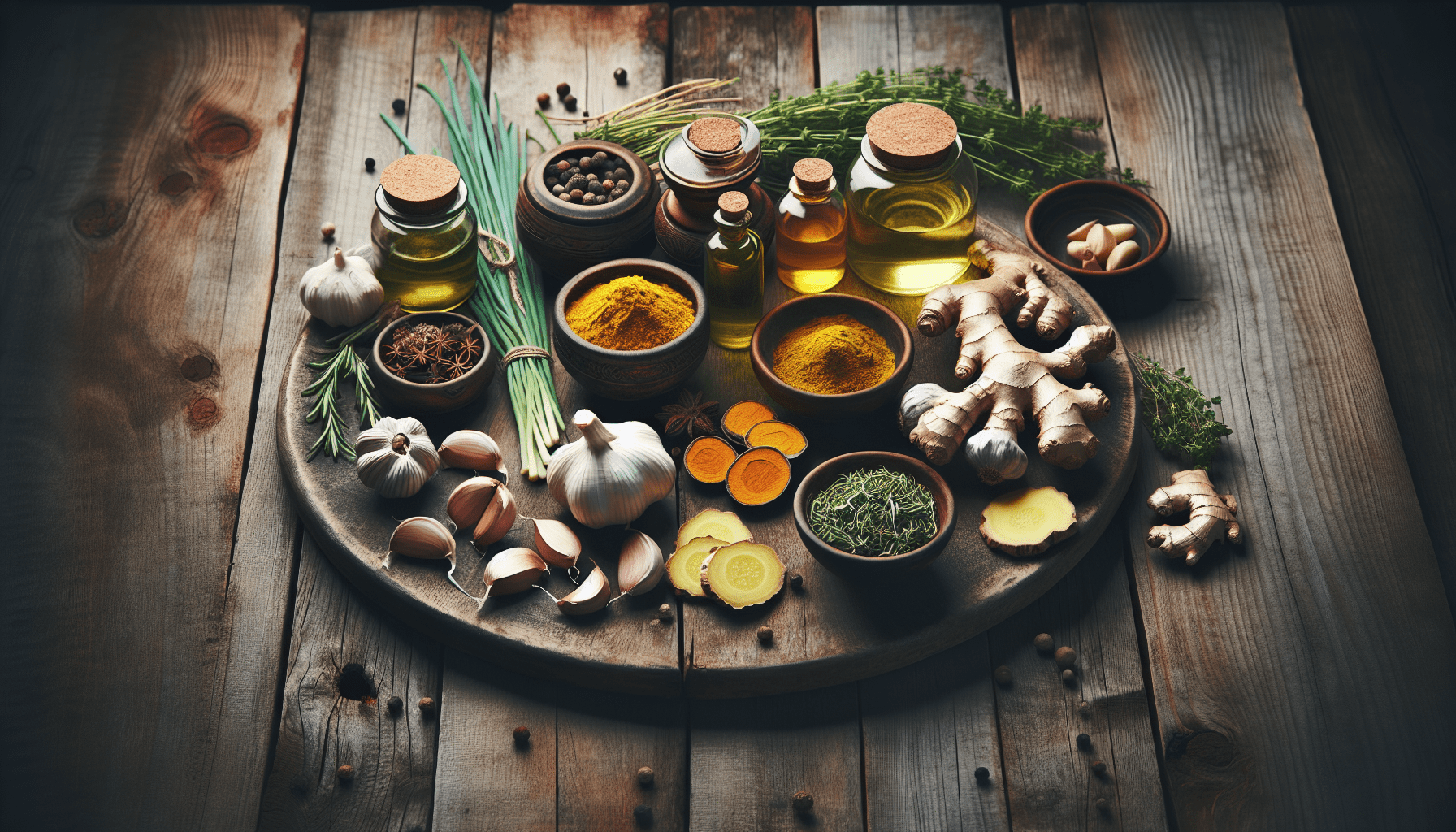
Looking to take control of your cholesterol levels in a natural and holistic way? Incorporating cholesterol-lowering herbs into your wellness routine can be a great solution. Not only do these herbs offer potential health benefits, but they can also enhance the flavors of your meals. From garlic and turmeric to ginger and hawthorn, there are plenty of options to choose from. By adding these herbs to your daily routine, you can take proactive steps towards improving your overall health and well-being. Have you been looking for natural ways to lower your cholesterol levels? Are you interested in incorporating herbs into your daily wellness routine? In this article, we will explore various cholesterol-lowering herbs that you can easily add to your diet. From garlic to turmeric, these herbs can help support your overall heart health and cholesterol levels. Let’s dive in and learn more about these powerful herbs!
Understanding Cholesterol and Its Impact on Your Health
Before we delve into specific herbs that can help lower your cholesterol levels, let’s briefly discuss what cholesterol is and how it can impact your health.
Cholesterol is a waxy substance that is found in the blood and is produced by the liver. While some cholesterol is essential for various bodily functions, such as cell membrane structure and hormone production, having high levels of LDL (low-density lipoprotein) cholesterol, also known as “bad” cholesterol, can increase your risk of heart disease and stroke. On the other hand, HDL (high-density lipoprotein) cholesterol, or “good” cholesterol, helps remove LDL cholesterol from the bloodstream, reducing the risk of heart disease.
Maintaining a healthy balance of LDL and HDL cholesterol levels is crucial for optimal heart health. While lifestyle changes such as regular exercise, a balanced diet, and maintaining a healthy weight play a significant role in managing cholesterol levels, certain herbs can also support your efforts in lowering cholesterol naturally.
The Role of Herbs in Lowering Cholesterol Levels
Herbs have been used for centuries in traditional medicine practices to promote overall health and well-being. When it comes to managing cholesterol levels, several herbs have shown promising results in scientific studies. These herbs contain compounds that can help reduce cholesterol synthesis in the liver, increase the excretion of cholesterol from the body, and improve lipid metabolism. Incorporating these herbs into your daily wellness routine can complement your existing efforts to lower cholesterol levels naturally.
Top Cholesterol-Lowering Herbs to Add to Your Diet
Now that we understand the importance of maintaining healthy cholesterol levels and the role of herbs in supporting heart health let’s explore some of the top cholesterol-lowering herbs that you can easily incorporate into your daily diet.
Garlic
Garlic is a widely popular herb known for its strong flavor and various health benefits. It contains a compound called allicin, which is responsible for its cholesterol-lowering properties. Allicin helps reduce the production of cholesterol in the liver and inhibits the oxidation of LDL cholesterol, reducing the risk of plaque buildup in the arteries. Incorporating garlic into your meals or taking garlic supplements can help lower LDL cholesterol levels and raise HDL cholesterol levels.
Turmeric
Turmeric is a vibrant yellow spice commonly used in Indian cuisine and traditional medicine practices. It contains a compound called curcumin, which has anti-inflammatory and antioxidant properties. Curcumin helps lower LDL cholesterol levels by reducing inflammation and oxidative stress in the body. Turmeric can be added to various dishes, such as curries, soups, and smoothies, to enhance their flavor and nutrient content while supporting heart health.
Ginger
Ginger is a versatile herb with a spicy, earthy flavor that offers various health benefits, including cholesterol-lowering properties. It contains gingerol, a bioactive compound that helps reduce LDL cholesterol levels and improve blood circulation. Ginger can be used fresh, dried, or in powdered form in cooking, baking, or brewed as a tea. Adding ginger to your meals or beverages can help support healthy cholesterol levels and promote overall heart health.
Cinnamon
Cinnamon is a sweet and aromatic spice that is commonly used in baking and cooking. It contains compounds called cinnamaldehyde and cinnamic acid, which have been shown to lower LDL cholesterol levels and triglycerides. Cinnamon can help improve insulin sensitivity and reduce inflammation in the body, both of which are essential for maintaining healthy cholesterol levels. Sprinkle cinnamon on your oatmeal, yogurt, or smoothies, or add it to baked goods for a delicious and heart-healthy boost.
Fenugreek
Fenugreek is an herb with small, luscious green leaves and seeds that have a slightly bitter flavor. It contains soluble fiber and compounds called saponins, which help lower LDL cholesterol levels and increase HDL cholesterol levels. Fenugreek can be consumed as a spice in cooking, brewed as a tea, or taken in supplement form to support heart health and maintain healthy cholesterol levels. Incorporating fenugreek into your diet can help reduce cholesterol absorption in the intestines and improve lipid metabolism.
Hawthorn
Hawthorn is a flowering shrub that has been used in traditional medicine for centuries to support heart health and improve circulation. It contains active compounds such as flavonoids and oligomeric proanthocyanidins (OPCs) that help lower LDL cholesterol levels, reduce blood pressure, and improve heart function. Hawthorn can be brewed as a tea, taken in supplement form, or used as a tincture to support cardiovascular health and maintain healthy cholesterol levels.
Holy Basil
Holy basil, also known as tulsi, is a sacred herb in Ayurvedic medicine that offers various health benefits, including cholesterol-lowering properties. It contains compounds such as eugenol and rosmarinic acid, which help reduce LDL cholesterol levels and promote heart health. Holy basil can be brewed as a tea, used in cooking, or taken in supplement form to support healthy cholesterol levels and reduce the risk of heart disease. Incorporating holy basil into your daily wellness routine can help maintain optimal heart health and cholesterol levels.
Dandelion
Dandelion is a common herb with bright yellow flowers and toothed leaves that has been used in traditional medicine for its detoxifying and cholesterol-lowering properties. It contains compounds such as inulin and bitter substances that help improve liver function, reduce LDL cholesterol levels, and support optimal digestion. Dandelion can be brewed as a tea, added to salads, or taken in supplement form to support liver health and maintain healthy cholesterol levels. Incorporating dandelion into your diet can help regulate cholesterol synthesis in the liver and promote overall heart health.
Guggul
Guggul is a resin derived from the mukul myrrh tree that has been used in Ayurvedic medicine for its cholesterol-lowering and anti-inflammatory properties. It contains compounds called guggulsterones, which help reduce LDL cholesterol levels and triglycerides, while increasing HDL cholesterol levels. Guggul can be taken in supplement form to support lipid metabolism and promote cardiovascular health. Using guggul as part of your wellness routine can help maintain healthy cholesterol levels and reduce the risk of heart disease.
Milk Thistle
Milk thistle is an herb with purple flowers and shiny, spiky leaves that has been used for centuries to support liver health and lower cholesterol levels. It contains a bioactive compound called silymarin, which has antioxidant and anti-inflammatory properties. Silymarin helps reduce LDL cholesterol levels, improve liver function, and protect liver cells from damage. Milk thistle can be brewed as a tea, taken in supplement form, or added to salads to promote liver health and support healthy cholesterol levels.
How to Incorporate Cholesterol-Lowering Herbs Into Your Daily Routine
Now that you are familiar with the top cholesterol-lowering herbs, you may wonder how to incorporate them into your daily wellness routine effectively. Here are some tips to help you add these herbs to your diet and reap their heart-healthy benefits:
-
Use herbs in cooking: Add fresh or dried herbs such as garlic, turmeric, ginger, cinnamon, and fenugreek to your meals and recipes to enhance flavor and promote heart health.
-
Brew herbal teas: Brew herbs such as hawthorn, holy basil, dandelion, and milk thistle as teas and enjoy them throughout the day to support heart health and liver function.
-
Take herbal supplements: Consider taking herbal supplements of guggul or other cholesterol-lowering herbs in consultation with a healthcare provider to optimize their benefits and manage cholesterol levels effectively.
-
Experiment with herb combinations: Blend different herbs together in dishes, teas, or supplements to create flavorful and potent combinations that support heart health and overall well-being.
By incorporating these cholesterol-lowering herbs into your daily routine, you can take proactive steps towards maintaining healthy cholesterol levels and supporting optimal heart health. Remember to consult with a healthcare provider before starting any new herbal regimen, especially if you are on medication or have underlying health conditions. Take charge of your heart health today by adding these powerful herbs to your wellness routine and enjoy the benefits of natural cholesterol management.
In conclusion, maintaining healthy cholesterol levels is essential for optimal heart health and overall well-being. By incorporating cholesterol-lowering herbs such as garlic, turmeric, ginger, cinnamon, fenugreek, hawthorn, holy basil, dandelion, guggul, and milk thistle into your daily routine, you can support your efforts in managing cholesterol levels naturally. These herbs contain compounds that help lower LDL cholesterol levels, increase HDL cholesterol levels, and promote cardiovascular health. Take the first step towards a heart-healthy lifestyle by adding these powerful herbs to your diet and enjoy the benefits of natural cholesterol management.