Looking for natural ways to manage your cholesterol levels? In this article, we will shine a spotlight on a range of effective natural remedies that can help you maintain a healthy balance. From incorporating heart-healthy foods into your diet to adopting lifestyle changes and trying out proven herbal supplements, we’ve got you covered. Say goodbye to worrying about high cholesterol and hello to a happier, healthier you!
Understanding Cholesterol
Cholesterol is a waxy, fat-like substance that is naturally produced by your body and also found in certain foods. It plays an essential role in building healthy cells and producing hormones, but when there is an excessive amount of cholesterol in your body, it can lead to serious health problems, especially related to heart disease.
Types of Cholesterol
There are two main types of cholesterol: low-density lipoprotein (LDL) and high-density lipoprotein (HDL). LDL cholesterol is often referred to as the “bad” cholesterol because it tends to build up in the walls of your arteries, leading to the formation of plaque that can narrow the arteries and increase your risk of heart disease. On the other hand, HDL cholesterol is known as the “good” cholesterol because it helps remove LDL cholesterol from your arteries and transport it to your liver for elimination.
Importance of Cholesterol Management
Maintaining optimal cholesterol levels is vital for your overall health and well-being. High levels of LDL cholesterol increase the risk of heart disease, heart attacks, and strokes, while low levels of HDL cholesterol can also contribute to these cardiovascular issues. However, the good news is that you have the power to manage your cholesterol levels through various lifestyle changes and natural remedies.
Dietary Changes for Cholesterol Management
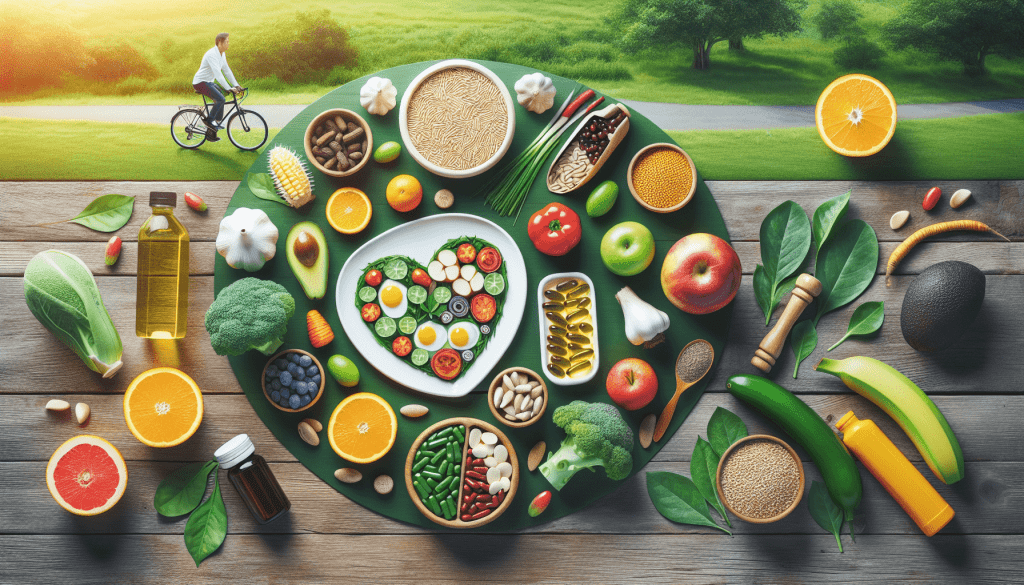
Making dietary changes is an effective way to manage your cholesterol levels and improve your heart health. By incorporating heart-healthy foods into your diet, avoiding saturated and trans fats, and increasing your fiber intake, you can make a significant impact on your cholesterol levels.
Incorporating Heart-Healthy Foods
Including heart-healthy foods in your meals can be a delicious and nutritious way to manage your cholesterol. Foods such as fatty fish (like salmon and trout) that are high in omega-3 fatty acids, nuts (particularly almonds and walnuts), whole grains, fruits, and vegetables are excellent choices. These foods contain beneficial nutrients and fiber that can help lower LDL cholesterol and increase HDL cholesterol.
Avoiding Saturated and Trans Fats
Saturated and trans fats can raise your LDL cholesterol levels and increase your risk of heart disease. To manage your cholesterol, it is important to limit your intake of foods that are high in saturated fats, such as fatty meats, full-fat dairy products, and fried foods. Additionally, it is crucial to avoid trans fats, which can be found in processed snacks, baked goods, and some margarines. Instead, opt for healthier fats like avocados, olive oil, and nuts.
Increasing Fiber Intake
Consuming an adequate amount of dietary fiber can help lower LDL cholesterol levels. Soluble fiber, in particular, is known to bind to cholesterol in your digestive system and remove it from your body. Foods rich in soluble fiber include oats, barley, legumes, fruits, and vegetables. By incorporating these fiber-rich foods into your diet, you can effectively manage your cholesterol levels.
Herbal Remedies for Cholesterol Control
Several herbal remedies have shown promise in managing cholesterol levels naturally. While these remedies should not replace prescribed medications, they can be used as complementary approaches to support overall cholesterol management.
Garlic Supplements
Garlic has long been used for its potential health benefits, including its ability to support healthy cholesterol levels. Garlic supplements, derived from fresh garlic, may help reduce total cholesterol and LDL cholesterol levels. However, it is important to consult with a healthcare professional before starting any supplement regimen.
Artichoke Leaf Extract
Artichoke leaf extract has been studied for its potential cholesterol-lowering effects. It is believed to help inhibit cholesterol synthesis in the liver and increase the breakdown of cholesterol. While more research is needed, incorporating artichoke leaf extract into your routine may be worth considering as part of your cholesterol management plan.
Red Yeast Rice
Red yeast rice is a traditional Chinese ingredient that contains naturally-occurring statins, which are commonly prescribed medications for managing cholesterol. Studies have shown that red yeast rice can significantly reduce LDL cholesterol levels. However, it is important to note that the concentration of active ingredients in red yeast rice products can vary, so it is essential to choose a reputable brand and consult your healthcare professional before use.
Exercise and Physical Activity
Physical activity and exercise are key components of a healthy lifestyle and can have a positive impact on cholesterol levels.
Impact of Exercise on Cholesterol Levels
Regular exercise has been shown to raise HDL cholesterol levels, often referred to as the “good” cholesterol. It can also lower LDL cholesterol and triglyceride levels. Exercise helps to improve blood circulation, strengthen the heart, and promote overall cardiovascular health.
Recommended Exercises for Cholesterol Management
To effectively manage your cholesterol levels, it is recommended to engage in moderate-intensity aerobic exercises such as brisk walking, jogging, swimming, or cycling for at least 150 minutes per week. Additionally, incorporating strength training exercises at least twice a week can help build muscle mass and further support your overall cardiovascular health.
Managing Stress and Anxiety
Stress and anxiety can have a significant impact on cholesterol levels and overall heart health. Finding healthy ways to manage and reduce stress is crucial for cholesterol management.
The Connection Between Stress and Cholesterol
When you experience stress, your body releases stress hormones like cortisol, which can lead to an increase in LDL cholesterol levels. Prolonged stress can also contribute to unhealthy lifestyle choices such as poor dietary habits, lack of exercise, and smoking, all of which can negatively affect cholesterol levels and overall heart health.
Relaxation Techniques for Cholesterol Control
Incorporating relaxation techniques into your daily routine can help manage stress and support cholesterol control. Practices such as deep breathing exercises, meditation, yoga, and mindfulness can promote a sense of calm and reduce the negative impact of stress on your cholesterol levels. Additionally, engaging in hobbies, spending time with loved ones, and getting enough sleep are also essential for managing stress and maintaining overall well-being.
Supplements for Cholesterol Support
Supplements are not intended to replace a healthy diet or prescribed medications, but certain supplements may provide additional support for cholesterol management.
Omega-3 Fatty Acids
Omega-3 fatty acids, commonly found in fish oil supplements, have been shown to have beneficial effects on cholesterol levels. They can help increase HDL cholesterol, reduce triglyceride levels, and decrease inflammation in the body. However, it is important to choose high-quality fish oil supplements and consult with a healthcare professional before starting any supplementation.
Coenzyme Q10
Coenzyme Q10 is a naturally occurring compound that plays a vital role in energy production in the body. Some studies suggest that coenzyme Q10 supplements may help lower LDL cholesterol levels and improve overall heart health. However, more research is needed to fully understand its effects on cholesterol management.
Plant Sterols
Plant sterols are compounds found in fruits, vegetables, nuts, and seeds. They have a similar structure to cholesterol and can compete with dietary cholesterol for absorption in the digestive system. Consuming foods or supplements containing plant sterols can help lower LDL cholesterol levels. It is important to note that plant sterols should be used as part of an overall healthy lifestyle and not as a replacement for prescribed medications.
Lifestyle Changes to Lower Cholesterol
In addition to dietary modifications, several lifestyle changes can contribute to lowering cholesterol levels and improving overall heart health.
Quitting Smoking
Smoking damages blood vessels and lowers HDL cholesterol levels, making it harder for your body to remove LDL cholesterol. Quitting smoking is crucial for cholesterol management and reducing the risk of heart disease. Seek support from healthcare professionals and consider joining smoking cessation programs or support groups for a better chance of success.
Limiting Alcohol Intake
While moderate alcohol consumption may have some heart health benefits, excessive alcohol intake can raise LDL cholesterol levels and contribute to other heart-related problems. It is recommended to limit alcohol intake to moderate levels, which means up to one drink per day for women and up to two drinks per day for men.
The Role of Tea in Cholesterol Management
Tea, particularly green tea and black tea, has been studied for its potential health benefits, including its impact on cholesterol levels.
Green Tea
Green tea contains compounds called catechins that have antioxidant properties. These catechins may help lower LDL cholesterol levels and improve overall heart health. Drinking green tea regularly as part of a healthy lifestyle can potentially support cholesterol management. However, it is important to note that the research on green tea’s effect on cholesterol is still ongoing and more studies are needed to fully understand its potential benefits.
Black Tea
Similar to green tea, black tea contains beneficial compounds that may positively affect cholesterol levels. The theaflavins and thearubigins present in black tea may help reduce LDL cholesterol levels and improve cardiovascular health. Enjoying a cup or two of black tea daily, without added sugars or excessive amounts of milk, can be a delicious way to support your cholesterol management efforts.
Herbal Teas
Herbal teas, such as chamomile, hibiscus, and rooibos, are naturally caffeine-free and offer a variety of flavors and potential health benefits. While they may not directly impact cholesterol levels, these herbal teas can be a great alternative to sugary beverages, which can contribute to weight gain and unhealthy cholesterol levels. Staying hydrated with herbal teas can be a part of a well-rounded cholesterol management plan.
Potential Benefits of Essential Oils
Certain essential oils have gained attention for their potential benefits in supporting overall health, including cholesterol management.
Lavender Oil
Lavender oil is well-known for its relaxing properties and has been used for centuries to calm the mind and promote a sense of tranquility. While it may not have a direct impact on cholesterol levels, incorporating lavender oil into your daily routine through diffusers, massage oils, or bath products can help manage stress, which in turn can positively influence cholesterol levels.
Bergamot Oil
Bergamot oil is derived from the peel of the bergamot fruit and has been found to have potential cholesterol-lowering effects. It contains compounds called polyphenols that can help reduce LDL cholesterol levels. However, it is important to note that bergamot oil should not be ingested and can cause photosensitivity, so it should be used topically or aromatically under proper guidance.
Rosemary Oil
Rosemary oil is a popular essential oil with a variety of potential health benefits. While more research is needed, preliminary studies have suggested that rosemary oil may help lower LDL cholesterol levels. Incorporating rosemary oil into your cooking, using it as a massage oil, or enjoying its aroma through diffusers can be a natural and enjoyable way to support your cholesterol management efforts.
Consulting a Healthcare Professional
While natural remedies can be beneficial in managing cholesterol levels, it is important to consult with a healthcare professional, especially if you have pre-existing medical conditions or are taking medications.
When to Seek Medical Advice
If you are concerned about your cholesterol levels or have a family history of heart disease, it is important to seek medical advice. A healthcare professional can perform a thorough assessment, including blood tests, to determine your cholesterol profile and help develop a personalized cholesterol management plan that may include natural remedies.
Discussing Natural Remedies with Your Doctor
When considering natural remedies, it is important to discuss them with your healthcare professional to ensure they are safe and suitable for your individual needs. They can provide guidance on proper dosages, potential interactions with medications, and monitor your progress to ensure that the natural remedies you choose are effectively supporting your cholesterol management goals.
In conclusion, managing your cholesterol levels is crucial for your overall health and well-being. By making dietary changes, incorporating herbal remedies, engaging in regular exercise, managing stress, and considering supplements, essential oils, and lifestyle changes, you can effectively support your cholesterol management efforts. Always consult with a healthcare professional to create a personalized plan that works best for you, and remember to prioritize your health with regular check-ups and ongoing monitoring. With a comprehensive approach, you can take control of your cholesterol and maintain a healthy heart for years to come.