

In today’s health-conscious world, finding natural ways to lower cholesterol levels is a top priority for many. With so much information available, it can be overwhelming to determine which sources are reliable. However, fear not! This article will guide you through the exploration of natural sources that are packed with cholesterol-lowering vitamins. From delicious fruits to nutrient-rich vegetables, you’ll discover a variety of options to incorporate into your diet that will support your overall heart health. So, let’s embark on this journey of uncovering the wonders of nature’s cholesterol fighters together!

Vitamin C
Overview of Vitamin C
Vitamin C, also known as ascorbic acid, is a water-soluble vitamin that plays a crucial role in maintaining good health. It is widely recognized for its immune-boosting properties and its ability to protect against common illnesses like the cold and flu. In addition to its immune benefits, vitamin C has also been found to be beneficial in lowering cholesterol levels.
Benefits of Vitamin C in Cholesterol-Lowering
Research has shown that vitamin C can have a positive impact on cholesterol levels. It helps to prevent the oxidation of LDL (low-density lipoprotein) cholesterol, also known as “bad” cholesterol. Oxidized LDL cholesterol is more likely to build up in the arteries and lead to heart disease. Vitamin C acts as an antioxidant and helps to neutralize free radicals, which are highly reactive molecules that can promote the oxidation of LDL cholesterol.
Furthermore, studies have indicated that vitamin C can increase the production of HDL (high-density lipoprotein) cholesterol, also known as “good” cholesterol. HDL cholesterol helps to remove LDL cholesterol from the arteries and transport it back to the liver for processing and excretion. By increasing HDL cholesterol levels, vitamin C aids in the removal of excess LDL cholesterol from the body, reducing the risk of plaque formation and clogged arteries.
Natural Sources of Vitamin C
One of the best ways to incorporate vitamin C into your diet is through natural food sources. Citrus fruits, such as oranges, grapefruits, and lemons, are well-known for their high vitamin C content. Other fruits that are rich in vitamin C include kiwi, strawberries, and papaya. Vegetables like bell peppers, broccoli, and spinach are also excellent sources of this vitamin.
It’s important to note that vitamin C is sensitive to heat and light, so it’s best to consume fruits and vegetables in their raw or lightly cooked form to maximize their vitamin C content. Additionally, vitamin C supplements are widely available if you are unable to meet your daily intake through food alone.
Recommended Daily Intake of Vitamin C
The recommended daily intake of vitamin C varies depending on age, sex, and life stage. For adults, the recommended intake is around 75-90 milligrams per day. However, it’s important to consult with a healthcare professional to determine the appropriate dosage for your specific needs. Overdosing on vitamin C is rare since excess amounts are excreted in the urine, but high doses may cause digestive discomfort or diarrhea in some individuals.
Vitamin E
Overview of Vitamin E
Vitamin E is a fat-soluble vitamin with powerful antioxidant properties. It consists of a group of compounds called tocopherols, which function to protect cells from the damaging effects of free radicals. In addition to its antioxidant benefits, vitamin E has also been shown to have a positive impact on cholesterol levels.
Benefits of Vitamin E in Cholesterol-Lowering
Studies have suggested that vitamin E can help lower LDL cholesterol levels and reduce the risk of heart disease. Like vitamin C, it acts as an antioxidant and helps to prevent the oxidation of LDL cholesterol. By inhibiting the oxidation process, vitamin E reduces the buildup of plaque in the arteries and improves overall cardiovascular health.
Furthermore, vitamin E has been found to increase the production of HDL cholesterol, which helps to remove excess LDL cholesterol from the bloodstream. This dual effect of reducing LDL cholesterol and increasing HDL cholesterol levels contributes to a healthier cholesterol profile and a lower risk of heart disease.
Natural Sources of Vitamin E
Nuts and seeds are excellent sources of vitamin E. Almonds, sunflower seeds, and hazelnuts are particularly rich in this vitamin. Vegetable oils, such as wheat germ oil, sunflower oil, and safflower oil, are also good sources. Additionally, spinach, kale, and avocado contain moderate amounts of vitamin E.
As with vitamin C, it’s important to consume these food sources in their raw or lightly cooked form to preserve their vitamin E content. If dietary intake is insufficient, vitamin E supplements can be taken under the guidance of a healthcare professional.
Recommended Daily Intake of Vitamin E
The recommended daily intake of vitamin E depends on age and sex. For most adults, the recommended intake is around 15 milligrams. However, it’s important to consult with a healthcare professional to determine the appropriate dosage for your specific needs. Excessive intake of vitamin E through supplements may interfere with blood clotting, so it’s important to follow recommended guidelines.
Vitamin B5
Overview of Vitamin B5
Vitamin B5, also known as pantothenic acid, is one of the B-complex vitamins. It plays a vital role in the production of energy from food and the synthesis of various important compounds in the body. Along with its energy-boosting benefits, vitamin B5 has also been found to have cholesterol-lowering properties.
Benefits of Vitamin B5 in Cholesterol-Lowering
Research suggests that vitamin B5 can help lower LDL cholesterol levels and increase HDL cholesterol levels. It appears to do so by promoting the breakdown of cholesterol and supporting the efficient functioning of the liver, which is responsible for processing cholesterol.
Vitamin B5 also plays a role in reducing triglyceride levels in the blood. High triglyceride levels are associated with an increased risk of heart disease. By helping to lower triglyceride levels and improving overall cholesterol levels, vitamin B5 contributes to better cardiovascular health.
Natural Sources of Vitamin B5
Vitamin B5 can be found in a variety of foods, both plant-based and animal-based. Some of the best sources of vitamin B5 include liver, eggs, salmon, avocados, mushrooms, and lentils. Whole grains, such as brown rice and oats, are also good sources of this vitamin. Incorporating these foods into your diet can help ensure an adequate intake of vitamin B5.
If needed, vitamin B5 supplements are available, but it’s often best to obtain this vitamin through whole foods whenever possible.
Recommended Daily Intake of Vitamin B5
The recommended daily intake of vitamin B5 varies depending on age and sex. For most adults, the recommended intake is around 5 milligrams. However, it’s important to consult with a healthcare professional to determine the appropriate dosage for your specific needs. Vitamin B5 is generally considered safe, even at high doses, as excess amounts are easily excreted in the urine.
Vitamin B3
Overview of Vitamin B3
Vitamin B3, also known as niacin, is another member of the B-complex family of vitamins. It plays a crucial role in energy metabolism and the synthesis of important molecules in the body. In addition to its energy-boosting properties, vitamin B3 has been found to have a positive impact on cholesterol levels.
Benefits of Vitamin B3 in Cholesterol-Lowering
Research has shown that vitamin B3 can help lower LDL cholesterol levels and increase HDL cholesterol levels. It achieves this by inhibiting the production of VLDL (very-low-density lipoprotein) cholesterol, a precursor to LDL cholesterol.
Furthermore, vitamin B3 has been found to lower triglyceride levels, which are associated with an increased risk of heart disease. By addressing both LDL cholesterol and triglyceride levels, vitamin B3 contributes to a healthier cholesterol profile and reduces the risk of cardiovascular problems.
Natural Sources of Vitamin B3
Vitamin B3 can be found in both plant-based and animal-based foods. Animal sources such as meat, poultry, and fish are particularly rich in vitamin B3. Plant-based sources include whole grains, legumes, nuts, and seeds. Mushrooms and avocados also contain small amounts of this vitamin.
Supplementary forms of vitamin B3, such as niacin supplements, are available, but it’s generally best to obtain this vitamin through a balanced diet.
Recommended Daily Intake of Vitamin B3
The recommended daily intake of vitamin B3 varies depending on age, sex, and life stage. For most adults, the recommended intake is around 14-16 milligrams for women and 16-18 milligrams for men. However, it’s important to consult with a healthcare professional to determine the appropriate dosage for your specific needs. High doses of niacin can cause flushing or liver damage, so it’s important to follow recommended guidelines.
Fiber
Role of Fiber in Cholesterol-Lowering
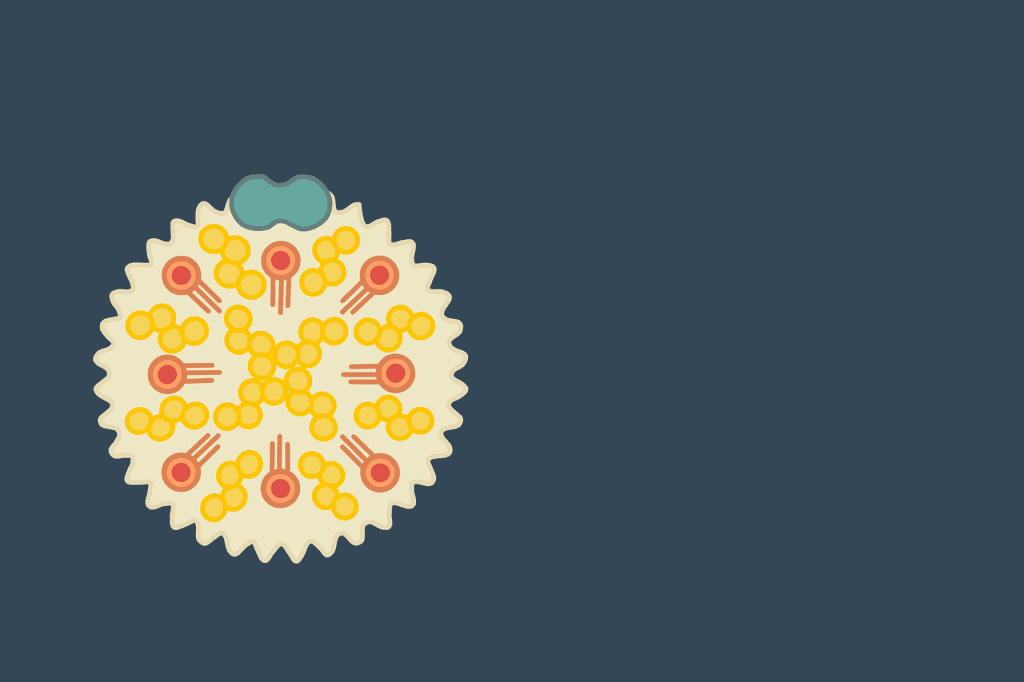
Fiber is a type of carbohydrate that is indigestible by the human body. While it may not provide energy in the form of calories, fiber plays a crucial role in maintaining good health, particularly in relation to cholesterol levels. There are two main types of fiber: soluble fiber and insoluble fiber.
Soluble fiber, in particular, has been found to have cholesterol-lowering effects. It works by binding to cholesterol in the digestive system and preventing its absorption into the bloodstream. This leads to a decrease in LDL cholesterol levels and an improvement in overall cardiovascular health.
Types of Fiber
In addition to soluble fiber, insoluble fiber also has numerous health benefits. It aids in digestion by adding bulk to the stool and promoting regular bowel movements. Insoluble fiber also helps to prevent constipation and maintain a healthy digestive system.
Both types of fiber can be found in a variety of foods, including fruits, vegetables, whole grains, legumes, nuts, and seeds. By incorporating a wide range of fiber-rich foods into your diet, you can enjoy the benefits of both soluble and insoluble fiber.
Natural Sources of Soluble Fiber
Some excellent sources of soluble fiber include oats, barley, legumes (such as beans and lentils), apples, citrus fruits, and berries. These foods not only provide fiber but also contain other important nutrients and antioxidants that contribute to overall health.
It’s important to note that different foods contain varying amounts of fiber, so it’s beneficial to consume a variety of fruits, vegetables, whole grains, and legumes to ensure an adequate intake of fiber.
Recommended Daily Intake of Fiber
The recommended daily intake of fiber varies depending on age and sex. For most adults, the recommended intake is around 25-38 grams. However, it’s important to consult with a healthcare professional to determine the appropriate dosage for your specific needs. Increasing fiber intake gradually and staying well-hydrated can help prevent digestive discomfort and ensure the best results.
Omega-3 Fatty Acids
Impact of Omega-3 Fatty Acids on Cholesterol Levels
Omega-3 fatty acids are a type of polyunsaturated fat that is essential for overall health. They are known for their anti-inflammatory properties and their importance in brain health. Omega-3 fatty acids have also been found to have a positive impact on cholesterol levels.
Research has shown that omega-3 fatty acids can help decrease triglyceride levels, reduce inflammation in the blood vessels, and improve overall cardiovascular health. By addressing these factors, omega-3 fatty acids contribute to a healthier cholesterol profile and lower the risk of heart disease.
Sources of Omega-3 Fatty Acids
Some of the best food sources of omega-3 fatty acids include fatty fish, such as salmon, mackerel, and sardines. Other seafood, like shrimp and oysters, also contain omega-3 fatty acids but in smaller amounts. Chia seeds, flaxseeds, and walnuts are plant-based sources that are rich in omega-3 fatty acids.
To ensure an adequate intake of omega-3 fatty acids, it’s recommended to consume fatty fish at least twice a week and incorporate plant-based sources into your diet regularly. Omega-3 fatty acid supplements, such as fish oil capsules, are available, but it’s important to consult with a healthcare professional before starting any supplement regimen.
Recommended Daily Intake of Omega-3 Fatty Acids
The recommended daily intake of omega-3 fatty acids varies depending on age and sex. For most adults, the recommended intake is around 250-500 milligrams. However, it’s important to consult with a healthcare professional to determine the appropriate dosage for your specific needs. Omega-3 fatty acid supplements may interact with certain medications or have side effects, so it’s important to seek professional guidance.

Plant Sterols
Overview of Plant Sterols
Plant sterols, also known as phytosterols, are naturally occurring compounds found in plants. They have a similar structure to cholesterol and can help reduce cholesterol absorption in the body. Plant sterols are not produced by the human body, so it’s important to obtain them through dietary sources.
Benefits of Plant Sterols in Cholesterol-Lowering
Research has shown that plant sterols can help lower LDL cholesterol levels. They work by competing with cholesterol for absorption in the intestines, resulting in a decrease in cholesterol absorption. By reducing cholesterol absorption, plant sterols help lower LDL cholesterol levels and improve overall cardiovascular health.
Natural Sources of Plant Sterols
Plant sterols are found in varying amounts in many fruits, vegetables, nuts, and seeds. Some of the best sources of plant sterols include almonds, peanuts, sunflower seeds, avocados, and whole grains. Many food products, such as margarine spreads, yogurt, and milk, are also fortified with plant sterols to provide an additional dietary source.
To ensure an adequate intake of plant sterols, it’s beneficial to incorporate a variety of plant-based foods into your diet. Additionally, plant sterol-enriched products can be a convenient way to increase your intake.
Recommended Daily Intake of Plant Sterols
The recommended daily intake of plant sterols is around 2 grams per day. However, it’s important to consult with a healthcare professional to determine the appropriate dosage for your specific needs. Plant sterols are generally considered safe, but high doses may interfere with the absorption of fat-soluble vitamins.
Garlic
Effectiveness of Garlic in Cholesterol-Lowering
Garlic has been used for centuries for its medicinal properties. It contains a compound called allicin, which is responsible for its distinctive odor and many of its health benefits. While the research on garlic’s cholesterol-lowering effects is mixed, some studies suggest that it may have a modest impact on reducing LDL cholesterol levels.
Garlic appears to work by inhibiting the synthesis of cholesterol in the liver and enhancing the breakdown of cholesterol. It may also have antioxidant and anti-inflammatory effects that contribute to its cholesterol-lowering properties.
Recommended Daily Intake of Garlic
There is no specific recommended daily intake of garlic for cholesterol-lowering purposes. However, incorporating garlic into your diet can be beneficial for overall health. It can be consumed raw, cooked, or in supplement form. If you choose to take garlic supplements, it’s important to follow the recommended dosage and consult with a healthcare professional.
Other Health Benefits of Garlic
In addition to its potential cholesterol-lowering effects, garlic has many other health benefits. It has been shown to have antibacterial, antiviral, and antifungal properties, making it a great natural remedy for various infections. Garlic may also help boost the immune system, reduce blood pressure, and improve cardiovascular health.

Ginger
Cholesterol-Lowering Properties of Ginger
Ginger is a root spice that has been used for centuries in traditional medicine. It has a unique flavor and is often used in culinary dishes and beverages. While its cholesterol-lowering effects are not as well-studied as some other natural remedies, ginger has been shown to have potential benefits in improving cholesterol levels.
One study found that ginger extract reduced total cholesterol and LDL cholesterol levels in rats fed a high-fat diet. However, further research is needed to determine the specific mechanisms through which ginger affects cholesterol levels in humans.
Recommended Daily Intake of Ginger
There is no specific recommended daily intake of ginger for cholesterol-lowering purposes. However, ginger can be incorporated into your diet in various ways. It can be added to teas, smoothies, stir-fries, or used as a spice in cooking. Ginger supplements are also available, but it’s important to follow the recommended dosage and consult with a healthcare professional.
Other Health Benefits of Ginger
Ginger has many other potential health benefits. It is well-known for its anti-inflammatory properties and is often used to alleviate symptoms of nausea and vomiting. Ginger may also help reduce muscle pain and soreness, improve digestion, and support the immune system. As with any natural remedy, it’s important to use ginger in moderation and seek professional advice if you have any underlying health conditions or are taking medications.
Turmeric
Role of Turmeric in Lowering Cholesterol
Turmeric is a bright yellow spice commonly used in Asian cuisine. It contains a compound called curcumin, which is responsible for its vibrant color and numerous health benefits. While the research on turmeric’s specific effects on cholesterol levels is limited, curcumin has been found to have potential cholesterol-lowering properties.
Animal studies have shown that curcumin can reduce LDL cholesterol levels and inhibit the oxidation of LDL cholesterol. It may also help increase HDL cholesterol levels and improve overall cholesterol balance. However, further research is needed to better understand the impact of turmeric on cholesterol levels in humans.
Recommended Daily Intake of Turmeric
There is no specific recommended daily intake of turmeric for cholesterol-lowering purposes. However, turmeric can be incorporated into your diet in various ways. It can be used as a spice in cooking, added to smoothies, or taken as a supplement. It’s important to follow recommended dosages for turmeric supplements and consult with a healthcare professional.
Other Health Benefits of Turmeric
In addition to its potential cholesterol-lowering effects, turmeric has numerous other health benefits. Curcumin, the active compound in turmeric, has potent anti-inflammatory and antioxidant properties. It may help reduce chronic inflammation, support brain health, improve digestion, and even protect against certain types of cancer. Adding turmeric to your diet can be a flavorful way to boost your overall health and well-being.
In conclusion, maintaining healthy cholesterol levels is essential for optimal cardiovascular health. While medication and lifestyle changes play a significant role in managing cholesterol, incorporating natural sources of cholesterol-lowering vitamins and nutrients into your diet can provide additional support. Vitamin C, vitamin E, vitamin B5, vitamin B3, fiber, omega-3 fatty acids, plant sterols, garlic, ginger, and turmeric all offer potential benefits for cholesterol management. However, it’s important to consult with a healthcare professional before making any drastic changes to your diet or starting any new supplements. By combining a nutritious diet, regular exercise, and proper medical guidance, you can take proactive steps towards maintaining healthy cholesterol levels and supporting overall heart health.
