If you’re looking for safe and effective ways to lower your cholesterol levels without any unpleasant side effects, this article is for you. Discover the best natural remedies that can help you maintain a healthy cholesterol balance, without the need for medication or invasive procedures. With these simple yet powerful methods, you can take control of your cholesterol levels and improve your overall health naturally. Say goodbye to harmful side effects and hello to a happier, healthier you.
Dietary Changes
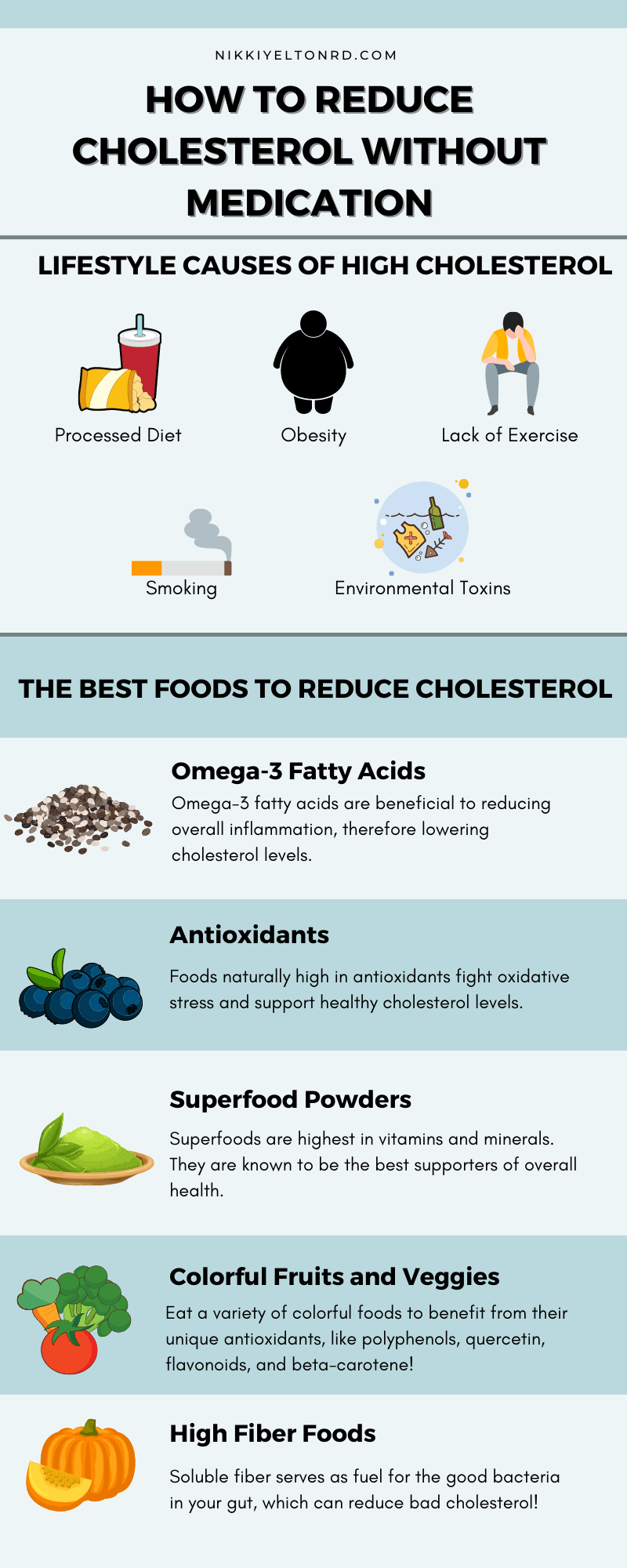
Changing your diet is one of the most effective ways to manage your cholesterol levels. By making a few simple adjustments to what you eat, you can reduce the amount of cholesterol your body absorbs and improve your overall cardiac health. There are several dietary changes that you can implement to help lower your cholesterol, including avoiding trans fats, limiting saturated fats, and increasing fiber intake.
Avoid Trans Fats
Trans fats are a type of unhealthy fat that is commonly found in many processed foods, such as packaged snacks, fried foods, and baked goods. Consuming trans fats can increase your LDL (bad) cholesterol levels while lowering your HDL (good) cholesterol levels, putting you at a higher risk for heart disease. To avoid trans fats, be sure to read food labels carefully and steer clear of items that contain partially hydrogenated oils.
Limit Saturated Fats
While some fat is necessary for good health, it’s important to limit your intake of saturated fats. These fats are primarily found in animal products like red meat, butter, and full-fat dairy products. Consuming high amounts of saturated fats can cause your liver to produce more cholesterol, leading to a buildup in your arteries. To limit your saturated fat intake, opt for lean cuts of meat, choose low-fat dairy alternatives, and cook with healthier oils like olive or avocado oil.
Increase Fiber Intake
Increasing your fiber intake is another effective dietary change you can make to help manage your cholesterol levels. Soluble fiber, in particular, can help lower LDL cholesterol by binding to cholesterol in the digestive system and removing it from the body. Good sources of soluble fiber include fruits, vegetables, whole grains, and legumes. Aim for at least 25 to 30 grams of fiber per day to reap the cholesterol-lowering benefits.
Herbal Supplements
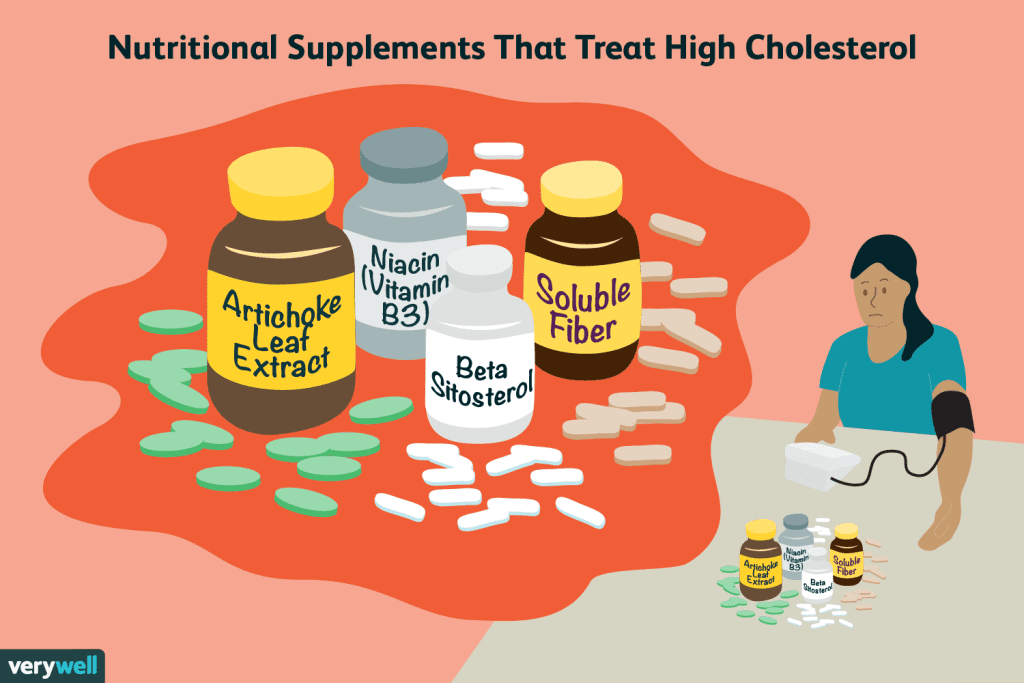
In addition to dietary changes, incorporating herbal supplements into your daily routine can provide an extra boost to your cholesterol management efforts. Several herbs have been found to help lower cholesterol levels naturally, including garlic, red yeast rice, and artichoke leaf extract.
Garlic
Garlic has long been used for its culinary and medicinal properties. Studies have shown that garlic can help reduce total cholesterol levels and decrease LDL cholesterol levels. It can also help prevent blood clots and lower blood pressure. Incorporating garlic into your meals or taking garlic supplements can be an effective way to harness its cholesterol-lowering benefits.
Red Yeast Rice
Red yeast rice is a traditional Chinese medicine that has been shown to lower LDL cholesterol levels. It contains a compound called monacolin K, which inhibits the production of cholesterol in the liver. When taken as a supplement, red yeast rice can help lower LDL cholesterol levels without the side effects commonly associated with statin medications.
Artichoke Leaf Extract
Artichoke leaf extract has been used for centuries for its medicinal properties. It contains compounds called cynarin and luteolin, which have been shown to decrease LDL cholesterol levels. Artichoke leaf extract can also help improve liver function and increase bile production, which aids in the digestion and absorption of fats. Adding artichoke leaf extract to your daily routine may help lower your cholesterol levels naturally.
Physical Activity
Alongside dietary changes and herbal supplements, incorporating regular physical activity into your routine is crucial for managing your cholesterol levels. Engaging in cardiovascular exercises, strength training, and activities like yoga or tai chi can all benefit your cardiovascular health.
Cardiovascular Exercises
Engaging in aerobic exercises, such as jogging, cycling, or swimming, can help increase your heart rate, improve blood flow, and burn calories. Aim for at least 150 minutes of moderate-intensity aerobic exercise or 75 minutes of vigorous-intensity exercise per week to reap the cardiovascular benefits and help lower your cholesterol levels.
Strength Training
Strength training exercises, such as lifting weights or using resistance bands, can help build muscle mass, increase metabolism, and improve overall cardiovascular health. Incorporate strength training into your routine at least twice a week, focusing on major muscle groups like your arms, legs, chest, back, and core.
Yoga or Tai Chi
In addition to cardiovascular and strength training exercises, incorporating activities like yoga or tai chi can provide additional benefits to your cholesterol management efforts. These exercises help reduce stress levels, improve flexibility, and promote relaxation. By reducing stress and promoting overall well-being, yoga or tai chi can indirectly contribute to healthier cholesterol levels.
Lifestyle Modifications
When it comes to managing cholesterol levels, making certain lifestyle modifications is equally important as dietary changes and exercise. Quitting smoking, cutting back on alcohol, and managing stress are all crucial elements in maintaining healthy cholesterol levels.
Quit Smoking
Smoking cigarettes not only damages the lungs but also has a detrimental effect on cholesterol levels. Smoking lowers levels of HDL cholesterol while increasing LDL cholesterol and triglycerides. Quitting smoking can improve your HDL cholesterol levels, reduce your risk of heart disease, and decrease your overall cholesterol levels.
Cut Back on Alcohol
While moderate alcohol consumption may have some potential health benefits, excessive alcohol intake can lead to high cholesterol levels and other cardiovascular issues. To help manage your cholesterol levels, it is best to limit alcohol consumption to moderate levels, which means up to one drink per day for women and up to two drinks per day for men.
Manage Stress
Long-term stress can wreak havoc on your cholesterol levels and overall cardiac health. Chronic stress has been linked to elevated cholesterol levels, increased blood pressure, and inflammation in the body. Finding healthy ways to manage stress, such as practicing relaxation techniques, engaging in daily exercise, or seeking support from friends and family, can help lower your cholesterol and improve your overall well-being.
Plant Sterols and Stanols
Plant sterols and stanols are compounds found in certain plant-based foods that can help lower cholesterol levels. They work by blocking the absorption of cholesterol in the intestines, reducing the amount of LDL cholesterol that enters the bloodstream. Incorporating plant sterols and stanols into your diet can be done by consuming foods fortified with these compounds or by taking supplements.
Include Plant Sterol/Stanols in Diet
To effectively lower your cholesterol levels, it is recommended to consume about 2 grams of plant sterols or stanols per day. Foods that are naturally rich in these compounds include nuts, seeds, whole grains, legumes, fruits, and vegetables. Incorporate these foods into your daily meals to help lower your LDL cholesterol levels.
Use Fortified Foods
In addition to naturally rich sources, you can also opt for fortified foods to increase your intake of plant sterols and stanols. These fortified foods, such as margarine, yogurt, and orange juice, have higher concentrations of these compounds and can be a convenient way to enhance your cholesterol-lowering efforts. Be sure to check the labels and choose products that are specifically fortified with plant sterols or stanols.
Omega-3 Fatty Acids
Omega-3 fatty acids are a type of healthy fat that have been shown to have numerous benefits for cardiovascular health, including lowering cholesterol levels. Incorporating omega-3 fatty acids into your diet can be done by consuming fatty fish or by taking fish oil supplements.
Eat Fatty Fish
Fatty fish, such as salmon, mackerel, sardines, and trout, are excellent sources of omega-3 fatty acids. These fatty acids help reduce inflammation in the body, lower triglyceride levels, and increase HDL cholesterol levels. Aim to consume fatty fish at least twice a week to reap the cholesterol-lowering benefits.
Take Fish Oil Supplements
If you are unable to consume fatty fish regularly, fish oil supplements can serve as an alternative way to increase your omega-3 fatty acid intake. Fish oil supplements are available in capsule or liquid form and can provide the same cardiovascular benefits as consuming fatty fish. When selecting a fish oil supplement, be sure to choose a high-quality product that is purified and free from contaminants.
Apple Cider Vinegar
Apple cider vinegar has gained popularity in recent years for its potential health benefits, including its ability to help manage cholesterol levels. There are two main ways to incorporate apple cider vinegar into your routine – by drinking it or using it in salads or dressings.
Drink Apple Cider Vinegar
To harness the potential cholesterol-lowering benefits of apple cider vinegar, mix one to two tablespoons of it with a glass of water and drink it before meals. The acetic acid in apple cider vinegar may help reduce total cholesterol and triglyceride levels, thus improving overall cardiovascular health. Start with a small amount and gradually increase the dosage as tolerated.
Use it in Salads or Dressings
Another way to incorporate apple cider vinegar into your diet is by using it in salads or dressings. It adds a tangy flavor to your meals while potentially contributing to better cholesterol management. Be creative and experiment with different recipes to enjoy the benefits of apple cider vinegar while providing a tasty addition to your diet.
Green Tea
Green tea is a popular beverage that has been consumed for centuries for its numerous health benefits. It is rich in antioxidants called catechins, which have been found to help lower LDL cholesterol levels. Incorporating green tea into your daily routine may help improve your overall cholesterol profile.
Drink Green Tea Regularly
To reap the cholesterol-lowering benefits of green tea, make it a habit to drink it regularly. Aim for at least two to three cups of green tea per day to maximize the potential health benefits. Green tea can be enjoyed hot or cold, and adding a touch of honey or lemon can enhance its flavor.
Try Green Tea Extract
If you are not a fan of drinking green tea or find it challenging to incorporate it into your routine, green tea extract is a convenient alternative. Green tea extract is available in supplement form and provides a concentrated dose of catechins. When opting for green tea extract, be sure to choose a reputable brand and follow the recommended dosage instructions.
Magnesium
Magnesium is an essential mineral that plays a vital role in various bodily processes, including maintaining a healthy heart and regulating cholesterol levels. Increasing your magnesium intake can be achieved through both diet and supplements.
Increase Magnesium Intake
Incorporate magnesium-rich foods into your diet to naturally increase your intake. Good food sources of magnesium include green leafy vegetables, nuts and seeds, whole grains, legumes, and dark chocolate. By consuming a variety of these foods, you can help ensure you are meeting your daily magnesium requirements.
Take Magnesium Supplements
If it is challenging to obtain enough magnesium through diet alone, magnesium supplements can be a useful option to consider. Magnesium supplements are available in different forms, such as capsules, tablets, or powders. When choosing a magnesium supplement, look for one that is easily absorbed by the body, such as magnesium citrate or magnesium glycinate.
Berberine
Berberine is a compound commonly found in various plants and has been used in traditional medicine for centuries. Recent studies have shown that berberine can effectively lower cholesterol levels and reduce the risk of heart disease.
Try Berberine Supplements
Berberine supplements are available in capsule or tablet form and can be taken daily to help manage your cholesterol levels. These supplements work by inhibiting an enzyme involved in cholesterol synthesis, thereby reducing LDL cholesterol levels. When considering berberine supplements, consult with your healthcare provider to ensure it is safe and appropriate for you.
Include Berberine-Rich Foods
If you prefer a more natural approach, incorporating berberine-rich foods into your diet can provide similar benefits. Some examples of foods rich in berberine include goldenseal, barberry, and Oregon grape. These foods can be consumed in their whole form or taken as herbal supplements, providing an alternative way to incorporate berberine into your cholesterol-lowering efforts.
In conclusion, managing cholesterol levels without side effects can be successfully achieved through a combination of dietary changes, herbal supplements, physical activity, and lifestyle modifications. By implementing the tips discussed in this article, you can proactively take control of your cholesterol levels and improve your overall cardiovascular health. Remember to consult with your healthcare provider before making any significant changes or starting any new supplements to ensure they are safe for you. With dedication and consistency, you can achieve optimal cholesterol levels and enjoy a heart-healthy life.