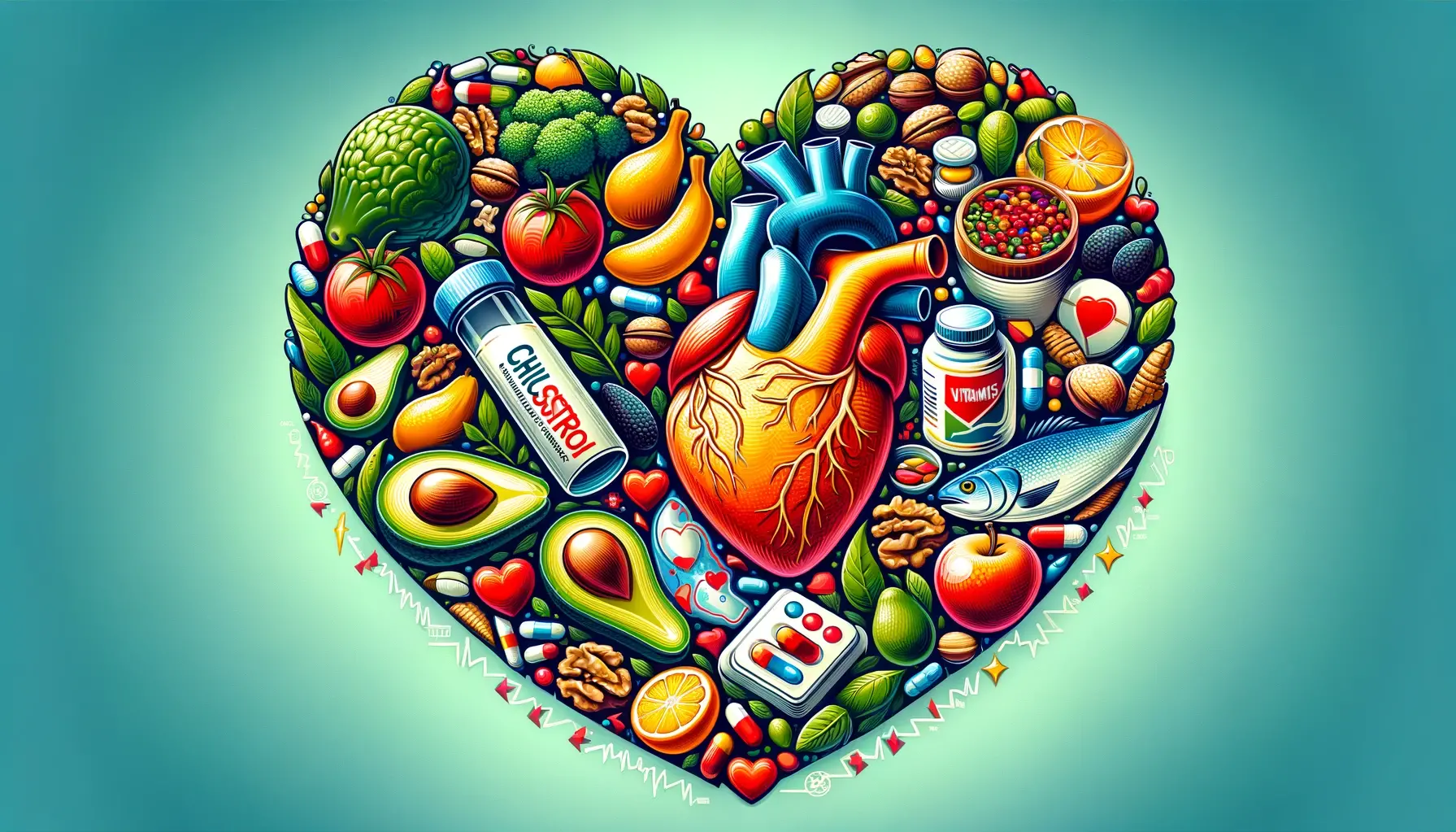

Hello there! Are you looking to improve your cholesterol levels through your diet? In this article, you’ll find a helpful guide on choosing the right cholesterol-lowering foods to incorporate into your daily meals. From heart-healthy fats to fiber-rich options, you’ll learn about the best foods to add to your shopping list for a healthier heart. Let’s get started on your journey to better heart health! Have you been told by your doctor that your cholesterol levels are too high? Are you looking to make some changes to your diet to help improve your heart health? If so, you’ve come to the right place. In this buyer’s guide, we’ll walk you through everything you need to know about choosing cholesterol-lowering foods that can make a positive impact on your health.
Understanding Cholesterol
Cholesterol is a waxy substance that is found in the blood and in every cell in your body. While your body needs some cholesterol to function properly, too much cholesterol can build up in your arteries and lead to heart disease. There are two main types of cholesterol: LDL (low-density lipoprotein) which is considered “bad” cholesterol, and HDL (high-density lipoprotein) which is considered “good” cholesterol.
When it comes to managing your cholesterol levels, it’s important to focus on lowering your LDL cholesterol and raising your HDL cholesterol. This can be done through a combination of diet, exercise, and lifestyle changes. One of the most effective ways to lower your LDL cholesterol is by choosing the right foods.

Foods to Avoid
When it comes to managing your cholesterol levels, there are certain foods that you should try to avoid or limit in your diet. These include:
-
Trans Fats: Found in processed foods, baked goods, and fried foods, trans fats can raise your LDL cholesterol levels while lowering your HDL cholesterol levels. Look for “partially hydrogenated oils” on food labels to identify trans fats.
-
Saturated Fats: Found in animal products like red meat, butter, and cheese, saturated fats can also raise your LDL cholesterol levels. It’s best to opt for lean protein sources like chicken, fish, and plant-based proteins instead.
-
Dietary Cholesterol: While dietary cholesterol isn’t as impactful on your blood cholesterol levels as saturated and trans fats, it’s still a good idea to limit your intake of foods high in cholesterol like egg yolks and organ meats.
By avoiding these types of foods and focusing on a diet rich in fruits, vegetables, whole grains, and lean proteins, you can help improve your cholesterol levels and reduce your risk of heart disease.

Foods to Choose
Now that you know which foods to avoid, let’s talk about the foods that can help lower your cholesterol levels. These cholesterol-lowering foods are packed with nutrients that can help optimize your heart health:
1. Soluble Fiber
Soluble fiber is a type of fiber that dissolves in water and forms a gel-like substance in your digestive tract. This gel can help lower your LDL cholesterol levels by binding to cholesterol particles and carrying them out of your body. Foods that are high in soluble fiber include:
- Oats
- Barley
- Beans
- Lentils
- Apples
- Citrus fruits
Including these foods in your diet can help lower your LDL cholesterol levels and improve your overall heart health.
2. Plant Sterols and Stanols
Plant sterols and stanols are plant-based compounds that have a similar structure to cholesterol. They work by blocking the absorption of cholesterol in your intestines, which can help lower your LDL cholesterol levels. Foods that are fortified with plant sterols and stanols include:
- Margarine
- Orange juice
- Yogurt drinks
Adding these fortified foods to your diet can be an easy and convenient way to help lower your cholesterol levels.
3. Fatty Fish
Fatty fish like salmon, mackerel, and herring are rich in omega-3 fatty acids, which have been shown to lower triglycerides and raise HDL cholesterol levels. Aim to include fatty fish in your diet at least twice a week to reap the heart-healthy benefits of omega-3 fatty acids.
4. Nuts and Seeds
Nuts and seeds are packed with healthy fats, fiber, and antioxidants that can help lower your LDL cholesterol levels. Some of the best nuts and seeds for heart health include:
- Almonds
- Walnuts
- Chia seeds
- Flaxseeds
Snack on a handful of nuts or sprinkle seeds on top of salads and yogurt to add a heart-healthy boost to your meals.
5. Olive Oil
Olive oil is a staple of the Mediterranean diet, which is known for its heart-healthy benefits. Rich in monounsaturated fats and antioxidants, olive oil can help lower your LDL cholesterol levels and reduce inflammation in your body. Use olive oil in cooking, salad dressings, and marinades to add flavor and heart-healthy benefits to your meals.
By incorporating these cholesterol-lowering foods into your diet, you can make a positive impact on your heart health and overall well-being. Remember to focus on a balanced diet that includes a variety of nutrient-dense foods to support your cholesterol goals.

Reading Food Labels
When shopping for cholesterol-lowering foods, it’s important to pay attention to food labels to ensure you’re making the best choices for your health. Here are some key things to look for on food labels:
-
Trans Fats: Check the ingredients list for “partially hydrogenated oils”, which indicate the presence of trans fats in the product.
-
Saturated Fats: Aim to choose foods that are low in saturated fats and opt for lean protein sources whenever possible.
-
Fiber Content: Look for foods that are high in fiber, especially soluble fiber, to help lower your LDL cholesterol levels.
-
Cholesterol Content: While dietary cholesterol isn’t as impactful on your blood cholesterol levels as previously thought, it’s still a good idea to limit your intake of foods high in cholesterol.
By becoming familiar with how to read food labels, you can make informed choices about the foods you purchase and consume to support your heart health goals.

Meal Planning and Preparation
Meal planning and preparation can play a key role in helping you incorporate more cholesterol-lowering foods into your diet. Here are some tips to make meal planning easier and more effective:
-
Plan Ahead: Take some time at the beginning of each week to plan your meals and snacks. Aim to include a variety of cholesterol-lowering foods in each meal to maximize their heart-healthy benefits.
-
Prep in Advance: Wash, chop, and portion out fruits, vegetables, and other ingredients to make meal preparation quick and easy throughout the week. Consider batch cooking grains, beans, and proteins to save time on busy days.
-
Explore New Recipes: Look for recipes that feature cholesterol-lowering foods as the main ingredients. Experiment with different cooking methods and flavor combinations to keep your meals exciting and flavorful.
By incorporating these meal planning and preparation tips into your routine, you can make it easier to stick to a heart-healthy diet and support your cholesterol goals.

Supplementing with Cholesterol-Lowering Foods
In addition to incorporating cholesterol-lowering foods into your diet, you may also consider supplementing with specific nutrients that can help optimize your heart health. Some key supplements to consider include:
-
Fish Oil: Fish oil supplements are rich in omega-3 fatty acids, which have been shown to lower triglycerides and reduce inflammation in the body. Look for fish oil supplements that are high in EPA and DHA for maximum heart-healthy benefits.
-
Plant Sterols and Stanols: If you struggle to get enough plant sterols and stanols in your diet, consider supplementing with a plant sterol or stanol supplement to help lower your LDL cholesterol levels.
-
Coenzyme Q10: Coenzyme Q10 is a powerful antioxidant that can help support heart health and reduce inflammation in the body. Consider taking a coenzyme Q10 supplement to support your overall cardiovascular health.
Before starting any new supplements, it’s important to consult with your healthcare provider to ensure they are safe and appropriate for your individual needs. Your doctor can help determine the right dosage and form of supplements for your specific health goals.
In conclusion, choosing cholesterol-lowering foods is an important step in managing your cholesterol levels and supporting your heart health. By focusing on a diet rich in soluble fiber, plant sterols and stanols, fatty fish, nuts and seeds, and olive oil, you can make a positive impact on your cholesterol levels and reduce your risk of heart disease. Remember to read food labels, plan and prepare meals in advance, and consider supplementing with key nutrients to optimize your heart health. With these strategies in place, you can take control of your cholesterol levels and improve your overall well-being.