
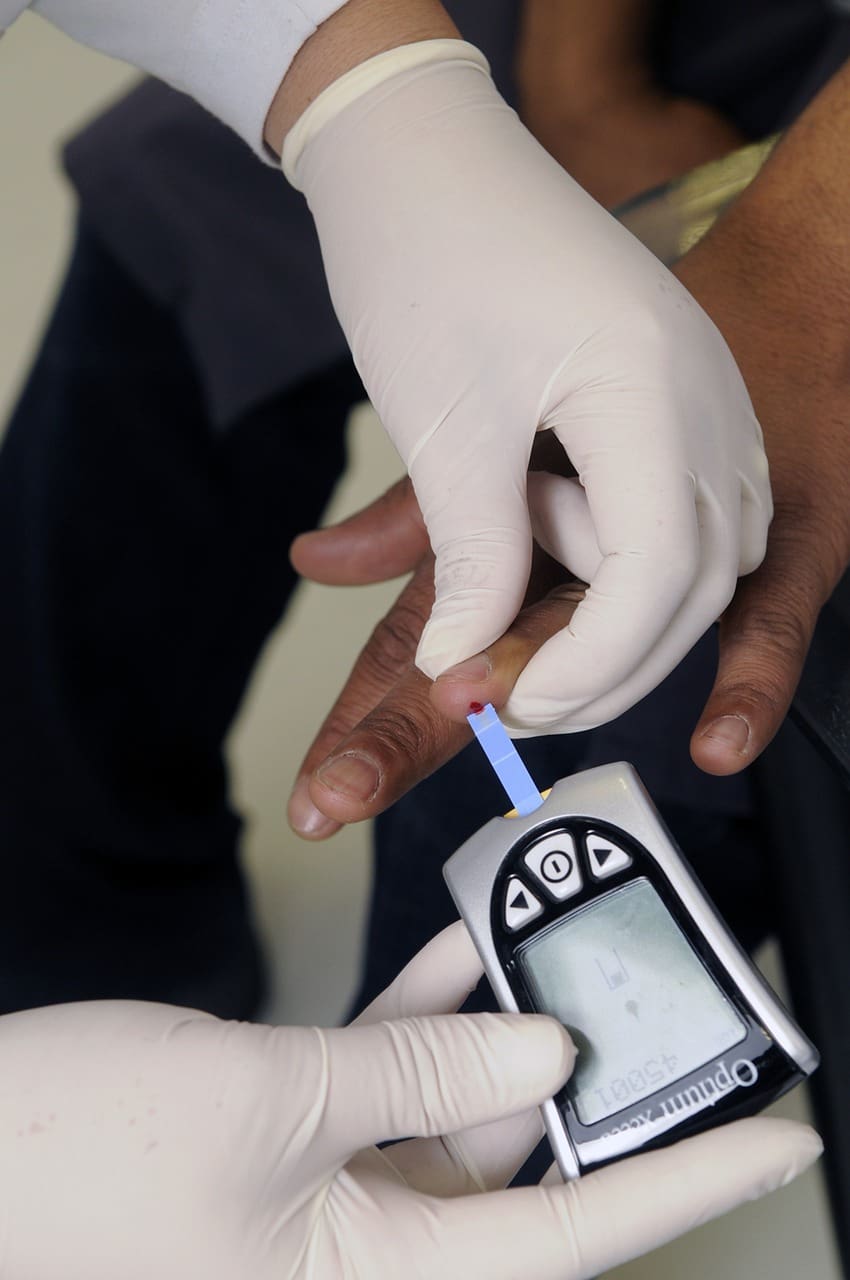
Welcome to “Understanding Cholesterol Medications: A Guide for Patients.” In this informative article, you will learn about the different types of cholesterol medications available, how they work to lower cholesterol levels, and important tips for taking them effectively. Whether you have just been prescribed a cholesterol medication or are looking to better understand your current treatment plan, this guide will provide you with the knowledge you need to manage your cholesterol levels and improve your heart health. Let’s dive in and empower you to take control of your health! Hey there! Have you been diagnosed with high cholesterol and prescribed medication to manage it? If so, you’re in the right place. In this article, we will guide you through everything you need to know about cholesterol medications.
What is Cholesterol?
Cholesterol is a waxy substance found in your blood that is necessary for building healthy cells. However, too much cholesterol in the blood can lead to plaque buildup in the arteries, increasing the risk of heart disease and stroke.
Friendly reminder:
Remember, cholesterol is not all bad! Your body needs it to function properly, but maintaining a balance is key.
Types of Cholesterol Medications
There are several types of medications that work in different ways to lower cholesterol levels. Your doctor will determine the best medication based on your individual health needs.
Statins:
Statins are the most commonly prescribed cholesterol medications. They work by blocking the liver enzyme responsible for producing cholesterol.
Bile Acid Sequestrants:
These medications bind to bile acids in the intestines, preventing them from being reabsorbed into the bloodstream. This process helps to lower LDL cholesterol levels.
PCSK9 Inhibitors:
PCSK9 inhibitors are a newer class of medications that help the liver remove LDL cholesterol from the blood. They are usually prescribed for individuals who cannot tolerate statins or who have a genetic condition that causes high cholesterol.
Fibrates:
Fibrates work by lowering triglyceride levels and increasing HDL cholesterol levels. They are often used in combination with other cholesterol medications.
Niacin:
Niacin, also known as vitamin B3, can help increase HDL cholesterol levels and lower LDL cholesterol levels. It is available over the counter or as a prescription medication.
Combination Medications:
Some cholesterol medications combine two different types of medications to provide a more comprehensive approach to lowering cholesterol levels.

How to Take Cholesterol Medications
It’s crucial to follow your doctor’s instructions when taking cholesterol medications to ensure they are effective and safe for you. Here are some general guidelines to keep in mind:
Take as Prescribed:
Always take your medication exactly as prescribed by your doctor. Do not skip doses or stop taking your medication without consulting your healthcare provider.
Time of Day:
Some cholesterol medications are best taken at specific times of the day to maximize their effectiveness. Follow your doctor’s recommendations regarding when to take your medication.
Food Interactions:
Certain cholesterol medications should be taken with food, while others are more effective when taken on an empty stomach. Be sure to ask your doctor or pharmacist about any food interactions with your medication.
Side Effects:
It’s essential to be aware of the potential side effects of your cholesterol medication. If you experience any adverse effects, contact your healthcare provider.
Monitoring Your Cholesterol Levels
Regular monitoring of your cholesterol levels is essential to determine the effectiveness of your medication and make any necessary adjustments. Your doctor may recommend the following tests:
Cholesterol Panel:
A cholesterol panel measures your total cholesterol, LDL cholesterol, HDL cholesterol, and triglyceride levels. This test provides a comprehensive overview of your cholesterol profile.
Liver Function Tests:
Some cholesterol medications can affect liver function, so your doctor may order periodic liver function tests to monitor for any abnormalities.
Lipoprotein(a) Test:
The lipoprotein(a) test measures a specific type of LDL cholesterol associated with an increased risk of heart disease. This test may be recommended if you have a family history of heart disease.
Lifestyle Changes to Support Cholesterol Medication
In addition to taking medication, making healthy lifestyle changes can further improve your cholesterol levels and overall heart health. Here are some tips to consider:
Healthy Diet:
A heart-healthy diet rich in fruits, vegetables, whole grains, lean proteins, and healthy fats can help lower cholesterol levels. Limit saturated fats, trans fats, and dietary cholesterol.
Regular Exercise:
Physical activity can help lower LDL cholesterol levels and raise HDL cholesterol levels. Aim for at least 150 minutes of moderate-intensity exercise per week.
Weight Management:
Maintaining a healthy weight can improve cholesterol levels and reduce the risk of heart disease. If you are overweight, losing even a small amount of weight can have a significant impact on your health.
Smoking Cessation:
Smoking can lower HDL cholesterol levels and damage blood vessels, increasing the risk of heart disease. Quitting smoking can improve cholesterol levels and overall health.
Stress Management:
Chronic stress can contribute to high cholesterol levels and heart disease. Practice stress-reducing techniques such as deep breathing, meditation, yoga, or spending time in nature.
Common Questions About Cholesterol Medications
Here are some common questions patients have about cholesterol medications:
Can I Stop Taking My Cholesterol Medication If My Levels Improve?
It’s essential to continue taking your cholesterol medication as prescribed, even if your levels improve. Stopping medication abruptly can lead to a rapid increase in cholesterol levels and an increased risk of heart disease.
Are There Any Natural Supplements That Can Help Lower Cholesterol?
While some natural supplements claim to lower cholesterol levels, their efficacy is not well-supported by scientific evidence. Always consult your healthcare provider before taking any supplements, as they can interact with cholesterol medications.
How Long Will I Need to Take Cholesterol Medication?
The duration of cholesterol medication treatment varies depending on individual health factors. Your doctor will monitor your cholesterol levels and assess your overall risk of heart disease to determine the appropriate treatment plan.
What Should I Do If I Miss a Dose of My Cholesterol Medication?
If you miss a dose of your cholesterol medication, take it as soon as you remember. However, if it is almost time for your next dose, skip the missed dose and resume your regular dosing schedule. Do not double up on doses.

Conclusion
Managing high cholesterol is a critical aspect of maintaining heart health and reducing the risk of cardiovascular disease. By understanding the different types of cholesterol medications, how to take them properly, and making positive lifestyle changes, you can effectively lower your cholesterol levels and improve your overall well-being. Remember to stay in close communication with your healthcare provider throughout your cholesterol medication journey. Your health is a top priority, and with the right support and information, you can achieve optimal cholesterol levels and lead a heart-healthy life.