

Want to make sure you’re getting enough Vitamin B1 (thiamine) in your diet? Look no further! In this article, we’ll discuss the best ways to incorporate this vital nutrient into your daily meals. By following these simple tips, you’ll be able to prevent deficiency and ensure that your body is getting the nourishment it needs to thrive. From delicious recipe ideas to snack suggestions, we’ve got you covered. So, let’s get started on maximizing your Vitamin B1 intake and maintaining a healthy lifestyle!
Include thiamine-rich foods in your diet
Thiamine, also known as Vitamin B1, is an essential nutrient that plays a vital role in maintaining a healthy nervous system and energy metabolism. A deficiency in this important vitamin can lead to a condition known as beriberi, which can cause symptoms such as fatigue, muscle weakness, and nerve damage. To prevent a thiamine deficiency, it is crucial to include thiamine-rich foods in your diet. Fortunately, there are many delicious and nutritious options to choose from.
Lean meats and fish
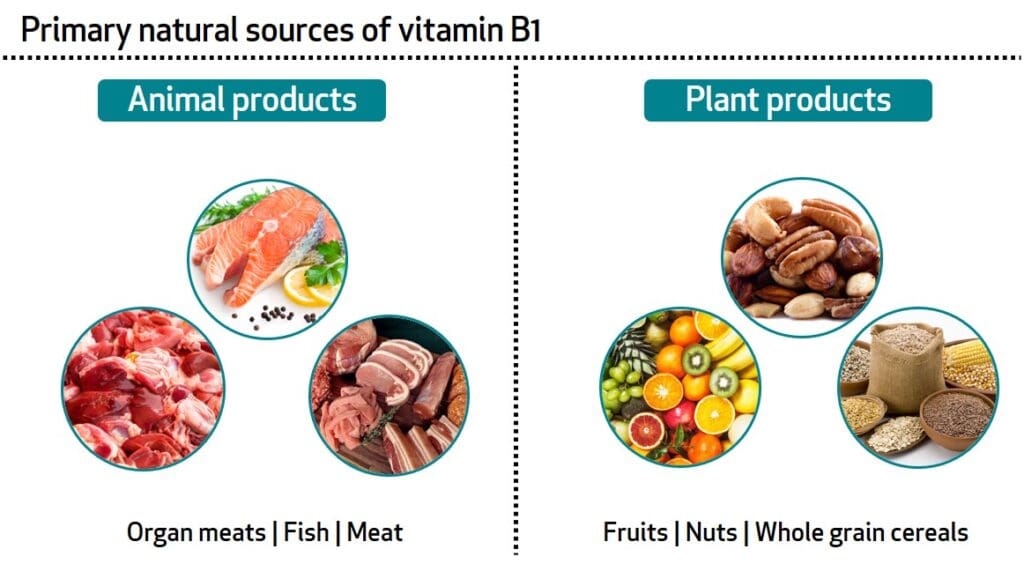
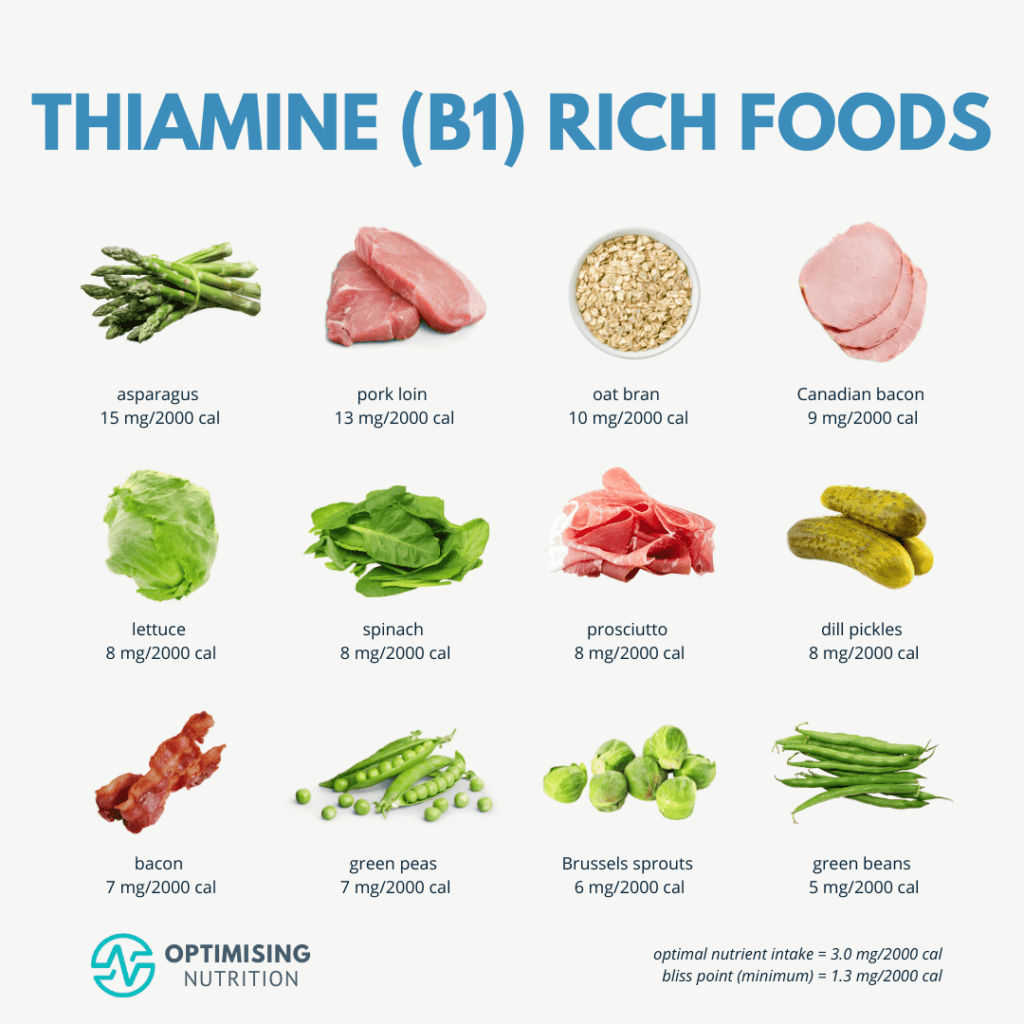
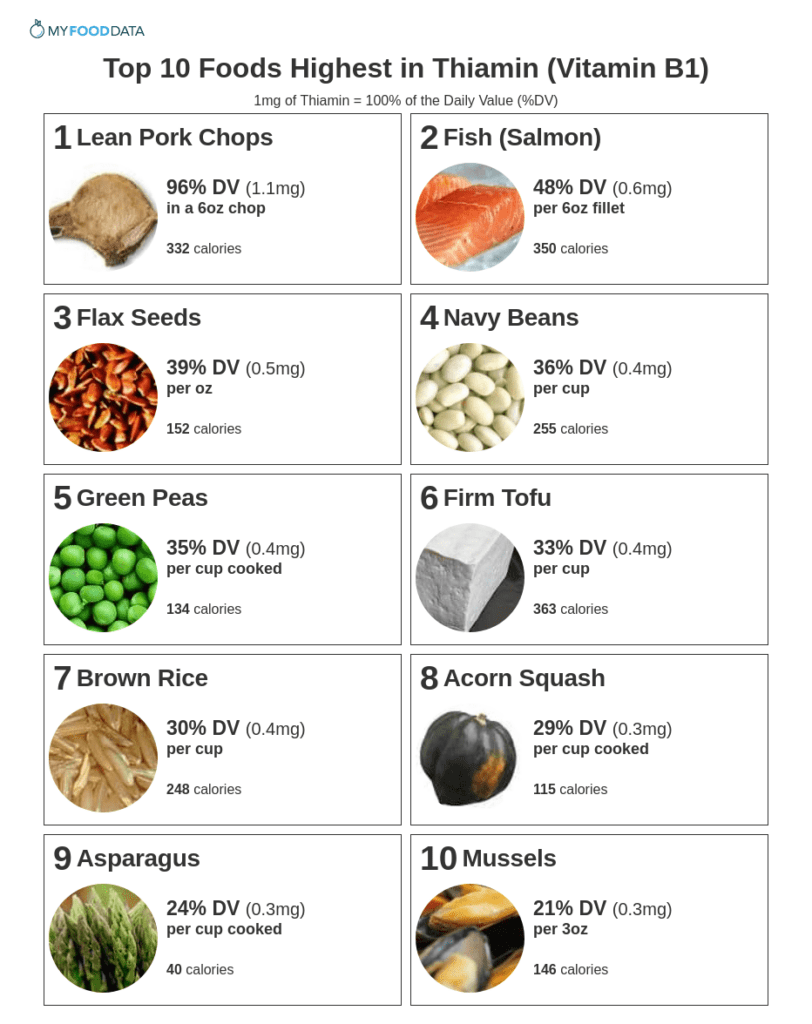
Lean meats and fish are excellent sources of thiamine. When choosing meats, opt for lean cuts such as skinless chicken breast, turkey, and pork tenderloin. Fish, especially salmon and trout, are also rich sources of thiamine. These protein-packed foods not only provide thiamine but also offer other essential nutrients like omega-3 fatty acids, which are beneficial for heart health.
Whole grains and cereals
Whole grains and cereals are staples in many diets and are a great way to increase your thiamine intake. Foods such as brown rice, whole wheat bread, and oatmeal are rich in thiamine and provide a good source of fiber as well. Incorporating these into your meals not only helps to prevent thiamine deficiency but also contributes to better digestion and overall well-being.
Legumes and lentils
Legumes and lentils, including beans, peas, and lentils, are another excellent source of thiamine. These versatile foods can be easily incorporated into various dishes, such as soups, salads, and main courses. Black beans, chickpeas, and green lentils are particularly high in thiamine. Adding legumes and lentils to your diet not only increases your thiamine intake but also provides valuable plant-based protein, fiber, and other essential nutrients.
Try fortified foods
Another way to boost your thiamine intake is by incorporating fortified foods into your diet. Fortified foods have additional nutrients, including thiamine, added during processing to enhance their nutritional content. These foods can be a convenient and effective way to ensure you are getting adequate thiamine.
Fortified breakfast cereals
Fortified breakfast cereals are a popular way to start the day and can be an excellent source of thiamine. Look for cereals that specifically mention added thiamine on the packaging. Pairing these cereals with milk or yogurt can further enhance your thiamine intake.
Fortified milk and dairy products
Many milk and dairy products, such as milk, yogurt, and cheese, are fortified with thiamine. These products not only provide calcium and other essential nutrients but also offer an additional source of thiamine. Including these fortified dairy products in your diet can be an easy and delicious way to increase your thiamine intake.

Consume more fruits and vegetables
Fruits and vegetables are a cornerstone of a healthy diet, and they can also contribute to your thiamine intake. Here are some thiamine-rich options to consider:
Oranges and citrus fruits
Oranges and other citrus fruits, such as grapefruits and lemons, are not only refreshing and delicious but also rich in thiamine. These fruits can be enjoyed as whole fruits or in the form of juices, and they make a great addition to your diet for increased thiamine intake.
Leafy greens
Leafy green vegetables, like spinach, kale, and broccoli, are packed with essential nutrients, including thiamine. These nutrient-dense greens can be enjoyed raw in salads or cooked as a side dish. Adding a variety of leafy greens to your meals not only boosts your thiamine intake but also provides vitamins, minerals, and antioxidants that are crucial for overall health.
Avocado
Avocado, often considered a superfood, is not only a good source of healthy fats but also contains thiamine. Adding avocado to your salads, sandwiches, or smoothies can increase your thiamine intake while providing numerous other health benefits.
Tomatoes
Tomatoes are a versatile fruit that can be used in various dishes. Not only are they a great source of vitamins and antioxidants, but they also contain thiamine. Fresh tomatoes can be added to salads, sandwiches, or pasta dishes, while canned tomatoes can be used in sauces and soups.
Add nuts and seeds to your meals
Nuts and seeds are not only delicious snacks but also contain thiamine and other essential nutrients. Incorporating a variety of nuts and seeds into your meals can provide a significant boost to your thiamine intake. Here are some thiamine-rich options to consider:
Almonds
Almonds are a nutrient-rich nut that contains thiamine. They can be enjoyed as a standalone snack or added to dishes like salads, stir-fries, or baked goods. Almond butter is also a delicious and nutritious alternative to traditional peanut butter.
Pistachios
Pistachios are not only packed with flavor but also contain thiamine. These vibrant green nuts can be enjoyed on their own or added to dishes like salads, pilafs, or desserts. Pistachio butter is also a tasty option that can be used as a spread or as an ingredient in various recipes.
Sunflower seeds
Sunflower seeds are a great addition to your diet to increase your thiamine intake. These small seeds can be sprinkled on salads, added to baked goods, or enjoyed as a topping for yogurt or oatmeal. Sunflower seed butter is also available as an alternative to other spreads.
Include dairy and dairy alternatives
Dairy products and their alternatives are not only a good source of calcium but also contain thiamine. Here are some options to consider:
Milk
Milk is a staple in many diets and is not only a good source of calcium but also contains thiamine. Whether you prefer dairy milk or plant-based options such as almond or soy milk, incorporating these into your diet can increase your thiamine intake.
Yogurt
Yogurt, especially Greek yogurt, is another thiamine-rich option to include in your diet. Greek yogurt is high in protein and often fortified with additional nutrients, including thiamine. Enjoying yogurt as a snack or adding it to recipes like smoothies or dressings can help boost your thiamine levels.
Cheese
Cheese lovers can rejoice as cheese also contains thiamine. Whether you prefer hard cheeses like cheddar or softer varieties like mozzarella, incorporating cheese into your diet can provide a small but valuable amount of thiamine.
Soy milk
Soy milk, made from soybeans, is a popular dairy alternative that often contains fortified thiamine. Whether you enjoy it in your morning cereal or use it in recipes, soy milk can be a useful addition to your diet to increase your thiamine intake.
Consider supplementation
While it is ideal to obtain thiamine through a well-balanced diet, supplementation may be necessary in certain cases. If you suspect or have been diagnosed with a thiamine deficiency, it is essential to consult with a healthcare professional before adding any supplements to your routine. They can guide you on the appropriate dosage and help monitor your thiamine levels. If recommended by your healthcare professional, taking thiamine supplements can help fill any nutritional gaps and ensure you are getting adequate amounts of this important vitamin.
Cook foods correctly to retain thiamine
The way you cook your foods can impact the thiamine content. To ensure you retain as much thiamine as possible, consider the following cooking methods:
Avoid overcooking or boiling for long durations
Thiamine is a water-soluble vitamin, which means it can be leached out into water during cooking. To prevent excessive thiamine loss, avoid overcooking or boiling foods for long durations. Instead, choose methods that help retain thiamine while still cooking your food thoroughly.
Steam, stir-fry, or bake instead
Cooking methods like steaming, stir-frying, or baking can help preserve the thiamine content in your foods. These methods require shorter cooking times and minimal contact with water, reducing the risk of thiamine loss. By utilizing these cooking methods, you can retain more thiamine while still enjoying flavorful and nutritious meals.
Avoid excessive alcohol consumption
Excessive alcohol consumption can interfere with thiamine absorption and increase the risk of thiamine deficiency. Alcohol can disrupt the body’s ability to store and utilize thiamine, leading to decreased levels in the body. To prevent thiamine deficiency, it is important to limit or moderate your alcohol intake and maintain a balanced and healthy lifestyle.
Limit the consumption of processed foods and refined sugars
Processed foods and refined sugars are often low in thiamine and other essential nutrients. These foods can displace more nutrient-dense options and contribute to an inadequate thiamine intake. To prevent thiamine deficiency, it is important to limit your consumption of processed foods and refined sugars. Instead, focus on incorporating whole, nutrient-rich foods into your diet to ensure you are getting adequate thiamine and other important nutrients.
Manage medical conditions that can affect thiamine levels
Certain medical conditions can impact thiamine levels in the body. Conditions such as diabetes, kidney disease, and certain gastrointestinal conditions can interfere with thiamine absorption or increase thiamine requirements. If you have any of these conditions, it is important to work closely with your healthcare professional to manage and monitor your thiamine levels. They can provide guidance on appropriate dietary strategies and supplementation if necessary, to ensure you maintain adequate thiamine status.
Incorporating thiamine-rich foods into your diet and adopting healthy lifestyle habits is crucial in preventing thiamine deficiency. By following these recommendations and consulting with a healthcare professional when necessary, you can ensure you are getting adequate thiamine to support your overall health and well-being. Remember, it’s not just about preventing deficiency, but about nourishing your body with the essential nutrients it needs to thrive.
