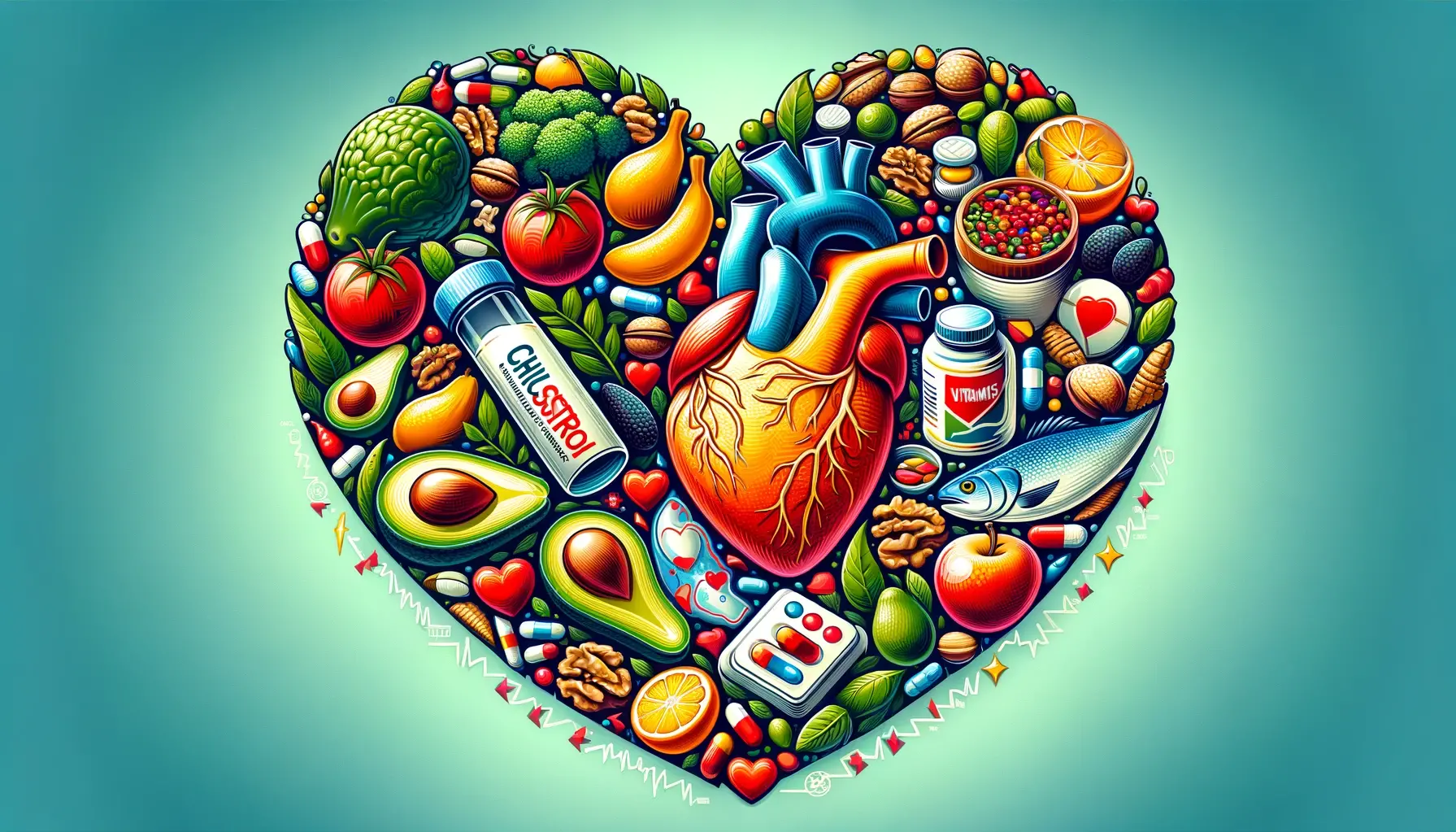

Have you ever wondered what exactly cholesterol is and how it impacts your heart health? Cholesterol is a naturally occurring waxy substance in our bodies, and while it is essential for various bodily functions, too much of it can have detrimental effects on our heart. In this article, we will explore the basics of cholesterol, its different types, and how it can affect our cardiovascular system. So, if you’re curious to learn more about this fascinating topic, grab a cup of tea and let’s dive into the world of cholesterol and its relationship with heart health.

What is cholesterol?
Cholesterol is a waxy, fat-like substance that is found in every cell of your body. It is an essential component for the proper functioning of your body, as it helps build and maintain cell membranes, produce hormones, and aid in the digestion of fats. While cholesterol is necessary for various bodily functions, it can also have a significant impact on your heart health if not properly managed.
Definition of cholesterol
Cholesterol is a type of lipid, or fat, that is produced by your liver and obtained from the foods you eat. It is transported through the bloodstream in small packages called lipoproteins. These lipoproteins are categorized into different types based on their composition, density, and their role in the body.
Types of cholesterol
There are two main types of cholesterol: low-density lipoprotein (LDL) cholesterol and high-density lipoprotein (HDL) cholesterol.
- LDL Cholesterol: Known as “bad” cholesterol, LDL cholesterol carries cholesterol from the liver to the cells in your body. High levels of LDL cholesterol can lead to the buildup of plaque in the arteries, increasing the risk of heart disease.
- HDL Cholesterol: Often referred to as “good” cholesterol, HDL cholesterol helps remove LDL cholesterol from the blood and transports it back to the liver for disposal. Higher levels of HDL cholesterol are associated with a lower risk of heart disease.
Function of cholesterol in the body
Cholesterol plays a vital role in various bodily functions, including:
- Cell membrane structure: Cholesterol helps maintain the integrity and fluidity of cell membranes, providing stability and allowing cells to function properly.
- Hormone production: Cholesterol is a precursor for the production of hormones such as estrogen, testosterone, and cortisol. These hormones regulate numerous processes in the body.
- Bile acid synthesis: Cholesterol is converted into bile acids in the liver, which aids in the digestion and absorption of dietary fats.
- Vitamin D synthesis: Cholesterol is necessary for the synthesis of vitamin D, which is essential for calcium absorption and bone health.

How cholesterol affects heart health
While cholesterol is essential for the body, high levels of LDL cholesterol can lead to a range of heart-related problems.
Formation of plaque
When LDL cholesterol levels are high, excess cholesterol can be deposited in the walls of arteries, leading to the formation of plaque. Over time, this plaque can harden and narrow the arteries, restricting blood flow to the heart. This process is known as atherosclerosis.
Atherosclerosis
Atherosclerosis is a condition characterized by the buildup of plaque in the arteries, which can increase the risk of heart disease. As the plaque continues to accumulate, it can decrease blood flow to the heart, potentially leading to chest pain (angina) or a complete blockage of blood flow, resulting in a heart attack.
Heart disease risk factors
High levels of LDL cholesterol are considered a major risk factor for heart disease. Other risk factors include smoking, high blood pressure, diabetes, obesity, and a family history of heart disease. Additionally, age and gender can also influence the risk of developing heart disease.
LDL Cholesterol
Definition of LDL cholesterol
Low-density lipoprotein (LDL) cholesterol is a lipoprotein that carries cholesterol from the liver to the cells in the body. It has a higher proportion of cholesterol and a lower proportion of protein, making it denser than other lipoproteins. High levels of LDL cholesterol are considered detrimental to heart health.
Role in heart disease
Elevated levels of LDL cholesterol can contribute to the development of atherosclerosis and increase the risk of heart disease. LDL cholesterol can become oxidized, which can trigger inflammation and the formation of plaque in the arterial walls. The narrowing of the arteries can then lead to reduced blood flow and potential cardiovascular complications.
Effects of excessive LDL cholesterol
When the levels of LDL cholesterol are too high, the excess cholesterol can accumulate in the arteries, causing them to become narrow and stiff. As a result, the heart must work harder to pump blood through these narrowed arteries, increasing the risk of heart attacks, strokes, and other cardiovascular diseases.

HDL Cholesterol
Definition of HDL cholesterol
High-density lipoprotein (HDL) cholesterol is a lipoprotein that helps remove excess cholesterol from the bloodstream and transports it back to the liver for disposal. It is often referred to as “good” cholesterol due to its role in promoting heart health.
Role in heart health
HDL cholesterol acts as a scavenger, picking up excess cholesterol from the arteries and transporting it back to the liver. This helps prevent the buildup of plaque and reduces the risk of atherosclerosis and heart disease. High levels of HDL cholesterol are associated with better heart health outcomes.
Effects of low HDL cholesterol
When levels of HDL cholesterol are low, the body is less efficient at removing excess cholesterol from the arteries. This can increase the risk of plaque formation and atherosclerosis, ultimately leading to an increased risk of heart disease. Low HDL cholesterol levels are considered a risk factor for cardiovascular complications.
Triglycerides
Definition of triglycerides
Triglycerides are a type of fat that is present in the bloodstream. They are formed from any excess calories that the body doesn’t immediately need for energy and are stored in fat cells. Elevated levels of triglycerides can have an impact on heart health.
Role in heart health
Triglycerides are an essential source of energy for the body. They provide energy for cell function, as well as being stored in fat tissue for future energy needs. However, high levels of triglycerides in the blood can contribute to the development of atherosclerosis and increase the risk of heart disease.
Impact of high triglyceride levels
High levels of triglycerides are associated with an increased risk of heart disease. Elevated triglyceride levels can contribute to the development of atherosclerosis, increase the risk of blood clots, and impair blood vessel function. It is often found in conjunction with other risk factors, such as high LDL cholesterol levels and low HDL cholesterol levels.
Risk factors for high cholesterol
Several factors can contribute to higher cholesterol levels, including both genetic and lifestyle factors. Understanding these risk factors is crucial in managing and preventing high cholesterol.
Family history and genetics
A family history of high cholesterol or heart disease can increase the likelihood of having high cholesterol levels. Genetic factors can influence how the body produces, transports, and clears cholesterol.
Dietary factors
A diet high in saturated and trans fats can raise LDL cholesterol levels. Foods such as red meat, full-fat dairy products, processed snacks, and baked goods can contribute to an unhealthy cholesterol profile.
Obesity and physical inactivity
Excess weight, particularly belly fat, can increase LDL cholesterol and triglyceride levels while lowering HDL cholesterol levels. Physical inactivity also contributes to unhealthy cholesterol levels.
Smoking and alcohol consumption
Smoking damages blood vessels and lowers HDL cholesterol levels. Excessive alcohol consumption can lead to high triglyceride levels and increased calorie intake, promoting weight gain and higher cholesterol levels.
Age and gender
As people age, their cholesterol levels tend to rise. Men tend to have higher cholesterol levels than premenopausal women. However, after menopause, women’s cholesterol levels often increase.
Testing and monitoring cholesterol levels
Regular testing and monitoring of cholesterol levels are essential to assess the risk of developing heart disease and to guide treatment strategies.
Cholesterol blood tests
A lipid profile is a blood test that measures various lipid markers, including total cholesterol, LDL cholesterol, HDL cholesterol, and triglycerides. It is typically performed after a period of fasting to obtain accurate results.
Recommended cholesterol levels
The American Heart Association recommends the following target cholesterol levels for adults:
- Total cholesterol: Below 200 mg/dL
- LDL cholesterol: Below 100 mg/dL (or below 70 mg/dL for individuals at high risk)
- HDL cholesterol: Above 40 mg/dL for men and above 50 mg/dL for women
- Triglycerides: Below 150 mg/dL
Frequency of testing
The frequency of cholesterol testing largely depends on an individual’s risk factors and overall health. For most adults, regular cholesterol testing every four to six years is recommended. However, individuals with known risk factors or with existing high cholesterol levels may require more frequent testing.
Lifestyle changes to improve heart health
Adopting a heart-healthy lifestyle can significantly improve cholesterol levels and reduce the risk of heart disease.
Dietary modifications
Following a heart-healthy diet, such as the Mediterranean diet or the Dietary Approaches to Stop Hypertension (DASH) diet, can help lower LDL cholesterol levels. These diets emphasize fruits, vegetables, whole grains, lean proteins, and healthy fats while limiting saturated and trans fats.
Regular physical activity
Engaging in regular physical activity, such as brisk walking, jogging, cycling, or swimming, can help increase HDL cholesterol levels and improve overall cardiovascular health. Aim for at least 150 minutes of moderate-intensity exercise or 75 minutes of vigorous exercise per week.
Quitting smoking
Smoking damages blood vessels, reduces HDL cholesterol levels, and increases the risk of heart disease. Quitting smoking can have a profound positive impact on overall heart health.
Limiting alcohol consumption
Excessive alcohol consumption can contribute to high triglyceride levels and raise blood pressure. Limiting alcohol intake to moderate levels (up to one drink per day for women and up to two drinks per day for men) is recommended.
Medications for managing cholesterol
In some cases, lifestyle changes alone may not be sufficient to reach target cholesterol levels. In such situations, medications may be prescribed to help manage cholesterol levels and reduce the risk of heart disease.
Statins
Statins are a class of medications commonly prescribed to lower LDL cholesterol levels. They work by inhibiting the production of cholesterol in the liver, thereby reducing LDL cholesterol circulating in the bloodstream.
Other cholesterol-lowering medications
In addition to statins, there are other medications available to manage cholesterol levels. These include bile acid sequestrants, cholesterol absorption inhibitors, fibrates, and niacin. These medications may be prescribed individually or in combination with statins, depending on the individual’s specific cholesterol profile and risk factors.
Tips for maintaining a healthy heart
Apart from managing cholesterol, there are various other strategies to maintain a healthy heart.
Maintaining a balanced diet
A well-balanced diet rich in fruits, vegetables, whole grains, lean proteins, and healthy fats is crucial for cardiovascular health. Limiting processed foods, sugary drinks, and excessive sodium intake is also essential.
Regular exercise routine
Engaging in regular physical activity, such as cardiovascular exercise, strength training, and flexibility exercises, helps to keep the heart strong and healthy. Finding activities that you enjoy and can incorporate into your routine is key to consistency.
Stress management
Chronic stress can negatively affect heart health. Practicing stress management techniques such as meditation, deep breathing exercises, yoga, or engaging in hobbies can help reduce stress levels and promote heart health.
Regular health check-ups
Regular check-ups with your healthcare provider are crucial to monitor heart health and identify any potential issues. This includes routine blood pressure measurements, cholesterol screenings, and discussions about lifestyle factors that may impact heart health.
By understanding the role of cholesterol and its impact on heart health, as well as adopting a healthy lifestyle and appropriate medical interventions, you can take active steps towards maintaining a healthy heart. Remember, small changes in your daily habits can make a significant difference in your long-term cardiovascular well-being.