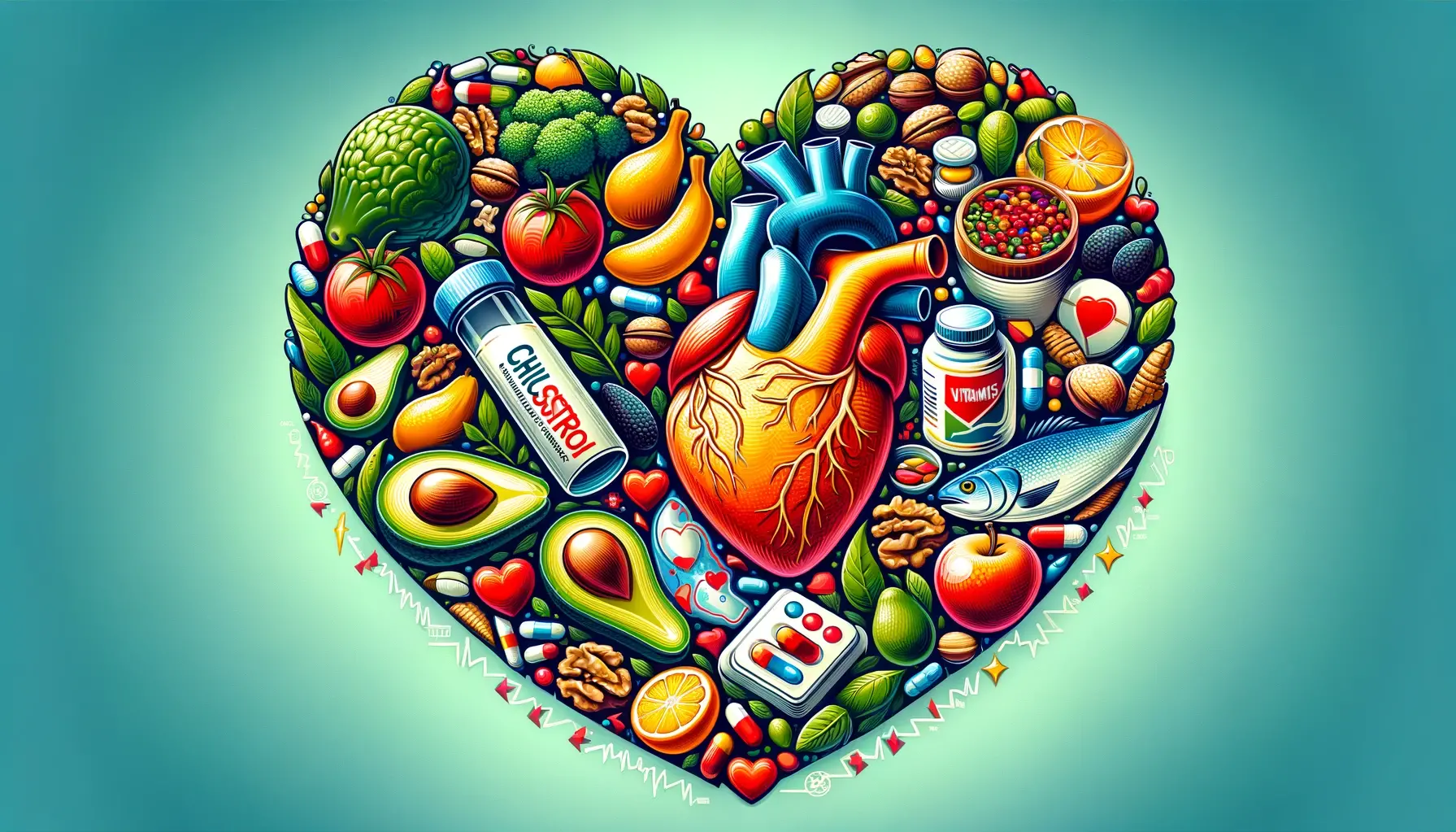
Looking for a trusted source of information on cholesterol-lowering vitamins? Look no further! In this ultimate guide, we will take you through the benefits and functions of three key vitamins: A, C, and E. Packed with useful tips and practical advice, this article will equip you with the knowledge you need to optimize your cholesterol levels and improve your overall health. So, let’s dive in and discover the wonders of these essential vitamins!
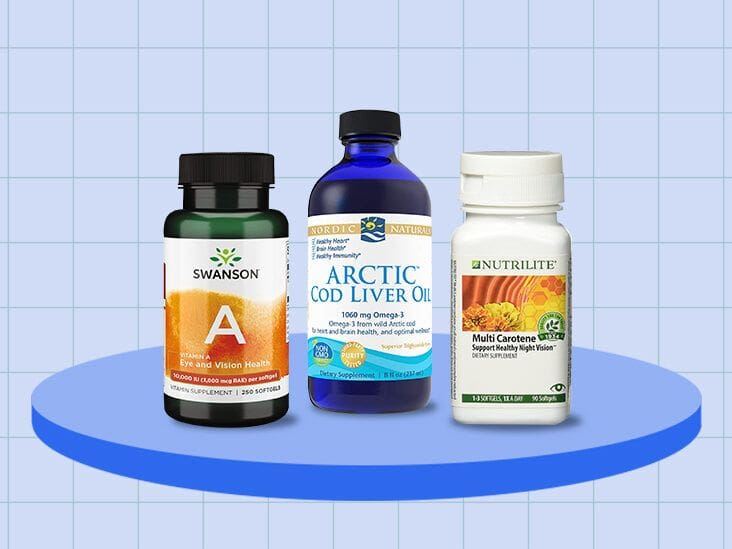
Vitamin A
What is Vitamin A?
Vitamin A is a fat-soluble vitamin that is essential for maintaining healthy eyesight, promoting growth and development, and supporting the immune system. It exists in two forms: retinol and provitamin A carotenoids. Retinol is found in animal products, while provitamin A carotenoids are found in plant-based foods. When consumed, provitamin A carotenoids can be converted into retinol by the body.
Sources of Vitamin A
Vitamin A can be obtained from a variety of food sources. Animal-based sources include liver, fish oil, and dairy products such as milk, cheese, and eggs. Plant-based sources include colorful fruits and vegetables such as carrots, spinach, sweet potatoes, and mangoes. These fruits and vegetables contain high amounts of provitamin A carotenoids, which the body can convert into retinol.
Health Benefits of Vitamin A
Vitamin A plays a crucial role in maintaining good vision, particularly in low-light conditions. It helps to prevent night blindness and promotes overall eye health. Additionally, vitamin A is essential for the proper functioning of the immune system, aiding in the production of white blood cells that fight against infections. It also supports the growth and development of cells and tissues throughout the body.
How Does Vitamin A Lower Cholesterol?
Vitamin A does not directly lower cholesterol levels. However, it indirectly contributes to heart health by reducing oxidative stress and inflammation in the body. This, in turn, can help in preventing the formation of plaque in the arteries and maintaining healthy blood cholesterol levels.
Recommended Daily Intake (RDI) of Vitamin A
The recommended daily intake of vitamin A varies depending on age and gender. For adults, the RDI ranges from 700 to 900 micrograms of retinol activity equivalents (RAE). It is important to note that excessive intake of vitamin A from supplements can be toxic, so it is recommended to obtain it primarily from food sources.
Side Effects and Precautions
High doses of vitamin A can lead to toxicity, resulting in symptoms such as nausea, dizziness, and even hair loss. Pregnant women should exercise caution with vitamin A supplements, as high doses can harm the fetus. It is always advisable to consult with a healthcare professional before starting any vitamin A supplementation regimen.
Vitamin C
What is Vitamin C?
Vitamin C, also known as ascorbic acid, is a water-soluble vitamin that acts as an important antioxidant in the body. It is essential for the synthesis of collagen, a protein that helps in wound healing, and plays a vital role in immune function.
Sources of Vitamin C
Vitamin C is abundant in many fruits and vegetables. Citrus fruits such as oranges and grapefruits are well-known sources of vitamin C. Other sources include strawberries, kiwi, pineapple, bell peppers, broccoli, and leafy greens such as spinach and kale.
Health Benefits of Vitamin C
Vitamin C offers a wide range of health benefits. It supports the immune system, helping to protect the body against infections and diseases. It also aids in collagen production, which is necessary for maintaining healthy skin, joints, and blood vessels. Additionally, vitamin C acts as an antioxidant, neutralizing harmful free radicals in the body and reducing the risk of chronic diseases.
How Does Vitamin C Lower Cholesterol?
Vitamin C may help lower cholesterol levels by preventing the oxidation of low-density lipoprotein (LDL) cholesterol, commonly known as “bad” cholesterol. When LDL cholesterol becomes oxidized, it is more likely to contribute to the development of plaque in the arteries. By reducing oxidative stress, vitamin C helps to maintain healthy blood cholesterol levels.
Recommended Daily Intake (RDI) of Vitamin C
The recommended daily intake of vitamin C for adults is between 75 to 90 milligrams for both men and women. However, certain individuals, such as smokers or those with certain medical conditions, may require higher amounts of vitamin C. It is best to obtain vitamin C from a balanced diet that includes a variety of fruits and vegetables.
Side Effects and Precautions
In general, vitamin C is considered safe when consumed in recommended amounts through food sources. However, consuming mega-doses of vitamin C through supplements may cause digestive symptoms such as diarrhea and stomach cramps. People with certain medical conditions, such as kidney disorders or a history of oxalate kidney stones, should exercise caution and consult with a healthcare professional.
Vitamin E
What is Vitamin E?
Vitamin E is a fat-soluble vitamin and a powerful antioxidant known for its role in protecting cells from damage caused by free radicals. It exists in several different forms, the most active of which is alpha-tocopherol.
Sources of Vitamin E
Vitamin E can be found in various food sources, both plant-based and animal-based. Plant-based sources include nuts and seeds (such as almonds, sunflower seeds, and hazelnuts), vegetable oils (such as sunflower oil and wheat germ oil), and leafy greens (such as spinach and Swiss chard). Animal-based sources include liver and eggs.
Health Benefits of Vitamin E
Vitamin E offers numerous health benefits. As an antioxidant, it helps protect cells from oxidative damage, which is associated with aging and chronic diseases. Vitamin E also plays a role in immune function and promoting skin health. Additionally, it may have anti-inflammatory properties and help in the prevention of certain diseases, such as heart disease and cancer.
How Does Vitamin E Lower Cholesterol?
Vitamin E may help lower cholesterol levels by preventing the oxidation of LDL cholesterol. When LDL cholesterol becomes oxidized, it is more likely to contribute to the formation of plaque in the arteries. By inhibiting LDL oxidation, vitamin E helps to maintain healthy blood cholesterol levels and support cardiovascular health.
Recommended Daily Intake (RDI) of Vitamin E
The recommended daily intake of vitamin E for adults is 15 milligrams of alpha-tocopherol equivalents (ATE). It is important to note that excessive intake of vitamin E through supplements can have negative effects, such as an increased risk of bleeding. It is best to obtain vitamin E from food sources and consult with a healthcare professional before considering supplementation.
Side Effects and Precautions
In general, vitamin E is considered safe when consumed within the recommended amounts. However, high doses of vitamin E from supplements can increase the risk of bleeding, especially in individuals taking blood-thinning medications. It is advisable to consult with a healthcare professional before starting any vitamin E supplementation.
Comparison of Vitamins A, C, and E
Effectiveness in Lowering Cholesterol
While vitamins A, C, and E are all important for overall health, they do not directly lower cholesterol levels. However, they contribute to heart health by reducing oxidative stress and inflammation, which can help in maintaining healthy blood cholesterol levels and reducing the risk of cardiovascular diseases.
Synergistic Effects
Vitamins A, C, and E exhibit synergistic effects, meaning they work together to enhance each other’s antioxidant properties. When consumed together through a balanced diet, these vitamins can provide greater protection against oxidative damage and promote overall health.
Dosage Recommendations
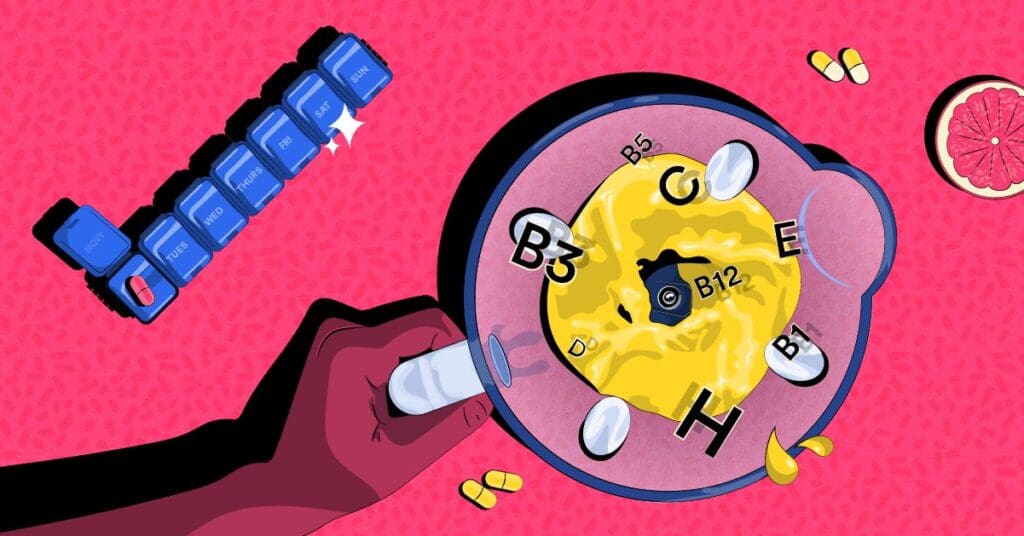
The recommended daily intake of vitamins A, C, and E vary depending on age, gender, and individual health needs. It is best to obtain these vitamins from a balanced diet that includes a variety of fruits, vegetables, and other food sources. If considering supplementation, it is essential to consult with a healthcare professional to determine the appropriate dosage.
Precautions and Potential Interactions
While these vitamins are generally safe when consumed in recommended amounts, excessive intake through supplements can have negative effects. It is important to be cautious and avoid exceeding the recommended dosages. Additionally, certain medications or medical conditions may interact with these vitamins. It is advisable to seek guidance from a healthcare professional before starting any supplementation.
Food Sources High in Cholesterol-Lowering Vitamins
Animal-Based Sources
Animal-based sources of cholesterol-lowering vitamins, such as vitamin A, include liver, fish oil, milk, cheese, and eggs. These sources provide readily available retinol, which is the active form of vitamin A.
Plant-Based Sources
Plant-based sources of cholesterol-lowering vitamins, such as provitamin A carotenoids, include colorful fruits and vegetables. Carrots, spinach, sweet potatoes, mangoes, and leafy greens like kale and Swiss chard are all excellent sources of provitamin A carotenoids. Citrus fruits, strawberries, kiwi, pineapple, bell peppers, broccoli, and leafy greens are rich in vitamin C. Nuts and seeds, vegetable oils, and leafy greens like spinach are great sources of vitamin E.
Supplements and Fortified Foods
Vitamin A Supplements and Fortified Foods
Vitamin A supplements are available in various forms, including retinol and beta-carotene. These can be used to address deficiencies or specific health needs under the guidance of a healthcare professional. Fortified foods, such as cereals and dairy products, may also be sources of vitamin A.
Vitamin C Supplements and Fortified Foods
Vitamin C supplements are commonly available in tablet or capsule form and can be used to supplement dietary intake. Fortified foods, such as fruit juices and cereals, may also provide additional vitamin C.
Vitamin E Supplements and Fortified Foods
Vitamin E supplements are available as various forms of tocopherol. These supplements can be used to address deficiencies or specific health concerns, again with guidance from a healthcare professional. Fortified foods, such as certain cereals and vegetable oils, may also provide additional vitamin E.
Choosing the Right Supplements
When considering supplements, it is crucial to choose reputable brands and consult with a healthcare professional. They can help determine the appropriate dosage, evaluate potential interactions with medications, and ensure the supplements are of high quality and purity.
Importance of Consulting a Healthcare Professional
Before starting any supplementation regimen, it is essential to consult with a healthcare professional. They can evaluate individual health needs, identify potential deficiencies, and provide personalized guidance on the appropriate intake of vitamins and minerals.
Additional Lifestyle Changes to Lower Cholesterol
Balanced Diet
In addition to incorporating cholesterol-lowering vitamins into your diet, maintaining a balanced diet is crucial for managing cholesterol levels. Focus on consuming whole grains, lean proteins, and healthy fats like those found in nuts and avocados. Limit the intake of saturated and trans fats, as well as cholesterol-rich foods.
Regular Exercise
Engaging in regular physical activity is an important lifestyle change that can help lower cholesterol levels. Regular exercise can increase high-density lipoprotein (HDL) cholesterol, or “good” cholesterol, while also helping to manage weight and improve overall cardiovascular health.
Reducing Saturated and Trans Fats
Reducing the intake of saturated and trans fats in your diet can help lower cholesterol levels. These fats can increase LDL cholesterol, or “bad” cholesterol, levels. Opt for healthier cooking methods such as grilling, baking, or steaming, and choose lean protein sources and low-fat dairy products.
Potential Benefits Beyond Cholesterol-Lowering
Antioxidant Properties
Vitamins A, C, and E all possess antioxidant properties, which help protect cells from oxidative damage caused by free radicals. By neutralizing free radicals, these vitamins contribute to overall health and may help in preventing chronic diseases.
Supporting Immune Health
Vitamin A, vitamin C, and vitamin E all play critical roles in supporting immune function. They help in the production and function of immune cells, which are essential for fighting against infections and diseases.
Skin Health
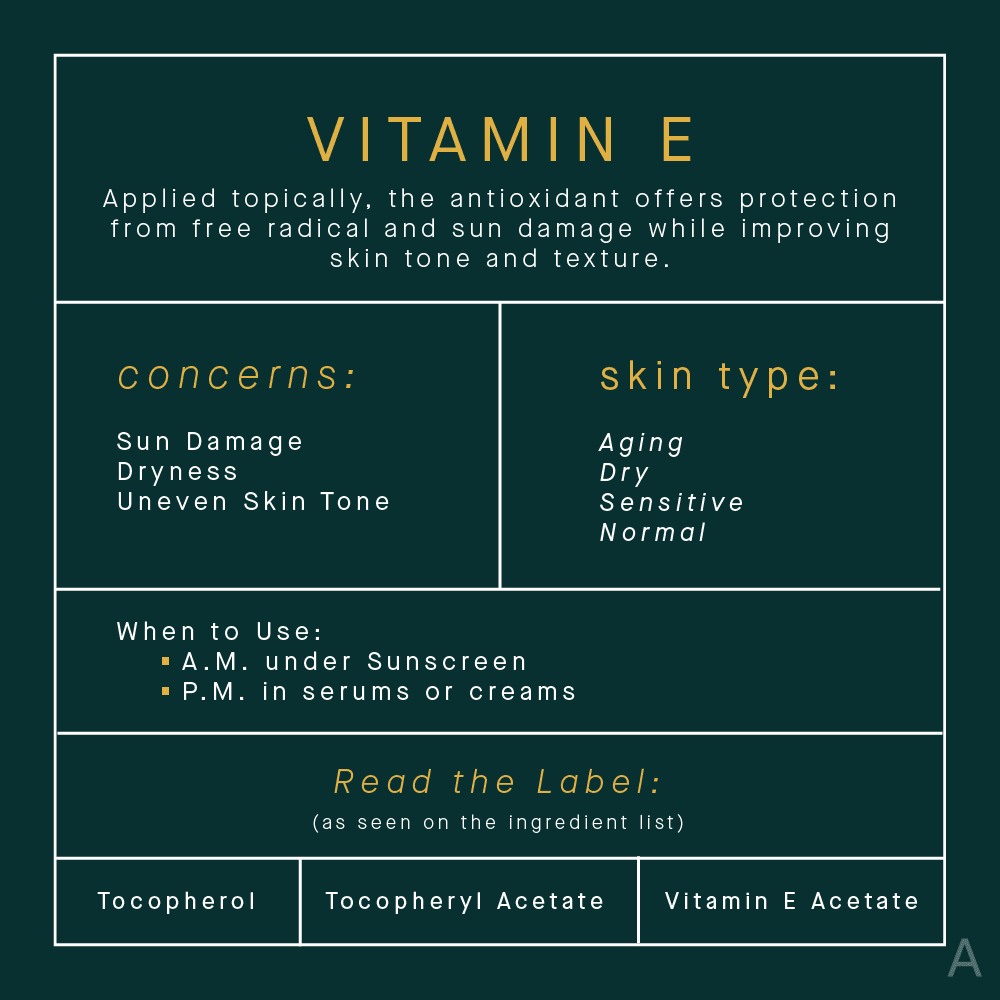
Vitamins A, C, and E are also known for their role in promoting healthy skin. Vitamin A promotes the production of new skin cells, vitamin C aids in collagen production for healthy skin structure, and vitamin E helps protect skin cells from oxidative damage.
Conclusion
Incorporating cholesterol-lowering vitamins, such as vitamins A, C, and E, into your daily routine can be beneficial for overall health and maintaining healthy cholesterol levels. While these vitamins do not directly lower cholesterol, they contribute to heart health by reducing oxidative stress and inflammation. Obtaining these vitamins from a balanced diet that includes a variety of fruits, vegetables, and other food sources is the best approach. Additionally, consult with a healthcare professional before considering any supplementation to ensure proper dosage and evaluate potential interactions with medications. Remember, a balanced nutrition plan and healthy lifestyle choices are key to managing cholesterol levels and promoting overall well-being.