
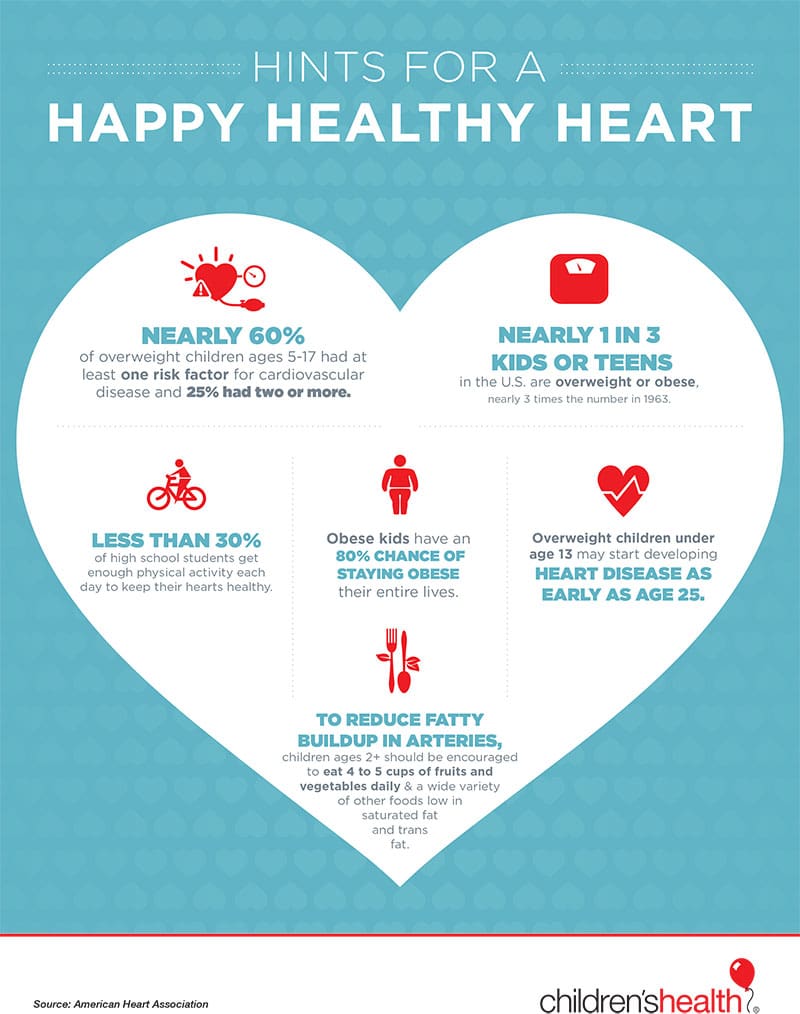
If you want to instill good habits in your children from an early age, teaching them about the importance of heart health is crucial. With childhood obesity rates soaring and sedentary lifestyles becoming the norm, it’s essential to educate children about the significance of taking care of their hearts. By encouraging regular exercise, promoting a well-balanced diet, and teaching them about the risks of heart disease, you can empower your children to prioritize their cardiovascular health and lead a happy, healthy life.
Start early
Introducing healthy habits from a young age is crucial to setting the foundation for a lifetime of heart health. By teaching children about the significance of heart health from an early age, you can empower them to take care of their hearts and make informed decisions about their lifestyle choices. Starting early allows children to develop a strong understanding of the importance of maintaining a healthy heart, which can have long-lasting benefits for their overall well-being.
Lead by example
Children learn from the behaviors they observe in their parents and caregivers. Therefore, it is essential to lead by example and demonstrate healthy habits yourself. When children see you prioritizing your own heart health by engaging in regular exercise, making nutritious food choices, and managing stress effectively, they are more likely to adopt these behaviors themselves. By being a positive role model, you can instill in them a sense of personal responsibility for their heart health and inspire them to continue these habits as they grow older.
Make it fun
Learning about heart health doesn’t have to be boring or dull. By turning it into a game or engaging children in fun activities, you can make the learning process enjoyable and memorable. Incorporate activities like dancing, cycling, or swimming into your family’s routine to get the kids moving and excited about physical activity. You can also create quizzes or trivia games about heart health to make learning more interactive. When children have fun while learning, they are more likely to retain the information and apply it to their daily lives.
Explain the role of the heart
Helping children understand the role of the heart in the body is crucial for instilling in them a deep appreciation for the importance of heart health. Explain to them that the heart is a muscle that pumps blood and supplies oxygen to all the organs and tissues in the body. Emphasize that a healthy heart ensures that the body is functioning properly and that taking care of it is essential for overall well-being. You can use diagrams or visual aids to make the explanation more engaging and easier for children to grasp.
Emphasize the importance of a balanced diet
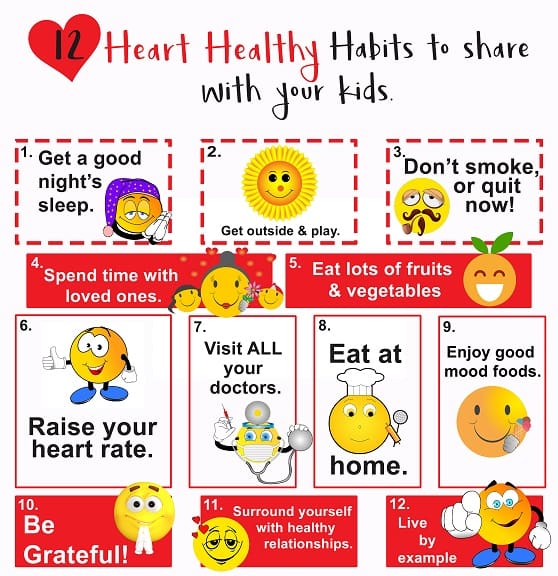
Teaching children about the impact of food choices on heart health is key to helping them make informed decisions about their diet. Explain that a balanced diet consisting of fruits, vegetables, whole grains, and lean proteins is essential for maintaining a healthy heart. Encourage them to explore different fruits and vegetables, and involve them in meal planning and preparation. By actively involving children in the process, they become more invested in making healthy food choices and develop a greater awareness of the impact these choices have on their heart health.
Avoid unhealthy foods
Educating children about the detrimental effects of excessive sugar, salt, and processed foods on the heart is essential for guiding them towards healthier snack choices. Explain to them that consuming too much sugar can increase the risk of heart disease and obesity. Teach them to read food labels and recognize hidden sugars. Similarly, educate them about the harmful effects of excessive salt on blood pressure and the importance of choosing lower-sodium options. By empowering children with knowledge, you can help them make informed decisions about their food choices and develop lifelong healthy eating habits.
Encourage regular physical activity
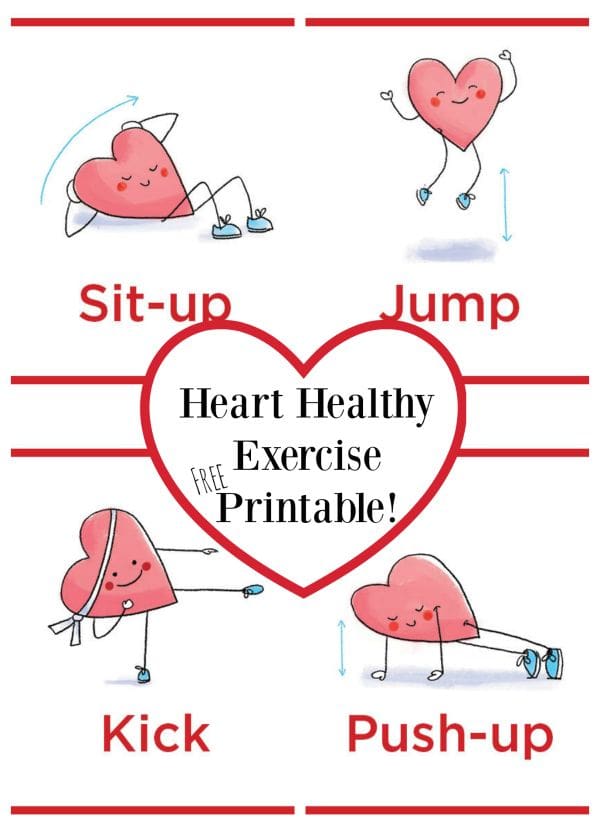
Physical activity is a key component of maintaining a healthy heart. Explain to children the benefits of exercise on heart health, such as strengthening the heart muscle, improving blood circulation, and reducing the risk of heart disease. Encourage them to engage in activities that they find enjoyable, whether it’s playing sports, going for bike rides, or participating in outdoor games. Make physical activity a family affair by planning active outings and involving the whole family in regular exercise routines. By incorporating physical activity into their daily lives, children will develop a positive attitude towards fitness and prioritize their heart health.
Limit screen time
Excessive screen time can have a negative impact on heart health. Educate children about the risks associated with spending too much time sitting and engaging in sedentary behaviors. Explain that prolonged screen time increases the likelihood of developing heart disease, obesity, and other health problems. Encourage them to take regular breaks from screens and engage in other activities like reading, playing outside, or pursuing hobbies. Set limits on screen time and encourage alternatives that promote physical activity and social interaction. By reducing screen time, children can focus on activities that contribute to their heart health and overall well-being.

Teach stress management techniques
Stress can significantly affect heart health, even in children. Explain to them the connection between stress and heart health, emphasizing that chronic stress can increase the risk of heart disease. Teach them relaxation techniques like deep breathing, meditation, or engaging in calming activities such as drawing or listening to music. Encourage open communication and provide them with a safe space to express their emotions. By equipping children with effective stress management tools, you empower them to take control of their emotional well-being and safeguard their heart health.
Regular check-ups and doctor visits
Regular check-ups and doctor visits are essential for monitoring and maintaining heart health. Stress to children the importance of scheduling routine check-ups with healthcare professionals to assess their heart health and overall well-being. Explain that these visits allow doctors to identify any potential issues early on and provide guidance for maintaining a healthy heart. By emphasizing the importance of regular check-ups, you instill in children the value of proactive healthcare and encourage them to prioritize their heart health as they grow older.
In conclusion, educating children about the importance of heart health from a young age sets the stage for a lifetime of healthy habits. By starting early, leading by example, and making it fun, you can lay a solid foundation for their knowledge and understanding of heart health. Teach them about the role of the heart, emphasize the importance of a balanced diet, and help them avoid unhealthy foods. Encourage regular physical activity, limit screen time, and teach stress management techniques. Finally, stress the importance of regular check-ups and doctor visits to monitor their heart health and overall well-being. By equipping children with this knowledge and empowering them to make informed choices, you are setting them on a path towards a heart-healthy future.