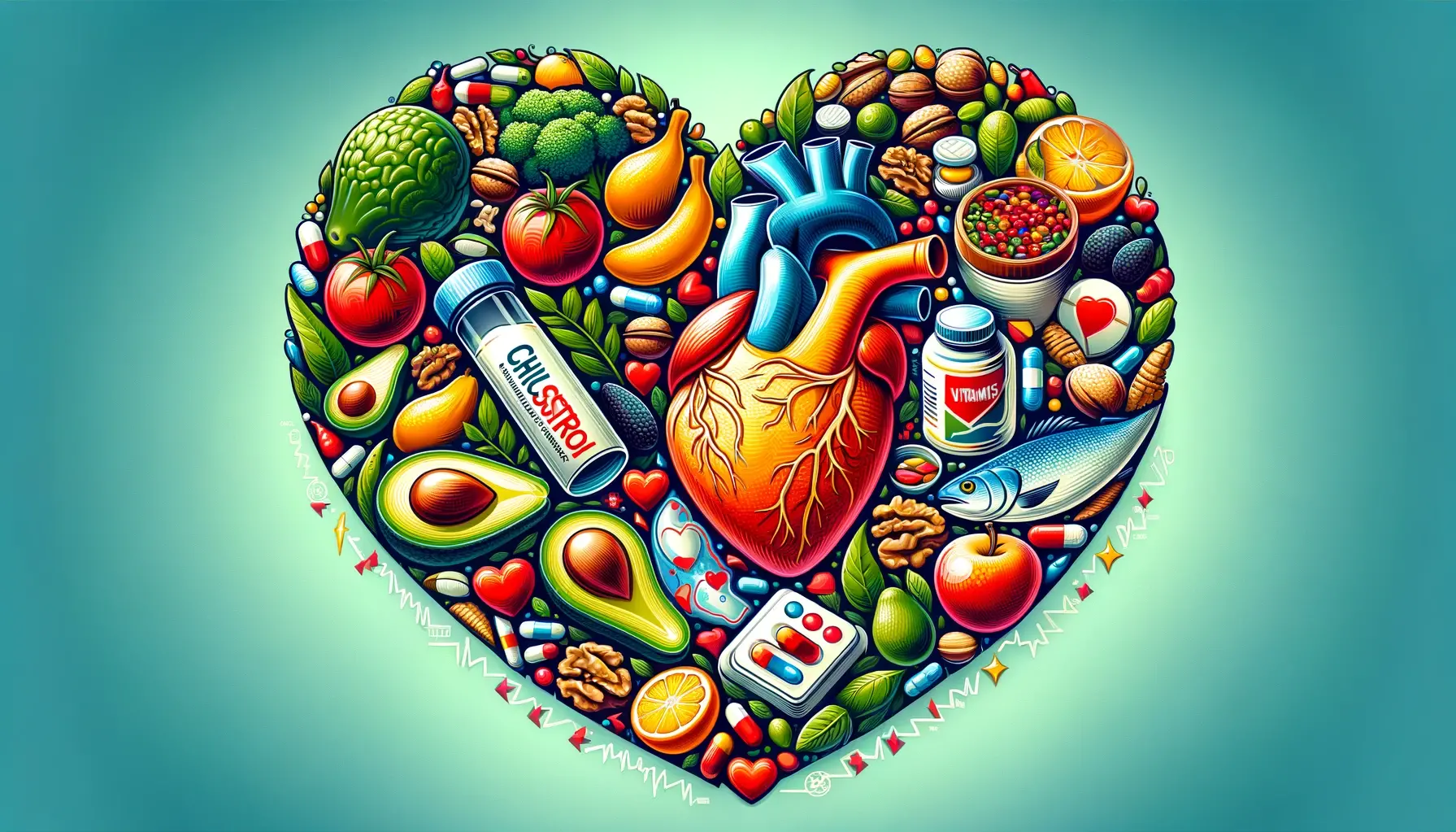
Have you ever wondered about the impact of Vitamin C on cholesterol levels? In this article, we will address the common misconceptions surrounding this topic. You might be surprised to learn that there is more to the relationship between Vitamin C and cholesterol levels than meets the eye. So, let’s set the record straight and uncover the truth about this intriguing connection.

Misconception: Vitamin C directly lowers cholesterol levels
There is a widespread misconception that Vitamin C directly reduces cholesterol levels in the body. However, this is not entirely accurate. While Vitamin C plays a crucial role in maintaining overall health, it does not have a direct impact on lowering cholesterol levels.
Vitamin C does not directly reduce cholesterol levels
While Vitamin C is an essential nutrient for the body, it does not directly lower cholesterol levels. Cholesterol is primarily regulated by the liver, which produces the cholesterol required by the body and removes excess cholesterol.
Vitamin C helps in preventing the oxidation of LDL cholesterol
LDL cholesterol, commonly known as “bad” cholesterol, is more prone to oxidation. Oxidative stress occurs when there is an imbalance between the production of free radicals and the body’s ability to neutralize them. Vitamin C acts as a powerful antioxidant and helps prevent the oxidation of LDL cholesterol.
Vitamin C indirectly supports heart health by reducing oxidative stress
By reducing oxidative stress, Vitamin C indirectly supports heart health. Oxidative stress can lead to inflammation and damage to arteries, which can increase the risk of cardiovascular diseases. Vitamin C’s antioxidant properties help protect against oxidative damage, thus contributing to overall heart health.
Misconception: High doses of Vitamin C can cure high cholesterol
Another common misconception is that high doses of Vitamin C alone can cure high cholesterol. While Vitamin C is beneficial for overall health, managing high cholesterol requires a holistic approach that includes lifestyle changes and, in some cases, medication.
High doses of Vitamin C alone cannot cure high cholesterol
While Vitamin C is known for its antioxidant properties, it cannot single-handedly cure high cholesterol. High cholesterol is a multifactorial condition influenced by various factors such as genetics, diet, lifestyle, and underlying medical conditions. It is important to address all these aspects to manage cholesterol levels effectively.
A balanced diet and lifestyle changes are essential for managing cholesterol levels
To effectively manage high cholesterol, a balanced diet and lifestyle changes are crucial. This includes consuming a diet rich in fruits, vegetables, whole grains, and lean proteins, while limiting saturated and trans fats. Regular exercise, maintaining a healthy weight, and avoiding tobacco use are equally important for cholesterol management.
Vitamin C may complement other cholesterol-lowering interventions
While high doses of Vitamin C alone may not cure high cholesterol, it may complement other cholesterol-lowering interventions. When combined with a balanced diet, regular exercise, and medication if necessary, Vitamin C’s antioxidant properties can contribute to overall heart health.
Misconception: Vitamin C can replace medication for high cholesterol
Some people mistakenly believe that Vitamin C can replace cholesterol-lowering medications. However, it is important to note that Vitamin C is not a substitute for medications prescribed to manage high cholesterol.
Vitamin C is not a substitute for cholesterol-lowering medications
Cholesterol-lowering medications, such as statins, work by inhibiting the liver’s production of cholesterol and increasing the liver’s uptake of LDL cholesterol. These medications are specifically designed to manage high cholesterol levels and should not be replaced by Vitamin C or any other supplement without medical guidance.
Consultation with a healthcare professional is crucial for managing cholesterol levels
To effectively manage high cholesterol, it is crucial to consult with a healthcare professional. They can evaluate your individual health status, recommend appropriate medications if necessary, and provide guidance on lifestyle changes and the role of Vitamin C in cholesterol management.
Vitamin C may provide additional antioxidant benefits
While Vitamin C is not a substitute for cholesterol-lowering medications, it may provide additional antioxidant benefits. Antioxidants help protect the body’s cells from damage caused by free radicals. By reducing oxidative stress, Vitamin C may support overall heart health and contribute to the prevention of cardiovascular diseases.
Misconception: All forms of Vitamin C are equally effective for cholesterol levels
Not all forms of Vitamin C are equally effective when it comes to cholesterol levels. Different forms of Vitamin C offer varying levels of absorption and bioavailability, which can affect their effectiveness in managing cholesterol.
Various forms of Vitamin C differ in absorption and bioavailability
Different forms of Vitamin C, such as ascorbic acid, calcium ascorbate, and sodium ascorbate, have varying levels of absorption and bioavailability. This means that the body may absorb and utilize different forms of Vitamin C to varying degrees. Considering this, certain forms of Vitamin C, like ascorbic acid, may have better lipid-lowering effects compared to other forms.
Natural sources of Vitamin C offer additional health benefits
While supplements are commonly used to increase Vitamin C intake, natural food sources are also rich in this essential nutrient. Fruits and vegetables, particularly citrus fruits, strawberries, kiwi, peppers, and broccoli, are excellent sources of Vitamin C. Consuming these natural sources not only provides Vitamin C but also offers additional health benefits, including essential fiber, vitamins, and minerals.
Misconception: Vitamin C can only lower LDL cholesterol
Contrary to popular belief, Vitamin C does not solely have an impact on LDL cholesterol. It also has a positive influence on HDL cholesterol levels, which is often referred to as “good” cholesterol.
Vitamin C may also have a positive impact on HDL cholesterol levels
Studies have indicated that Vitamin C may increase HDL cholesterol levels, which is beneficial for heart health. HDL cholesterol helps remove excess cholesterol from the arteries and transports it to the liver for disposal. Thus, Vitamin C’s impact on cholesterol extends beyond LDL cholesterol and includes positive effects on HDL cholesterol levels.
Balancing HDL and LDL cholesterol is important for heart health
Maintaining a balance between HDL and LDL cholesterol levels is crucial for heart health. While reducing LDL cholesterol is important, increasing HDL cholesterol can have additional benefits. Vitamin C’s potential to increase HDL cholesterol levels further highlights its role in supporting heart health.
Misconception: Vitamin C intake has no effect on cholesterol levels
Another common misconception is that Vitamin C intake has no significant impact on cholesterol levels. However, research suggests that Vitamin C intake may modestly affect cholesterol levels, although the effects may vary among individuals.
Vitamin C intake may have a modest impact on cholesterol levels
Research studies have shown that Vitamin C intake may have a modest impact on cholesterol levels. The exact mechanisms behind this effect are still being studied, and individual responses to increased Vitamin C intake may vary. It is important to note that Vitamin C alone is unlikely to cause drastic changes in cholesterol levels.
Effects may vary among individuals depending on their health status
The effects of Vitamin C intake on cholesterol levels may vary depending on an individual’s health status. Factors such as age, diet, genetic predisposition, and presence of underlying medical conditions can influence the response to increased Vitamin C intake. Consulting with a healthcare professional can help determine the appropriate dosage and assess the potential impact on cholesterol levels.
Vitamin C’s role in cholesterol management requires further research
While Vitamin C’s potential impact on cholesterol levels is an area of interest, further research is needed to fully understand its role in cholesterol management. Continued research may provide a clearer understanding of the mechanisms by which Vitamin C affects cholesterol and help develop targeted interventions for cholesterol management.
Misconception: Excessive Vitamin C intake can eliminate the need for a healthy lifestyle
It is important to acknowledge that Vitamin C is not a replacement for a balanced diet and a healthy lifestyle. While it offers numerous health benefits, excessive Vitamin C intake alone cannot eliminate the need for making positive lifestyle choices.
Vitamin C is not a replacement for a balanced diet and healthy lifestyle
Maintaining a balanced diet and incorporating a healthy lifestyle are fundamental for overall health and well-being. While Vitamin C can contribute to heart health, it cannot replace the nutritional value and benefits provided by a well-rounded diet and healthy lifestyle choices.
Proper nutrition and exercise remain essential for overall health
Proper nutrition and regular exercise continue to be vital for promoting overall health, including heart health. A balanced diet should include a variety of nutrients, including Vitamin C, obtained from natural food sources. Regular physical activity is essential for maintaining a healthy weight, improving cardiovascular health, and supporting overall well-being.
Vitamin C may provide additional support for heart health
While Vitamin C is not a replacement for a healthy lifestyle, it may provide additional support for heart health. Consuming an adequate amount of Vitamin C through a balanced diet or supplements, in conjunction with proper nutrition and exercise, can help maintain cardiovascular health and reduce the risk of heart diseases.
Misconception: Vitamin C supplements are the only way to achieve adequate intake
While supplements are commonly used to ensure adequate Vitamin C intake, they are not the only means of achieving sufficient levels of this essential nutrient. Natural food sources offer a wide range of options to obtain the recommended daily intake of Vitamin C.
Natural food sources are rich in Vitamin C
One of the best ways to obtain Vitamin C is through natural food sources. Citrus fruits, strawberries, kiwi, peppers, broccoli, and many other fruits and vegetables contain high levels of Vitamin C. By consuming a variety of these natural sources, individuals can easily achieve their daily recommended intake of Vitamin C.
Consuming a variety of fruits and vegetables ensures sufficient Vitamin C intake
Having a diverse diet that includes a variety of fruits and vegetables ensures sufficient Vitamin C intake. By including colorful fruits and vegetables in your meals, you not only obtain Vitamin C but also benefit from the other essential vitamins, minerals, and antioxidants that contribute to overall health and well-being.
Supplements may be necessary for individuals with specific deficiencies
While natural food sources offer ample amounts of Vitamin C, certain individuals may require supplements to address specific deficiencies. This could include individuals with limited access to fresh produce, those with certain medical conditions, or those with specific dietary restrictions. Consulting with a healthcare professional can help determine if Vitamin C supplements are necessary.
Misconception: Vitamin C alone can reverse the effects of high cholesterol
It is important to clarify that Vitamin C alone cannot reverse the effects of high cholesterol. Addressing high cholesterol requires a comprehensive and holistic approach that involves multiple components.
Addressing high cholesterol requires a holistic approach
Managing high cholesterol involves addressing multiple factors that contribute to elevated cholesterol levels. This includes lifestyle changes, such as adopting a heart-healthy diet, increasing physical activity, quitting smoking, and reducing stress. Additionally, medications prescribed by healthcare professionals may be necessary in certain cases.
Combination of medication, lifestyle changes, and proper nutrition is crucial
To effectively manage high cholesterol, a combination of medication, lifestyle changes, and proper nutrition is crucial. Medications, when prescribed, help regulate cholesterol levels, while lifestyle changes and a heart-healthy diet support overall heart health. Vitamin C, as part of a balanced diet, may provide additional support, but it cannot reverse the effects of high cholesterol on its own.
Vitamin C may support overall heart health but cannot eliminate all effects of high cholesterol
While Vitamin C can support overall heart health, it cannot single-handedly eliminate all the effects of high cholesterol. As mentioned earlier, a holistic approach that includes medication, lifestyle changes, and proper nutrition is necessary to address elevated cholesterol levels and minimize the risks associated with high cholesterol.
Misconception: Increasing Vitamin C intake will immediately show cholesterol level improvement
Some may mistakenly believe that increasing Vitamin C intake will lead to immediate improvement in cholesterol levels. However, managing cholesterol levels is a gradual process that requires consistent and long-term efforts.
Improvement in cholesterol levels may take time
When making changes to manage cholesterol levels, it is important to be patient, as improvement may take time. While Vitamin C may play a role in supporting heart health and cholesterol management, results may not be immediately noticeable. Consistency in maintaining a healthy lifestyle and appropriate medication, if prescribed, is key to achieving long-term improvements in cholesterol levels.
Consistent and long-term intake of Vitamin C is necessary
Consistent and long-term intake of Vitamin C is important for reaping its potential benefits. By incorporating Vitamin C-rich foods into your daily diet or maintaining a regular supplementation routine, you ensure that your body receives an adequate supply of this essential nutrient over time. This consistency will contribute to overall health and potentially have a positive effect on cholesterol levels.
Individual response to increased Vitamin C intake may vary
It is important to recognize that individual responses to increased Vitamin C intake may vary. Factors such as genetics, overall health status, and lifestyle choices can influence how the body responds to Vitamin C. Therefore, it is recommended to consult with a healthcare professional to determine the appropriate Vitamin C intake for your specific needs and monitor its potential impact on cholesterol levels.
In conclusion, it is essential to debunk the common misconceptions about Vitamin C and its impact on cholesterol levels. While Vitamin C does not directly lower cholesterol levels, it plays a significant role in supporting heart health by preventing the oxidation of LDL cholesterol and reducing oxidative stress. High doses of Vitamin C alone cannot cure high cholesterol, and a holistic approach that includes balanced diet, lifestyle changes, and, if necessary, medication is necessary. Vitamin C is not a substitute for cholesterol-lowering medications, and consultation with a healthcare professional is crucial for managing cholesterol levels effectively. Different forms of Vitamin C vary in absorption and bioavailability, and natural food sources of Vitamin C offer additional health benefits. Vitamin C has an impact on both LDL and HDL cholesterol levels, and balancing these levels is important for heart health. While Vitamin C intake may have a modest impact on cholesterol levels, individual responses may vary, and further research is needed to fully understand its role in cholesterol management. Excessive Vitamin C intake cannot replace a healthy lifestyle, and proper nutrition and exercise remain essential for overall health. Vitamin C can provide additional support for heart health, but it cannot reverse the effects of high cholesterol on its own. Achieving adequate Vitamin C intake can be done through natural food sources, and supplements may be necessary for individuals with specific deficiencies. Increasing Vitamin C intake may not immediately show cholesterol level improvement, and consistent and long-term intake is necessary. Individual response to increased Vitamin C intake may vary, and patience is required to observe long-term improvements in cholesterol levels. By understanding the realities and debunking the misconceptions surrounding Vitamin C and cholesterol, individuals can make informed decisions to support their heart health and overall well-being.