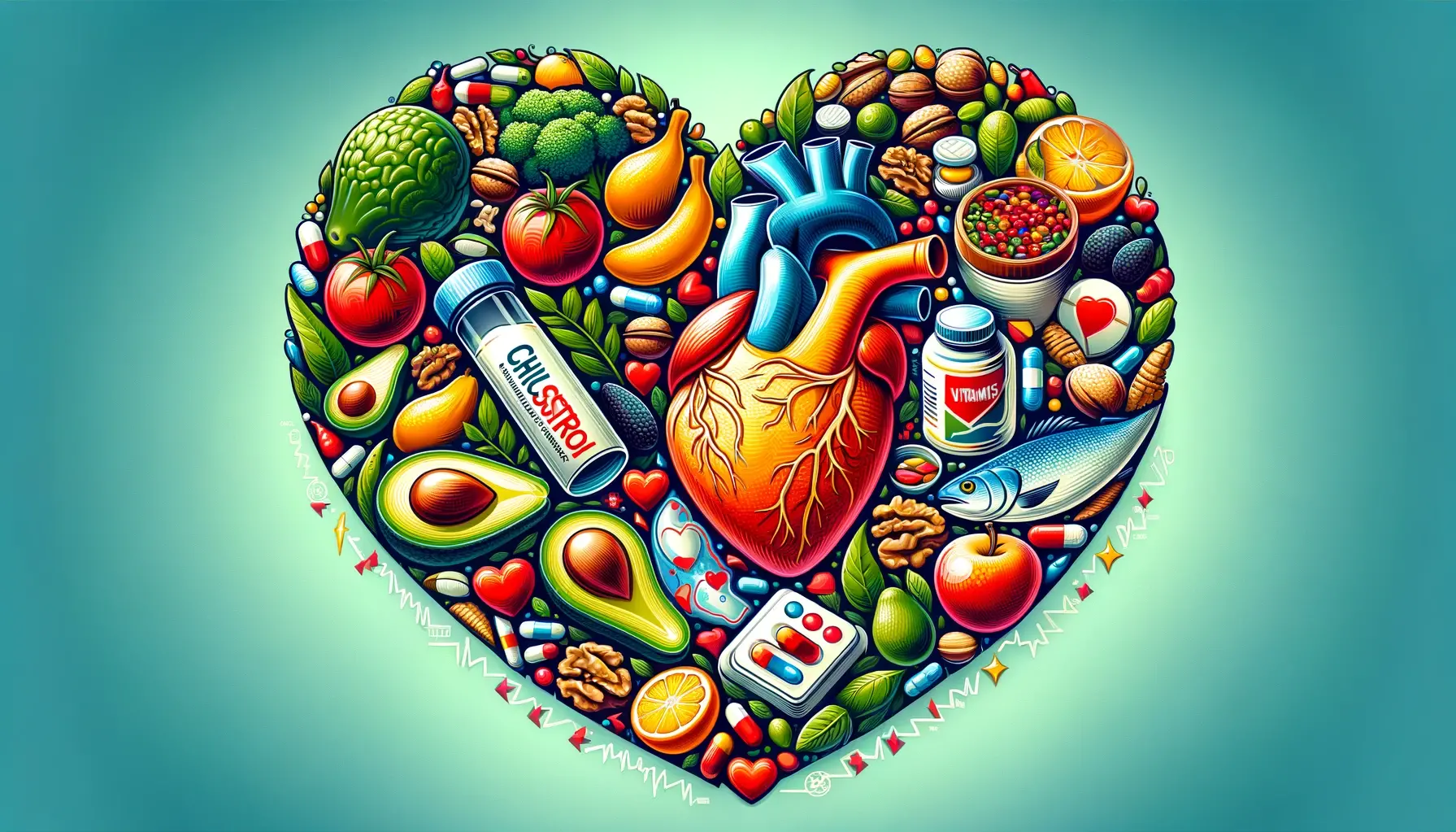
Are you looking for a natural way to manage your cholesterol levels? Look no further than vitamin C! This powerful antioxidant has gained recognition not only for its immune-boosting properties but also for its potential role in cholesterol management. Recent studies suggest that increasing your intake of vitamin C-rich foods or taking supplements may help reduce LDL cholesterol levels, commonly known as “bad” cholesterol. In this article, we will explore the potential benefits of vitamin C in cholesterol management and how you can incorporate it into your daily routine for a healthier heart.

Understanding Cholesterol
Cholesterol plays a crucial role in our body, but understanding its different types is essential in managing our overall health. In simple terms, cholesterol is a waxy substance that our bodies need to build healthy cells. But not all cholesterol is created equal. There are two main types of cholesterol: LDL (low-density lipoprotein) cholesterol, often referred to as the “bad” cholesterol, and HDL (high-density lipoprotein) cholesterol, known as the “good” cholesterol.
Types of Cholesterol
LDL cholesterol is responsible for transporting cholesterol from the liver to various parts of the body. However, when LDL cholesterol levels become too high, it can accumulate in the walls of arteries, forming plaques that can lead to the development of heart disease. On the other hand, HDL cholesterol carries cholesterol away from the arteries and back to the liver for elimination, reducing the risk of heart disease.
The Importance of Cholesterol Management
Managing cholesterol levels is important for maintaining good heart health. High levels of LDL cholesterol can contribute to the development of atherosclerosis, a condition in which arteries become narrowed and hardened, increasing the risk of heart attack and stroke. Conversely, having adequate levels of HDL cholesterol can help protect against these cardiovascular diseases.
Impact of High Cholesterol Levels
When LDL cholesterol levels are elevated, excess cholesterol can build up in the artery walls and form plaques. Over time, these plaques can narrow the arteries and restrict blood flow, leading to atherosclerosis. If a plaque ruptures, it can cause a blood clot to form, which may block the blood flow to the heart or brain, resulting in a heart attack or stroke.
Vitamin C and Cholesterol
Vitamin C, also known as ascorbic acid, is a powerful antioxidant that has been extensively studied for its potential role in cholesterol management. Antioxidants help protect our cells from damage caused by free radicals, unstable molecules that can contribute to heart disease and other chronic conditions. But how exactly does vitamin C affect cholesterol?
How Vitamin C Affects Cholesterol
Vitamin C has been shown to have several beneficial effects on cholesterol levels. Firstly, it can contribute to the reduction of LDL cholesterol levels by inhibiting its oxidation, which is a crucial step in the development of atherosclerosis. Additionally, vitamin C has been found to increase HDL cholesterol levels, further promoting heart health.
Studies on Vitamin C and Cholesterol
Numerous studies have investigated the relationship between vitamin C and cholesterol management. One study published in the Journal of the American College of Nutrition found that individuals who consumed higher levels of vitamin C had lower LDL cholesterol levels and higher HDL cholesterol levels compared to those with lower vitamin C intake. Another study published in the International Journal of Preventive Medicine showed that vitamin C supplementation significantly decreased LDL cholesterol levels in participants with high cholesterol.
Mechanisms of Action
The mechanisms by which vitamin C influences cholesterol levels are still being studied, but research suggests that its antioxidant properties play a significant role. As an antioxidant, vitamin C can help prevent the oxidation of LDL cholesterol, reducing the risk of plaque formation and atherosclerosis. Furthermore, vitamin C may enhance the activity of an enzyme called lecithin-cholesterol acyltransferase (LCAT), which is essential for the conversion of LDL cholesterol into HDL cholesterol.

Lowering LDL Cholesterol
Reducing LDL cholesterol levels is a key goal in cholesterol management, as it can help prevent the progression of atherosclerosis and the associated cardiovascular complications. Vitamin C has shown promise in this regard.
Vitamin C’s Effect on LDL Cholesterol
Studies have suggested that vitamin C can effectively lower LDL cholesterol levels. The antioxidant properties of vitamin C help protect LDL cholesterol from oxidation, which is a crucial event in the formation of atherosclerotic plaques. By reducing LDL cholesterol oxidation, vitamin C may help prevent the build-up of plaque and the narrowing of arteries.
Oxidative Stress and LDL Cholesterol
Oxidative stress occurs when there is an imbalance between free radicals and antioxidants in the body. In the context of cholesterol management, oxidative stress can lead to the oxidation of LDL cholesterol, making it more likely to contribute to the development of atherosclerosis. Vitamin C’s antioxidant properties can counteract this oxidative stress, reducing the risk of LDL cholesterol oxidation and subsequent plaque formation.
Antioxidant Properties of Vitamin C
Vitamin C is a powerful antioxidant that helps neutralize harmful free radicals and protect against oxidative stress. By donating electrons to unstable molecules, vitamin C can stabilize them and prevent them from causing damage to cells, including the oxidation of LDL cholesterol. This antioxidant action of vitamin C is crucial in maintaining a healthy balance of cholesterol and minimizing the risk of heart disease.
Increasing HDL Cholesterol
Boosting HDL cholesterol levels is equally important in cholesterol management, as it helps remove excess cholesterol from the arteries and promotes heart health. Vitamin C may play a role in increasing HDL cholesterol levels.
Vitamin C’s Impact on HDL Cholesterol
Research suggests that vitamin C can have a positive impact on HDL cholesterol levels. One study published in the European Journal of Clinical Nutrition found that vitamin C supplementation significantly increased HDL cholesterol levels in subjects with low baseline levels. Another study published in the Journal of Nutritional Biochemistry demonstrated that vitamin C supplementation improved the function of HDL cholesterol, enhancing its ability to remove excess cholesterol from the arterial walls.
Role of Vitamin C in Lipoprotein Metabolism
Lipoproteins are responsible for transporting cholesterol throughout the body. Vitamin C has been implicated in lipoprotein metabolism, the process by which lipoproteins are synthesized, modified, and cleared from the bloodstream. By supporting healthy lipoprotein metabolism, vitamin C can contribute to higher levels of HDL cholesterol, which has been associated with a reduced risk of heart disease.
Boosting HDL Cholesterol Levels
While more research is needed to fully understand the mechanisms, it is believed that vitamin C’s antioxidant properties contribute to increased HDL cholesterol levels. By reducing oxidative stress and protecting against LDL cholesterol oxidation, vitamin C promotes the overall balance of cholesterol in the body, favoring higher levels of HDL cholesterol.

Preventing Cholesterol Oxidation
Cholesterol oxidation is a crucial step in the development of atherosclerosis. Vitamin C has been shown to have protective effects against cholesterol oxidation, reducing the risk of plaque formation and cardiovascular complications.
Vitamin C and Cholesterol Oxidation
When LDL cholesterol becomes oxidized, it undergoes certain chemical changes that make it more susceptible to forming plaques in the arteries. Vitamin C has been found to inhibit this oxidation process, preserving the integrity of LDL cholesterol and preventing its deposition in arterial walls.
Protective Effects Against Oxidized Cholesterol
Oxidized cholesterol is particularly harmful to the arteries, as it triggers inflammation and the formation of atherosclerotic plaques. By preventing the oxidation of LDL cholesterol, vitamin C can help protect against the damaging effects of oxidized cholesterol and reduce the risk of atherosclerosis.
Reducing Atherosclerosis Risk
Atherosclerosis is a progressive disease characterized by the build-up of plaque in the arteries, which can eventually lead to heart attack or stroke. Vitamin C’s ability to inhibit the oxidation of LDL cholesterol reduces the formation of plaques, ultimately lowering the risk of atherosclerosis and its associated complications.
Combining Vitamin C with Other Nutrients
Vitamin C can be even more effective in cholesterol management when combined with certain other nutrients. These combinations can have synergistic effects, enhancing the overall cholesterol-lowering impact.
Enhancing Cholesterol-Lowering Effects
Combining vitamin C with other nutrients known for their cholesterol-lowering properties can create a more powerful impact. For example, omega-3 fatty acids and plant sterols have been shown to complement the effects of vitamin C and further reduce LDL cholesterol levels.
Synergistic Effects of Vitamin C
Research suggests that certain combinations of nutrients can have synergistic effects on cholesterol management. For instance, a study published in the Journal of Clinical Lipidology demonstrated that a combination of vitamin C, omega-3 fatty acids, and plant sterols significantly reduced LDL cholesterol levels in individuals with high cholesterol compared to each nutrient alone.
Vitamin C and Vitamin E Combination
Vitamin C and vitamin E are both antioxidants that have been studied for their potential role in cholesterol management. Combining these two antioxidants has shown promise in reducing LDL cholesterol oxidation and protecting against the development of atherosclerosis. Studies have suggested that the combination of vitamin C and vitamin E can enhance the antioxidant effects and cholesterol-lowering benefits of each nutrient.

Recommended Vitamin C Intake
Ensuring an adequate intake of vitamin C is vital for cholesterol management and overall health. Here are some recommendations for incorporating vitamin C into your diet.
Dietary Sources of Vitamin C
The best way to obtain vitamin C is through a varied and balanced diet that includes plenty of fruits and vegetables. Citrus fruits such as oranges and grapefruits, bell peppers, strawberries, kiwi, and guava are excellent sources of vitamin C. Incorporating these foods into your daily meals and snacks can help you meet your vitamin C needs.
Recommended Daily Allowance (RDA)
The recommended daily intake of vitamin C varies depending on age, gender, and specific health conditions. Generally, the RDA for adults is around 75-90 milligrams per day. However, some experts argue that higher intakes may be beneficial, especially in individuals with certain conditions or those at risk for elevated cholesterol levels. It’s always recommended to consult with a healthcare professional for personalized advice.
Supplementation Considerations
If it’s difficult to meet your vitamin C needs through diet alone, supplementation can be an option. Vitamin C supplements are widely available and come in various forms and dosages. It’s important to choose a reputable brand and consult with a healthcare professional to determine the appropriate dosage and duration for your specific needs.
Vitamin C-Rich Foods for Cholesterol Management
Incorporating vitamin C-rich foods into your diet can be a delicious way to support your cholesterol management efforts. Here are some examples of vitamin C-rich foods that can promote heart health.
Citrus Fruits
Citrus fruits, including oranges, grapefruits, lemons, and limes, are not only rich in vitamin C but also provide dietary fiber and various other beneficial compounds. Enjoying a refreshing glass of fresh-squeezed orange juice or including segments of grapefruit in your morning routine can be an enjoyable way to boost your vitamin C intake.
Bell Peppers
Bell peppers, whether red, orange, yellow, or green, are packed with vitamin C. Slice them up and add them to salads, stir-fries, or omelets for a burst of color, flavor, and nutritional value. Snacking on raw bell pepper slices with hummus can also be a healthy and satisfying option.
Strawberries
These sweet and juicy berries are not just delicious but also a great source of vitamin C. Enjoy them as a tasty snack, add them to smoothies or salads, or use them as a topping for yogurt or oatmeal. Not only will you satisfy your sweet tooth, but you’ll also reap the benefits of their vitamin C content.
Kiwi
Kiwi is a tropical fruit renowned for its vibrant green color and refreshing taste. It’s also an excellent source of vitamin C. Slice it up and enjoy it on its own, blend it into smoothies, or combine it with other fruits in a fruit salad. The possibilities are endless, and your taste buds will thank you.
Guava
Guava is a tropical fruit with a unique flavor profile and an impressive vitamin C content. Whether eaten on its own, added to fruit salads, or blended into creamy smoothies, guava can be a versatile and nutritious addition to your diet.

Potential Limitations and Risks
While vitamin C offers many health benefits, it’s important to be aware of potential limitations and risks associated with its use.
Interactions with Medications
Vitamin C supplements can interact with certain medications, such as blood-thinners, chemotherapy drugs, and some antacids. These interactions can affect the efficacy of the medications or lead to adverse effects. It’s crucial to inform your healthcare provider about any supplements you’re taking to ensure they are safe and appropriate for your specific circumstances.
Individual Variations in Response
Individuals may vary in their response to vitamin C supplementation. Some people may experience significant improvements in their cholesterol levels, while others may not see the same effects. It’s important to remember that vitamin C is just one piece of the puzzle in managing cholesterol, and a holistic approach that includes a healthy diet, regular exercise, and other lifestyle factors may be necessary for optimal results.
Side Effects and Risks
In general, vitamin C is considered safe when taken in appropriate doses. However, excessive intake of vitamin C through supplements can lead to gastrointestinal issues such as diarrhea, nausea, and stomach cramps. It’s important to follow recommended dosages and consult with a healthcare professional to determine the right amount for your needs.
Conclusion
Vitamin C plays an important role in cholesterol management and overall heart health. Its antioxidant properties can help reduce LDL cholesterol levels, increase HDL cholesterol levels, prevent the oxidation of cholesterol, and ultimately reduce the risk of atherosclerosis. While incorporating vitamin C-rich foods into your diet is the best way to obtain this nutrient, supplementation can be beneficial for individuals with specific needs or difficulty meeting their vitamin C requirements. As always, it’s essential to consult with a healthcare professional for personalized advice and recommendations tailored to your unique situation. By harnessing the power of vitamin C, you can take proactive steps towards maintaining healthy cholesterol levels and protecting your heart.