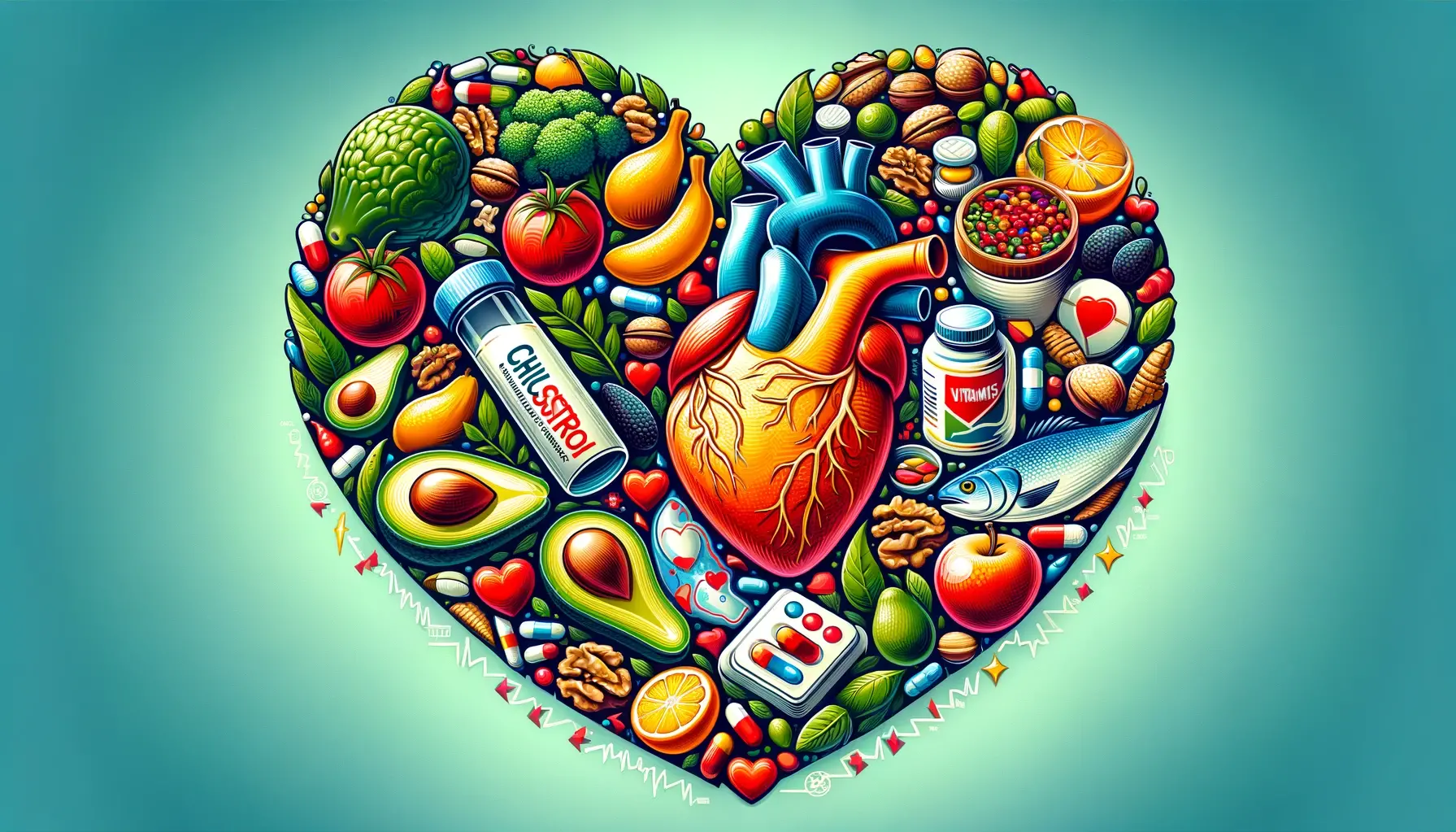

If you’re looking for a natural way to lower your cholesterol levels, look no further than the benefits of plant sterols and stanols. These plant-based compounds have been found to effectively reduce LDL cholesterol, also known as the “bad” cholesterol. By incorporating plant sterols and stanols into your diet as supplements, you can improve your heart health and potentially decrease your risk of developing heart-related diseases. Let’s explore how these powerful substances work and how you can easily incorporate them into your daily routine.
What are plant sterols and stanols?
Definition
Plant sterols and stanols are natural substances found in plants that have been shown to have cholesterol-lowering properties. They are structurally similar to cholesterol and can compete with cholesterol absorption in the intestines, resulting in lower levels of cholesterol in the bloodstream.
Sources
Plant sterols and stanols are commonly found in various plant-based foods such as fruits, vegetables, nuts, seeds, and whole grains. They are particularly abundant in vegetable oils, soybeans, and wheat germ. However, the levels of plant sterols and stanols in these foods are relatively small, making it difficult to achieve therapeutic doses through diet alone.
How do plant sterols and stanols lower cholesterol?
Mechanism of action
Plant sterols and stanols work by inhibiting the absorption of dietary cholesterol in the intestines. They are structurally similar to cholesterol and can compete with cholesterol for absorption in the gut. By blocking the absorption of cholesterol, they help to lower the overall levels of LDL (low-density lipoprotein) cholesterol in the bloodstream, often referred to as “bad” cholesterol.
Effects on cholesterol levels
Numerous studies have demonstrated the effectiveness of plant sterols and stanols in reducing LDL cholesterol levels. Regular intake of these compounds has been shown to lower LDL cholesterol levels by an average of 5-15%. It is important to note that while plant sterols and stanols primarily lower LDL cholesterol, they do not have a significant impact on HDL (high-density lipoprotein) cholesterol levels, often referred to as “good” cholesterol.

Benefits of using plant sterols and stanols as supplements
Reduced LDL cholesterol
The primary benefit of using plant sterols and stanols as supplements is the ability to significantly reduce LDL cholesterol levels. By incorporating these compounds into your daily routine, you can lower your risk of developing cardiovascular diseases associated with high cholesterol levels.
Potential reduction in heart disease risk
Lowering LDL cholesterol levels through the use of plant sterols and stanols has been linked to a reduced risk of heart disease. High levels of LDL cholesterol are a known risk factor for the development of atherosclerosis, a condition characterized by the buildup of plaque in the arteries. By reducing LDL cholesterol, plant sterols and stanols can help prevent the formation of plaque and decrease the risk of heart disease.
Recommended dosage
Daily intake
The recommended daily intake of plant sterols and stanols is around 2 grams per day. However, it is important to note that individual needs may vary, and it is best to consult with a healthcare professional to determine the appropriate dosage for you.
Supplement forms
Plant sterols and stanols are available in various supplement forms, including capsules, tablets, and powdered forms. These supplements can be found in health food stores and online, making it convenient for individuals to incorporate them into their daily routine.

Safety considerations
Possible side effects
Plant sterols and stanols are generally safe for most individuals when consumed as recommended. However, some people may experience minor gastrointestinal side effects such as diarrhea, constipation, or stomach upset. These side effects are usually mild and temporary.
Interactions with medications
Plant sterols and stanols may interact with certain medications, including cholesterol-lowering drugs and blood-thinning medications. It is important to consult with a healthcare professional before starting any new supplements to ensure there are no potential interactions with your current medications.
Who can benefit from plant sterol and stanol supplementation?
Individuals with high cholesterol
Plant sterol and stanol supplementation can be particularly beneficial for individuals with high cholesterol levels. By incorporating these compounds into their daily routine, individuals can effectively lower their LDL cholesterol levels and reduce their risk of developing cardiovascular diseases associated with high cholesterol.
Those at risk of heart disease
Individuals who have other risk factors for heart disease, such as a family history of heart disease, obesity, or a sedentary lifestyle, can also benefit from plant sterol and stanol supplementation. Lowering LDL cholesterol levels through the use of these supplements can help reduce their overall risk of developing heart disease.

Effectiveness and scientific evidence
Studies on plant sterols and stanols
Numerous studies have evaluated the effectiveness of plant sterols and stanols in reducing LDL cholesterol levels. These studies consistently demonstrate that regular intake of these compounds can effectively lower LDL cholesterol levels by an average of 5-15%.
Clinical trials and results
In addition to observational studies, several randomized controlled trials have been conducted to further investigate the effects of plant sterol and stanol supplementation on cholesterol levels. These trials consistently support the use of these compounds as an effective strategy for lowering LDL cholesterol and reducing the risk of heart disease.
Incorporating plant sterols and stanols into your diet
Food sources
While it is challenging to achieve therapeutic doses of plant sterols and stanols through diet alone, incorporating foods that are naturally rich in these compounds can still be beneficial. Some food sources of plant sterols and stanols include vegetable oils, nuts, seeds, and whole grains. Consuming a diet that is rich in fruits and vegetables can also provide a modest amount of these compounds.
Tips for effective supplementation
To effectively supplement with plant sterols and stanols, it is important to follow the recommended dosage guidelines provided by healthcare professionals. It is also necessary to incorporate these compounds into a healthy and balanced diet, including regular physical activity and other lifestyle modifications aimed at reducing cholesterol levels.
Other lifestyle changes to support cholesterol reduction
Healthy diet
In addition to plant sterol and stanol supplementation, adopting a healthy diet is crucial for reducing cholesterol levels. This includes consuming a diet low in saturated and trans fats, reducing the intake of cholesterol-rich foods, and increasing the consumption of fruits, vegetables, whole grains, and lean proteins.
Regular exercise
Regular physical activity is another important lifestyle change that can help manage cholesterol levels. Engaging in moderate-intensity aerobic exercise for at least 150 minutes per week, along with strength training exercises, can have a positive impact on cholesterol levels.
Consultation with healthcare professional
Talk to your doctor or dietitian
Before starting any new supplements or making significant changes to your diet or exercise routine, it is essential to consult with a healthcare professional. Your doctor or dietitian can provide personalized advice and guidance based on your individual health needs and goals.
Tracking cholesterol levels
Regular monitoring of cholesterol levels is important to assess the effectiveness of plant sterol and stanol supplementation, as well as other lifestyle modifications. Your healthcare professional can perform blood tests to measure your cholesterol levels and provide guidance on how to interpret the results.
By incorporating plant sterols and stanols into your daily routine, you can effectively lower your LDL cholesterol levels and reduce your risk of developing heart disease. Along with a healthy diet, regular exercise, and consultation with healthcare professionals, these supplements can be a valuable tool in your journey towards better cardiovascular health. Remember to consult with a healthcare professional or dietitian before starting any new supplements or making significant changes to your lifestyle.