Have you ever wondered why some people with seemingly healthy cholesterol levels still experience heart disease? In this article, we will explore the fascinating connection between inflammation, heart disease, and cholesterol levels. By understanding the role that inflammation plays in these conditions, we can gain valuable insights into how to prevent and treat them. So, buckle up and get ready to dive into this crucial topic that has the potential to revolutionize our understanding of heart health.
What is inflammation?
Definition
Inflammation is the body’s natural response to injury or infection. It is a process that involves the release of chemicals and the activation of the immune system. The purpose of inflammation is to protect the body and initiate the healing process.
Acute vs. chronic inflammation
There are two types of inflammation: acute and chronic. Acute inflammation is a short-term response that occurs immediately after an injury or infection. It helps to remove harmful substances and repair damaged tissues. On the other hand, chronic inflammation is a long-term response that persists even after the initial cause has been eliminated. Chronic inflammation can contribute to the development of various diseases, including heart disease.
Causes of inflammation
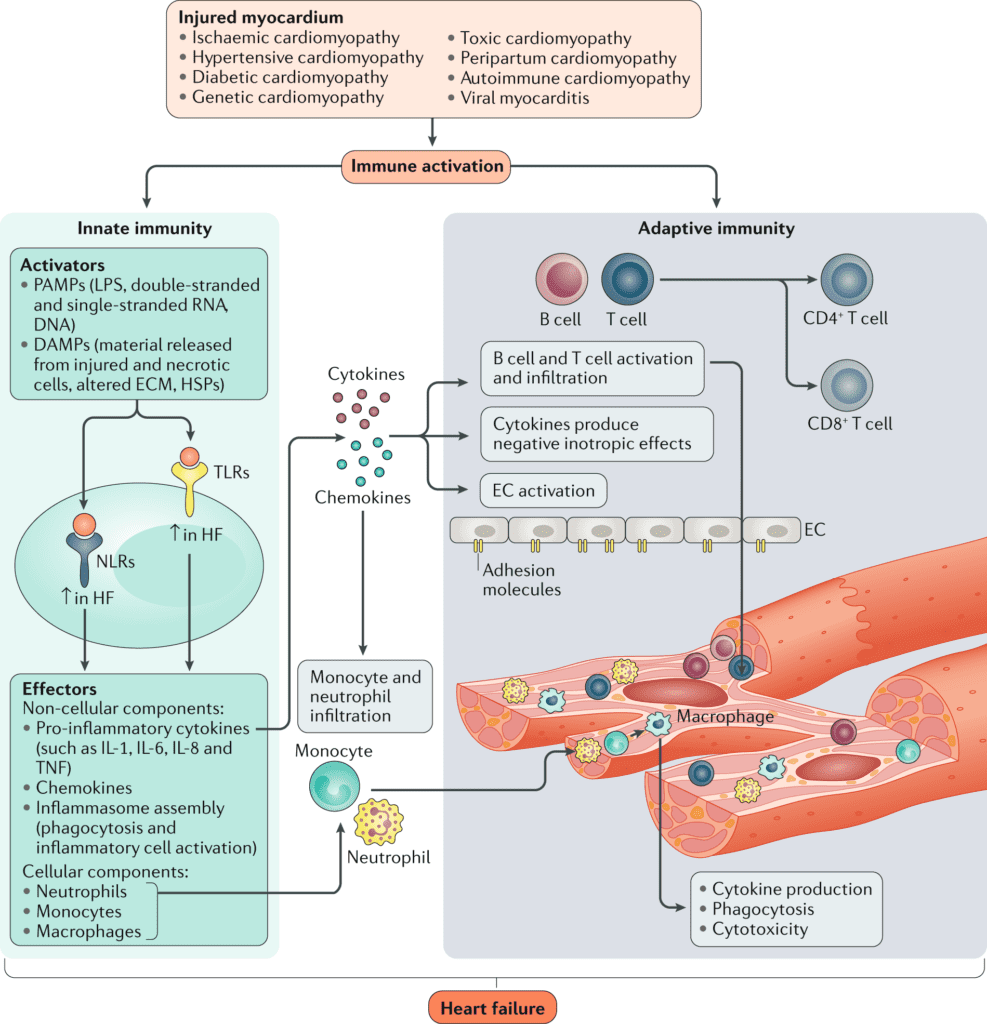
Inflammation can be caused by a variety of factors, including infections, injuries, autoimmune disorders, and exposure to certain substances. When the body detects damage or foreign invaders, it releases chemicals called cytokines, which signal the immune system to respond. This immune response leads to the characteristic signs of inflammation, such as redness, swelling, heat, and pain.
Inflammation and heart disease
Link between inflammation and heart disease
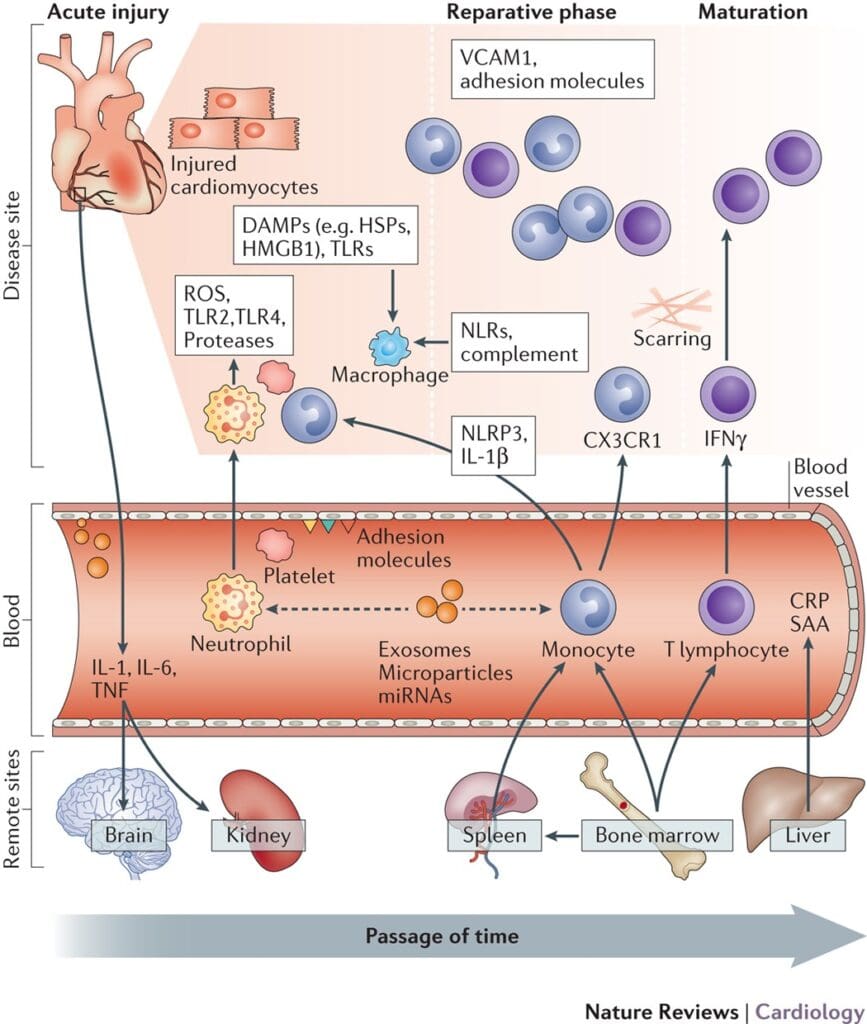
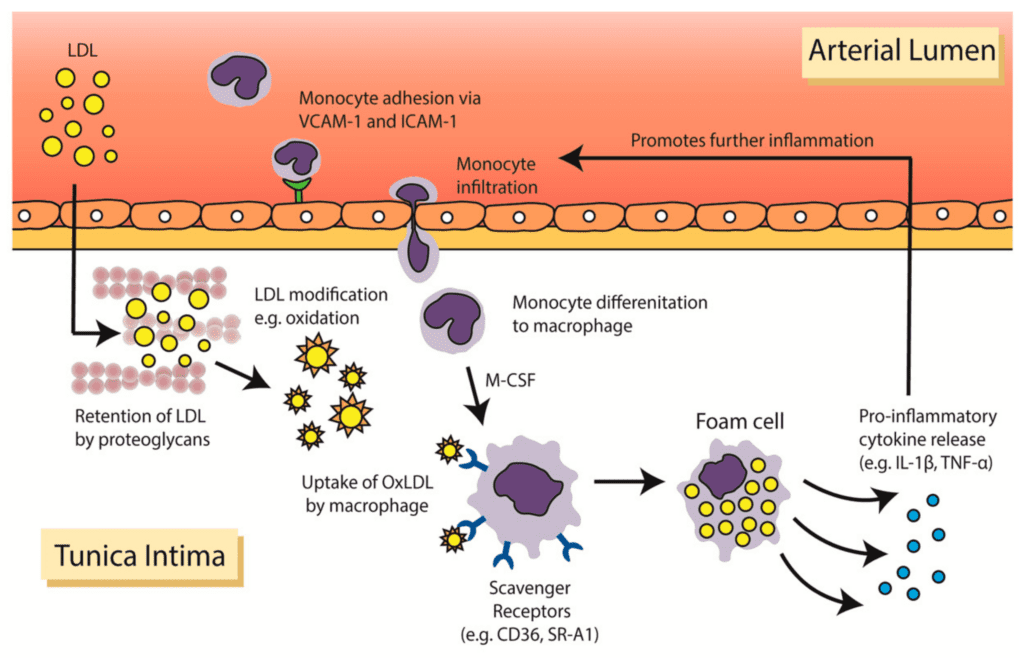
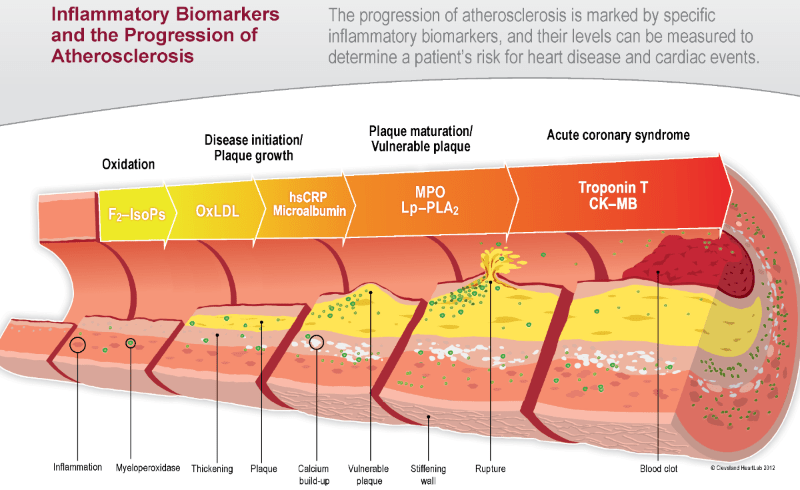
Research has shown a strong link between inflammation and heart disease. Inflammation plays a key role in the development and progression of atherosclerosis, a condition characterized by the buildup of plaque in the arteries. When the inner lining of the arteries becomes damaged, white blood cells are recruited to the site, leading to inflammation. Over time, this inflammation can result in the formation of plaques, which can restrict blood flow and increase the risk of heart disease.
Role of chronic inflammation in heart disease
Chronic inflammation, particularly when it affects the arteries, can contribute to the development of heart disease. Inflammatory cells release substances that promote the oxidation of LDL (low-density lipoprotein) cholesterol, making it more likely to stick to the arterial walls and form plaques. Additionally, chronic inflammation can weaken the fibrous cap of these plaques, increasing the risk of rupture and the formation of blood clots.
Inflammatory markers in heart disease diagnosis
Inflammatory markers, such as C-reactive protein (CRP), can be used to assess the level of inflammation in the body. Elevated levels of CRP have been associated with an increased risk of heart disease. Measuring these markers can help identify individuals who may be at a higher risk and guide treatment decisions.
How inflammation affects cholesterol levels
Connection between inflammation and cholesterol
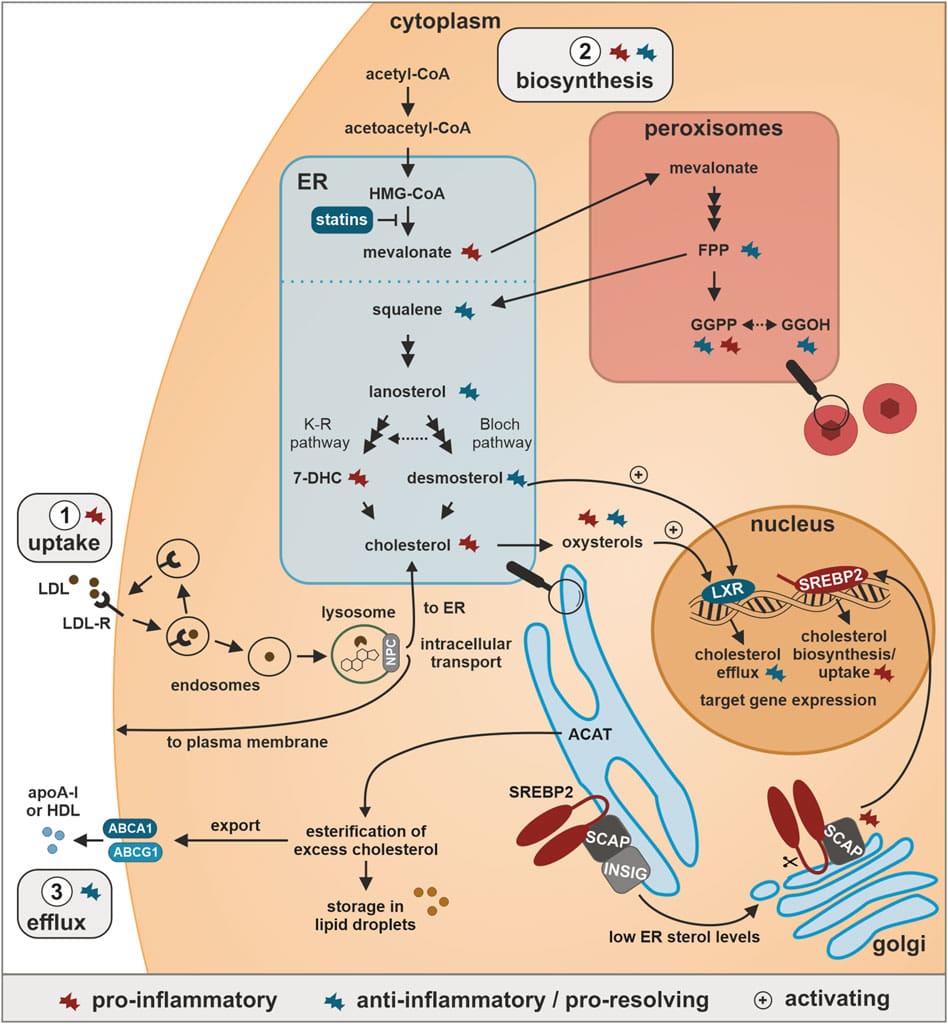
Inflammation and cholesterol levels are closely intertwined. Inflammatory processes can impact the metabolism of lipids, including cholesterol, in the body. Chronic inflammation can alter the balance of lipids, leading to an increase in LDL cholesterol and a decrease in HDL (high-density lipoprotein) cholesterol levels.
Inflammatory effects on LDL cholesterol
Inflammation can modify LDL cholesterol particles, making them smaller and denser. These modified LDL particles are more likely to accumulate in the arteries and contribute to the formation of plaques. Additionally, inflammation can impair the functionality of HDL cholesterol, reducing its ability to remove cholesterol from the arteries and transport it back to the liver for excretion.
Inflammatory effects on HDL cholesterol
Research suggests that inflammation can decrease the levels of HDL cholesterol, often referred to as “good” cholesterol. Inflammation can impair the production and function of HDL cholesterol, reducing its protective effects on the arteries. Lower levels of HDL cholesterol have been associated with an increased risk of heart disease.
Inflammatory diseases and heart disease risk
Rheumatoid arthritis
Rheumatoid arthritis is an autoimmune disease characterized by chronic inflammation primarily affecting the joints. In addition to joint symptoms, individuals with rheumatoid arthritis have a higher risk of developing heart disease. The chronic inflammation can affect the entire vascular system, leading to the increased risk of plaque formation and cardiovascular events.
Psoriasis
Psoriasis is a chronic inflammatory skin condition that has also been linked to an increased risk of heart disease. The inflammation associated with psoriasis can have systemic effects, contributing to the development of atherosclerosis and other cardiovascular conditions.
Inflammatory bowel disease
Inflammatory bowel disease, including conditions like Crohn’s disease and ulcerative colitis, involves chronic inflammation of the digestive tract. Studies have shown that individuals with inflammatory bowel disease have an elevated risk of heart disease, likely due to shared inflammatory pathways between the bowel and the cardiovascular system.
Risk factors for inflammation and heart disease
Obesity
Obesity is a major risk factor for both inflammation and heart disease. Excess body weight, especially abdominal fat, can lead to chronic low-grade inflammation. Adipose tissue produces pro-inflammatory substances that can disrupt normal metabolic processes and contribute to the development of heart disease.
Poor diet
A diet high in processed foods, refined carbohydrates, and saturated fats can promote inflammation in the body. These dietary components can trigger inflammatory responses and increase the risk of heart disease. On the other hand, a diet rich in fruits, vegetables, whole grains, and healthy fats, such as those found in fish and nuts, can help reduce inflammation and protect against heart disease.
Sedentary lifestyle
Lack of physical activity is associated with increased inflammation and a higher risk of heart disease. Regular exercise has been shown to reduce markers of inflammation and improve cardiovascular health. Engaging in moderate-intensity aerobic activities, such as brisk walking or cycling, for at least 150 minutes per week can help lower inflammation and decrease the risk of heart disease.
Preventing and managing inflammation
Anti-inflammatory diet
Following an anti-inflammatory diet can help reduce chronic inflammation and lower the risk of heart disease. This diet emphasizes whole, unprocessed foods and includes plenty of fruits, vegetables, whole grains, lean proteins, and healthy fats. It limits the intake of processed foods, sugary beverages, refined carbohydrates, and saturated fats, which can promote inflammation.
Regular exercise
Engaging in regular physical activity is an effective way to manage inflammation and improve heart health. Exercise can lower levels of inflammatory markers and enhance the function of the immune system. Aim for a combination of cardiovascular exercises, strength training, and flexibility exercises to maximize the benefits.
Stress management
Chronic stress can contribute to inflammation and increase the risk of heart disease. Finding effective stress management techniques, such as practicing mindfulness, deep breathing exercises, or engaging in hobbies, can help reduce inflammation and promote heart health. It is important to prioritize self-care and take steps to manage stress effectively.
Medications for inflammation and heart disease
Nonsteroidal anti-inflammatory drugs (NSAIDs)
Nonsteroidal anti-inflammatory drugs (NSAIDs) are commonly used to relieve pain and reduce inflammation. While they can provide temporary relief, long-term use of NSAIDs should be done under the guidance of a healthcare professional due to potential side effects. NSAIDs may be prescribed for certain inflammatory conditions, but they are not typically used specifically for heart disease prevention.
Statins
Statins are a class of medications primarily used to lower cholesterol levels. However, they also have anti-inflammatory effects. Statins can reduce the production of inflammatory markers and help stabilize plaques in the arteries. They are commonly prescribed to individuals with heart disease or those at high risk of developing it.
Anti-inflammatory biologics
In some cases of chronic inflammatory diseases, such as rheumatoid arthritis or psoriasis, biologic medications may be used. These medications work by targeting specific components of the immune system involved in inflammation. Biologics can help reduce inflammation throughout the body, including in the arteries, and lower the risk of heart disease in individuals with these conditions.
Role of lifestyle changes in reducing heart disease risk
Quitting smoking
Smoking is a major risk factor for both inflammation and heart disease. The chemicals in tobacco smoke can trigger inflammation in the body, leading to the narrowing of the arteries and an increased risk of heart disease. Quitting smoking is an essential step in reducing inflammation and improving cardiovascular health.
Maintaining a healthy weight
Maintaining a healthy weight is important for reducing inflammation and minimizing the risk of heart disease. Losing excess weight, particularly abdominal fat, can help lower levels of inflammation markers in the body. This can be achieved through a combination of a balanced diet and regular physical activity.
Limiting alcohol consumption
Excessive alcohol consumption can promote inflammation and damage the cardiovascular system. Limiting alcohol intake is recommended to reduce inflammation and lower the risk of heart disease. Moderate alcohol consumption is defined as up to one drink per day for women and up to two drinks per day for men.
Impact of controlling inflammation on heart disease
Reduced risk of plaque formation
By controlling inflammation, the risk of plaque formation in the arteries can be reduced. Inflammation plays a critical role in the early stages of atherosclerosis, and managing inflammation can help prevent or slow down the development of plaques, preserving normal blood flow.
Lowered risk of heart attacks
Chronic inflammation in the arteries can increase the likelihood of heart attacks. By minimizing inflammation through lifestyle changes, medications, and other interventions, the risk of heart attacks can be lowered. This highlights the importance of targeting inflammation as part of heart disease prevention strategies.
Improved blood vessel health
Controlling inflammation can improve the overall health of blood vessels. Chronic inflammation can damage the endothelium, the inner lining of the arteries, leading to endothelial dysfunction. By reducing inflammation, endothelial function can be restored and blood vessels can function optimally, reducing the risk of heart disease.
Promising research and future directions
Novel anti-inflammatory therapies
Researchers are continuously exploring new and innovative ways to target inflammation. Novel anti-inflammatory therapies, including the development of specific drugs that target inflammatory pathways, are being investigated. These therapies may provide more targeted and effective treatment options for individuals with chronic inflammation and heart disease risk.
Inflammation biomarkers
Advancements in technology and research are paving the way for the identification of new inflammation biomarkers. These biomarkers can help predict an individual’s risk of developing heart disease and guide treatment decisions. By identifying individuals with heightened inflammation levels, personalized interventions can be implemented to reduce inflammation and improve heart health.
Inflammation-targeted interventions
The growing understanding of the role of inflammation in heart disease has sparked interest in developing inflammation-targeted interventions. These interventions aim to directly reduce inflammation and its impact on cardiovascular health. By specifically targeting inflammation, it may be possible to further reduce the risk of heart disease and improve outcomes for individuals with existing cardiovascular conditions.
In conclusion, understanding the role of inflammation in heart disease and cholesterol levels is crucial for preventing and managing these conditions. Chronic inflammation contributes to the development of atherosclerosis and increases the risk of heart disease. It also affects cholesterol levels, promoting the accumulation of LDL cholesterol in the arteries. Inflammatory diseases, such as rheumatoid arthritis, psoriasis, and inflammatory bowel disease, can further elevate the risk of heart disease. Various risk factors, including obesity, poor diet, and a sedentary lifestyle, can lead to increased inflammation and heart disease risk. However, adopting an anti-inflammatory diet, engaging in regular exercise, and effectively managing stress can help prevent and manage inflammation. Medications, such as statins and anti-inflammatory biologics, may be prescribed to individuals at high risk of heart disease or with chronic inflammatory conditions. Lifestyle changes, such as quitting smoking, maintaining a healthy weight, and limiting alcohol consumption, also play a crucial role in reducing heart disease risk. By controlling inflammation, individuals can reduce the risk of plaque formation, lower the risk of heart attacks, and improve blood vessel health. Ongoing research is focused on developing novel anti-inflammatory therapies, identifying inflammation biomarkers, and exploring inflammation-targeted interventions to further improve heart disease prevention and management.