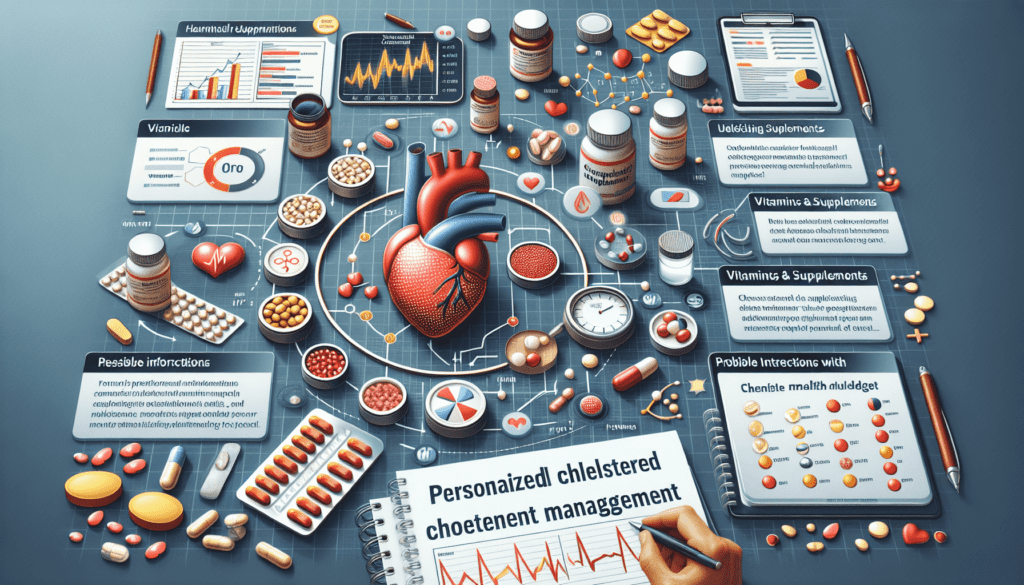

In the quest to maintain optimal cholesterol levels, it is essential to choose the right vitamins and supplements tailored to your specific needs. With an array of options available in the market, finding the right combination can seem overwhelming. However, armed with the right knowledge, you can make informed decisions that support your personalized cholesterol management. From natural remedies like garlic and omega-3 fatty acids to specialized supplements like berberine and plant sterols, this article will guide you on the path to finding the perfect vitamins and supplements for your unique cholesterol needs.
Understanding Cholesterol
What is cholesterol?
Cholesterol is a waxy substance that is found in the cells of our body. It is essential for the formation of cell membranes, certain hormones, and vitamin D. However, having high levels of cholesterol in the blood can increase the risk of heart disease and other cardiovascular conditions.
Types of cholesterol
There are two main types of cholesterol: low-density lipoprotein (LDL) and high-density lipoprotein (HDL). LDL cholesterol is often referred to as “bad” cholesterol as it can build up in the arteries and lead to blockages. HDL cholesterol, on the other hand, is known as “good” cholesterol as it helps remove LDL cholesterol from the bloodstream.
The importance of cholesterol management
Managing cholesterol levels is crucial for maintaining good heart health. When LDL cholesterol levels are high and HDL cholesterol levels are low, it can increase the risk of developing atherosclerosis, a condition where fatty deposits build up in the arteries. This can lead to heart attacks, strokes, and other cardiovascular complications. Therefore, it is important to understand how to assess and manage your cholesterol levels effectively.
Assessing Personal Cholesterol Needs
Consulting with a healthcare professional
To assess your personal cholesterol needs, it is essential to consult with a healthcare professional such as your doctor or a registered dietitian. They can evaluate your overall health, family history, and any existing medical conditions to determine the most appropriate approach for managing your cholesterol levels.
Understanding cholesterol levels
Understanding your cholesterol levels is important for determining the appropriate steps to take. A simple blood test can measure your total cholesterol, LDL cholesterol, HDL cholesterol, and triglyceride levels. Based on these results, your healthcare professional can provide personalized recommendations to help you manage your cholesterol effectively.
Identifying risk factors
Identifying and addressing risk factors for high cholesterol can help prevent complications. Risk factors can include a family history of heart disease, obesity, poor diet, lack of physical activity, smoking, and certain medical conditions such as diabetes. By identifying these risk factors, you and your healthcare professional can develop a personalized plan to manage your cholesterol effectively.

Types of Vitamins and Supplements
Overview of different vitamins and supplements
There is a wide variety of vitamins and supplements available that claim to support cholesterol management. Some common ones include vitamin B3 (niacin), omega-3 fatty acids, plant sterols and stanols, soluble fiber, garlic extract, and Coenzyme Q10 (CoQ10). Each of these supplements offers unique benefits and may be suitable for different individuals depending on their specific cholesterol needs.
Benefits of vitamins and supplements for cholesterol management
Vitamins and supplements can play a supportive role in managing cholesterol levels. For example, vitamin B3 (niacin) has been shown to increase HDL cholesterol levels, while omega-3 fatty acids have been associated with reducing triglyceride levels. Plant sterols and stanols, found in certain foods and supplements, can help block the absorption of cholesterol in the intestines. Soluble fiber can also help lower LDL cholesterol levels. These supplements can complement a healthy diet and lifestyle changes recommended by your healthcare professional.
Considerations for choosing the right ones
When considering vitamins and supplements for cholesterol management, it is important to consult with your healthcare professional to ensure they are safe and suitable for you. They can provide guidance on the appropriate dosage, potential interactions with medications, and any possible side effects. Additionally, choosing reputable brands that undergo third-party testing for quality and safety can help ensure you are selecting reliable products.
Essential Nutrients for Cholesterol Management
Vitamin B3 (Niacin)
Vitamin B3, also known as niacin, plays a crucial role in cholesterol management. It has been shown to increase HDL cholesterol levels, often referred to as “good” cholesterol. Niacin can also lower LDL cholesterol and triglyceride levels when taken at higher doses, under the guidance of a healthcare professional. However, it is essential to follow the recommended dosage and monitor any potential side effects, such as flushing or liver problems.
Omega-3 Fatty Acids
Omega-3 fatty acids are a type of polyunsaturated fat that has been associated with numerous health benefits, including supporting heart health. They have been shown to reduce triglyceride levels and may have a modest effect on lowering blood pressure. Omega-3 fatty acids can be obtained through fatty fish (such as salmon and mackerel) or through fish oil supplements. However, it is important to consult with a healthcare professional to determine the appropriate dosage and to ensure there are no interactions with medications.
Plant Sterols and Stanols
Plant sterols and stanols are natural compounds found in fruits, vegetables, and whole grains. They have a structure similar to cholesterol and can help block the absorption of cholesterol in the intestine, leading to lower LDL cholesterol levels. Plant sterols and stanols can be consumed through certain fortified foods or dietary supplements. However, it is important to note that they are not a replacement for a healthy diet and lifestyle.
Soluble Fiber
Soluble fiber is a type of fiber that dissolves in water and forms a gel-like substance. It can help lower LDL cholesterol levels by reducing the absorption of cholesterol in the intestines. Good sources of soluble fiber include oats, barley, legumes, fruits, and vegetables. If it is challenging to obtain enough soluble fiber through diet alone, supplements such as psyllium husk can be considered. As with any supplement, it is important to discuss with a healthcare professional to determine appropriate dosage and any potential interactions.
Garlic Extract
Garlic extract has been traditionally used for its potential health benefits, including its ability to support heart health. It contains sulfur compounds that may have cholesterol-lowering effects. However, the evidence regarding its impact on cholesterol levels is mixed, and more research is needed to fully understand its benefits. Additionally, it is important to keep in mind that garlic extract may interact with certain medications, such as blood thinners, so consulting with a healthcare professional is essential.
Coenzyme Q10 (CoQ10)
Coenzyme Q10 (CoQ10) is a naturally occurring antioxidant that plays a role in energy production and cell function. It has been studied for its potential benefits in reducing oxidative stress and inflammation, both of which can contribute to heart disease. While there is limited evidence to support its direct impact on cholesterol levels, CoQ10 may have indirect benefits for overall heart health. However, it is important to consult with a healthcare professional to determine if CoQ10 is suitable for you, especially if you are taking cholesterol-lowering medications.
Interactions and Possible Side Effects
Checking for potential interactions with medications
When considering vitamins and supplements for cholesterol management, it is crucial to check for potential interactions with any medications you are taking. Certain supplements, such as niacin, omega-3 fatty acids, and CoQ10, may interact with blood thinners or statin medications commonly used to lower cholesterol levels. Therefore, it is important to consult with your healthcare professional to ensure there are no contraindications or adverse effects.
Understanding possible side effects
Just like any medication or supplement, vitamins and supplements can have potential side effects. For example, niacin may cause flushing, itching, and gastrointestinal issues at higher doses. Fish oil supplements may cause a fishy aftertaste or gastrointestinal discomfort. It is important to discuss potential side effects with your healthcare professional before starting any new supplement and to follow their recommendations regarding dosage and potential monitoring.
Importance of dosage and safety guidelines
Dosage and safety guidelines for vitamins and supplements are essential to ensure their effectiveness and minimize the risk of adverse effects. It is important to follow the recommended dosage provided by your healthcare professional or the product label. Taking excessive amounts of certain supplements, such as niacin or fish oil, can lead to serious side effects. It is always best to err on the side of caution and consult with a healthcare professional to determine the appropriate dosage for your specific needs.
Determining Supplement Quality
Researching and selecting reputable brands
When choosing vitamins and supplements for cholesterol management, it is important to research and select reputable brands. Look for companies that have a good reputation for producing high-quality products and follow good manufacturing practices. Online reviews and recommendations from healthcare professionals can help guide your decision-making process.
Utilizing third-party testing certifications
Third-party testing certifications provide an added level of assurance when it comes to supplement quality. Look for products that have been certified by organizations such as the United States Pharmacopeia (USP), ConsumerLab.com, or NSF International. These certifications ensure that the supplements meet certain quality and purity standards.
Reading product labels and ingredient lists
Reading product labels and ingredient lists is crucial in determining the quality and suitability of a supplement. Look for clear and transparent labeling that provides detailed information about the ingredients, dosage, and potential allergens. Avoid products that contain unnecessary fillers, additives, or potential allergens that may not be suitable for your specific needs.
Personalized Approach
Customizing vitamin and supplement regimen
Managing cholesterol levels is not a one-size-fits-all approach. It is important to customize your vitamin and supplement regimen based on your individual cholesterol needs. Consulting with a healthcare professional can help determine the most appropriate combination of supplements and dosages for your specific situation. They can also consider other factors, such as your overall health, lifestyle, and any existing medical conditions, to provide personalized recommendations.
Considering individual health conditions
Individual health conditions can impact the suitability and effectiveness of certain vitamins and supplements. For example, individuals with liver problems should exercise caution when considering niacin supplements. Likewise, individuals with seafood allergies should avoid fish oil supplements. Consulting with a healthcare professional can help navigate potential contraindications or alternative supplement options that are suitable for your specific health conditions.
Adjusting based on lifestyle factors
Lifestyle factors also play a crucial role in managing cholesterol levels. While vitamins and supplements can offer support, they should not replace a healthy diet and regular exercise. It is important to prioritize a balanced diet that is low in saturated and trans fats, rich in fruits and vegetables, and includes lean proteins and whole grains. Regular physical activity and weight management can also contribute to maintaining healthy cholesterol levels. Adjust your supplement regimen in accordance with any lifestyle changes recommended by your healthcare professional for optimal results.
Combining with Lifestyle Changes
Importance of healthy diet and exercise
Vitamins and supplements should complement a healthy diet and regular exercise routine. A diet rich in fruits, vegetables, whole grains, lean proteins, and healthy fats can help lower LDL cholesterol levels and support overall heart health. Regular physical activity, such as brisk walking or cycling, can also contribute to improving cholesterol levels and maintaining a healthy weight. Combining vitamins and supplements with a healthy lifestyle can maximize their benefits for managing cholesterol effectively.
Managing weight and reducing body fat
Maintaining a healthy weight and reducing body fat can positively impact cholesterol levels. Excess weight, especially around the waist, can lead to increased LDL cholesterol and triglyceride levels. Losing weight through a combination of healthy eating and regular exercise can help improve these cholesterol markers. Your healthcare professional can provide guidance on weight management strategies and how it can be combined with vitamins and supplements for personalized cholesterol management.
Minimizing stress and practicing relaxation techniques
Stress can have a negative impact on cholesterol levels and heart health. Finding ways to minimize stress and practicing relaxation techniques can contribute to overall well-being. Activities such as yoga, meditation, deep breathing exercises, and hobbies can help reduce stress and promote relaxation. Explore these techniques alongside your vitamin and supplement regimen for a holistic approach to cholesterol management.
Monitoring and Evaluation
Regular cholesterol testing
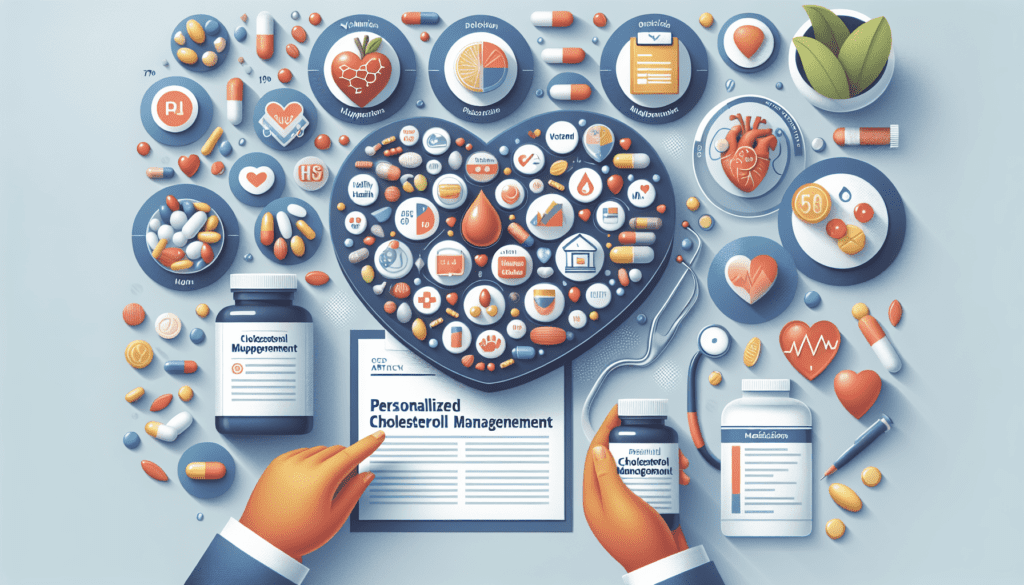
Regular cholesterol testing is essential for monitoring and evaluating the effectiveness of your cholesterol management plan. Your healthcare professional may recommend periodic blood tests to assess your cholesterol levels. This allows for adjustments to your supplement regimen or other interventions if needed. Tracking changes in your cholesterol levels over time can help ensure you are on the right track towards achieving your goals.
Tracking changes and progress
In addition to cholesterol testing, it can be beneficial to track other health markers and lifestyle changes to evaluate your progress. Keep a journal to record changes in your diet, exercise routine, stress levels, and overall well-being. This can provide valuable insights into how your vitamin and supplement regimen is impacting your cholesterol management. Sharing this information with your healthcare professional can facilitate ongoing discussions and adjustments to your plan as needed.
Reassessing vitamin and supplement needs
As your cholesterol management evolves, it is important to reassess your vitamin and supplement needs. Regularly check in with your healthcare professional to discuss any changes in your health status, medications, or lifestyle factors that may require adjustments to your supplement regimen. They can help ensure that you continue to take the most suitable vitamins and supplements for your cholesterol management journey.
Final Thoughts
Seeking professional advice
When it comes to personalized cholesterol management, seeking professional advice is paramount. Your healthcare professional can provide guidance and expertise in evaluating your cholesterol levels, identifying risk factors, and determining the most appropriate vitamins and supplements for your specific needs. They can also help monitor your progress and make adjustments along the way to optimize your cholesterol management plan.
Making informed decisions
Making informed decisions about vitamins and supplements requires research, consultation with healthcare professionals, and careful consideration of your individual health conditions and goals. Take the time to educate yourself about different vitamins and supplements, read product labels, and seek guidance from reputable sources such as healthcare professionals, registered dietitians, and trustworthy organizations.
Emphasizing a holistic approach
A holistic approach to cholesterol management involves considering all aspects of your health, including diet, exercise, stress management, and supplements. While vitamins and supplements can play a supportive role, they should not be relied upon as the sole solution for managing cholesterol levels. By combining vitamins and supplements with lifestyle changes and regular monitoring, you can take a comprehensive approach to promoting heart health and managing cholesterol effectively.