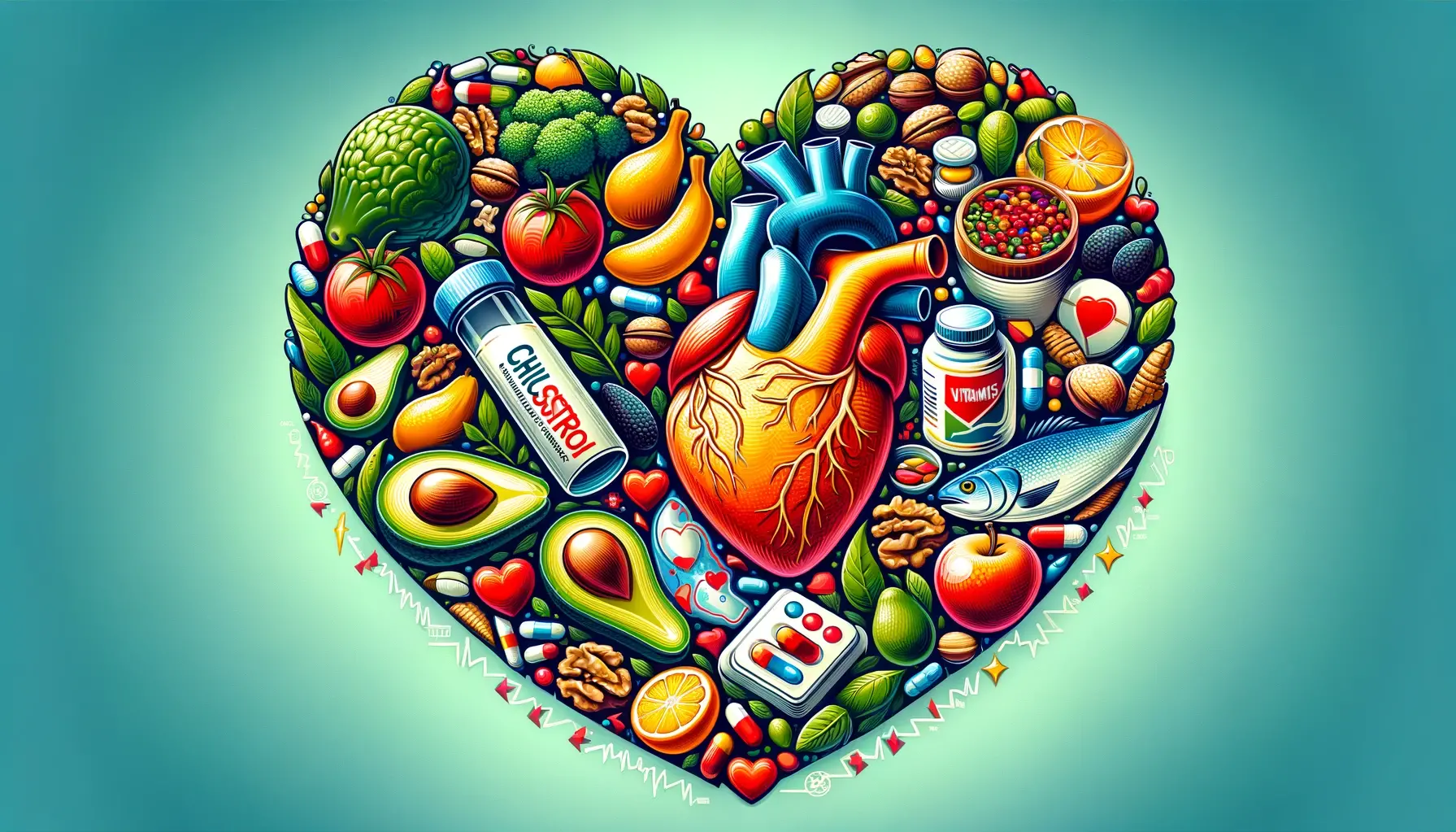

In this article, you will gain valuable insights into the fascinating correlation between emotions, mental health, cholesterol levels, and heart health. We will explore how our emotions and mental well-being can significantly impact our overall cardiovascular health. With a clear understanding of this relationship, you will be equipped to make informed choices that can positively impact not only your emotional well-being but also your heart health. So, buckle up and get ready to explore the powerful connection between our hearts and minds!

Overview of Cholesterol Levels and Heart Health
Cholesterol levels play a critical role in our overall heart health. But what exactly is cholesterol, and why is it so important? Cholesterol is a waxy substance that is found in every cell of our body. It is necessary for the production of hormones, digestion of fat, and the creation of Vitamin D. However, when our cholesterol levels become imbalanced, it can lead to serious health issues, including heart disease and stroke. That’s why understanding cholesterol levels and how they affect our heart health is crucial.
Definition and Importance of Cholesterol Levels
Cholesterol levels are measured through a blood test that assesses the amount of cholesterol present in our body. There are two types of cholesterol: low-density lipoprotein (LDL) cholesterol, often referred to as “bad” cholesterol, and high-density lipoprotein (HDL) cholesterol, commonly known as “good” cholesterol. LDL cholesterol can build up in the arteries and form plaques, leading to atherosclerosis and an increased risk of heart disease. On the other hand, HDL cholesterol helps remove LDL cholesterol from the bloodstream, reducing the risk of heart disease.
Maintaining balanced cholesterol levels is vital for our heart health. When LDL cholesterol levels are high and HDL cholesterol levels are low, the risk of heart disease increases. By monitoring and managing cholesterol levels, we can significantly reduce the risk of heart-related complications and improve overall cardiovascular health.
Understanding Heart Health and its Relationship with Cholesterol
Heart health encompasses the overall well-being of our cardiovascular system. This includes the heart, blood vessels, and the flow of blood throughout our body. Cholesterol levels directly impact heart health, as high levels of LDL cholesterol can lead to the formation of plaques in the arteries. These plaques can narrow the arteries, restricting blood flow and potentially causing life-threatening conditions such as heart attacks or strokes.
Maintaining optimal heart health requires a comprehensive approach that includes managing cholesterol levels, adopting a healthy lifestyle, and seeking appropriate medical interventions when necessary. By understanding the relationship between heart health and cholesterol, we can take proactive steps to protect our cardiovascular system and lead a heart-healthy life.
The Role of Emotions on Cholesterol Levels
Our emotions and mental health have a significant impact on our overall well-being, including cholesterol levels. Stress, anxiety, and depression can all influence cholesterol levels, making it crucial to understand how our emotional state can affect our heart health.
Effects of Stress on Cholesterol Levels
Stress is a common part of our daily lives, but excessive and chronic stress can take a toll on our health, including our cholesterol levels. Stress triggers the release of cortisol, a hormone that can raise LDL cholesterol levels. Additionally, stress may lead to behaviors such as emotional eating, smoking, or excessive alcohol consumption, which can further worsen cholesterol levels.
By learning effective stress management techniques, such as exercise, meditation, and relaxation techniques, we can lower our stress levels and mitigate the negative impact on cholesterol. It’s essential to prioritize stress management as part of our heart health journey.
Emotional Eating and its Impact on Cholesterol
When we experience strong emotions, such as sadness, anger, or stress, food can often become an emotional crutch. Emotional eating refers to the tendency to consume large quantities of food, typically unhealthy and calorie-dense, as a response to emotional triggers. These food choices can impact our cholesterol levels, as they are often high in saturated and trans fats, which can raise LDL cholesterol.
By being mindful of our emotional eating patterns and seeking healthier coping mechanisms, such as talking to a therapist or engaging in stress-reducing activities, we can better manage our emotions and maintain healthier cholesterol levels.
Mental Health and Cholesterol Levels
There is growing evidence to suggest that mental health conditions, such as depression and anxiety, can influence cholesterol levels. Understanding the relationship between mental health and cholesterol can help us take proactive steps to manage both effectively.
Depression and its Association with Cholesterol Levels
Depression is a common mental health disorder characterized by persistent feelings of sadness, loss of interest, and a lack of motivation. Research suggests that individuals with depression may have higher levels of LDL cholesterol and lower levels of HDL cholesterol. Additionally, depression is associated with unhealthy lifestyle habits, such as sedentary behavior and poor dietary choices, which can further impact cholesterol levels.
Seeking appropriate treatment for depression, such as therapy or medication, can help manage both the mental health condition and cholesterol levels. It’s important to address depression comprehensively to improve overall heart health.
Anxiety and Cholesterol Levels
Anxiety, a condition characterized by excessive worry and fear, can also affect cholesterol levels. Studies have found a link between anxiety disorders and higher levels of total cholesterol, LDL cholesterol, and triglycerides. Anxiety can lead to unhealthy coping mechanisms, such as increased alcohol consumption or smoking, which can further worsen cholesterol levels.
Managing anxiety through therapy, medication, and stress-reducing techniques can not only improve mental well-being but also contribute to better heart health by maintaining optimal cholesterol levels.
Psychological Factors Influencing Cholesterol Levels
In addition to specific mental health conditions, our psychological well-being can also influence cholesterol levels. Factors such as chronic stress, low self-esteem, and negative emotions can have a detrimental impact on cholesterol balance. By addressing these psychological factors through therapy, self-care practices, and positive lifestyle changes, we can support optimal heart health and maintain healthier cholesterol levels.
Mechanisms behind the Effect of Emotions on Cholesterol Levels
Understanding the mechanisms that connect emotions and cholesterol levels can provide valuable insights into the relationship between our mental and physical well-being.
Hormonal Changes and their Impact on Cholesterol
Emotions, particularly stress and anxiety, trigger hormonal changes in the body. Stress, for example, leads to an increase in cortisol, the stress hormone. Elevated cortisol levels can contribute to higher LDL cholesterol levels and lower HDL cholesterol levels. Hormonal imbalances can disrupt the delicate balance of cholesterol production and metabolism, potentially leading to unhealthy cholesterol levels.
By managing stress effectively through stress reduction techniques and lifestyle modifications, we can help regulate hormonal changes and promote healthier cholesterol levels.
Inflammation as a Reaction to Stress and its Connection to Cholesterol Levels
Stress and emotions can trigger an inflammatory response in the body as a natural defense mechanism. However, chronic inflammation can contribute to the development of atherosclerosis, a condition characterized by the buildup of plaque in the arteries. Inflamed arteries can lead to poor blood flow, which can increase the risk of heart disease.
By adopting a heart-healthy lifestyle that includes regular exercise, a balanced diet, and stress management techniques, we can effectively reduce inflammation and minimize the potential negative impact on cholesterol levels.
Stress Management Techniques for Improved Heart Health
As we’ve discussed, chronic stress can have detrimental effects on our cholesterol levels and overall heart health. Therefore, finding effective stress management techniques is crucial in promoting a healthy heart.
Exercise as a Stress Management Tool and its Effect on Cholesterol
Regular physical activity is not only beneficial for cardiovascular health but also plays a vital role in stress management. Exercise triggers the release of endorphins, which are natural mood boosters. This can help reduce stress and promote a positive emotional state. Engaging in regular exercise can also contribute to weight management, which is another essential aspect of maintaining healthy cholesterol levels.
By incorporating moderate-intensity exercise, such as brisk walking, swimming, or cycling, into your routine, you can effectively manage stress, promote heart health, and improve cholesterol levels.
Meditation and Relaxation Techniques to Reduce Stress and Cholesterol Levels
Meditation and relaxation techniques, such as deep breathing exercises, progressive muscle relaxation, or guided imagery, can provide significant benefits in stress reduction. These practices help activate the body’s relaxation response, calming the mind and reducing stress levels. Studies have shown that adopting a regular meditation practice can improve cholesterol levels and lower the risk of heart disease.
By dedicating a few minutes each day to mindfulness or relaxation exercises, you can proactively manage stress, promote emotional well-being, and support healthier cholesterol levels.

The Role of Therapy and Counseling
When it comes to managing emotions and optimizing cholesterol levels, therapy and counseling can be invaluable tools.
The Benefits of Therapy in Managing Emotions and Cholesterol Levels
Therapy provides a safe and supportive environment for individuals to explore and address their emotional challenges. Therapists can help individuals develop healthy coping mechanisms for stress, anxiety, and depression, ultimately improving emotional well-being. By managing these emotions effectively, individuals can reduce the likelihood of turning to unhealthy habits, such as emotional eating or excessive alcohol consumption, which can negatively impact cholesterol levels.
Cognitive-Behavioral Therapy as a Tool for Improving Heart Health
Cognitive-behavioral therapy (CBT) is a widely recognized therapeutic approach that focuses on identifying and changing negative thought patterns and behaviors. It can be particularly beneficial in addressing emotional factors that contribute to unhealthy lifestyle habits and poor cholesterol management. CBT equips individuals with practical tools and strategies to manage stress, anxiety, and depression, thereby promoting heart health and optimizing cholesterol levels.
Lifestyle Modifications for Heart Health
In addition to managing emotions and seeking appropriate therapy, adopting a heart-healthy lifestyle is crucial for optimal heart health.
Healthy Diet and its Impact on Cholesterol Levels
A healthy diet plays a fundamental role in maintaining balanced cholesterol levels. Consuming foods that are low in saturated and trans fats can help reduce LDL cholesterol. Instead, focusing on incorporating heart-healthy fats, such as avocados, nuts, and olive oil, into our diet can support optimal cholesterol levels. Additionally, consuming fiber-rich foods and incorporating lean proteins can further enhance heart health.
By making conscious choices about our diet, we can positively impact our cholesterol levels, reduce the risk of heart disease, and promote overall well-being.
Importance of Regular Physical Activity for Heart Health
Physical activity is essential for maintaining a healthy heart and managing cholesterol levels. Regular exercise helps improve blood circulation, strengthen the heart muscle, and contribute to weight management. Engaging in activities such as aerobic exercises, strength training, or cardiovascular workouts can support healthy cholesterol levels and reduce the risk of heart disease.
By making physical activity a regular part of our routine, we can achieve multiple benefits for heart health and cholesterol management.
Medication and Medical Interventions
In some cases, lifestyle modifications may not be enough to manage cholesterol levels effectively. In such situations, medication and medical interventions may be necessary.
Cholesterol-Lowering Medications and their Role in Managing Heart Health
Cholesterol-lowering medications, such as statins, can be prescribed by healthcare professionals to individuals with high cholesterol levels. These medications work by inhibiting the production of cholesterol in the liver or by increasing the liver’s ability to remove LDL cholesterol from the bloodstream. Statins have been shown to be effective in reducing LDL cholesterol levels and lowering the risk of heart disease.
It’s crucial to consult with a healthcare professional to determine the appropriate medication and dosage based on individual needs and medical history.
Medical Procedures for Improving Heart Health
In severe cases, medical interventions or procedures may be required to improve heart health and manage cholesterol levels. These may include procedures such as angioplasty, stent placement, or bypass surgery to open blocked arteries and restore blood flow to the heart. These interventions aim to reduce the risk of heart disease and improve overall cardiovascular health.
These procedures should only be considered under the guidance of healthcare professionals, who will evaluate the individual’s specific condition and recommend the most suitable treatment options.
The Importance of Regular Checkups and Monitoring
Monitoring cholesterol levels and overall heart health through regular medical checkups is essential for early detection and effective management of any potential issues.
Monitoring Cholesterol Levels and Heart Health through Regular Medical Checkups
Annual or biennial checkups with healthcare professionals can provide valuable insights into our cholesterol levels and overall heart health. Through blood tests, doctors can assess our LDL and HDL cholesterol levels, triglyceride levels, and other relevant markers. These regular checkups enable early detection of any imbalances or potential red flags, allowing for timely interventions and lifestyle modifications.
Establishing a strong partnership with healthcare professionals and keeping up with regular checkups can significantly contribute to maintaining optimal heart health.
The Role of Healthcare Professionals in Assessing and Managing Emotional and Mental Health
Healthcare professionals are invaluable in assessing and managing emotional and mental health concerns that affect cholesterol levels and heart health. By prioritizing the integration of emotional and mental well-being into routine medical care, healthcare professionals can provide holistic support for their patients. They can offer counseling, therapy referrals, and medication management when appropriate, ensuring a comprehensive approach to heart health management.
Holistic Approach to Promote Heart Health
To promote optimal heart health, it is essential to adopt a holistic approach that integrates emotional, mental, and physical well-being.
Integrating Emotional, Mental, and Physical Well-being for Optimal Heart Health
Our emotional, mental, and physical well-being are interconnected, and managing all three aspects is crucial for a healthy heart. By prioritizing stress management techniques, seeking therapy or counseling, adopting a healthy diet, engaging in regular physical activity, and following medical advice when necessary, we can achieve optimal heart health.
Promoting Overall Wellness through Stress Management, Therapy, and Healthy Habits
A commitment to overall wellness, including stress management, therapy, and healthy habits, can have a profound impact on our heart health. By taking a comprehensive and proactive approach to address emotional and mental well-being in conjunction with physical health, we can optimize our cholesterol levels and significantly reduce the risk of heart disease.
In conclusion, understanding the role of emotions and mental health on cholesterol levels and heart health is crucial. By recognizing the influence of stress, anxiety, and depression on cholesterol levels, adopting effective stress management techniques, seeking therapy and counseling, making lifestyle modifications, and following medical advice, we can promote optimal heart health and well-being. Combining emotional, mental, and physical wellness is key to achieving a holistic approach to heart health and maintaining healthier cholesterol levels. Through these efforts, we can take control of our heart health journey and enjoy a healthier, happier life.