

In today’s health-conscious world, ensuring that you make heart-healthy, low-cholesterol choices when it comes to your diet is of utmost importance. One effective way to achieve this is by understanding how to read food labels. By familiarizing yourself with the key information on these labels, you can easily identify the nutritional content of the products you purchase, making informed decisions that contribute to a healthier lifestyle. So, let’s explore the ins and outs of food labels and gain the knowledge necessary to make choices that are good for your heart and overall well-being.

Understanding Serving Size and Servings per Container
Determining the serving size
When it comes to evaluating the nutritional content of a food product, understanding the serving size is essential. The serving size provides information about the quantity of the product that is considered a single serving. It is important to keep in mind that the serving size listed on the label may not necessarily reflect the portion size you typically consume. So, it’s important to be aware of the serving size and adjust accordingly.
Checking servings per container
The servings per container section on the food label indicates how many servings are available in the entire package or container. This information is vital as it helps you calculate the total nutrient intake based on the serving size and the number of servings you consume. Remember, the total amount of nutrients you consume depends on both the serving size and the number of servings you have.
Using this information to calculate nutrient intake
Once you have determined the serving size and the number of servings per container, you can use that information to calculate your nutrient intake accurately. By multiplying the nutrient values listed on the label by the number of servings you consume, you can assess the total amount of nutrients you are consuming. This calculation is particularly useful if you are trying to monitor your nutrient intake, such as tracking your fat, cholesterol, or sodium consumption.
Evaluating Total Fat Content
Identifying different types of fat
Fat is an essential nutrient that provides energy, aids in nutrient absorption, and supports various bodily functions. However, not all fats are created equal. When evaluating the fat content of a food product, it is important to identify the different types of fat present. Unsaturated fats, such as monounsaturated and polyunsaturated fats, are considered heart-healthy fats. On the other hand, saturated and trans fats should be consumed in moderation as they can increase the risk of heart disease.
Interpreting total fat grams
The total fat grams listed on the food label indicate the total amount of fat present in a single serving. This value includes all types of fat – unsaturated, saturated, and trans fats. To make heart-healthy, low-cholesterol choices, it is recommended to opt for products that have a lower total fat content per serving. Choosing products with lower amounts of saturated and trans fats and higher amounts of unsaturated fats can help promote better heart health.
Opting for low-fat or fat-free products
If you are specifically aiming for a low-fat or fat-free diet, it is crucial to pay attention to the fat content listed on food labels. Low-fat products typically contain 3 grams or less of fat per serving, while fat-free products should contain less than 0.5 grams of fat per serving. Keep in mind that these products may still contain added sugars or other ingredients that may affect their overall nutritional value, so it’s important to evaluate the full picture and consider other aspects such as added sugars or sodium content.
Analyzing Cholesterol Content
Identifying cholesterol values
Cholesterol is a waxy substance found in foods derived from animal sources, such as meat, dairy products, and eggs. High levels of cholesterol in the blood can increase the risk of heart disease. When evaluating cholesterol content on food labels, it is important to identify the amount of cholesterol present in a single serving. Aim for products with lower cholesterol values per serving to help manage your cholesterol intake.
Setting recommended daily limits
The American Heart Association recommends limiting daily cholesterol intake to 300 milligrams or less. For individuals at higher risk of heart disease, such as those with diabetes or existing heart conditions, the recommendation is to consume no more than 200 milligrams of cholesterol per day. By considering the cholesterol content listed on food labels and being mindful of portion sizes, you can make heart-healthy choices that align with these recommendations.
Choosing products with low cholesterol
To make heart-healthy, low-cholesterol choices, it is advisable to opt for food products that have lower cholesterol values per serving. For example, opting for lean meats, skinless poultry, and fish can help reduce cholesterol intake compared to higher-fat options. Incorporating more plant-based protein sources, such as legumes, nuts, and seeds, can also be beneficial as they generally do not contain cholesterol.
Examining Sodium Levels
Understanding high sodium risks
Consuming excessive amounts of sodium can increase the risk of high blood pressure and heart disease. When examining sodium levels on food labels, it is important to be aware of the potential risks associated with high sodium intake. The American Heart Association recommends limiting sodium intake to no more than 2,300 milligrams per day for most adults, with an ideal limit of 1,500 milligrams for individuals with hypertension or other heart conditions.
Checking sodium content on labels
The sodium content listed on food labels provides information about the amount of sodium present in a single serving of the product. By checking the sodium content, you can make informed decisions about whether a particular product aligns with your heart-healthy, low-sodium goals. Opting for food products with lower sodium values can help you reduce overall sodium intake and support better heart health.
Selecting low-sodium alternatives
To reduce your sodium intake and make heart-healthy choices, consider selecting low-sodium alternatives whenever possible. Compare the sodium content of different products and choose options that have lower sodium values per serving. Additionally, opting for fresh, unprocessed foods and preparing meals at home allows you to have more control over the amount of sodium used in your cooking, as opposed to relying on pre-packaged meals or restaurant dishes, which often contain higher sodium levels.

Assessing Added Sugars
Recognizing hidden sugars
Added sugars are sugars that are not naturally present in the food product but are added during processing or preparation. Consuming excessive amounts of added sugars can contribute to weight gain, increase the risk of chronic diseases, and negatively impact heart health. When assessing added sugars, it’s important to be aware of hidden sources of sugar, as they can be present in foods such as condiments, cereals, and even savory snacks.
Differentiating between natural and added sugars
While all sugars contribute to the total sugar content of a food product, it is important to differentiate between natural sugars and added sugars. Natural sugars are those inherently present in foods such as fruits and dairy products, whereas added sugars are sugars added to enhance flavor or extend shelf life. To make heart-healthy choices, aim for products with minimal added sugar and prioritize those that are naturally sweetened or have no added sugars.
Opting for products with minimal added sugar
To reduce your consumption of added sugars and make heart-healthy choices, opt for products with minimal added sugar or those that are sweetened with natural alternatives, such as fruit puree or stevia. Keep in mind that added sugar can be listed under various names on food labels, such as cane sugar, high-fructose corn syrup, or maltose. Being familiar with these alternative names can help you identify hidden sources of added sugars and make more informed choices.
Decoding Fiber Content
Recognizing the importance of dietary fiber
Fiber is an essential component of a healthy diet and plays a crucial role in maintaining heart health. It promotes bowel regularity, helps control blood sugar levels, and aids in maintaining a healthy weight. When evaluating fiber content on food labels, it is important to recognize the importance of dietary fiber and aim for products that contribute a significant amount to your daily fiber needs.
Finding high-fiber options
To incorporate more fiber into your diet and make heart-healthy choices, look for food products that are high in dietary fiber. Whole grains, fruits, vegetables, legumes, and nuts are excellent sources of dietary fiber. When reading food labels, prioritize products that have higher fiber values per serving to ensure you are getting an adequate amount of fiber in your diet.
Including fiber in a heart-healthy diet
To enhance heart-healthy choices and increase your fiber intake, incorporate fiber-rich foods into your daily meals and snacks. Start by adding more fruits and vegetables to your plate and opting for whole grain versions of bread, pasta, and cereals. Aim to include a variety of fiber-rich foods in your diet to reap the full benefits of dietary fiber on your heart health and overall well-being.

Identifying Essential Nutrients
Understanding the importance of essential nutrients
Essential nutrients are those that your body needs but cannot produce on its own, so they must be obtained from your diet. These nutrients include vitamins and minerals that play vital roles in maintaining overall health, supporting bodily functions, and promoting heart health. When evaluating food labels, it is important to be aware of the presence of these essential nutrients to ensure you are making choices that meet your nutritional needs.
Examining the presence of vitamins and minerals
Food labels often list the presence of certain vitamins and minerals in a given product. These can include vitamins like vitamin C, vitamin A, and minerals like calcium, iron, and potassium. By examining the presence of these key nutrients on food labels, you can make informed choices that contribute to the adequate intake of these essential elements and support your overall health, including heart health.
Choosing products that offer necessary nutrients
To ensure you are meeting your nutritional needs and making heart-healthy choices, prioritize food products that offer necessary vitamins and minerals. While it is always best to obtain these nutrients from whole foods, fortified products can also be a valuable source. For example, choosing calcium-fortified plant-based milk or vitamin D-fortified cereals can assist in meeting your nutrient requirements while making heart-healthy choices.
Spotting Allergens and Food Additives
Checking for common allergens
Food labels provide crucial information regarding potential allergens present in the product. Common allergens such as milk, eggs, tree nuts, peanuts, wheat, soy, and fish are often required to be clearly identified on food labels. Checking for these allergens is especially important if you have known allergies or sensitivities to ensure you are making safe food choices that align with your dietary needs.
Avoiding artificial additives and preservatives
While some food additives and preservatives are considered safe for consumption, others may have potential adverse effects on health, especially in high amounts. Reading food labels allows you to identify the presence of artificial additives or preservatives in a product, and if you prefer to avoid them, you can choose products without these additives. Opting for minimally processed or whole foods is an excellent way to reduce exposure to artificial additives and preservatives.
Ensuring safer food choices
By carefully reading and interpreting food labels, you can make choices that align with your dietary needs and avoid potential allergens or unwanted additives. This practice not only helps ensure safer food choices but also empowers you to take control of your diet and support your overall well-being, including heart health.
Comparing Labels and Making Informed Choices
Reading and comparing multiple labels
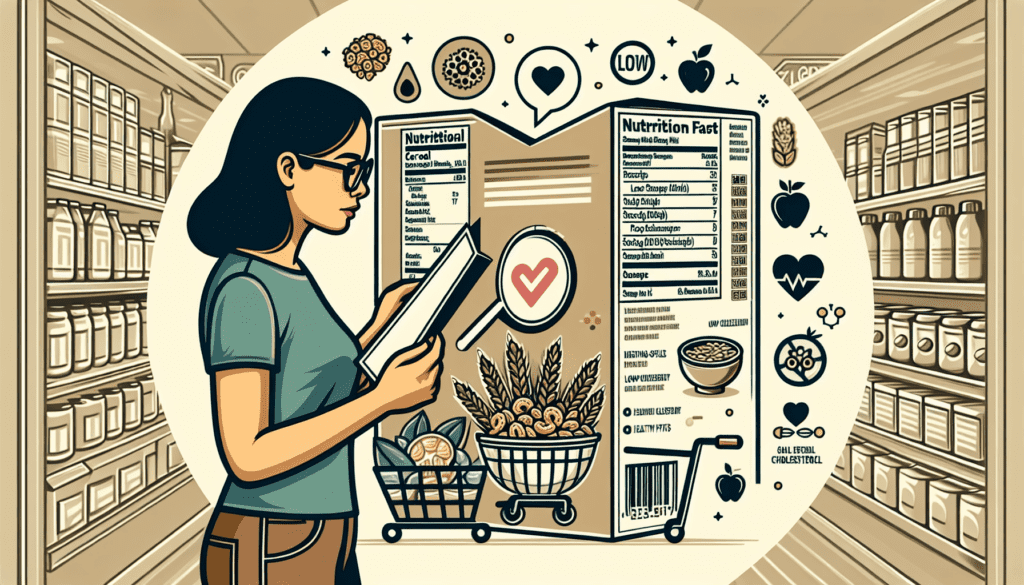
To make truly informed choices, it is important to read and compare multiple food labels. Different brands or products may have varying nutritional profiles, so it’s beneficial to evaluate labels side by side. By comparing labels, you can identify the product that best aligns with your heart-healthy, low-cholesterol goals and find the most nutritious option available.
Considering portion sizes
While evaluating food labels, it is essential to consider portion sizes. The nutrient content listed on the label refers to a single serving, and if the portion size you consume is larger, you’ll need to adjust the values accordingly. Understanding portion sizes and adjusting nutrient calculations based on your actual consumption helps you achieve a more accurate assessment of your nutrient intake and make better-informed choices.
Using labels as a guide for healthier options
Food labels serve as valuable tools that can guide you towards healthier options. By paying attention to key nutrients and ingredients, you can choose products that promote heart health and align with your dietary goals. Remember that food labels provide information, but the ultimate responsibility lies with you to make choices that support your overall well-being.
Seeking Professional Guidance
Consulting with a registered dietitian or nutritionist
For personalized advice and guidance tailored to your specific nutritional needs, consider consulting with a registered dietitian or nutritionist. These professionals are trained to assess individual dietary requirements, provide education on reading food labels, offer practical tips, and help you develop a heart-healthy, low-cholesterol eating plan.
Getting personalized advice
Each person’s nutritional needs and goals are unique, so seeking personalized advice from a professional can significantly impact your success in making heart-healthy choices. A registered dietitian or nutritionist can evaluate your current diet, take into consideration any underlying health conditions or dietary restrictions, and provide customized recommendations to help you achieve and maintain your goal of a heart-healthy, low-cholesterol diet.
Enhancing heart-healthy choices with expert support
While understanding food labels is essential for making informed choices, having the support and guidance of a registered dietitian or nutritionist can enhance your journey towards optimal heart health. These professionals can provide ongoing support, monitor your progress, and help you navigate challenges that may arise. By working together, you can ensure that your heart-healthy choices are sustainable and tailored to meet your unique needs.