Are you looking for effective ways to lower your cholesterol levels? This article explores the best methods to achieve this goal through lifestyle changes and vitamin supplements. By incorporating simple changes into your daily routine, such as adopting a healthy diet and increasing physical activity, you can make a significant impact on your cholesterol levels. Additionally, we will discuss the role of vitamin supplements in supporting overall heart health. Discover how these lifestyle changes and supplements can help you achieve optimal cholesterol levels and promote a healthier lifestyle.
Dietary Changes
Reduce saturated fat intake
One of the most effective ways to lower your cholesterol levels is to reduce your intake of saturated fat. Saturated fats can be found in fatty cuts of meat, full-fat dairy products, and fried foods. Instead, choose lean meats, low-fat dairy options, and opt for healthier cooking methods such as baking or grilling.
Increase fiber intake
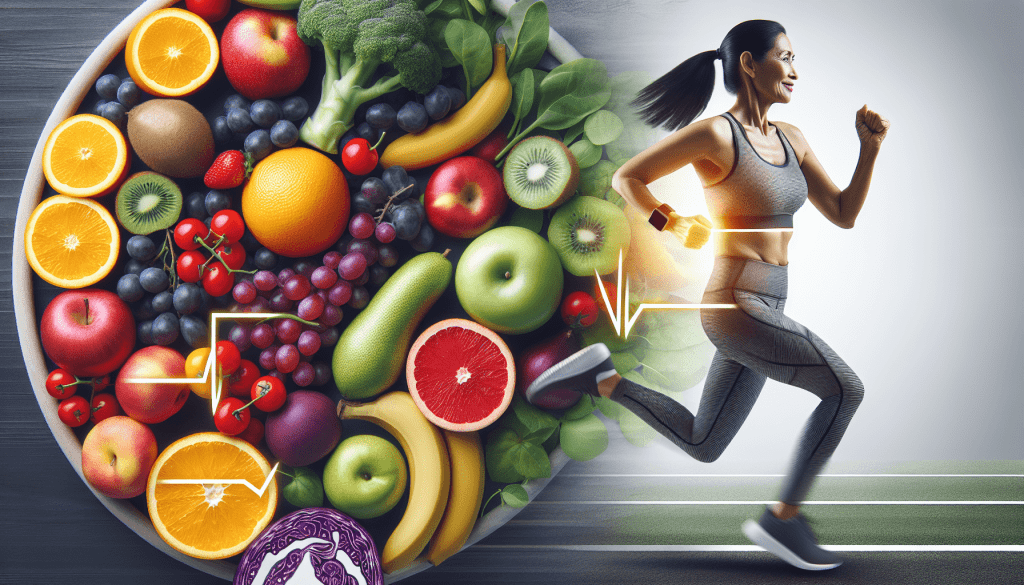
Fiber plays a crucial role in lowering cholesterol levels by binding to cholesterol and preventing its absorption. You can increase your fiber intake by eating more fruits, vegetables, whole grains, and legumes. These foods not only provide essential nutrients but also help regulate your cholesterol levels.
Eat more plant sterols
Plant sterols are naturally occurring compounds found in certain plants that can help lower cholesterol by blocking the absorption of dietary cholesterol. You can increase your plant sterol intake by consuming foods fortified with plant sterols, such as certain margarines, yogurts, and orange juice.
Consume omega-3 fatty acids
Omega-3 fatty acids can help lower your cholesterol levels and reduce the risk of heart disease. You can incorporate omega-3 fatty acids into your diet by eating fatty fish such as salmon, mackerel, and sardines. If you’re not a fan of fish, you can also consider taking fish oil supplements.
Exercise and Physical Activity
Engage in aerobic exercises
Aerobic exercises, such as brisk walking, jogging, swimming, or cycling, can help raise your heart rate and improve cardiovascular health. These exercises increase the levels of HDL cholesterol, also known as the “good” cholesterol, which helps remove LDL cholesterol from your bloodstream.
Incorporate strength training
Strength training exercises, like weightlifting or using resistance bands, can help increase muscle mass and reduce body fat. By increasing your muscle mass, you can improve your body’s ability to metabolize and remove LDL cholesterol from your system.
Emphasize regular physical activity
In addition to specific aerobic and strength training exercises, it’s important to emphasize regular physical activity in your daily routine. This can include activities such as taking the stairs instead of the elevator, parking further away and walking to your destination, or even participating in recreational activities like gardening or dancing.
Weight Management
Maintain a healthy weight
Maintaining a healthy weight is essential for managing your cholesterol levels. Excess body weight, particularly around the abdomen, can contribute to higher LDL cholesterol levels. By adopting a balanced diet and engaging in regular exercise, you can achieve and maintain a healthy weight.
Lose excess weight
If you are overweight, losing excess weight can significantly impact your cholesterol levels and overall health. Shedding even a few pounds can help lower your LDL cholesterol and increase HDL cholesterol. Creating a calorie deficit through a combination of dietary changes and physical activity is key to successful weight loss.
Avoid crash diets
While it might be tempting to try crash diets or extreme weight loss programs, they can be detrimental to your overall health and cholesterol levels. Rapid weight loss can cause the breakdown of muscle tissue, which in turn can lead to elevated cholesterol levels. Instead, focus on sustainable weight loss methods that include a balanced diet and regular exercise.
Smoking Cessation
Quit smoking
If you smoke, quitting is one of the best things you can do for your overall health, including your cholesterol levels. Smoking not only damages your lungs but also lowers your levels of HDL cholesterol while increasing your levels of LDL cholesterol and triglycerides. Seek support from friends, family, or medical professionals to help you in your journey to quit smoking.
Seek support and counseling
Quitting smoking can be challenging, both physically and mentally. Seeking support from support groups, counseling services, or even online forums can provide you with the encouragement and guidance necessary to quit successfully. Remember, you don’t have to do it alone.
Minimize Alcohol Consumption
Drink alcohol in moderation or avoid it
While moderate alcohol consumption has been associated with some health benefits, excessive alcohol intake can lead to increased cholesterol levels and other health issues. If you choose to drink alcohol, it is important to do so in moderation. This means limiting yourself to one drink per day for women and up to two drinks per day for men.
Choose healthier alternatives
If you want to lower your cholesterol levels, consider choosing healthier alternatives to alcoholic beverages. Opt for non-alcoholic beer or wine, or try mocktails made with fresh fruits and sparkling water. These alternatives can provide a refreshing taste without the negative effects of excessive alcohol consumption.
Stress Management
Practice stress-reducing techniques
Chronic stress can have adverse effects on your cholesterol levels and overall health. It’s crucial to find healthy ways to manage and reduce stress. Techniques such as deep breathing exercises, meditation, yoga, or engaging in hobbies can help you relax and cope with stress in a healthier way.
Engage in relaxation exercises
In addition to stress-reducing techniques, engaging in relaxation exercises can help lower your cholesterol levels. Incorporate activities such as listening to calming music, taking soothing baths, or practicing progressive muscle relaxation. These activities can promote a sense of calm and reduce stress-related cholesterol spikes.
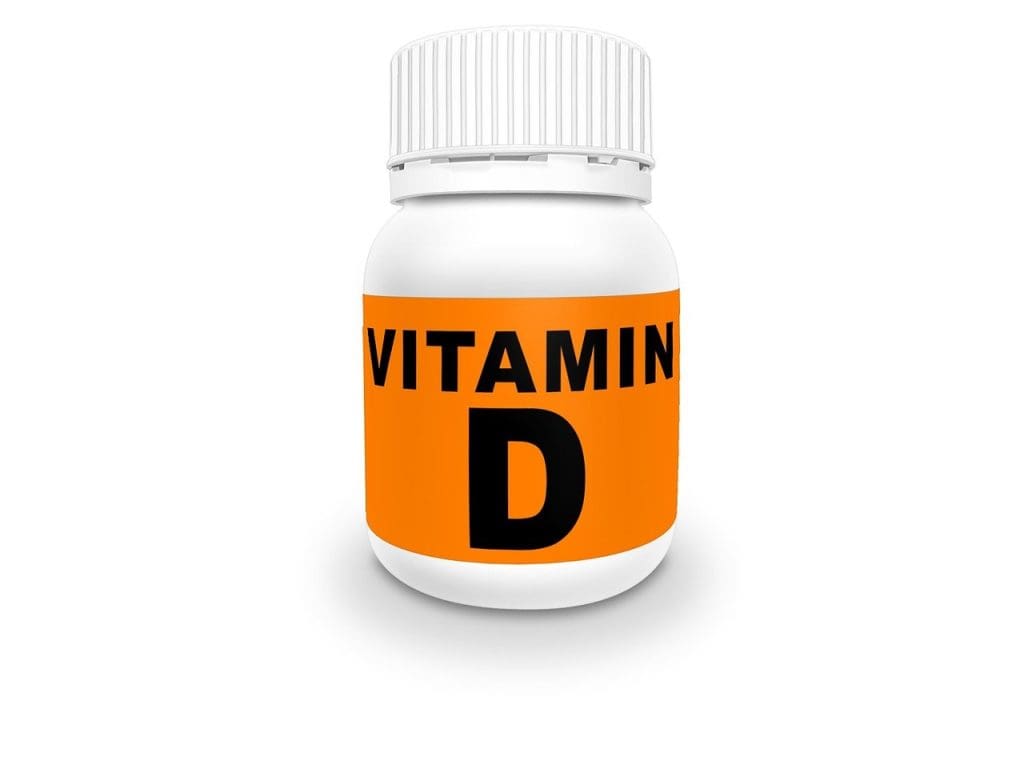
Vitamin Supplements
Consider supplements like niacin
Niacin, also known as vitamin B3, has been shown to raise HDL cholesterol levels and lower LDL cholesterol levels. However, it’s important to consult with your healthcare professional before starting any niacin supplementation to determine the appropriate dosage and to monitor your cholesterol levels.
Explore the benefits of plant sterols and stanols
Plant sterols and stanols can be taken in supplement form and have been found to lower LDL cholesterol levels. These supplements work by blocking the absorption of dietary cholesterol in the intestines. Again, consulting with your healthcare professional is crucial before starting any supplementation.
Evaluate the use of omega-3 fatty acid supplements
If you are unable to consume enough omega-3 fatty acids through your diet, your healthcare professional may recommend omega-3 fatty acid supplements. These supplements can help lower your triglyceride levels and reduce inflammation in the body. Remember to follow your healthcare professional’s advice regarding dosage and usage.
Herbal Remedies
Investigate the use of red yeast rice
Red yeast rice is a traditional Chinese medicine that has been found to contain a compound called monacolin K, which is similar to the statin medication lovastatin. This compound has been shown to lower LDL cholesterol levels. However, it’s important to note that the quality and content of red yeast rice supplements can vary, so it’s essential to consult with your healthcare professional before incorporating them into your routine.
Explore garlic supplements
Garlic has been used traditionally for its potential health benefits, including cholesterol-lowering properties. Garlic supplements are available and may have a modest effect on reducing total cholesterol and LDL cholesterol levels. As always, it’s important to consult with your healthcare professional before starting any new supplement.
Educate Yourself
Learn about cholesterol management
Education is key when it comes to managing your cholesterol levels. Take the time to learn about the different types of cholesterol, their impact on your health, and the lifestyle changes and treatments available for managing cholesterol. Understanding the basics can empower you to make informed decisions and take control of your health.
Understand the potential benefits and risks of supplements
While supplements can be helpful in managing cholesterol, it’s important to understand both the potential benefits and risks associated with their use. Some supplements may interact with medications or have side effects. Always consult with your healthcare professional before starting any new supplement to ensure its safety and efficacy.
Consult a Healthcare Professional
Seek professional guidance
When it comes to managing your cholesterol levels, it’s essential to seek professional guidance. A healthcare professional, such as a doctor or registered dietitian, can assess your specific situation, provide personalized recommendations, and monitor your progress. They can also help you navigate the vast amount of information available and ensure you’re making the best choices for your health.
Discuss the use of supplements with a doctor
Before starting any vitamin or herbal supplement, it’s crucial to discuss it with your doctor. They can assess your individual needs, evaluate potential interactions with medications you may be taking, and determine the appropriate dosage and duration of supplementation. Consulting with your doctor ensures that your supplements are safe and effective in managing your cholesterol levels.
In conclusion, lowering cholesterol levels requires a comprehensive approach that includes various lifestyle changes and, in some cases, the consideration of vitamin supplements or herbal remedies. By making dietary changes, engaging in regular exercise, managing your weight, quitting smoking, minimizing alcohol consumption, practicing stress management techniques, and seeking professional guidance, you can effectively lower your cholesterol levels and reduce your risk of developing heart disease. Remember to consult with your doctor or healthcare professional before starting any new supplements or implementing significant changes to your lifestyle.