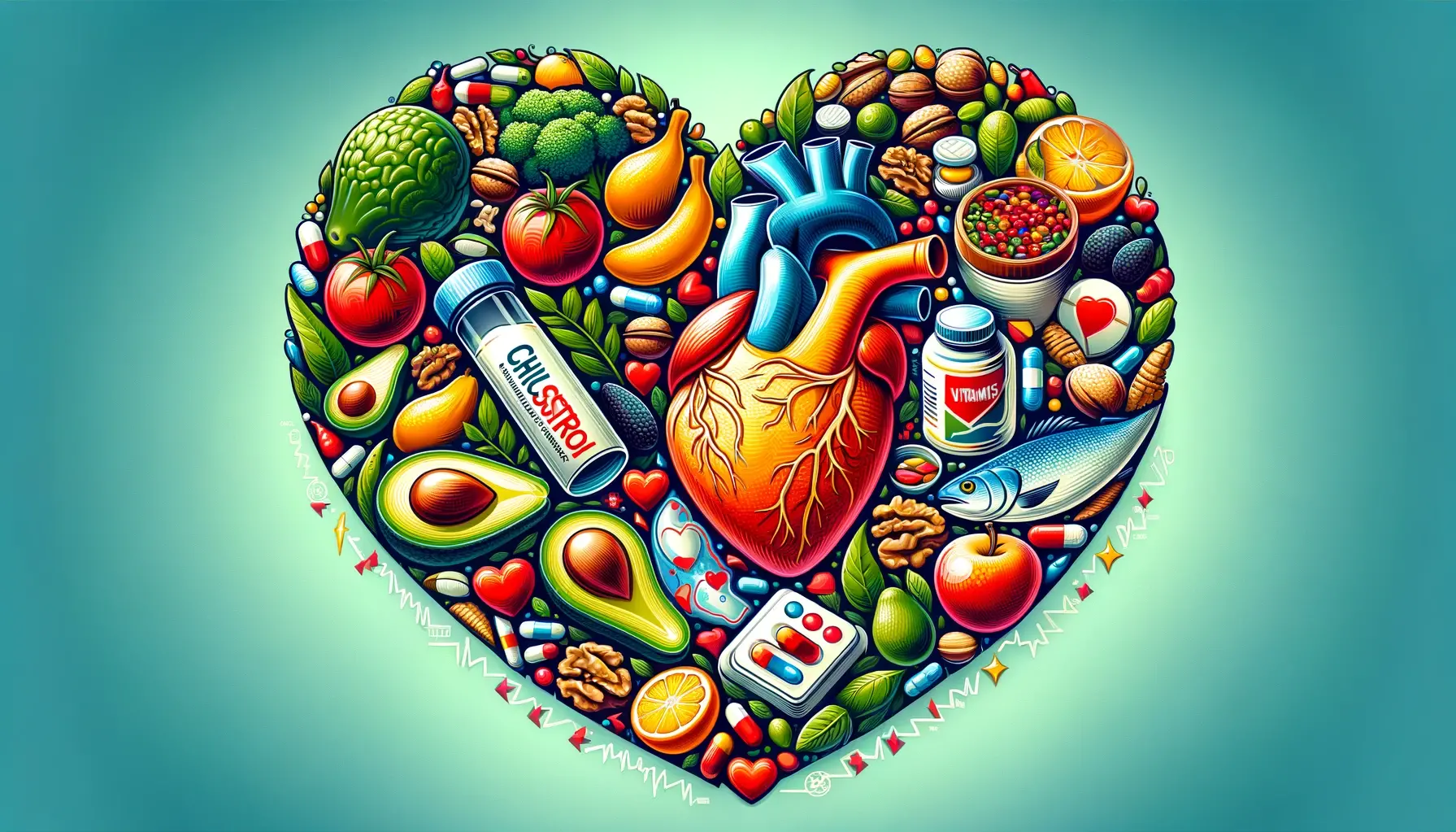

Let’s take a closer look at LDL and HDL cholesterol – two important components that play a significant role in our overall health. LDL (low-density lipoprotein) cholesterol is often referred to as the “bad” cholesterol, as it can build up in arteries and potentially lead to heart disease. On the other hand, HDL (high-density lipoprotein) cholesterol is known as the “good” cholesterol, as it helps remove excess cholesterol from the bloodstream. By understanding the difference between these two types of cholesterol, we can make informed decisions and take proactive steps towards maintaining a healthier lifestyle.

What is Cholesterol?
Definition of Cholesterol
Cholesterol is a waxy, fat-like substance found in your body that has a vital role in various functions. It is produced by your liver and is also present in some foods. While cholesterol is necessary for the proper functioning of your body, having high levels of it can increase your risk for heart disease.
Types of Cholesterol
When we talk about cholesterol, it is essential to understand that there are different types. The two main types of cholesterol are LDL (low-density lipoprotein) cholesterol and HDL (high-density lipoprotein) cholesterol.
Understanding LDL Cholesterol
Role of LDL Cholesterol
LDL cholesterol, often referred to as “bad” cholesterol, is responsible for carrying cholesterol from your liver to the cells in your body. The LDL particles can build up in the walls of your arteries, leading to the formation of plaques. Over time, these plaques can become narrowed or blocked, restricting blood flow and increasing the risk of heart disease.
Effects of High LDL Cholesterol
Having high levels of LDL cholesterol can be detrimental to your health. It increases the likelihood of developing atherosclerosis, which is the buildup of plaque in your arteries. This condition can lead to various heart problems, including coronary artery disease, heart attack, and stroke.
Risk Factors for High LDL Cholesterol
Several factors can contribute to high LDL cholesterol levels. These include a diet high in saturated and trans fats, genetics, lack of physical activity, obesity, smoking, and certain medical conditions such as diabetes and hypothyroidism. Understanding these risk factors can help you make informed choices to manage your cholesterol levels effectively.
Understanding HDL Cholesterol
Role of HDL Cholesterol
HDL cholesterol, often referred to as “good” cholesterol, plays a vital role in your body. It helps remove excess cholesterol from your bloodstream and carries it back to your liver, where it can be broken down and eliminated, thus reducing the risk of plaque buildup.
Effects of High HDL Cholesterol
Having high levels of HDL cholesterol is beneficial for your health. It helps protect against heart disease by reducing the risk of plaque formation in your arteries. Higher levels of HDL cholesterol are also associated with a lower risk of cardiovascular events such as heart attacks and strokes.
Risk Factors for Low HDL Cholesterol
Certain lifestyle factors can contribute to low levels of HDL cholesterol. These include a diet high in saturated fats and trans fats, smoking, obesity, physical inactivity, and some medical conditions such as diabetes and metabolic syndrome. Understanding these risk factors can help you take necessary steps to increase your HDL cholesterol levels.
Cholesterol Testing
Cholesterol Measurement Units
When you go for a cholesterol test, the results are measured in milligrams per deciliter (mg/dL) in most countries. However, some countries use millimoles per liter (mmol/L) as the measurement unit. It is important to be aware of the unit used in your test results to correctly interpret them.
Interpreting Cholesterol Test Results
Cholesterol test results typically provide information about your total cholesterol, LDL cholesterol, HDL cholesterol, and triglyceride levels. Your healthcare provider will compare these results with recommended guidelines to determine your risk for heart disease and develop a plan to manage your cholesterol levels effectively.

Cholesterol and Heart Health
Link Between Cholesterol and Heart Disease
Cholesterol plays a significant role in the development of heart disease. High levels of LDL cholesterol contribute to the buildup of plaque in your arteries, causing them to narrow and reducing blood flow to your heart. This can result in chest pain, heart attacks, and other cardiovascular complications. Understanding the link between cholesterol and heart disease is crucial for taking proactive steps towards maintaining a healthy heart.
Prevention and Treatment of High Cholesterol
Preventing and treating high cholesterol involves a combination of lifestyle changes, dietary modifications, and medications. By making healthy choices in your diet, engaging in regular physical activity, quitting smoking, managing stress, and, in some cases, taking prescribed medications, you can effectively lower your cholesterol levels and reduce your risk of heart disease.
Dietary Factors
Impact of Diet on Cholesterol Levels
Your diet plays a significant role in determining your cholesterol levels. Consuming foods high in saturated and trans fats can increase your LDL cholesterol levels, while including healthier fats, such as monounsaturated and polyunsaturated fats, can help raise your HDL cholesterol and lower your LDL cholesterol. Adopting a heart-healthy diet is crucial for managing your cholesterol levels effectively.
Foods to Limit
To maintain healthy cholesterol levels, it is important to limit your intake of foods high in saturated and trans fats. These include fatty meats, full-fat dairy products, deep-fried foods, processed snacks, and commercially-baked goods. By reducing your consumption of these foods, you can lower your LDL cholesterol levels and improve your heart health.
Foods to Include
Including heart-healthy foods in your diet can help improve your cholesterol profile. Foods rich in soluble fiber, such as oats, fruits, vegetables, and legumes, can help lower your LDL cholesterol levels. Additionally, incorporating lean proteins, omega-3 fatty acids from fatty fish, nuts, seeds, and plant sterols and stanols can have a positive impact on your cholesterol levels.
Lifestyle Changes
Exercise and Physical Activity
Regular exercise and physical activity can have significant benefits for your cholesterol levels and heart health. Engaging in aerobic exercises, such as brisk walking, jogging, swimming, or cycling, can help raise your HDL cholesterol levels and lower your LDL cholesterol levels. Aim for at least 150 minutes of moderate-intensity exercise or 75 minutes of vigorous-intensity exercise each week to reap the maximum benefits.
Smoking and Alcohol Consumption
Smoking and excessive alcohol consumption can have adverse effects on your cholesterol levels and overall heart health. Smoking lowers your HDL cholesterol levels and damages your blood vessels, while excessive alcohol intake can lead to high triglyceride levels and contribute to weight gain. Quitting smoking and consuming alcohol in moderation, if at all, are essential for maintaining healthy cholesterol levels.
Stress Management
Chronic stress can affect your cholesterol levels and overall heart health. When you are stressed, your body produces more cortisol, a hormone that ramps up cholesterol production. Finding healthy ways to manage stress, such as practicing relaxation techniques, engaging in hobbies, getting enough sleep, and seeking support from loved ones, can help improve your cholesterol profile and reduce your risk of heart disease.
Medication Options
Statins
Statins are a type of medication commonly prescribed to lower cholesterol levels. They work by inhibiting an enzyme involved in cholesterol production in the liver. Statins can significantly reduce LDL cholesterol levels and decrease the risk of cardiovascular events. However, it is essential to consult with your healthcare provider to determine if statins are the right option for you and to discuss potential side effects and interactions with other medications.
Other Cholesterol-Lowering Medications
Besides statins, there are other medications available to manage cholesterol levels. These include bile acid sequestrants, cholesterol absorption inhibitors, fibrates, niacin, and PCSK9 inhibitors. Your healthcare provider will consider your specific health condition and risk factors to determine the most appropriate medication for you, if needed.

Natural Remedies
Supplements and Herbs
While certain supplements and herbs may have cholesterol-lowering properties, their effectiveness can vary, and some may interact with medications or cause side effects. Some commonly used natural remedies for cholesterol management include fish oil supplements, garlic, red yeast rice, and green tea extract. It is crucial to discuss any natural remedies with your healthcare provider before incorporating them into your routine.
Plant Sterols and Stanols
Plant sterols and stanols are natural substances found in plant-based foods. These compounds have been shown to help lower LDL cholesterol levels by blocking its absorption in the intestines. Consuming foods fortified with plant sterols and stanols, such as certain margarines and orange juice, can be a useful addition to a heart-healthy diet.
Conclusion
Understanding LDL and HDL cholesterol and how they impact your heart health is essential for maintaining overall well-being. By making lifestyle changes, adopting a heart-healthy diet, and, if necessary, taking prescribed medications, you can effectively manage your cholesterol levels and reduce your risk of heart disease. Regular cholesterol testing and close communication with your healthcare provider will enable you to stay on top of your cholesterol profile and make informed decisions to protect your heart. Remember, taking care of your cholesterol is taking care of your heart.