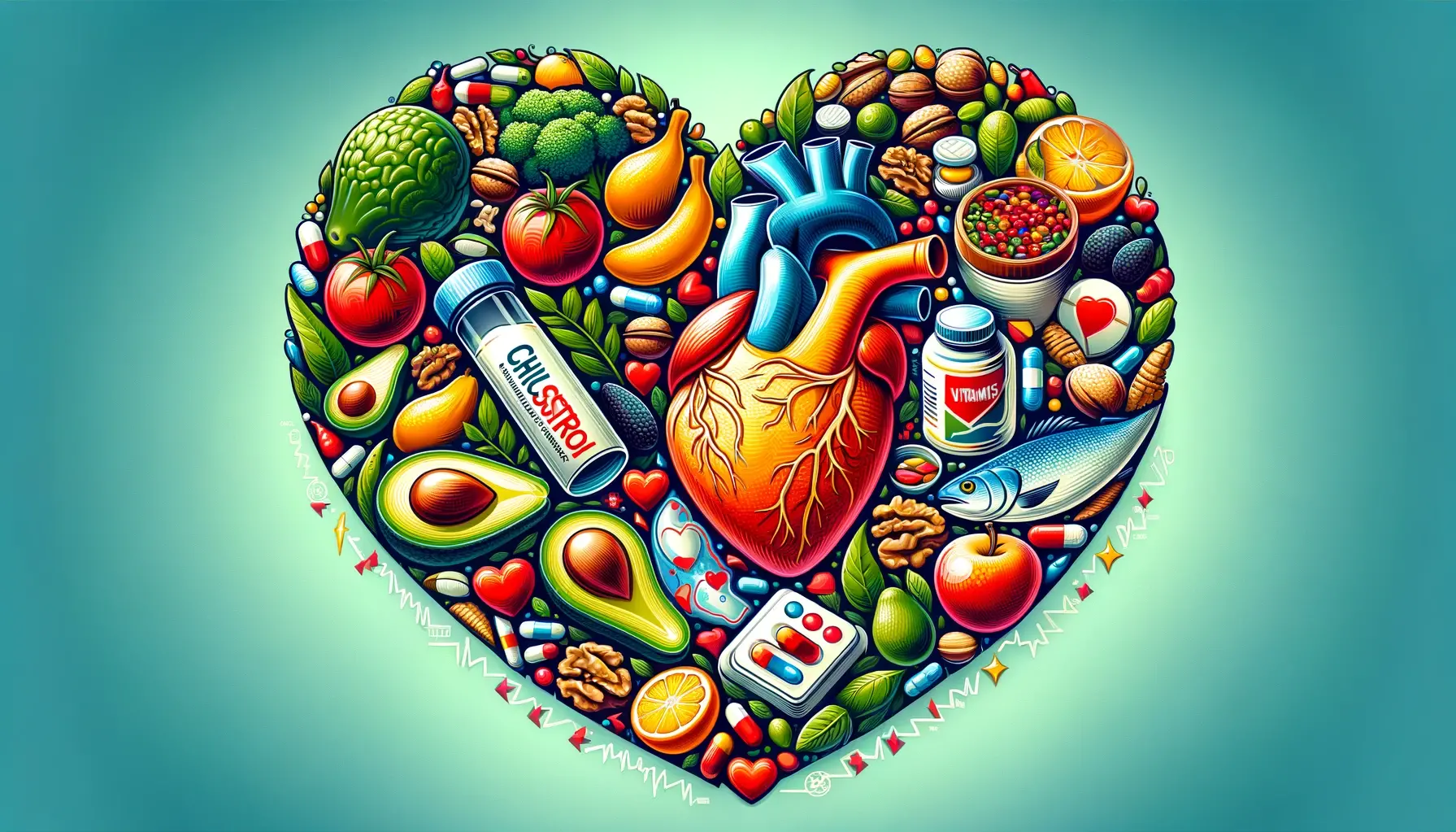
Did you know that certain supplements can help lower your cholesterol levels? In this article, we will explore the science behind these supplements and how they can be incorporated into your daily routine. From red yeast rice to omega-3 fatty acids, we will delve into the research and uncover the potential benefits of these natural remedies. So, if you’re looking for a way to improve your cholesterol profile, keep reading to discover the science behind these supplements.
What is Cholesterol?
Definition of cholesterol
Cholesterol is a waxy, fat-like substance that is naturally produced by your liver and also obtained from certain foods such as meat, poultry, and full-fat dairy products. It is an essential component of cell membranes and is involved in the production of hormones, vitamin D, and bile acids that aid in the digestion of fats.
Types of cholesterol
There are different types of cholesterol in your body. The two main types include low-density lipoprotein (LDL) cholesterol, often referred to as “bad” cholesterol, and high-density lipoprotein (HDL) cholesterol, known as “good” cholesterol. LDL cholesterol is responsible for depositing cholesterol in your arteries, leading to a buildup of plaque and increasing the risk of heart disease. On the other hand, HDL cholesterol carries cholesterol away from the arteries and back to the liver for removal.
Role of cholesterol in the body
Cholesterol plays a vital role in various bodily functions. It is necessary for the formation and maintenance of cell membranes, the insulation of nerve fibers, and the production of hormones such as estrogen and testosterone. Additionally, cholesterol is involved in the synthesis of vitamin D, which is essential for bone health, and plays a role in the digestion of dietary fats through the production of bile acids.
Understanding High Cholesterol
Definition of high cholesterol
High cholesterol, also known as hypercholesterolemia, occurs when there is an excessive amount of cholesterol in the bloodstream. This condition increases the risk of cardiovascular diseases, including heart attack and stroke. High levels of LDL cholesterol can lead to the buildup of plaque in the arteries, narrowing them and restricting blood flow to essential organs.
Risks and complications
Having high cholesterol can significantly increase your risk of developing heart disease and other cardiovascular conditions. If left untreated, it can lead to the formation of blood clots, chest pain (angina), and even heart attacks or strokes. High cholesterol levels can also contribute to the development of peripheral artery disease, which affects blood flow to the limbs, and can lead to kidney problems and erectile dysfunction in men.
Causes of high cholesterol
Several factors can contribute to high cholesterol levels. These include an unhealthy diet rich in saturated and trans fats, a sedentary lifestyle with little physical activity, smoking, being overweight or obese, and certain medical conditions such as diabetes or hypothyroidism. Additionally, genetics and family history can also play a role, as some individuals may have a genetic predisposition to higher cholesterol levels.
Introduction to Cholesterol-Lowering Supplements
What are cholesterol-lowering supplements?
Cholesterol-lowering supplements are dietary supplements that aim to reduce cholesterol levels in the body. They often contain natural ingredients that have been shown to have a positive impact on lipid metabolism and can help support overall cardiovascular health.
Types of cholesterol-lowering supplements
There are various types of cholesterol-lowering supplements available on the market. Some of the most common ones include fish oil supplements, plant sterol supplements, niacin supplements, and red yeast rice supplements. Each of these supplements works in a different way to help lower cholesterol levels.
Common ingredients in supplements
Cholesterol-lowering supplements often contain ingredients that have been scientifically studied for their potential cholesterol-lowering effects. These ingredients may include omega-3 fatty acids found in fish oil, plant sterols or stanols, soluble fiber, niacin, and red yeast rice. These ingredients work by different mechanisms to reduce LDL cholesterol levels and improve overall lipid profiles.
Scientific Research on Cholesterol-Lowering Supplements
Clinical studies and trials
Numerous clinical studies and trials have been conducted to assess the effectiveness of cholesterol-lowering supplements. These studies usually involve a group of participants who are given the supplement or a placebo, and their cholesterol levels are measured before and after a specific period. These studies provide scientific evidence regarding the potential benefits of cholesterol-lowering supplements.
Effectiveness of supplements
The effectiveness of cholesterol-lowering supplements can vary depending on the specific supplement and individual factors. Studies have shown that certain supplements, such as fish oil and plant sterols, can help reduce LDL cholesterol levels to some extent. However, it is important to note that these supplements should not be seen as a substitute for a healthy diet and lifestyle modifications.
Potential side effects
While cholesterol-lowering supplements are generally considered safe when taken as directed, they may still have potential side effects. Fish oil supplements, for example, can cause digestive issues such as diarrhea or indigestion. Niacin supplements may cause flushing or itching of the skin. It is always recommended to consult with a healthcare professional before starting any new supplement to ensure its safety and suitability for your specific needs.

Popular Cholesterol-Lowering Supplements
Fish oil supplements
Fish oil supplements are rich in omega-3 fatty acids, which have been shown to have numerous health benefits, including reducing inflammation and improving heart health. Omega-3 fatty acids in fish oil can help lower triglyceride levels and may modestly reduce LDL cholesterol levels.
Plant sterol supplements
Plant sterols or stanols are compounds naturally found in plants. They have a similar structure to cholesterol and can compete with it for absorption in the gut, resulting in reduced cholesterol absorption. Plant sterol supplements are often recommended as part of a comprehensive approach to lowering LDL cholesterol levels.
Niacin supplements
Niacin, also known as vitamin B3, is a water-soluble vitamin that has been shown to have a positive impact on cholesterol levels. Niacin can help lower LDL cholesterol, increase HDL cholesterol, and reduce triglyceride levels. However, it is important to note that high doses of niacin should only be taken under the supervision of a healthcare professional.
Red yeast rice supplements
Red yeast rice is a traditional Chinese fermented rice product that has been used for centuries in traditional medicine. Red yeast rice contains a natural compound called monacolin K, which is chemically identical to the statin drug lovastatin. Lovastatin is known for its cholesterol-lowering properties, and red yeast rice supplements may have similar effects.
Mechanism of Action
How supplements help lower cholesterol
Cholesterol-lowering supplements work through various mechanisms to help reduce cholesterol levels. For example, omega-3 fatty acids in fish oil can reduce triglyceride levels and may help lower LDL cholesterol. Plant sterols can inhibit the absorption of dietary cholesterol in the gut, leading to reduced cholesterol levels. Niacin increases the activity of enzymes involved in cholesterol metabolism, resulting in lower LDL cholesterol and higher HDL cholesterol.
Interaction with liver function
Cholesterol-lowering supplements can also interact with liver function. The liver plays a crucial role in cholesterol metabolism, including the production, breakdown, and removal of cholesterol from the body. Some supplements, such as red yeast rice, may directly affect liver enzyme activity, which can impact cholesterol synthesis and its overall balance in the body.
Effect on lipid metabolism
Lipid metabolism refers to the processes involved in the synthesis, breakdown, and transportation of lipids, including cholesterol. Cholesterol-lowering supplements can target different aspects of lipid metabolism, such as reducing cholesterol synthesis or enhancing cholesterol removal from the bloodstream. By influencing these processes, supplements can help normalize cholesterol levels in the body.
Choosing and Using Supplements
Consulting with a healthcare professional
Before starting any cholesterol-lowering supplement, it is crucial to consult with a healthcare professional, such as a doctor or a registered dietitian. They can provide personalized advice based on your specific health needs and medications you may be taking. They can also help monitor your cholesterol levels and overall health while you are using the supplements.
Quality and safety considerations
When choosing cholesterol-lowering supplements, it is important to opt for reputable brands that undergo third-party testing to ensure quality and safety. Look for supplements that carry certifications, such as the US Pharmacopeia (USP) or ConsumerLab.com. These certifications indicate that the supplements meet certain quality standards and do not contain harmful contaminants.
Proper dosage and administration
Follow the recommended dosage and administration instructions provided by the supplement manufacturer or as advised by your healthcare professional. Taking more than the recommended dose does not necessarily result in greater benefits and may increase the risk of side effects. It is important to use supplements as part of a comprehensive approach to heart health, including a healthy diet and regular physical activity.
Integration with Lifestyle Changes
Role of supplements in overall cholesterol management
Cholesterol-lowering supplements can be a valuable addition to an overall strategy for managing cholesterol levels. They can complement lifestyle changes and medications prescribed by a healthcare professional. However, it is important to remember that supplements alone cannot replace a healthy lifestyle, which includes adopting a balanced diet, engaging in regular exercise, managing stress, and avoiding tobacco use.
Importance of healthy diet and exercise
Maintaining a healthy diet and engaging in regular physical activity are essential components of cholesterol management. A diet focused on whole foods, rich in fruits, vegetables, whole grains, lean proteins, and healthy fats, can help lower LDL cholesterol levels. Regular exercise, such as aerobic activities and strength training, can help improve cholesterol profile and overall cardiovascular health.
Supplement effectiveness in combination with lifestyle changes
When used in combination with a healthy diet and exercise, cholesterol-lowering supplements may have greater effectiveness. Lifestyle changes can enhance the benefits of supplements and contribute to overall improvements in cholesterol levels and heart health. It is important to work closely with a healthcare professional to develop an individualized plan that incorporates both dietary and supplemental approaches.
Potential Risks and Precautions
Interactions with medications
Certain cholesterol-lowering supplements may interact with medications such as statins or blood thinners. It is important to inform your healthcare professional about any supplements you are taking to ensure there are no potential interactions that could affect the safety or efficacy of your medications.
Allergic reactions and sensitivities
Some individuals may experience allergic reactions or sensitivities to certain ingredients found in cholesterol-lowering supplements. It is important to read the labels carefully and be aware of any known allergies or sensitivities you may have. If you experience any adverse reactions, discontinue use and seek medical advice.
Specific precautions for certain supplements
Specific precautions may apply to certain cholesterol-lowering supplements. For example, individuals with liver disease or liver enzyme abnormalities should use red yeast rice supplements with caution, as they can affect liver function. Niacin supplements may cause flushing and itching in some individuals, but this can often be managed by taking aspirin prior to taking the supplement. It is important to follow the recommendations of your healthcare professional when using these supplements.
Conclusion
Cholesterol-lowering supplements can be a helpful addition to a comprehensive approach for managing cholesterol levels and promoting heart health. They can work in conjunction with a healthy diet, regular exercise, and other lifestyle modifications recommended by healthcare professionals. However, it is essential to consult with a healthcare professional before starting any new supplement and to ensure that it is safe and suitable for your individual needs. While supplements may provide some benefits in reducing cholesterol levels, they should not be seen as a substitute for medical advice or prescribed medications. With personalized healthcare advice and continued research in the field, the future holds promising developments in cholesterol-lowering supplement research.