Are you looking for an effective way to lower your cholesterol levels? Look no further! This article explores the essential role of fiber and psyllium supplements in reducing cholesterol. By incorporating these valuable ingredients into your diet, you can support heart health and improve your overall well-being. Discover the benefits of fiber and psyllium supplements as we shed light on their impact on cholesterol levels.
What is cholesterol?
Definition of cholesterol
Cholesterol is a waxy, fat-like substance that is naturally found in your body. It plays several important roles in maintaining overall health.
Types of cholesterol
There are two main types of cholesterol: low-density lipoprotein (LDL) cholesterol, also known as “bad” cholesterol, and high-density lipoprotein (HDL) cholesterol, or “good” cholesterol. LDL cholesterol can build up in your arteries, increasing the risk of heart disease, while HDL cholesterol helps remove LDL cholesterol, reducing the risk.
Understanding the role of cholesterol in health
Functions of cholesterol in the body
Cholesterol is essential for various bodily functions, including the production of cell membranes, certain hormones, and vitamin D. It is also involved in the digestion and absorption of fats. However, having high levels of LDL cholesterol can lead to a buildup of plaque in the arteries, restricting blood flow and increasing the risk of heart disease.
The link between high cholesterol and heart disease
High levels of LDL cholesterol, especially when combined with other risk factors such as smoking, high blood pressure, and diabetes, significantly increase the risk of heart disease. The cholesterol buildup in the arteries can lead to the formation of blood clots, which can cause a heart attack or stroke. Lowering LDL cholesterol levels is crucial for maintaining a healthy heart.
What is fiber?
Definition of fiber
Fiber is a type of carbohydrate that passes through the body undigested. It is found in plant-based foods such as fruits, vegetables, whole grains, legumes, and nuts.
Types of fiber
There are two main types of fiber: soluble and insoluble fiber. Soluble fiber dissolves in water and forms a gel-like substance in the body, while insoluble fiber does not dissolve but adds bulk to the stool. Both types of fiber are important for maintaining a healthy digestive system.
Recommended daily intake of fiber
The recommended daily intake of fiber varies depending on age and gender. For adults, the general guideline is to consume at least 25 grams of fiber for women and 38 grams for men. However, individual needs may vary, and it is always best to consult with a healthcare professional for personalized advice.
The benefits of fiber in lowering cholesterol
How fiber reduces cholesterol levels
Soluble fiber plays a crucial role in reducing LDL cholesterol levels. It binds to cholesterol in the digestive system, preventing it from being absorbed into the bloodstream. This leads to the elimination of cholesterol through the stool, effectively reducing overall cholesterol levels.
Types of fiber that are most effective
Some examples of soluble fiber that have been found to effectively lower cholesterol levels include oats, barley, legumes (such as beans and lentils), fruits (such as apples and oranges), and vegetables (such as broccoli and carrots). Including a variety of these foods in your diet can help you increase your fiber intake and reap the cholesterol-lowering benefits.
Other health benefits of fiber
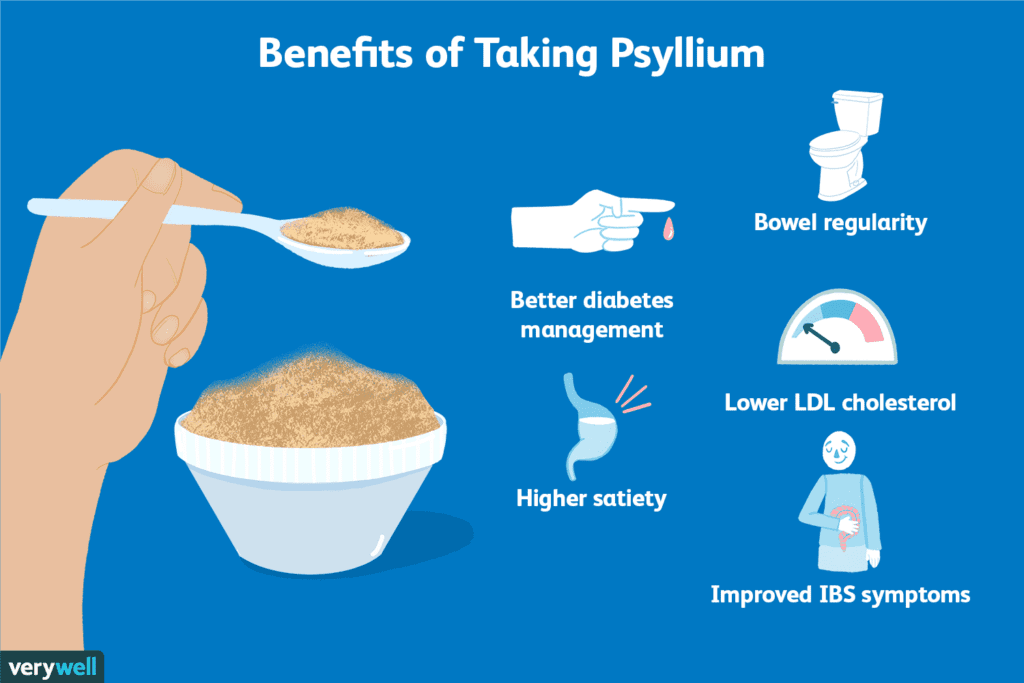
In addition to its cholesterol-lowering effects, fiber offers various other health benefits. It helps regulate bowel movements, prevents constipation, promotes a healthy weight by promoting feelings of fullness, and may reduce the risk of certain cancers, diabetes, and heart disease. Incorporating fiber-rich foods into your diet can contribute to overall health and wellbeing.

What are psyllium supplements?
Definition of psyllium
Psyllium is a type of soluble fiber derived from the seed husks of the Plantago ovata plant. It is commonly used as a dietary supplement or added to various food products.
How psyllium works in the body
Psyllium works by absorbing water in the digestive tract and forming a gel-like substance. This gel then acts as a natural laxative, making stool bulkier and easier to pass. By doing so, psyllium helps regulate bowel movements and promotes digestive health.
Types of psyllium supplements available
Psyllium supplements are available in various forms, including whole husk, powder, capsules, and granules. Each form can be easily incorporated into your daily routine, depending on personal preference and convenience.
Role of psyllium supplements in lowering cholesterol
How psyllium supplements help in reducing cholesterol
Psyllium supplements have been shown to effectively lower LDL cholesterol levels. When consumed regularly, psyllium binds to cholesterol in the digestive system, preventing its absorption into the bloodstream. This leads to a decrease in LDL cholesterol levels and a reduction in the risk of heart disease.
Effectiveness of psyllium compared to other cholesterol-lowering medications
Psyllium has been found to be as effective as some prescription medications in lowering LDL cholesterol levels. Its cholesterol-lowering properties, combined with its natural origin and minimal side effects, make it a favorable option for individuals looking to manage their cholesterol levels.
Dosage and recommended use of psyllium supplements
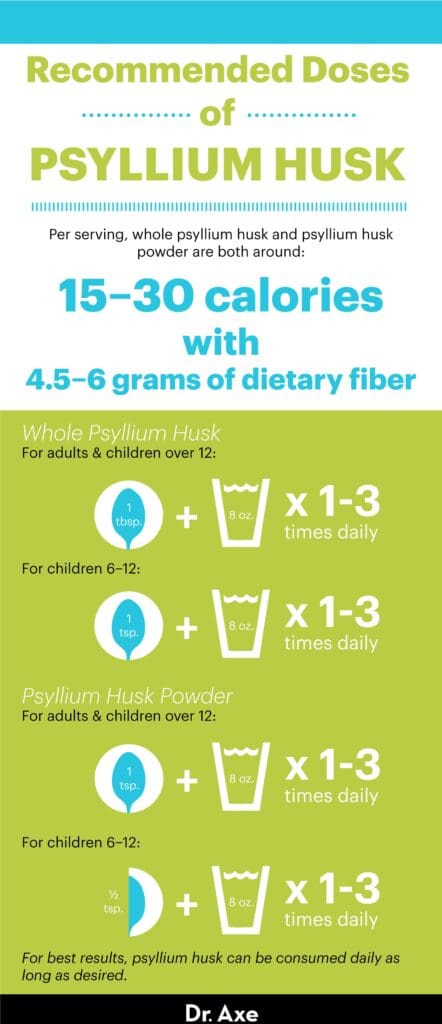
The recommended dosage and use of psyllium supplements may vary depending on individual needs and the specific product. It is essential to carefully read and follow the instructions provided by the manufacturer or consult with a healthcare professional for personalized guidance.
Scientific evidence supporting the use of fiber and psyllium supplements
Studies on the benefits of fiber in lowering cholesterol
Numerous studies have demonstrated the cholesterol-lowering effects of soluble fiber, including psyllium. These studies consistently support the role of fiber in reducing LDL cholesterol levels and improving overall heart health. Incorporating fiber-rich foods and supplements into your diet can be an effective strategy in managing cholesterol levels.
Research on the effects of psyllium supplements on cholesterol levels
Multiple scientific studies have specifically examined the effects of psyllium supplements on cholesterol levels. These studies consistently report a decrease in LDL cholesterol levels and an improvement in overall lipid profiles with regular psyllium supplementation. The research reinforces the potential of psyllium as a natural and beneficial option for individuals aiming to lower their cholesterol.
Incorporating fiber and psyllium supplements into your diet
Food sources of fiber
To increase your fiber intake, you can incorporate various fiber-rich foods into your diet. Some examples include whole grains (such as oats, brown rice, and quinoa), fruits and vegetables, legumes (beans, lentils, and chickpeas), nuts and seeds, and fiber-fortified products.
Ways to increase fiber intake
Increasing your fiber intake can be achieved by making simple dietary changes. Start by gradually increasing the consumption of fiber-rich foods, opting for whole grains over refined ones, and snacking on fruits and vegetables. Additionally, choosing fiber-rich snacks and incorporating psyllium supplements into your routine can further boost your daily fiber intake.
Tips on using psyllium supplements
When using psyllium supplements, it is crucial to follow the recommended dosage instructions provided on the product packaging or as advised by a healthcare professional. Start with small amounts and gradually increase the dosage to allow your body to adjust. It is important to drink plenty of water when taking psyllium supplements to prevent potential digestive issues and ensure proper absorption.

Precautions and considerations
Potential side effects of fiber and psyllium supplements
While fiber is generally safe to consume, consuming excessive amounts without proper hydration may cause digestive discomfort such as bloating, gas, or diarrhea. It is important to gradually increase your fiber intake and drink plenty of water to avoid potential side effects. Psyllium supplements may also cause similar digestive issues if not taken with an adequate amount of water.
Interactions with medications
Fiber supplements, including psyllium, can interfere with the absorption of certain medications. It is essential to discuss the use of fiber supplements with your healthcare professional if you are taking any medications to avoid potential interactions. They can provide guidance on the appropriate timing or dosage adjustment to ensure optimal medication efficacy.
Precautions for specific medical conditions
Individuals with certain medical conditions, such as gastrointestinal disorders or conditions requiring a strict low-fiber diet, should consult with a healthcare professional before incorporating fiber supplements into their routine. Additionally, pregnant or breastfeeding women should seek medical advice before using any dietary supplements.
Conclusion
Summary of the importance of fiber and psyllium supplements in lowering cholesterol
Fiber, particularly soluble fiber found in foods and supplements like psyllium, plays a crucial role in lowering LDL cholesterol levels and reducing the risk of heart disease. By including fiber-rich foods in your diet and incorporating psyllium supplements, you can take proactive steps towards managing your cholesterol levels and maintaining overall heart health.
Overall recommendations for incorporating them into a healthy lifestyle
To fully harness the cholesterol-lowering benefits of fiber and psyllium supplements, it is important to prioritize a healthy lifestyle. Alongside incorporating fiber-rich foods and supplements, aim for a balanced diet that includes a variety of nutrients, regular physical activity, and avoidance of tobacco use. Regular check-ups with your healthcare professional can help monitor your cholesterol levels and ensure that your overall health is being adequately managed.