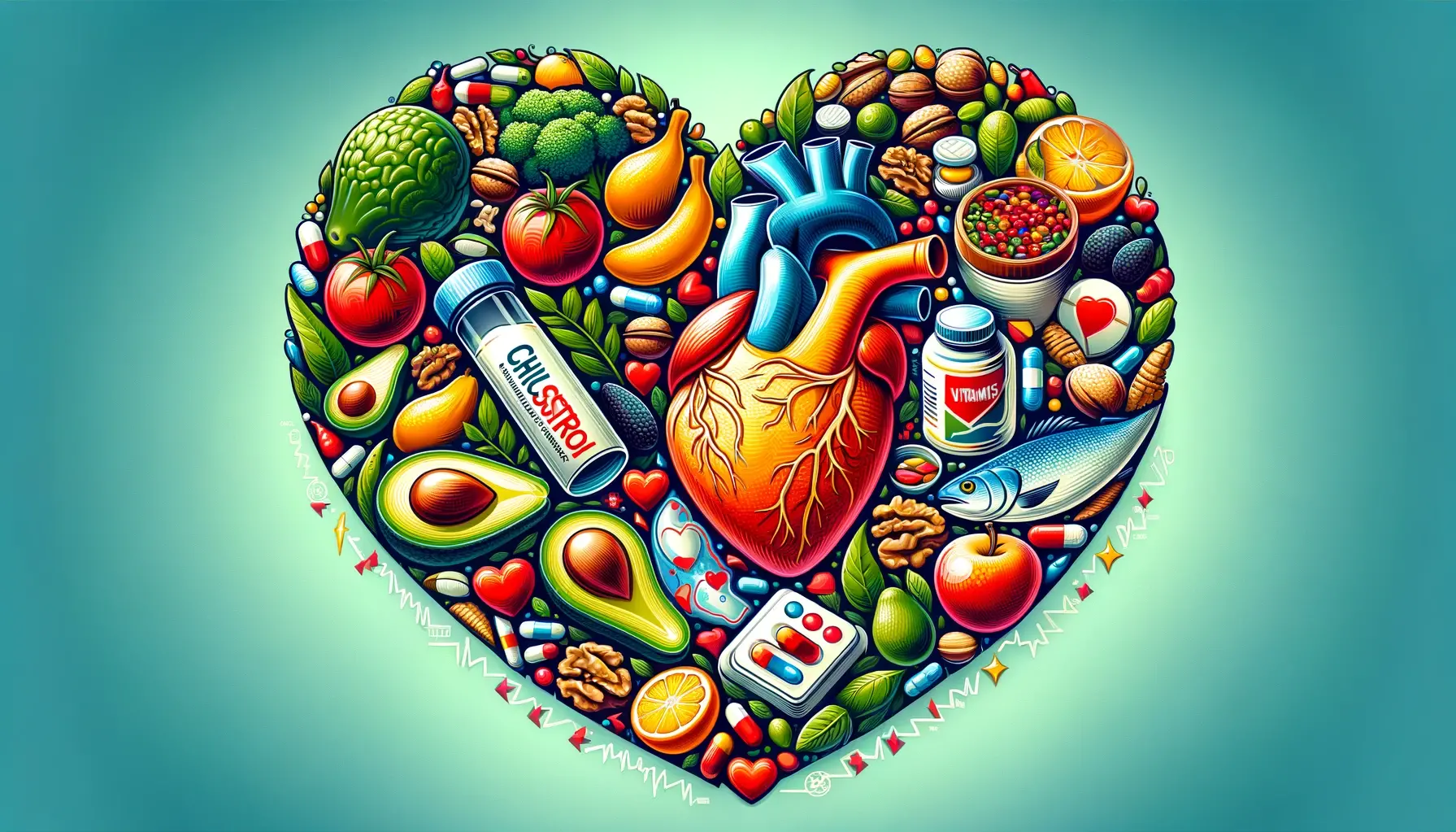
Did you know that increasing your fiber intake can have a significant impact on managing your cholesterol levels and promoting a healthier heart? Fiber, found in a variety of foods such as fruits, vegetables, whole grains, and legumes, plays a crucial role in maintaining optimal heart health. By incorporating fiber-rich foods into your diet, you can not only effectively lower your cholesterol but also reduce the risk of heart disease. Let’s explore the essential role of fiber in cholesterol management and its impact on overall heart health.
What is fiber?
Definition of fiber
Fiber is a type of carbohydrate that cannot be digested by the body. It is mainly found in plant-based foods such as fruits, vegetables, whole grains, legumes, and beans. Unlike other carbohydrates, fiber passes through the digestive system relatively intact, providing various health benefits along the way.
Types of fiber
There are two main types of fiber: soluble fiber and insoluble fiber. Soluble fiber dissolves in water and forms a gel-like substance in the intestines, while insoluble fiber adds bulk to the stool and helps promote regular bowel movements. Both types of fiber are important for overall health and play a role in cholesterol management and heart health.
The importance of cholesterol management
Understanding cholesterol levels
Cholesterol is a waxy substance that is produced naturally by the liver and also obtained through certain foods. It is essential for the body’s normal functioning, but high levels of cholesterol in the blood can increase the risk of heart disease. Cholesterol is divided into two types: low-density lipoprotein (LDL) cholesterol, often referred to as “bad” cholesterol, and high-density lipoprotein (HDL) cholesterol, known as “good” cholesterol.
Impacts of high cholesterol
High levels of LDL cholesterol can lead to the buildup of plaque in the arteries, a condition known as atherosclerosis. Over time, this buildup can restrict blood flow to the heart and other organs, increasing the risk of heart attacks and strokes. Managing cholesterol levels is crucial for maintaining heart health and reducing the risk of cardiovascular diseases.

How fiber affects cholesterol
Soluble fiber and cholesterol
Soluble fiber has been shown to have a positive impact on cholesterol levels. When consumed, soluble fiber binds to cholesterol in the digestive system, preventing it from being absorbed into the bloodstream. This helps lower LDL cholesterol levels, as well as total cholesterol levels.
Mechanism of action
The mechanism of action by which soluble fiber lowers cholesterol is based on its ability to bind to bile acids. Bile acids are produced by the liver to aid in the digestion and absorption of fats. When soluble fiber binds to bile acids, they are excreted from the body, causing the liver to use more cholesterol to produce new bile acids. This leads to a decrease in the overall amount of cholesterol in the body, including LDL cholesterol.
Fiber-rich foods for heart health
Fruits and vegetables
Fruits and vegetables are excellent sources of dietary fiber. They are also packed with vitamins, minerals, and antioxidants that promote heart health. Some fiber-rich fruits include apples, bananas, oranges, and berries. For vegetables, options like broccoli, carrots, kale, and spinach are great choices.
Whole grains
Whole grains, such as oats, quinoa, brown rice, and whole wheat bread, are rich in fiber and can be incorporated into a heart-healthy diet. Choosing whole grain options over refined grains helps maintain steady blood sugar levels and provides sustained energy.
Legumes and beans
Legumes and beans, including lentils, chickpeas, black beans, and kidney beans, are not only high in fiber but also a good source of plant-based protein. Adding legumes to meals can boost fiber intake and contribute to heart health.

Recommended daily intake of fiber
Adult recommendations
The recommended daily intake of fiber for adults is 25 to 38 grams, depending on age, sex, and overall health. It is advisable to spread fiber intake throughout the day and gradually increase intake if not accustomed to a high-fiber diet.
Children recommendations
For children, the recommended daily fiber intake varies based on age. Children aged 1 to 3 years should aim for 19 grams of fiber per day, while those aged 4 to 8 years should consume around 25 grams. Adolescents aged 9 to 18 years should aim for 26 to 38 grams of fiber daily.
The role of fiber in reducing heart disease risk
Reducing LDL cholesterol levels
By lowering LDL cholesterol levels, fiber plays a significant role in reducing the risk of heart disease. Studies have shown that increasing dietary fiber intake can lead to a modest reduction in LDL cholesterol, especially when combined with a heart-healthy diet and other lifestyle modifications.
Preventing plaque buildup
Soluble fiber’s ability to bind to cholesterol and bile acids not only helps lower LDL cholesterol but also prevents the buildup of plaque in the arteries. This reduces the risk of atherosclerosis, heart attacks, and strokes.

Fiber supplements for cholesterol management
Types of fiber supplements
For individuals who struggle to meet their daily fiber requirements through diet alone, fiber supplements can be a convenient option. There are various types of fiber supplements available, including psyllium husk, methylcellulose, and glucomannan. These supplements can be found in different forms such as powders, capsules, or chewable tablets.
Effectiveness and considerations
While fiber supplements can be effective in increasing fiber intake, they should not replace a balanced diet rich in whole foods. It is important to consult a healthcare professional before starting any new supplements, especially for individuals with pre-existing health conditions or those taking medications, as fiber supplements may interact with certain medications.
Incorporating fiber into your diet
Meal planning and recipes
Incorporating fiber into your diet can be enjoyable and delicious. Meal planning can help ensure a varied and balanced intake of fiber-rich foods. There are numerous recipes available that use fiber-rich ingredients, such as vegetable stir-fries, whole grain salads, and bean-based soups.
Tips for increasing fiber intake
Some tips for increasing fiber intake include:
- Start by gradually increasing fiber intake to avoid digestive discomfort.
- Choose whole fruits instead of juices for added fiber and nutrients.
- Swap refined grain products for whole grain alternatives, such as whole wheat bread or brown rice.
- Include fiber-rich snacks like nuts, seeds, or dried fruits in your daily routine.
- Experiment with new recipes and incorporate a variety of fiber-rich foods into your meals.
Other health benefits of dietary fiber
Digestive health
Fiber plays a crucial role in maintaining a healthy digestive system. It adds bulk to the stool, promoting regular bowel movements and preventing constipation. Additionally, fiber acts as a prebiotic, providing nourishment to beneficial gut bacteria and promoting a healthy gut microbiome.
Weight management
Incorporating fiber-rich foods into meals can help manage weight. Fiber-rich foods tend to be more filling and can promote satiety, reducing the likelihood of overeating. Additionally, high-fiber diets are generally associated with lower body weight and decreased risk of obesity.
Blood sugar control
Fiber has a positive impact on blood sugar control. Soluble fiber slows down the absorption of glucose, helping maintain stable blood sugar levels. This is particularly beneficial for individuals with diabetes or those at risk of developing the condition.
Precautions and potential side effects
Hydration and fiber intake
When increasing fiber intake, it is important to drink an adequate amount of water. Fiber absorbs water as it moves through the digestive system, so staying hydrated helps prevent potential side effects such as bloating and constipation.
Gas and bloating
As the body adjusts to a higher fiber intake, some individuals may experience increased gas and bloating. Gradually increasing fiber intake and choosing easily digestible sources can help minimize these effects.
Interactions with medications
Fiber supplements may interact with certain medications, particularly those taken for diabetes, cholesterol, and thyroid conditions. It is essential to consult with a healthcare professional to understand potential interactions and adjust medication dosages if necessary.
In conclusion, fiber plays a crucial role in cholesterol management and heart health. Incorporating fiber-rich foods into the diet, whether through fruits and vegetables, whole grains, or legumes, can have significant benefits for overall well-being. By understanding the importance of cholesterol management, the mechanisms by which fiber affects cholesterol levels, and incorporating fiber into a balanced diet, individuals can reduce their risk of heart disease and improve overall health. Remember to consult with a healthcare professional before starting any new dietary changes or supplements, particularly if you have existing medical conditions or take medications. Making small, sustainable changes to increase daily fiber intake can lead to long-term improvements in heart health and overall well-being.