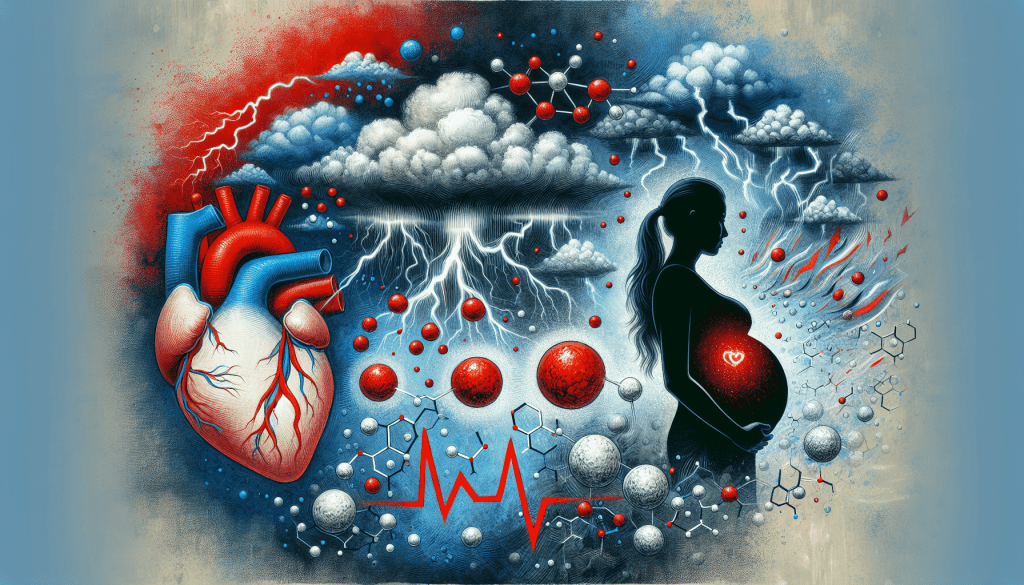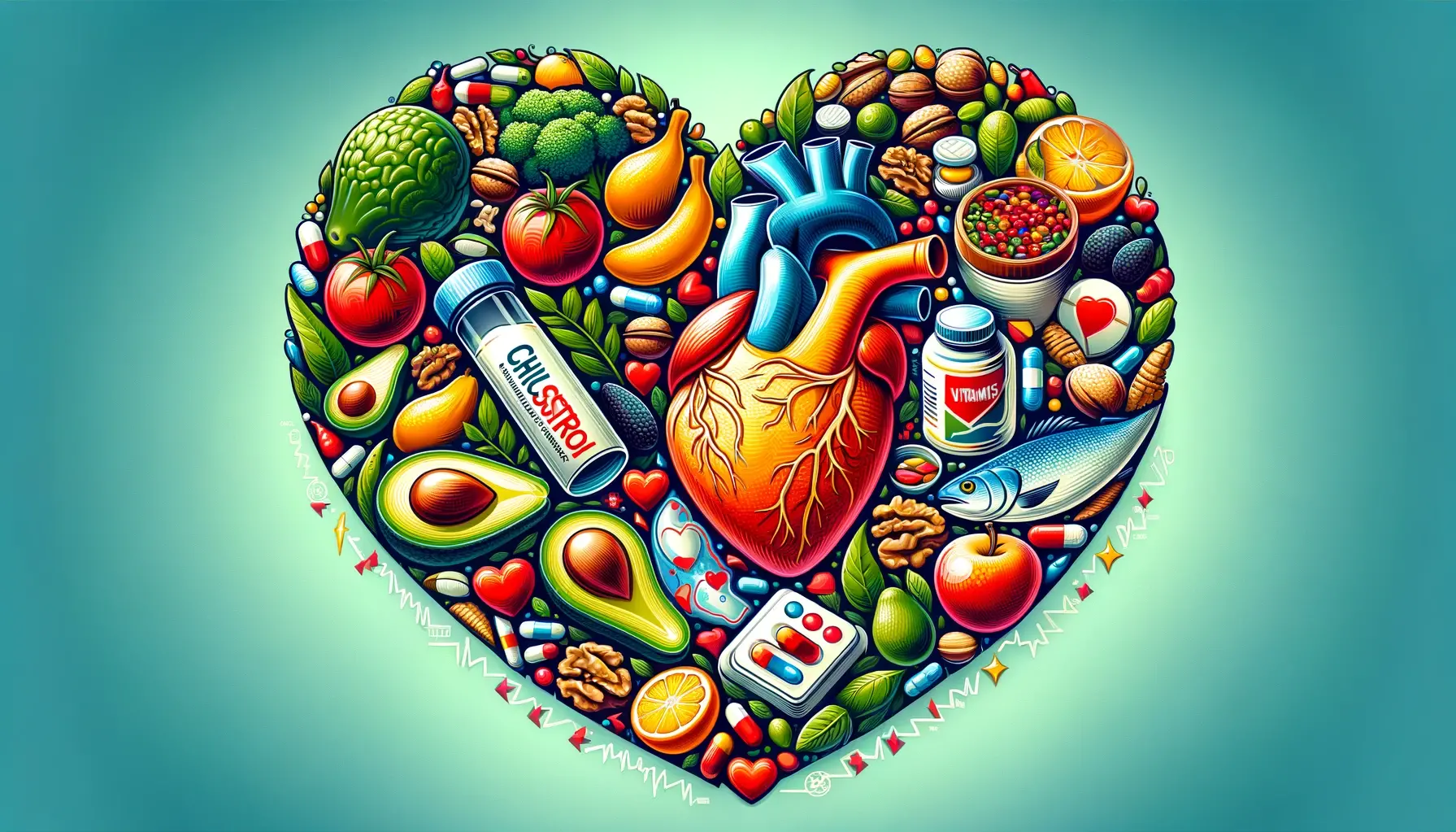
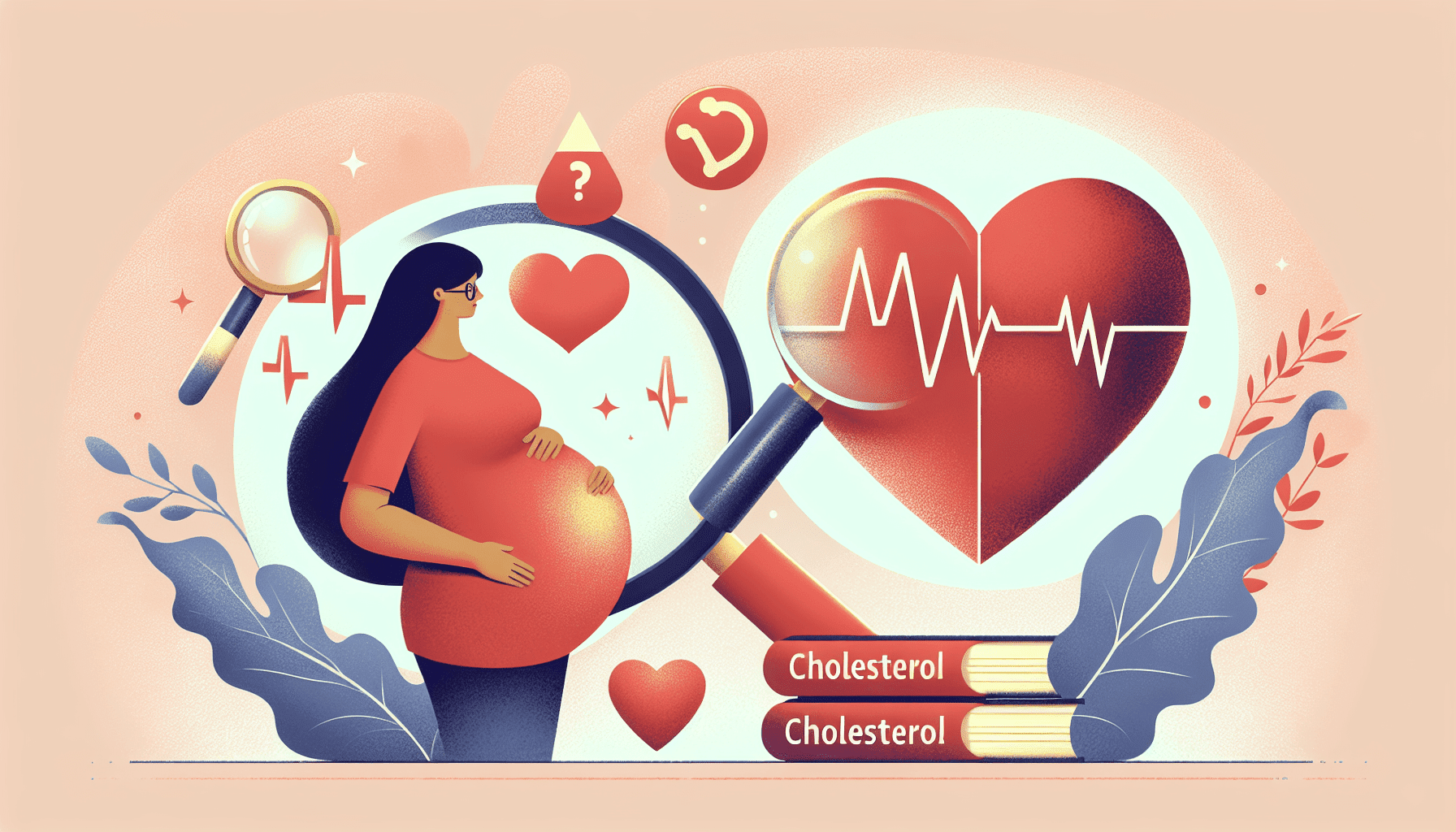
Did you know that high cholesterol can have a significant impact on both pregnancy and women’s heart health? It’s true. In this article, we’ll explore the link between high cholesterol levels and complications during pregnancy, as well as the long-term effects on a woman’s heart health. From increased risk of gestational diabetes to higher chances of developing cardiovascular diseases later in life, understanding the effects of high cholesterol is crucial for every expectant mother and woman concerned about her heart health. So, let’s dive in and discover how high cholesterol can affect pregnancy and women’s heart health.
Effects of High Cholesterol During Pregnancy
Increased Risk of Gestational Diabetes
High cholesterol during pregnancy can increase the risk of developing gestational diabetes. Gestational diabetes is a condition in which women without previously diagnosed diabetes develop high blood sugar levels during pregnancy. The presence of elevated cholesterol levels can interfere with the body’s ability to regulate blood sugar, leading to insulin resistance and the development of gestational diabetes.
Complications for the Fetus
When a pregnant woman has high cholesterol, it can pose various complications for the developing fetus. High cholesterol levels can affect the blood supply to the placenta, leading to decreased oxygen and nutrient delivery to the baby. This can result in restricted growth, low birth weight, and developmental delays in the unborn child.
Higher Incidence of Preterm Birth
Pregnant women with high cholesterol levels may face an increased risk of preterm birth. Preterm birth refers to giving birth before 37 weeks of pregnancy. High cholesterol can contribute to inflammation and damage to blood vessels, which can impact the health of the cervix and increase the likelihood of preterm labor.
Development of Preeclampsia
Preeclampsia is a potentially dangerous condition that can develop during pregnancy, characterized by high blood pressure and damage to organs such as the liver and kidneys. Women with high cholesterol may be at a higher risk of developing preeclampsia. High cholesterol can contribute to blood vessel damage and inflammation, which are primary factors in the development of this condition.
Impact of High Cholesterol on Women’s Heart Health
Increased Risk of Heart Disease
High cholesterol in women can significantly increase the risk of developing heart disease. Cholesterol is a waxy substance that can build up in the arteries, leading to the formation of plaques. Over time, these plaques can restrict blood flow to the heart, resulting in various heart conditions such as coronary artery disease, heart attacks, and stroke.
Formation of Plaques in Arteries
When cholesterol levels are high, there is an increased likelihood of plaque formation in the arteries. Plaque buildup can narrow the arteries and impede blood flow, increasing the risk of heart disease and other cardiovascular complications. It is important to manage cholesterol levels to prevent the build-up of these plaques and maintain optimal heart health.
Higher Likelihood of Heart Attack
Elevated cholesterol levels can significantly contribute to an increased likelihood of experiencing a heart attack. When the arteries become narrowed due to plaque buildup, the heart may not receive an adequate supply of oxygenated blood. This can lead to a heart attack, causing irreversible damage to the heart muscle. Maintaining healthy cholesterol levels is crucial for reducing the risk of heart attacks in women.
Impact on Blood Pressure and Circulation
High cholesterol can also have negative effects on blood pressure and circulation. Cholesterol buildup can cause blood vessels to become stiff and narrow, increasing resistance to blood flow. This, in turn, results in higher blood pressure, placing increased stress on the heart and circulatory system. It is important to manage cholesterol levels to maintain optimal blood pressure and circulation.

Managing High Cholesterol During Pregnancy
Dietary Changes
One of the primary ways to manage high cholesterol during pregnancy is through dietary changes. Choosing a heart-healthy diet can help reduce cholesterol levels and support a healthy pregnancy. This includes incorporating foods rich in fiber, such as fruits, vegetables, whole grains, and legumes. It is also important to limit the intake of saturated and trans fats found in fried foods, fatty meats, and processed snacks.
Exercise and Physical Activity
Regular exercise and physical activity can contribute to managing high cholesterol levels during pregnancy. Engaging in moderate-intensity exercises like brisk walking, swimming, or prenatal yoga can help improve heart health and promote healthy cholesterol levels. It is essential to consult with a healthcare provider before starting an exercise routine during pregnancy to ensure safety and appropriateness.
Medications Safe for Pregnancy
In some cases, medications may be necessary to manage high cholesterol during pregnancy. However, it is crucial to work closely with a healthcare professional to determine the safety and appropriateness of any medication. Some cholesterol-lowering medications, such as statins, are not suitable for use during pregnancy. However, there may be alternative options that can be prescribed to help manage cholesterol levels while ensuring the safety of both the mother and the baby.
Preventing High Cholesterol and Promoting Heart Health in Women
Importance of Regular Cholesterol Screening
Regular cholesterol screening is crucial for preventing high cholesterol and promoting heart health in women. Routine screenings can help identify any abnormalities in cholesterol levels early on, allowing for intervention and management before serious complications arise. Women should discuss with their healthcare provider how often they should undergo cholesterol screening based on their individual risk factors.
Healthy Diet and Lifestyle Modifications
A healthy diet and lifestyle modifications play a significant role in preventing high cholesterol and promoting heart health in women. Adopting a well-balanced diet that is low in saturated and trans fats, and high in fiber-rich foods can help maintain optimal cholesterol levels. Lifestyle changes, such as quitting smoking and managing stress, can also contribute to overall heart health.
Exercise and Physical Activity
Regular exercise and physical activity are essential components of preventing high cholesterol and promoting heart health. Engaging in activities that elevate the heart rate, strengthen cardiovascular health, and maintain a healthy weight can help reduce cholesterol levels and improve overall heart health in women. Aim for at least 150 minutes of moderate-intensity exercise every week.
Medications for High Cholesterol
In cases where lifestyle modifications alone are not sufficient to manage cholesterol levels, medications may be prescribed. Cholesterol-lowering medications, such as statins or fibrates, can be prescribed to help reduce cholesterol levels and prevent the progression of heart disease. It is important to work closely with a healthcare provider to determine which medication is best suited for an individual’s specific needs.
Stress Management
Stress can contribute to high cholesterol levels and negatively impact heart health. Implementing stress management techniques like meditation, deep breathing exercises, and engaging in activities that promote relaxation can help manage stress levels and reduce the risk of developing high cholesterol and heart disease.

The Role of Hormones in Cholesterol Levels
Estrogen and its Effect on Cholesterol
Estrogen, a hormone primarily found in women, plays a significant role in cholesterol levels. Estrogen helps maintain healthy levels of good cholesterol (HDL) and reduces the levels of bad cholesterol (LDL). However, hormonal changes during pregnancy or menopause can affect estrogen levels, which may lead to imbalances in cholesterol. It is important for women to discuss any hormonal changes with their healthcare provider and monitor cholesterol levels accordingly.
Cholesterol Imbalances During Menopause
During menopause, women experience a natural decline in estrogen levels, which can impact cholesterol levels. As estrogen decreases, there is a tendency for LDL cholesterol levels to rise and HDL cholesterol levels to decrease. This shift in cholesterol balance can increase the risk of developing high cholesterol and heart disease in postmenopausal women. Regular cholesterol screenings and lifestyle modifications become even more crucial during this stage of life.
Risks of High Cholesterol and Pregnancy for the Baby
Low Birth Weight
High cholesterol during pregnancy can increase the risk of delivering a baby with a low birth weight. The restricted blood flow caused by high cholesterol can affect the baby’s growth and development, leading to a lower than average birth weight. Low birth weight babies may face various health complications and developmental delays.
Developmental Delays
Exposure to high cholesterol levels during pregnancy can potentially result in developmental delays in the baby. Inadequate oxygen and nutrient supply due to restricted blood flow can affect the baby’s brain development and overall growth. It is crucial to manage cholesterol levels during pregnancy to minimize the risk of developmental delays.
Higher Risk of Obesity and Metabolic Disorders
Pregnant women with high cholesterol have an increased risk of giving birth to babies who are more prone to developing obesity and metabolic disorders later in life. The impact of high cholesterol on the baby’s metabolism and the potential long-term consequences emphasize the importance of managing cholesterol levels both during and after pregnancy.

Potential Treatment Options for High Cholesterol and Heart Disease in Women
Statins and Other Medications
Statins are a commonly prescribed medication for managing high cholesterol and heart disease. They work by inhibiting an enzyme in the liver that is necessary for cholesterol production. Statins have proven to be effective in reducing cholesterol levels and preventing the progression of heart disease. Other medications, such as fibrates and bile acid sequestrants, may also be prescribed based on an individual’s specific needs and circumstances.
Lifestyle Changes and Dietary Modifications
Lifestyle changes and dietary modifications are essential components of treating high cholesterol and heart disease. Adopting a heart-healthy diet, engaging in regular exercise, quitting smoking, managing stress, and maintaining a healthy weight can all contribute to lowering cholesterol levels and improving overall heart health in women. These lifestyle changes can be effective when combined with appropriate medications.
Hormone Replacement Therapy
Hormone replacement therapy (HRT) is a treatment option that may be considered for women experiencing menopause-related hormonal changes and associated high cholesterol levels. HRT involves the use of estrogen or a combination of estrogen and progestin to balance hormones and manage symptoms of menopause. However, the use of HRT for cholesterol management should be carefully discussed with a healthcare provider to weigh the potential benefits and risks.
Importance of Regular Check-ups and Monitoring
Tracking Cholesterol Levels
Regular check-ups and monitoring of cholesterol levels are crucial for maintaining optimal heart health. By frequently assessing cholesterol levels, healthcare providers can identify any abnormalities or changes and intervene promptly. This allows for timely management and prevention of potential complications associated with high cholesterol and heart disease.
Blood Pressure Monitoring
Regular monitoring of blood pressure is essential, as hypertension (high blood pressure) is closely linked to high cholesterol and heart disease. By regularly checking blood pressure, healthcare providers can identify any elevations and take appropriate measures to manage both cholesterol and blood pressure levels. Blood pressure monitoring is especially important during pregnancy, as high cholesterol can contribute to conditions such as preeclampsia.
Heart Health Assessments
Comprehensive heart health assessments, including lipid profile screenings, can provide valuable information about an individual’s cholesterol levels and overall cardiovascular health. These assessments may involve evaluating various risk factors, such as family history, lifestyle choices, and medical history, to determine the best course of action for managing cholesterol and maintaining heart health.
Addressing the Stigma and Awareness Surrounding Women’s Heart Health
Recognizing the Disparity in Diagnosis and Treatment
There is a significant disparity in the diagnosis and treatment of heart disease between men and women. Women are often underdiagnosed and undertreated, leading to poorer outcomes and increased mortality rates. It is important to address this disparity by raising awareness, advocating for gender-specific research, and ensuring that healthcare providers receive education and training on women’s heart health.
Promoting Gender-Specific Heart Health Research and Education
Promoting research that specifically focuses on women’s heart health is essential for understanding the unique aspects of heart disease in women. This research can help identify gender-specific risk factors, improve diagnostic tools, and develop targeted treatment approaches. Additionally, educating healthcare providers, patients, and the general public about the importance of women’s heart health can help reduce stigma and improve overall awareness.
Supporting Women with High Cholesterol and Heart Disease
Providing Emotional Support
A diagnosis of high cholesterol or heart disease can be overwhelming and emotionally challenging for women. Providing emotional support can help women navigate the physical and emotional aspects of managing these conditions. Support can come in various forms, including counseling, support groups, or simply offering a listening ear. Emotional support is crucial in empowering women to take control of their heart health.
Access to Resources and Information
Ensuring that women have access to accurate and reliable resources and information about high cholesterol and heart disease is essential. This includes providing educational materials, online resources, and access to healthcare professionals who can answer questions and address concerns. Empowering women with knowledge allows them to make informed decisions about their health and take the necessary steps to manage their cholesterol levels.
Encouraging Lifestyle Changes
Supporting and encouraging women to make positive lifestyle changes is a key aspect of managing high cholesterol and heart disease. This can involve providing guidance on adopting a heart-healthy diet, engaging in regular exercise, managing stress, and quitting smoking. By promoting and facilitating these changes, women are empowered to take control of their heart health and reduce their risk of complications associated with high cholesterol.
In conclusion, high cholesterol can have significant effects on both pregnancy and women’s heart health. During pregnancy, high cholesterol increases the risk of gestational diabetes, complications for the fetus, preterm birth, and the development of preeclampsia. In terms of heart health, high cholesterol increases the risk of heart disease, plaque formation in arteries, heart attacks, and impacts blood pressure and circulation.
Managing high cholesterol during pregnancy can be achieved through dietary changes, exercise, and physical activity, as well as the use of safe medications. Preventing high cholesterol and promoting heart health in women requires regular cholesterol screening, adopting a healthy diet and lifestyle modifications, engaging in exercise and physical activity, and potentially using medications and stress management techniques.
Hormones, such as estrogen, play a role in cholesterol levels, and cholesterol imbalances can occur during menopause. High cholesterol during pregnancy poses risks for the baby, including low birth weight, developmental delays, and a higher risk of obesity and metabolic disorders. Treatment options for high cholesterol and heart disease in women include medications, lifestyle changes, dietary modifications, and hormone replacement therapy.
Regular check-ups and monitoring, including tracking cholesterol levels, blood pressure monitoring, and heart health assessments, are important for maintaining optimal heart health. There is a need to address the stigma and raise awareness surrounding women’s heart health, recognizing the disparity in diagnosis and treatment, and promoting gender-specific heart health research and education.
Supporting women with high cholesterol and heart disease involves providing emotional support, access to resources and information, and encouraging lifestyle changes. By addressing these various aspects, women can be empowered to manage their cholesterol levels and prioritize their heart health for a healthier future.