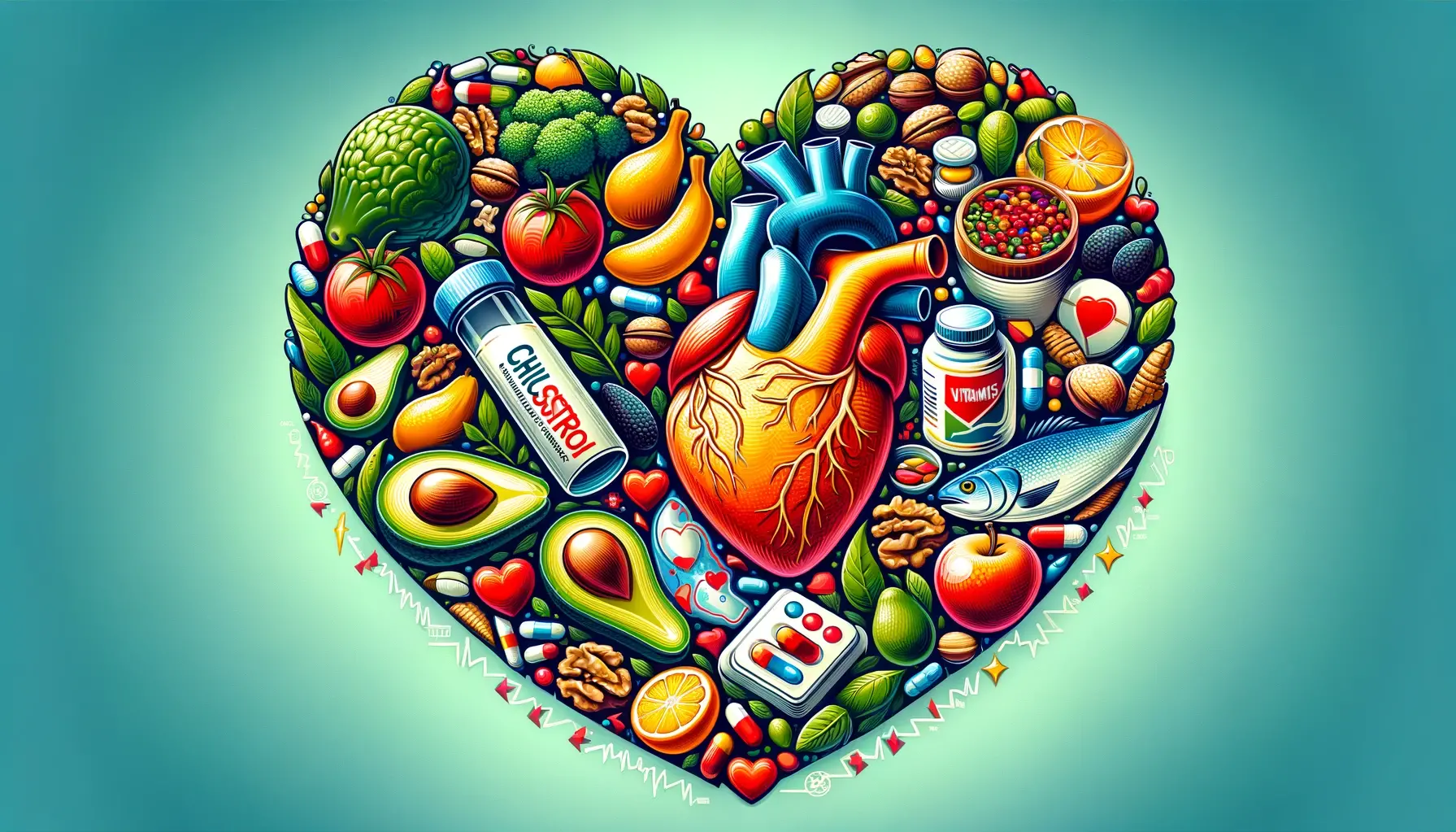
As you go about your day, it’s important to pay attention to your overall health, particularly when it comes to your heart. One crucial aspect that often gets overlooked is the connection between cholesterol and heart disease. Understanding this link is essential in taking control of your health. In this article, we will explore the relationship between cholesterol and heart disease, shedding light on what you need to know to make informed decisions about your well-being. So, let’s dive in and unravel the intricacies of this significant connection.

Understanding Cholesterol
Cholesterol is a waxy substance found in the cells of your body. It plays a crucial role in the normal functioning of your body. There are two main types of cholesterol: low-density lipoprotein (LDL) cholesterol and high-density lipoprotein (HDL) cholesterol. LDL cholesterol is often referred to as “bad” cholesterol, as high levels of it can increase your risk of heart disease. On the other hand, HDL cholesterol is considered “good” cholesterol, as it helps remove the LDL cholesterol from your bloodstream.
Understanding Heart Disease
Heart disease is a broad term that refers to various conditions that affect the heart. It is a leading cause of death worldwide. Heart disease can include conditions such as coronary artery disease, heart failure, and arrhythmias. These conditions can occur when the blood vessels that supply the heart with oxygen and nutrients become narrowed or blocked, leading to an insufficient blood supply to the heart.
Cholesterol and Heart Disease Connection
Cholesterol plays a significant role in the development of heart disease. When there is an excess amount of LDL cholesterol in your bloodstream, it can build up on the walls of your arteries, forming plaque. Over time, this plaque can narrow your arteries, making it harder for blood to flow through them. If a clot forms in one of the narrowed arteries, it can completely block the blood supply to the heart, resulting in a heart attack.
Understanding Atherosclerosis
The process of plaque formation in the arteries is called atherosclerosis. Atherosclerosis begins when the inner lining of the arteries becomes damaged. LDL cholesterol then starts to accumulate at the site of the damage. Other substances, such as calcium and cellular waste products, also contribute to the formation of plaque. As the plaque grows, the arteries become narrower, reducing blood flow and increasing the risk of heart disease.
LDL Cholesterol and Heart Disease
LDL cholesterol, often referred to as “bad” cholesterol, is a major risk factor for heart disease. It carries cholesterol from the liver to the cells in the body. However, when there is too much LDL cholesterol in the bloodstream, it can build up in the artery walls, leading to plaque formation. High levels of LDL cholesterol can increase the risk of atherosclerosis and heart disease.
Effects of High LDL Cholesterol on Heart Health
Elevated levels of LDL cholesterol increase the risk of developing heart disease. The accumulation of LDL cholesterol in the artery walls can lead to the formation of plaque, causing the arteries to become narrowed. This narrowing can decrease blood flow to the heart, making it harder for the heart to pump blood effectively. Over time, this strain on the heart can lead to various heart conditions, including heart attacks and heart failure.

HDL Cholesterol and Heart Disease
Unlike LDL cholesterol, HDL cholesterol is often referred to as “good” cholesterol. It helps remove LDL cholesterol from the bloodstream and carries it back to the liver, where it is broken down and excreted from the body. High levels of HDL cholesterol are associated with a lower risk of heart disease.
Benefits of High HDL Cholesterol on Heart Health
Having higher levels of HDL cholesterol can have significant benefits for heart health. HDL cholesterol helps remove excess LDL cholesterol from the arteries, reducing the accumulation of plaque. It also has anti-inflammatory properties, which can help protect the blood vessels from damage. Additionally, HDL cholesterol may help improve the function of the inner lining of the blood vessels, promoting healthy blood flow and reducing the risk of heart disease.
Total Cholesterol and Heart Disease
Total cholesterol refers to the sum of all the cholesterol in the bloodstream, including LDL and HDL cholesterol. Understanding your total cholesterol levels is important for assessing your risk of heart disease.
Understanding Total Cholesterol Levels
Total cholesterol levels are measured in milligrams per deciliter (mg/dL). The desirable total cholesterol level for adults is below 200 mg/dL. However, it is important to consider the levels of LDL and HDL cholesterol individually, as they provide more insight into your risk of heart disease.
Recommended Levels for Heart Health
For optimal heart health, it is recommended to have LDL cholesterol levels below 100 mg/dL and HDL cholesterol levels above 40 mg/dL for men and 50 mg/dL for women. These recommendations may vary based on individual circumstances and should be discussed with a healthcare professional.

Risk Factors for High Cholesterol and Heart Disease
Several factors can increase the risk of developing high cholesterol and heart disease.
Family History of High Cholesterol or Heart Disease
Having a family history of high cholesterol or heart disease can significantly increase your risk. If a close family member, such as a parent or sibling, has or had high cholesterol or heart disease, it is essential to be proactive in managing your cholesterol levels and adopting a heart-healthy lifestyle.
Unhealthy Lifestyle Choices
Unhealthy lifestyle choices, such as a poor diet high in saturated fats and trans fats, physical inactivity, smoking, and excessive alcohol consumption, can contribute to high cholesterol levels and increase the risk of heart disease. Making positive lifestyle changes can significantly reduce these risks and improve heart health.
Medical Conditions That Contribute to High Cholesterol
Certain medical conditions, such as diabetes, hypothyroidism, and kidney disease, can contribute to high cholesterol levels and increase the risk of heart disease. It is important to work closely with a healthcare professional to manage these conditions and monitor cholesterol levels regularly.
Prevention and Management of High Cholesterol
Prevention and management of high cholesterol involve adopting a heart-healthy lifestyle and, in some cases, taking medication.
Healthy Diet for Cholesterol Management
A heart-healthy diet can help manage cholesterol levels. This involves choosing foods low in saturated fats and trans fats while incorporating plenty of fruits, vegetables, whole grains, lean proteins, and healthy fats. Limiting processed foods and sugary beverages can also have a positive impact on cholesterol levels.
Importance of Regular Exercise
Regular physical activity is essential for maintaining healthy cholesterol levels and overall heart health. Engaging in aerobic exercise, such as brisk walking, jogging, cycling, or swimming, for at least 150 minutes per week can help reduce LDL cholesterol levels and increase HDL cholesterol levels.
Medication Options for High Cholesterol
In some cases, lifestyle changes alone may not be enough to manage high cholesterol. Medications, such as statins, may be prescribed to help lower LDL cholesterol levels and reduce the risk of heart disease. These medications should be taken under the guidance of a healthcare professional.

Screening and Diagnosis of High Cholesterol
Cholesterol screening tests are used to assess your cholesterol levels and identify any abnormalities.
Cholesterol Screening Tests
The most common cholesterol screening test is a blood test called a lipid panel. It measures your levels of total cholesterol, LDL cholesterol, HDL cholesterol, and triglycerides. Fasting for 9-12 hours before the test may be necessary to obtain accurate results.
Interpreting Cholesterol Test Results
Interpreting cholesterol test results involves understanding the levels of LDL cholesterol, HDL cholesterol, and triglycerides. Your healthcare professional will assess these levels along with other risk factors to determine your risk of heart disease and recommend appropriate interventions if necessary.
Lifestyle Changes and Heart Disease Prevention
Adopting a heart-healthy lifestyle can significantly reduce the risk of heart disease.
Heart-Healthy Diet Tips
Incorporating more fruits, vegetables, whole grains, lean proteins, and healthy fats into your diet can have a positive impact on cholesterol levels and heart health. Limiting the consumption of saturated fats, trans fats, added sugars, and sodium is also important for maintaining a healthy heart.
Tips for Managing Cholesterol Levels
In addition to dietary changes, other lifestyle modifications can help manage cholesterol levels. These include maintaining a healthy weight, quitting smoking, limiting alcohol consumption, and managing stress levels. Regular monitoring of cholesterol levels and follow-ups with a healthcare professional are key for successful management.
Importance of Regular Physical Activity
Regular physical activity is vital for heart health. Aim for at least 150 minutes of moderate-intensity aerobic exercise or 75 minutes of vigorous-intensity exercise per week. Engaging in activities you enjoy can make physical activity more enjoyable and sustainable.
In conclusion, understanding the link between cholesterol and heart disease is essential for maintaining optimal heart health. By managing cholesterol levels through lifestyle changes, regular screening, and appropriate interventions, you can significantly reduce your risk of heart disease and enjoy a healthy, active life. Remember, taking care of your heart starts with taking care of yourself.
