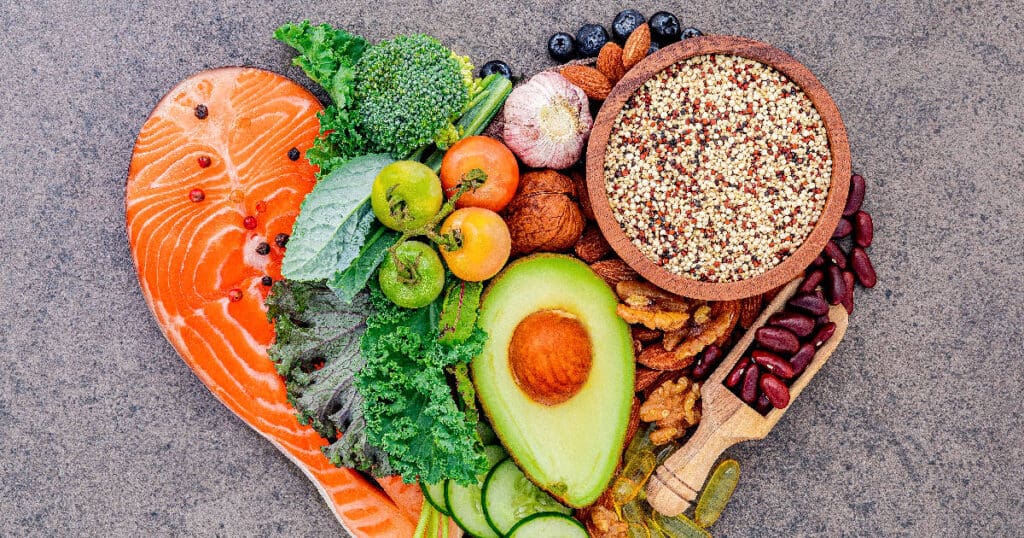
Did you know that you can naturally lower your cholesterol levels by incorporating certain vitamins and minerals into your diet? In this article, we will explore the top 5 vitamins and minerals that have been proven to effectively reduce cholesterol levels. If you’re looking for ways to take control of your heart health and maintain optimal cholesterol levels, this is a must-read!
Vitamin B3 (Niacin)
What is Vitamin B3?
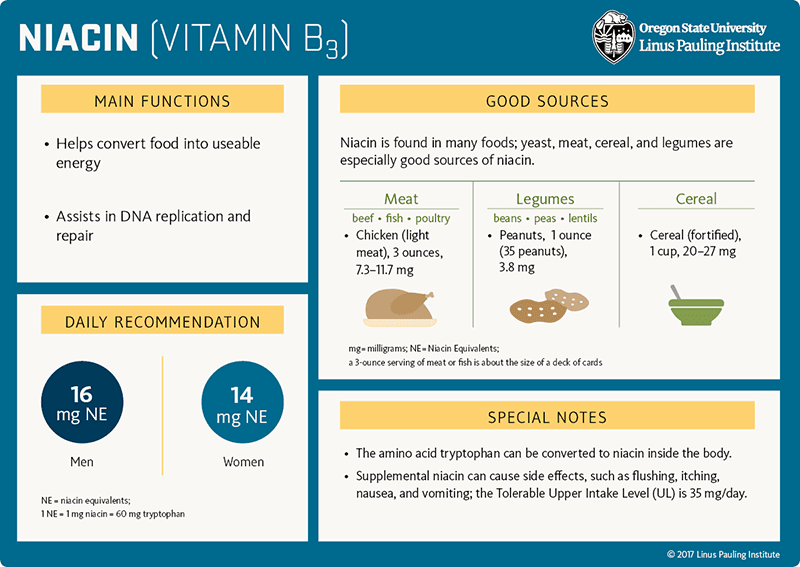
Vitamin B3, also known as niacin, is a water-soluble vitamin that plays a crucial role in the body’s energy production and metabolism. It is a part of the vitamin B complex and is essential for the proper functioning of various bodily processes.
How does it lower cholesterol?
Niacin has been shown to effectively lower cholesterol levels, particularly low-density lipoprotein (LDL) cholesterol, also known as “bad” cholesterol. It does so by inhibiting the liver’s production of LDL cholesterol and triglycerides while simultaneously increasing high-density lipoprotein (HDL) cholesterol, which is beneficial for heart health. Niacin also reduces lipoprotein(a) levels, which are associated with an increased risk of cardiovascular disease.
Recommended dosage
The recommended daily dosage of niacin varies depending on the individual’s age, gender, and overall health. For adults, the recommended daily intake is around 14-16 mg for men and 12-14 mg for women. However, higher doses of niacin, typically in the form of supplements, may be prescribed by healthcare professionals to achieve cholesterol-lowering effects. It is important to consult with a healthcare provider before starting any niacin supplementation.
Potential side effects
Niacin supplementation may have potential side effects, especially when taken in high doses. Common side effects include flushing, itching, and gastrointestinal discomfort. These side effects can be minimized by taking an extended-release form of niacin or gradually increasing the dosage. In rare cases, high doses of niacin can cause liver damage, so it is essential to monitor liver function regularly when taking niacin supplements.
Sources
Niacin can be obtained from various food sources, including meat, poultry, fish, whole grains, legumes, and nuts. It is also available in the form of dietary supplements. However, it is generally recommended to obtain niacin through a balanced diet rather than relying solely on supplements.
Fiber
Role of fiber in lowering cholesterol
Fiber plays a vital role in lowering cholesterol levels by reducing the absorption of cholesterol in the intestines. Soluble fiber, in particular, forms a gel-like substance in the digestive tract that binds with cholesterol and prevents its absorption into the bloodstream. This, in turn, helps to decrease LDL cholesterol levels.
Types of fiber
There are two main types of fiber: soluble fiber and insoluble fiber. Soluble fiber is the type that helps lower cholesterol levels. Good sources of soluble fiber include oats, barley, legumes, fruits, and vegetables. Insoluble fiber, on the other hand, aids in promoting regular bowel movements and maintaining overall digestive health.
Recommended daily intake
The recommended daily intake of fiber varies depending on age and gender. For adults, the target is around 25-30 grams of fiber per day. However, most people fall short of this target, so it is important to include fiber-rich foods in your daily diet or consider adding a fiber supplement to meet your daily requirement.
Food sources of fiber
Fiber can be found in a wide range of plant-based foods. Some excellent sources of fiber include whole grains, such as oats, brown rice, and whole wheat bread. Fruits and vegetables, especially those with skin or seeds, such as apples, pears, and berries, are also rich in fiber. Legumes like beans, lentils, and chickpeas are another excellent source of fiber.
Omega-3 fatty acids
What are omega-3 fatty acids?
Omega-3 fatty acids are a type of polyunsaturated fat that is essential for the body’s proper functioning. They are typically found in fatty fish, such as salmon, mackerel, and sardines, as well as in plant-based sources like flaxseeds, chia seeds, and walnuts.
Effects on cholesterol levels
Omega-3 fatty acids have been extensively studied for their positive effects on cholesterol levels. They help reduce LDL cholesterol and triglyceride levels while increasing HDL cholesterol. Omega-3 fatty acids also possess anti-inflammatory properties, which can help improve overall heart health.
Best sources of omega-3 fatty acids
The best dietary sources of omega-3 fatty acids are oily fish, such as salmon, tuna, and trout. Aim to include at least two servings of fatty fish in your weekly diet. Plant-based sources of omega-3 fatty acids include flaxseeds, chia seeds, hemp seeds, and walnuts. Adding these sources to your diet can provide a good amount of omega-3 fatty acids.
Supplements vs. natural sources
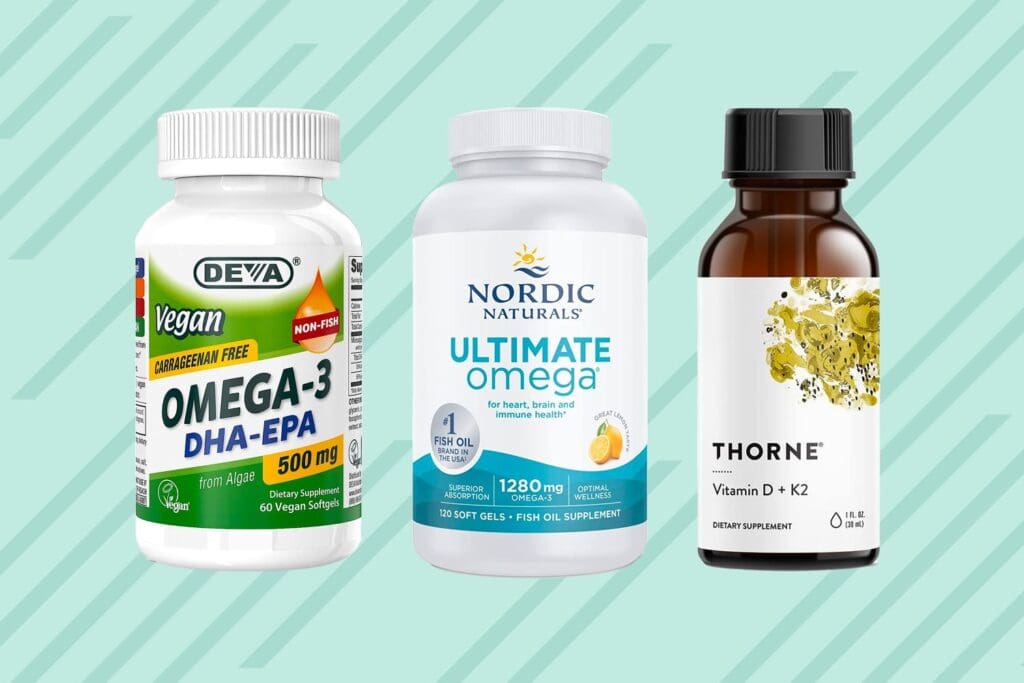
While omega-3 fatty acids can be obtained through dietary sources, some individuals may find it challenging to meet their daily requirements solely through food. In such cases, omega-3 supplements, such as fish oil capsules or algae-based supplements, may be considered under the guidance of a healthcare professional.
Antioxidants
How do antioxidants help in lowering cholesterol?
Antioxidants are compounds that help protect the body against cell damage caused by harmful molecules called free radicals. They play an important role in maintaining heart health, including reducing LDL cholesterol oxidation and inflammation, both of which are risk factors for cardiovascular disease.
Top antioxidant-rich food sources
Some of the top antioxidant-rich food sources include berries (such as blueberries, strawberries, and raspberries), dark chocolate, pecans, artichokes, and kidney beans. Other excellent sources include colorful fruits and vegetables like spinach, kale, oranges, and tomatoes.
Recommended daily intake of antioxidants
There is no specific recommended daily intake for antioxidants. However, including a variety of antioxidant-rich foods in your diet can provide the necessary protection against oxidative stress. Aim to consume at least five servings of fruits and vegetables daily, ensuring a diverse range of colors and types to maximize antioxidant intake.
Supplements for antioxidants
While a balanced diet should provide adequate antioxidant intake, supplements can be considered if you have specific dietary restrictions or struggle to consume a variety of antioxidant-rich foods. However, it is important to note that supplements should not be a substitute for a healthy diet and lifestyle. Consult with a healthcare professional before starting any antioxidant supplementation.
Plant sterols
What are plant sterols?
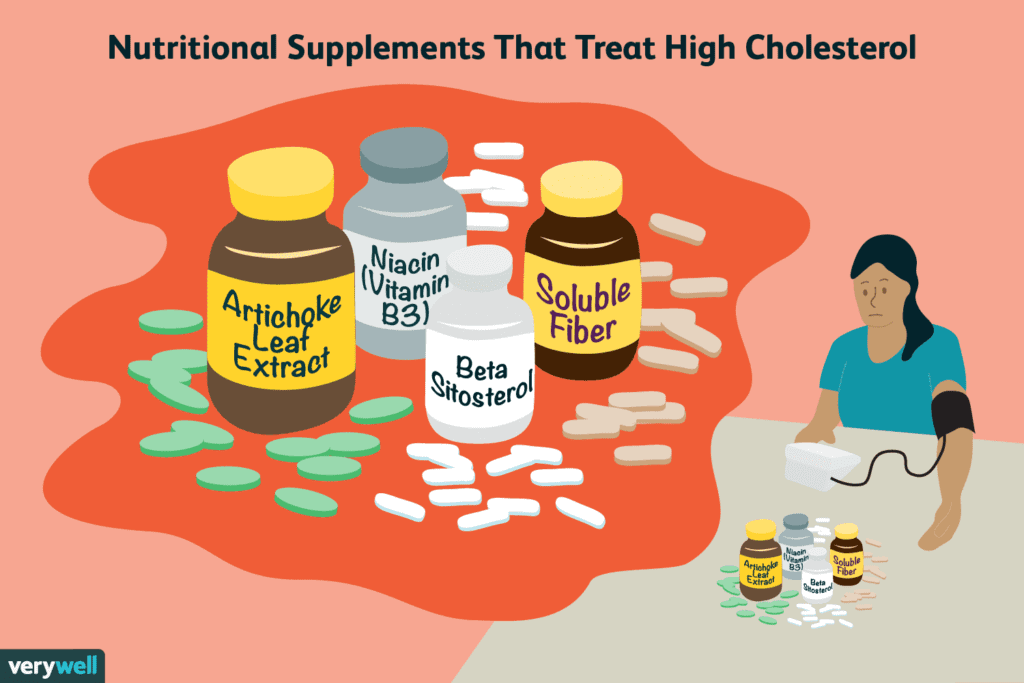
Plant sterols, also known as phytosterols, are natural compounds present in plant-based foods. They have a similar structure to cholesterol and can compete with dietary cholesterol for absorption in the intestines. By blocking cholesterol absorption, plant sterols help decrease LDL cholesterol levels in the body.
Mechanism of action in lowering cholesterol
The mechanism of action of plant sterols in lowering cholesterol is through their ability to interfere with the digestion and absorption of dietary cholesterol. They are transported to the small intestine, where they compete with cholesterol for absorption. As a result, less cholesterol is absorbed into the bloodstream, leading to lower LDL cholesterol levels.
Recommended intake of plant sterols
The recommended daily intake of plant sterols for cholesterol-lowering benefits is around 2 grams per day. This can be achieved through the consumption of plant sterol-enriched foods or supplements. However, it is important to note that plant sterol supplements should be used under the guidance of a healthcare professional.
Natural sources of plant sterols
Plant sterols are naturally present in various plant-based foods. Some common sources of plant sterols include vegetable oils (such as soybean oil and corn oil), nuts and seeds (such as almonds, peanuts, and sesame seeds), legumes (such as lentils and chickpeas), and whole grains (such as brown rice and whole wheat bread).
Supplements for plant sterols
If it is challenging to incorporate sufficient plant sterols through dietary sources alone, plant sterol supplements can be considered. These supplements provide a concentrated amount of plant sterols in a convenient form. However, it is important to consult with a healthcare professional before incorporating plant sterol supplements into your routine.
Vitamin C
Role of Vitamin C in cholesterol reduction
Vitamin C, also known as ascorbic acid, plays a crucial role in cholesterol reduction by promoting the production of bile acids, which help in the breakdown and excretion of cholesterol. Additionally, Vitamin C acts as an antioxidant and helps prevent the oxidation of LDL cholesterol, reducing the risk of cardiovascular disease.
Benefits of Vitamin C
Apart from its role in cholesterol reduction, Vitamin C offers numerous other benefits to overall health. It supports the immune system, aids in collagen formation, promotes wound healing, and enhances the absorption of iron from plant-based sources. Adequate Vitamin C intake is essential for maintaining optimal health.
Food sources of Vitamin C
Vitamin C can be found abundantly in various fruits and vegetables. Some excellent food sources include citrus fruits (such as oranges, grapefruits, and lemons), strawberries, kiwi, bell peppers, broccoli, and Brussels sprouts. Including a variety of these foods in your diet can ensure adequate Vitamin C intake.
Recommended daily intake
The recommended daily intake of Vitamin C for adults is around 75-90 mg. However, during times of stress, illness, or pregnancy, the requirement may increase. It is best to obtain Vitamin C from whole foods rather than relying solely on supplements, as whole foods offer additional nutrients and fiber.
Vitamin E
How does Vitamin E lower cholesterol?
Vitamin E, a fat-soluble antioxidant, helps lower cholesterol levels by preventing the oxidation of LDL cholesterol. Oxidized LDL cholesterol is more likely to adhere to arterial walls, leading to the formation of plaque and an increased risk of heart disease. Vitamin E counteracts this process and helps maintain the integrity of LDL cholesterol.
Best food sources of Vitamin E
Good dietary sources of Vitamin E include nuts and seeds (such as almonds, sunflower seeds, and hazelnuts), vegetable oils (such as sunflower oil and safflower oil), spinach, Swiss chard, and avocado. Including these foods in your diet can provide a healthy dose of Vitamin E.
Supplement options for Vitamin E
While Vitamin E can be obtained through dietary sources, some individuals may require supplementation to meet their daily requirements. Vitamin E supplements are available in various forms, such as capsules, tablets, and oils. Consult with a healthcare professional to determine the appropriate dosage and form for your needs.
Recommended dosage
The recommended daily dosage of Vitamin E varies depending on age and gender. For adults, the recommended daily intake is around 15 mg of alpha-tocopherol (the most biologically active form of Vitamin E). It is important not to exceed the recommended dosage, as excessive Vitamin E supplementation may have adverse effects on health.
Magnesium
Role of magnesium in cholesterol control
Magnesium plays a crucial role in cholesterol control by participating in the metabolism of fats and lipid synthesis. It also helps regulate enzyme activity involved in cholesterol synthesis. Adequate magnesium intake can contribute to maintaining healthy cholesterol levels.
Effects on cholesterol levels
Research suggests that magnesium supplementation may help reduce LDL cholesterol levels and increase HDL cholesterol levels, thus promoting a more favorable cholesterol profile. However, further studies are needed to fully understand the mechanisms and effects of magnesium on cholesterol.
Food sources of magnesium
Magnesium can be found in various food sources, including green leafy vegetables (such as spinach and kale), legumes (such as black beans and lentils), nuts and seeds (such as almonds and pumpkin seeds), whole grains (such as brown rice and quinoa), and dark chocolate. Including these foods in your diet can help you meet your daily magnesium needs.
Recommended daily intake
The recommended daily intake of magnesium varies depending on age and gender. For adult men, the recommended intake is around 400-420 mg, while for adult women, it is around 310-320 mg. It is important to obtain magnesium through a balanced diet rather than relying solely on supplements, as foods offer additional nutrients and benefits.
Garlic
How does garlic help in lowering cholesterol?
Garlic has been used for centuries for its potential health benefits, including its ability to help lower cholesterol levels. It contains compounds like allicin, which has been shown to have cholesterol-lowering effects. Garlic may help reduce total cholesterol levels, including LDL cholesterol and triglycerides.
Different forms of garlic for cholesterol management
Garlic can be consumed in various forms to help manage cholesterol levels. Fresh garlic, when crushed or chopped, releases allicin, the compound responsible for many of garlic’s health benefits. Garlic powder, garlic oil, and aged garlic extract are other forms that can be used to incorporate garlic into your diet.
Recommended daily intake
There is no specific recommended daily intake for garlic. However, incorporating 1-2 cloves of fresh garlic or the equivalent amount in other forms into your daily diet can provide potential health benefits. It is important to note that garlic supplements should be used under the guidance of a healthcare professional.
Precautions and potential interactions
Garlic may interfere with certain medications, including blood-thinning medications, so it is essential to consult with a healthcare professional before using garlic supplements. Additionally, some individuals may experience digestive discomfort or allergic reactions to garlic. Discontinue use and seek medical advice if any adverse reactions occur.
Zinc
Importance of zinc in cholesterol regulation
Zinc plays a role in numerous biological processes, including cholesterol regulation. It is involved in the metabolism of lipids and carbohydrates, and deficiency in zinc can lead to imbalances in lipid profiles. Adequate zinc intake is important for maintaining healthy cholesterol levels.
Food sources of zinc
Zinc can be found in various food sources, including seafood (such as oysters, crab, and lobster), red meat, poultry, eggs, dairy products, legumes (such as chickpeas and lentils), nuts, and seeds (such as pumpkin seeds and sesame seeds). Including these foods in your diet can help ensure adequate zinc intake.
Recommended daily intake
The recommended daily intake of zinc varies depending on age and gender. For adult men, the recommended intake is around 11 mg, and for adult women, it is around 8 mg. It is important to obtain zinc through a balanced diet, as excessive zinc supplementation can interfere with the absorption of other minerals and have adverse effects on health.
Supplement options
Zinc supplements can be considered if dietary intake is inadequate or impaired. However, it is important to consult with a healthcare professional before starting any zinc supplementation, as excessive zinc intake can be harmful. They can guide you on the appropriate dosage and form of zinc supplements for your specific needs.
In conclusion, incorporating specific vitamins and minerals into your diet can help lower cholesterol levels and promote heart health. Vitamin B3 (niacin), fiber, omega-3 fatty acids, antioxidants, plant sterols, Vitamin C, Vitamin E, magnesium, garlic, and zinc all have distinctive roles in cholesterol regulation. By maintaining a balanced diet rich in these nutrients and considering supplements under the guidance of a healthcare professional, you can support your overall cardiovascular well-being. Remember to consult with a healthcare professional before making any significant changes to your diet or starting any new supplements.