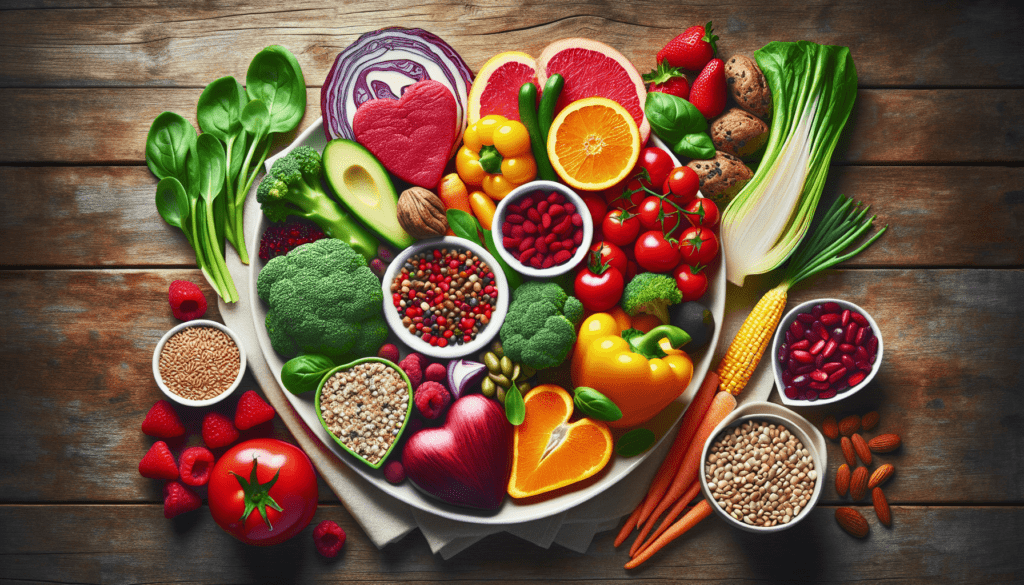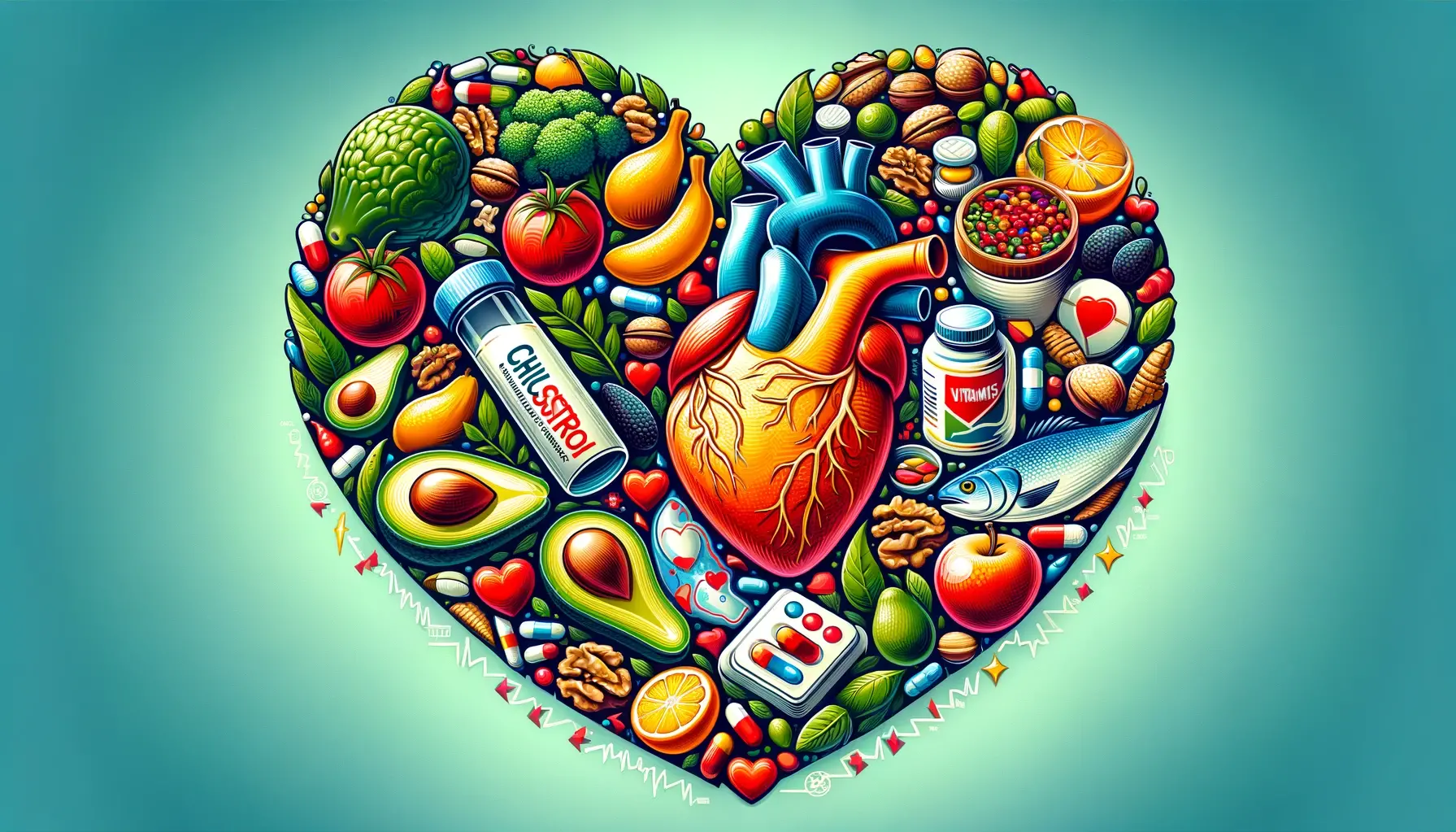
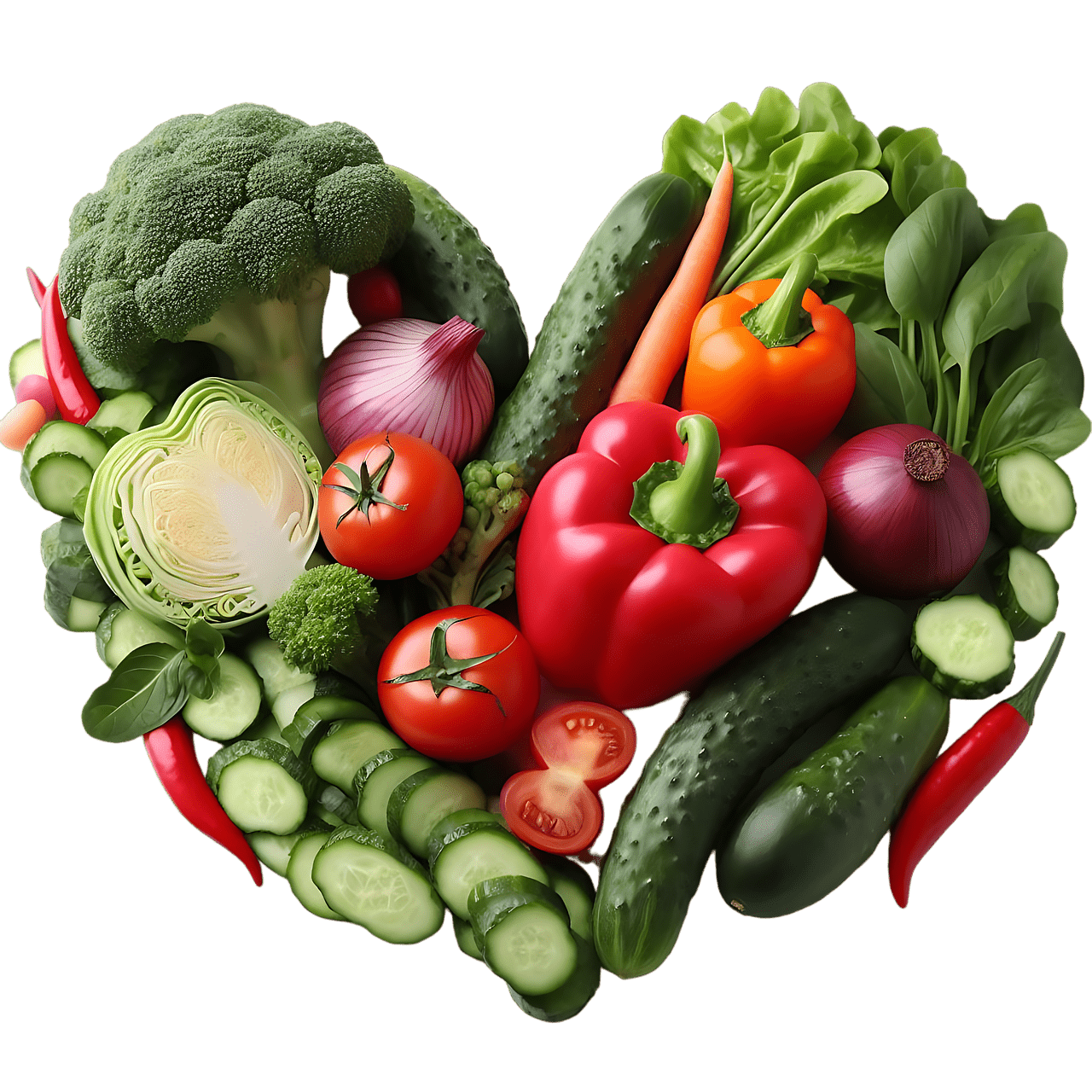
Are you looking to improve your heart health and lower your cholesterol levels? Well, look no further! In this article, you will learn how to create a heart-healthy diet plan that will not only benefit your cardiovascular system but also help reduce your cholesterol levels. By following these simple guidelines, you can make positive changes to your eating habits and take control of your cholesterol levels. So, let’s get started on the path to a healthier heart!

Understanding Cholesterol and Heart Health
What is cholesterol?
Cholesterol is a waxy substance that is naturally produced by your body and is also present in certain foods. While cholesterol is essential for various bodily functions, having high levels of cholesterol can significantly increase your risk of heart disease. It is important to understand the different types of cholesterol and how they can impact your heart health.
Understanding ‘good’ and ‘bad’ cholesterol
When we talk about cholesterol, it is often categorized into two types: “good” cholesterol (high-density lipoprotein or HDL) and “bad” cholesterol (low-density lipoprotein or LDL). HDL cholesterol acts as a scavenger, removing excess cholesterol from the bloodstream and transporting it to the liver for disposal. On the other hand, LDL cholesterol is known as the “bad” cholesterol because it can build up in your arteries and contribute to clogged arteries, increasing the risk of heart disease.
The impact of high cholesterol on heart health
High cholesterol levels can gradually lead to the formation of plaques in your arteries, causing them to narrow and become less flexible. This condition, called atherosclerosis, can restrict blood flow to your heart and other vital organs, potentially leading to serious complications, including heart attacks and strokes. Maintaining healthy cholesterol levels is crucial for cardiovascular health and overall well-being.
Identifying Heart-Healthy Foods
Importance of a balanced diet
A well-balanced diet is key to promoting heart health and managing cholesterol levels. By incorporating a variety of nutrient-rich foods, you can optimize your body’s ability to regulate cholesterol and maintain a healthy heart. Strive to include a mix of fruits, vegetables, whole grains, lean proteins, and healthy fats in your daily meals.
Choosing low-fat proteins
Protein is an essential nutrient for the body, but it’s important to choose lean sources that are low in saturated fat. Opt for skinless poultry, fish, legumes, and tofu as healthy protein options. These choices provide essential amino acids without the unhealthy fats that can contribute to high cholesterol levels.
Incorporating fruits and vegetables
Fruits and vegetables are packed with vitamins, minerals, and dietary fiber that can help lower cholesterol levels. Aim to include a wide range of colorful fruits and vegetables in your meals and snacks. Berries, leafy greens, citrus fruits, and cruciferous vegetables like broccoli and cauliflower are particularly beneficial for heart health.
Opting for whole grains
Whole grains are an excellent source of fiber, which can help reduce LDL cholesterol levels. Incorporate whole grain foods like brown rice, whole wheat bread, oatmeal, and quinoa into your diet. These options not only provide valuable fiber but also other heart-healthy nutrients such as B vitamins and antioxidants.
Including heart-healthy fats
Not all fats are created equal, and certain types of fat can contribute to healthier cholesterol levels. Include healthy fats such as avocados, nuts, seeds, and olive oil in your meals. These fats contain monounsaturated and polyunsaturated fats, which can help raise HDL cholesterol and lower LDL cholesterol levels when consumed in moderation.
Reducing Saturated and Trans Fats
Understanding saturated and trans fats
Saturated and trans fats are considered the most harmful types of fats when it comes to heart health. Saturated fats are primarily found in animal-based products, such as red meat, full-fat dairy products, and butter. Trans fats, on the other hand, are artificially created during the hydrogenation process used to convert liquid oils into solid fats. Trans fats are commonly found in processed foods, baked goods, and fried snacks.
Limiting consumption of red meat and full-fat dairy
Red meat and full-fat dairy products are high in saturated fats, which can raise LDL cholesterol levels. To lower your intake of these unhealthy fats, consider replacing red meat with leaner protein sources like poultry, fish, or plant-based alternatives. When consuming dairy, choose low-fat or fat-free options to reduce saturated fat content.
Avoiding fried foods and processed snacks
Foods that are deep-fried or heavily processed often contain high levels of trans fats. These fats contribute to a rise in LDL cholesterol and a decrease in HDL cholesterol, increasing the risk of heart disease. Limit your consumption of fried foods, packaged snacks, and processed baked goods, and opt for healthier cooking methods like grilling, baking, or steaming.
Reading food labels for hidden trans fats
When selecting packaged foods, it’s essential to read the labels carefully. Look for terms like “partially hydrogenated oils” or “hydrogenated oils” on the ingredients list, as these indicate the presence of trans fats. Even if the label claims the product is trans fat-free, always double-check the ingredients to ensure you’re making heart-healthy choices.
Increasing Soluble Fiber
Benefits of soluble fiber in reducing cholesterol
Soluble fiber is a type of dietary fiber that can help lower LDL cholesterol levels by binding to cholesterol in the digestive system. This prevents the cholesterol from being absorbed into the bloodstream, allowing it to be eliminated from the body. By increasing your intake of soluble fiber, you can significantly improve your cholesterol profile and reduce the risk of heart disease.
Incorporating foods like oats, beans, and lentils
Oats, beans, lentils, and other legumes are excellent sources of soluble fiber. Adding these foods to your diet can help regulate cholesterol levels and promote a healthy heart. Start your day with a bowl of oatmeal topped with berries for a satisfying and heart-healthy breakfast. Incorporate beans and lentils into soups, stews, salads, and side dishes for extra fiber.
Adding more fruits and vegetables high in fiber
Many fruits and vegetables are rich in soluble fiber, making them ideal choices for improving heart health. Apples, pears, oranges, strawberries, broccoli, Brussels sprouts, and carrots are just a few examples of fiber-rich options. Aim to include at least five servings of fruits and vegetables in your daily meals to meet your fiber needs and reap the associated benefits.
Including whole grains rich in soluble fiber
In addition to fruits, vegetables, and legumes, whole grains can play a significant role in increasing your soluble fiber intake. Choose whole grain bread, brown rice, whole wheat pasta, and quinoa instead of refined grains. These whole grain options provide more fiber and nutrients, helping to maintain healthy cholesterol levels and support heart health.
Including Omega-3 Fatty Acids
The role of omega-3 fatty acids in heart health
Omega-3 fatty acids are a type of polyunsaturated fat known for their heart-healthy benefits. These fatty acids can help reduce inflammation, lower triglyceride levels, and decrease the risk of heart disease. Incorporating omega-3s into your diet is crucial for maintaining optimal heart health.
Fish as a rich source of omega-3s
Fatty fish like salmon, tuna, mackerel, and sardines are excellent sources of omega-3 fatty acids. Including these types of fish in your diet two to three times per week can help increase your omega-3 intake. If you’re not a fan of fish, you can consider taking fish oil supplements after consulting with your healthcare provider.
Alternative sources of omega-3s for vegetarians and vegans
If you follow a vegetarian or vegan diet, there are still plenty of options to obtain omega-3 fatty acids. Walnuts, chia seeds, flaxseeds, and hemp seeds are all rich sources of plant-based omega-3s. You can sprinkle these seeds on salads, add them to smoothies, or use them as a topping for yogurt or oatmeal.
Supplementing with fish oil (if necessary)
If you struggle to meet your omega-3 needs through diet alone, you may consider taking fish oil supplements. Fish oil supplements typically contain concentrated amounts of omega-3 fatty acids. However, it’s important to consult with your healthcare provider before starting any dietary supplements to ensure they are suitable for your individual needs.
Limiting Sodium Intake
Understanding the connection between sodium and heart health
Consuming too much sodium can contribute to high blood pressure, which is a major risk factor for heart disease. Sodium causes the body to retain water, increasing blood volume and putting strain on the heart. By reducing sodium intake, you can help manage blood pressure and support heart health.
Reducing consumption of high-sodium processed foods
Processed foods are often high in sodium, as salt is frequently used as a preservative and flavor enhancer. To limit your sodium intake, try to minimize your consumption of processed foods such as canned soups, packaged snacks, deli meats, and fast food. Instead, choose fresh, whole foods and prepare meals at home, where you have control over the amount of sodium added.
Using herbs and spices as flavor alternatives
Instead of relying on salt to season your meals, experiment with herbs and spices to add flavor to your dishes. Herbs like basil, oregano, rosemary, thyme, and spices like cinnamon, turmeric, and paprika can enhance the taste of your food without adding extra sodium. Get creative in the kitchen and explore different flavor combinations to make your meals heart-healthy and delicious.
Choosing low-sodium condiments and sauces
Many condiments and sauces can be hidden sources of sodium. Read the labels carefully and opt for low-sodium versions whenever possible. Look for reduced-sodium soy sauce, low-sodium tomato sauce, and other condiments that allow you to enjoy your favorite flavors without excessive sodium intake. Remember to use these condiments in moderation to further control sodium consumption.

Avoiding Added Sugars and Refined Carbohydrates
The impact of added sugars on cholesterol levels
Added sugars, commonly found in sugary snacks, desserts, and sweetened beverages, can lead to elevated triglyceride levels and decreased HDL cholesterol levels. High triglyceride levels contribute to the development of atherosclerosis, increasing the risk of heart disease. Minimizing added sugar intake is crucial for maintaining healthier cholesterol levels.
Choosing whole fruits over sugary snacks and desserts
Instead of reaching for sugary snacks and desserts, satisfy your sweet tooth with whole fruits. Fruits provide essential vitamins, fiber, and natural sugars without the negative impact of added sugars. Berries, melons, citrus fruits, and apples are great choices that offer sweetness and nutritional benefits.
Opting for whole grain carbohydrates
Refined carbohydrates, such as white bread, white rice, and sugary cereals, can increase blood sugar and triglyceride levels, negatively affecting cholesterol levels and heart health. Replace refined grains with whole grain options like whole wheat bread, brown rice, quinoa, and oats. Whole grains contain more fiber and nutrients, providing sustained energy without the negative effects of refined carbohydrates.
Understanding the role of refined carbohydrates in heart health
Refined carbohydrates are processed and stripped of essential nutrients and fiber. These carbohydrates are quickly digested and absorbed, causing blood sugar spikes and potentially contributing to insulin resistance and metabolic disorders. By limiting refined carbohydrate intake and focusing on whole grains and other complex carbohydrates, you can support heart health and maintain better cholesterol levels.
Moderating Alcohol Consumption
The relationship between alcohol and heart health
Moderate alcohol consumption has been associated with certain cardiovascular benefits, including a reduction in heart disease risk. However, excessive alcohol intake can have detrimental effects on heart health and cholesterol levels. It is important to understand the recommended limits and potential risks associated with alcohol consumption.
Understanding recommended alcohol limits
Moderate alcohol consumption is defined as up to one drink per day for women and up to two drinks per day for men. One drink is typically considered to be 5 ounces of wine, 12 ounces of beer, or 1.5 ounces of distilled spirits. It’s important to remember that everyone’s body responds differently to alcohol, and it’s best to consult with your healthcare provider to determine what is appropriate for you.
Identifying the potential risks of excessive alcohol intake
While moderate alcohol consumption may have some cardiovascular benefits, excessive and long-term alcohol intake can contribute to high blood pressure, increased triglyceride levels, and damage to the heart and liver. Excessive alcohol intake can also lead to weight gain, which can negatively impact cholesterol levels. If you choose to consume alcohol, do so in moderation and be mindful of potential risks to your health.
Meal Planning and Preparation
Creating a weekly meal plan
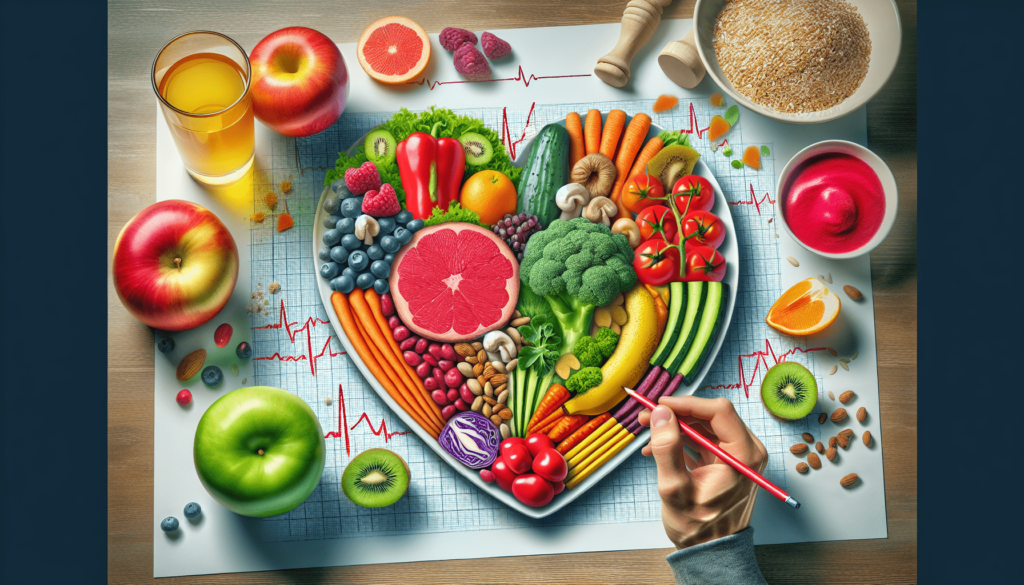
Creating a weekly meal plan can help ensure that you have a variety of heart-healthy foods in your diet and make it easier to stick to your dietary goals. Take some time to plan out your meals for the week, including breakfast, lunch, dinner, and snacks. Consider incorporating different types of proteins, fruits, vegetables, whole grains, and healthy fats into your daily meals.
Ensuring a variety of heart-healthy foods
Variety is key when it comes to maintaining a heart-healthy diet. Aim to include a wide range of nutrient-dense foods from each food group. By incorporating different colors, flavors, and textures into your meals, you not only make them more enjoyable but also provide your body with a wide array of essential vitamins, minerals, and antioxidants.
Opting for home-cooked meals
Cooking meals at home allows you to have control over the ingredients and cooking methods used. When preparing meals, choose heart-healthy cooking techniques like grilling, baking, roasting, or steaming instead of frying. This reduces the amount of unhealthy fats and sodium in your meals, promoting better cholesterol levels and overall heart health.
Limiting eating out and fast food
Frequent dining out and fast food consumption can make it challenging to maintain a heart-healthy diet. Restaurant meals often contain excessive amounts of unhealthy fats, sodium, and added sugars. Limit eating out to special occasions and try to choose restaurants that offer healthier options. When possible, prepare meals at home and pack your lunch for work or outings.
Staying Active and Maintaining a Healthy Weight
The role of physical activity in heart health
Regular physical activity is essential for heart health and can have a positive impact on cholesterol levels. Exercise helps increase HDL cholesterol, lower LDL cholesterol, and improve overall cardiovascular fitness. Aim for at least 150 minutes of moderate-intensity aerobic activity or 75 minutes of vigorous-intensity aerobic activity per week, along with strength training exercises.
How exercise can help lower cholesterol
Physical activity boosts the production of HDL cholesterol, the “good” cholesterol that helps remove LDL cholesterol from the bloodstream. Exercise also stimulates enzymes that help break down triglycerides and reduce overall triglyceride levels. Engaging in regular physical activity, such as brisk walking, jogging, cycling, or swimming, can significantly contribute to maintaining healthy cholesterol levels.
Tips for incorporating physical activity into daily routine
Finding ways to incorporate physical activity into your daily routine can make it easier to make exercise a regular habit. Take the stairs instead of the elevator, go for a walk during your lunch break, schedule regular workouts, or join group fitness classes. Find activities that you enjoy and make them a priority in your daily life. Consistency is key when it comes to reaping the benefits of exercise for heart health.
Maintaining a healthy weight to support heart health
Maintaining a healthy weight is important for overall heart health. Excess body weight, especially around the abdominal area, can contribute to higher LDL cholesterol levels, increased triglycerides, and decreased HDL cholesterol. By following a healthy diet, engaging in regular physical activity, and managing your weight, you can support your heart health and maintain optimal cholesterol levels.
In conclusion, creating a heart-healthy diet plan to lower cholesterol involves understanding the impact of cholesterol on heart health, identifying heart-healthy foods, reducing saturated and trans fats, increasing soluble fiber, including omega-3 fatty acids, limiting sodium intake, avoiding added sugars and refined carbohydrates, moderating alcohol consumption, and incorporating meal planning, physical activity, and weight management into your lifestyle. By implementing these strategies and making conscious choices, you can take control of your heart health and improve your cholesterol levels for a healthier future. Remember to consult with a healthcare provider or a registered dietitian for personalized guidance and recommendations based on your specific needs.