

Did you know that your genes play a significant role in determining your cholesterol levels and overall heart health? In this article, we will explore the fascinating connection between genetics, cholesterol, and cardiac well-being. Understanding how genetics affect these aspects of our health can empower us to make informed decisions about our lifestyle and seek necessary medical interventions when needed. So, let’s dive into the intriguing world of genetics and its impact on cholesterol levels and heart health.
Definition of Cholesterol
Cholesterol is a waxy, fat-like substance that is found in the cells of the body. It is essential for the production of certain hormones, vitamin D, and bile acids, which aid in digestion. Cholesterol is also a component of cell membranes, contributing to their stability and fluidity. However, excessive levels of cholesterol in the blood can lead to health problems, particularly cardiovascular disease.
Types of Cholesterol
Cholesterol is transported in the blood by lipoproteins, which are composed of fats (lipids) and proteins. There are two main types of cholesterol: low-density lipoprotein (LDL) cholesterol, often referred to as “bad” cholesterol, and high-density lipoprotein (HDL) cholesterol, often referred to as “good” cholesterol.
LDL cholesterol is responsible for transporting cholesterol from the liver to the body’s cells. However, if there is an excessive amount of LDL cholesterol in the blood, it can build up in the walls of the arteries, forming plaques that can restrict blood flow and increase the risk of heart disease.
HDL cholesterol, on the other hand, helps remove excess cholesterol from the bloodstream and transports it back to the liver, where it is broken down and eliminated from the body. Higher levels of HDL cholesterol are associated with a lower risk of heart disease.
Cholesterol and Lipoproteins
Lipoproteins play a crucial role in the transport of cholesterol in the body. They are categorized based on their density and composition, with LDL and HDL being the most well-known lipoproteins.
LDL particles are larger, less dense, and contain a higher proportion of cholesterol compared to proteins. These characteristics make LDL prone to oxidation and the formation of plaques in the arteries.
HDL particles, on the other hand, are smaller, denser, and contain a higher proportion of proteins compared to cholesterol. HDL particles have antioxidant and anti-inflammatory properties, which help protect against the development of atherosclerosis, a condition characterized by the buildup of plaque in the arteries.
Understanding Genetics
Genetics refers to the study of genes and heredity, focusing on the inheritance of specific traits from one generation to the next. Each individual’s genetic makeup is unique and can influence various aspects of their health, including cholesterol levels and heart disease risk.
Genetic Variation
Genetic variation refers to the differences or variations in the DNA sequence among individuals. These variations can occur in genes, which are segments of DNA that provide instructions for the production of proteins. Genetic variation is responsible for the diversity observed among individuals, contributing to differences in physical traits, disease susceptibility, and response to medications.
Genetic Predisposition
Genetic predisposition refers to an increased likelihood of developing a specific health condition based on an individual’s genetic makeup. It does not guarantee that the condition will manifest, but it indicates an elevated risk compared to individuals without the genetic predisposition. Genetic predisposition plays a role in cholesterol levels and heart disease risk, but it is not the sole determinant.
Inheritance of Genes
Genes are inherited from both parents and can be passed on to offspring. Each person has two copies of most genes, one inherited from the mother and one inherited from the father. The inheritance pattern of a specific gene can vary, with some genes following a dominant pattern (where a single copy of the gene is sufficient to affect the trait) and others following a recessive pattern (where both copies of the gene need to be affected to manifest the trait).

The Role of Genetics in Cholesterol Levels
Genes play a crucial role in regulating cholesterol levels in the body. Various genes are involved in cholesterol synthesis, absorption, and transport, affecting the balance between LDL cholesterol and HDL cholesterol. Understanding the genetic factors at play can provide insights into an individual’s cholesterol profile and overall heart health.
Genes and Cholesterol Synthesis
Cholesterol synthesis is a complex process controlled by several genes. The HMG-CoA reductase gene, for example, encodes an enzyme responsible for the production of cholesterol in the liver. Variations in this gene can affect the activity of the enzyme and, consequently, influence cholesterol levels.
Genes and Cholesterol Absorption
Cholesterol absorption occurs in the intestines and is regulated by genes such as the NPC1L1 gene. Variants of this gene can impact the expression and activity of the protein that mediates cholesterol absorption, leading to differences in cholesterol levels.
Genes and Cholesterol Transport
Cholesterol transport is facilitated by various genes involved in the production and metabolism of lipoproteins. The APOB gene, for example, encodes a protein component of LDL particles, and variations in this gene can affect LDL cholesterol levels. Similarly, the ABCA1 gene plays a role in the production of HDL particles, and genetic variations in this gene can influence HDL cholesterol levels.
Genetic Variants Associated with Cholesterol Levels
Certain genetic variants have been identified as being associated with variations in cholesterol levels. These variants can affect the function of genes involved in cholesterol metabolism, leading to imbalances in LDL cholesterol, HDL cholesterol, or other lipoproteins.
APOB Gene
Variations in the APOB gene have been linked to differences in LDL cholesterol levels. The APOB-100 protein, produced by this gene, is a key component of LDL particles, and alterations in its structure or function can affect the uptake of LDL cholesterol by cells.
LDLR Gene
The LDLR gene encodes a receptor that plays a crucial role in the uptake of LDL particles by cells. Mutations in this gene can lead to familial hypercholesterolemia, a condition characterized by very high levels of LDL cholesterol and an increased risk of heart disease.
PCSK9 Gene
The PCSK9 gene codes for a protein involved in the degradation of LDL receptors. Variations in this gene can affect the activity of PCSK9 and influence LDL receptor levels, ultimately impacting LDL cholesterol levels.

Impact of Genetic Variants on Cholesterol Levels
Genetic variants associated with cholesterol levels can have significant implications for an individual’s health. These variants can influence the levels of LDL cholesterol, HDL cholesterol, and other lipoproteins, potentially increasing the risk of developing cardiovascular disease.
Increased LDL Cholesterol Levels
Genetic variants that contribute to increased LDL cholesterol levels can heighten the risk of atherosclerosis and heart disease. Higher LDL cholesterol levels are associated with an increased likelihood of plaque formation in the arteries, impairing blood flow and potentially leading to heart attacks and strokes.
Decreased HDL Cholesterol Levels
Lower levels of HDL cholesterol, often driven by genetic factors, are also associated with an increased risk of heart disease. HDL cholesterol helps remove cholesterol from the bloodstream, and low levels can impair this process, allowing cholesterol to accumulate in the arteries.
Altered Lipoprotein Composition
Genetic variants can also affect the composition and structure of lipoproteins, influencing their ability to transport cholesterol effectively. Altered lipoprotein composition can disrupt the balance between LDL cholesterol and HDL cholesterol, contributing to the development of cardiovascular disease.
Genetics and Heart Health
Understanding the role of genetics in cholesterol levels is crucial for assessing an individual’s heart health. Cholesterol levels are closely linked to the risk of heart disease, and genetic factors interact with various environmental and lifestyle factors to determine an individual’s overall cardiovascular risk.
Correlation between Cholesterol Levels and Heart Disease
Elevated levels of LDL cholesterol and decreased levels of HDL cholesterol have been consistently associated with an increased risk of heart disease. Individuals with genetically influenced dyslipidemia, characterized by high LDL cholesterol and low HDL cholesterol, may have a higher predisposition to developing heart disease.
Genetic Factors and Atherosclerosis
Atherosclerosis, the buildup of plaque in the arteries, is a common cause of heart disease. Genetic factors can influence the development and progression of atherosclerosis, including genes involved in the regulation of cholesterol metabolism, inflammation, and vascular function.
Gene-Environment Interactions
Genetic factors and environmental influences together contribute to an individual’s risk of heart disease. Genetic predisposition does not guarantee the onset of heart disease but can interact with factors such as diet, physical activity, and smoking to increase or decrease the likelihood of developing cardiovascular problems.
Genetic Testing for Cholesterol and Heart Health
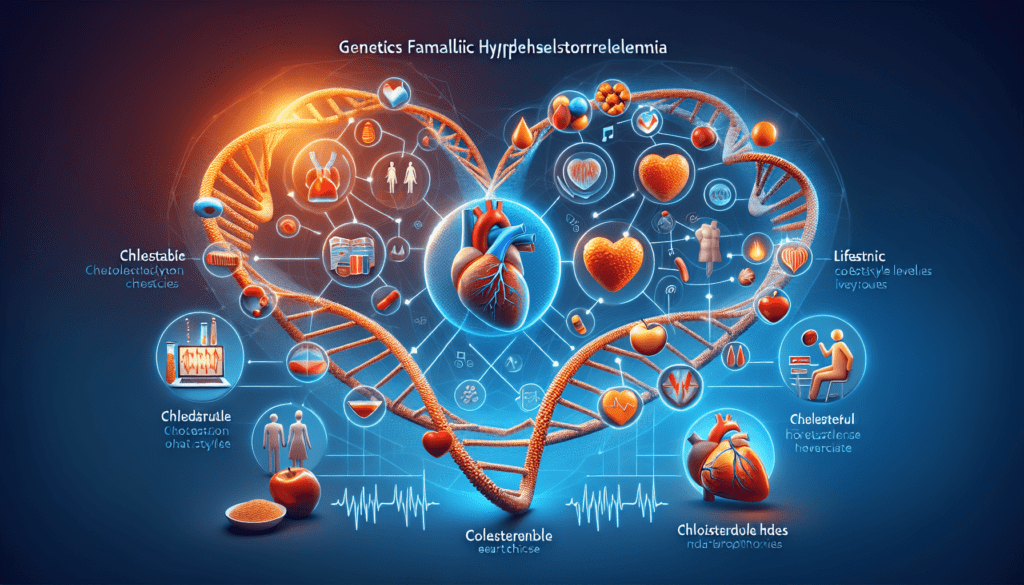
Advancements in genetic testing have made it possible to identify genetic variants associated with cholesterol levels and heart disease risk. These tests can provide valuable information about an individual’s genetic predisposition and help guide personalized preventive and therapeutic strategies.
Advancements in Genetic Testing
Genetic testing has evolved significantly in recent years, with the development of high-throughput technologies that allow for the analysis of numerous genetic variants simultaneously. These advancements have made genetic testing more accessible, cost-effective, and informative for assessing an individual’s cholesterol levels and heart disease risk.
Polygenic Risk Scores
Polygenic risk scores (PRS) are a tool used in genetic testing to estimate an individual’s genetic predisposition to a particular trait or condition based on multiple genetic variants. In the context of cholesterol and heart health, PRS can integrate information from various genetic variants associated with cholesterol levels to predict an individual’s risk of developing high LDL cholesterol, low HDL cholesterol, or heart disease.
Implications of Genetic Testing
Genetic testing for cholesterol and heart health can provide individuals with valuable information about their genetic predisposition. This information can empower individuals to make informed decisions about lifestyle modifications, such as diet and exercise, and help guide the use of medications to manage their cholesterol levels and reduce the risk of heart disease.
Lifestyle Modifications to Manage Genetic Risk
While genetics play a role in cholesterol levels and heart disease risk, lifestyle modifications can significantly mitigate these risks and improve overall heart health.
Healthy Diet and Cholesterol
Adopting a heart-healthy diet can help manage cholesterol levels, irrespective of genetic predisposition. A diet rich in fruits, vegetables, whole grains, lean proteins, and healthy fats can help lower LDL cholesterol and maintain higher HDL cholesterol levels. Limiting saturated and trans fats, as well as dietary cholesterol, is also essential for managing cholesterol levels.
Regular Exercise
Engaging in regular physical activity has been shown to improve cholesterol levels and reduce the risk of heart disease. Exercise can increase HDL cholesterol levels, improve overall cardiovascular health, and help maintain a healthy weight.
Smoking Cessation
Smoking has detrimental effects on cholesterol levels and heart health. It can decrease HDL cholesterol levels while increasing LDL cholesterol and promoting inflammation in the arteries. Quitting smoking is an important step in managing cholesterol levels and reducing the risk of heart disease.
Pharmacogenetics and Cholesterol Treatment
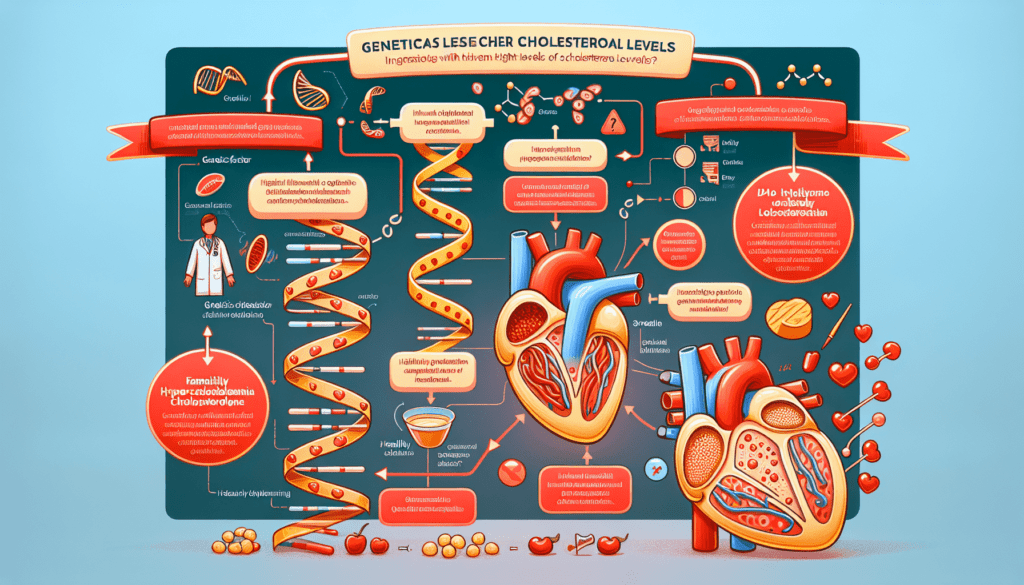
Pharmacogenetics involves studying how an individual’s genetics influence their response to medications. Understanding the genetic factors that impact the efficacy and safety of cholesterol-lowering medications can help optimize treatment approaches.
Statins and Genetic Variants
Statins are a class of medications commonly prescribed to lower LDL cholesterol levels and reduce the risk of heart disease. Genetic variants can influence an individual’s response to statins, affecting their effectiveness and potential side effects. Genetic testing can help identify individuals who are more likely to benefit from statin therapy and guide personalized treatment decisions.
New Treatment Approaches
Advancements in genetics have opened up new avenues for developing targeted therapies for managing cholesterol levels and reducing heart disease risk. Research is ongoing to identify novel genetic targets and develop drugs that can modulate these targets to regulate cholesterol metabolism.
Precision Medicine
Precision medicine refers to tailoring medical treatment to an individual’s specific genetic makeup. In the context of cholesterol management and heart health, precision medicine aims to optimize therapy based on an individual’s genetic variants associated with cholesterol levels. This personalized approach can lead to improved outcomes and better management of heart disease risk.
Future Directions in Genetics and Heart Health
The field of genetics and heart health continues to advance rapidly, with ongoing research and technological developments paving the way for innovative approaches to understanding and managing cholesterol-related conditions.
Genome-Wide Association Studies
Genome-wide association studies (GWAS) involve the examination of a large number of genetic variants across the entire genome to identify associations with diseases or traits. GWAS have provided valuable insights into the genetic basis of cholesterol levels and heart disease, and further studies in this area may uncover additional genetic variants and pathways involved.
Gene Therapy
Gene therapy holds promise for the treatment of genetic disorders, including those related to cholesterol metabolism. By introducing healthy copies of genes or altering the expression of specific genes, gene therapy has the potential to correct genetic defects and restore normal cholesterol levels.
Personalized Medicine
The future of heart health lies in personalized medicine, where treatment approaches are tailored to an individual’s unique genetic profile. By integrating genetic information with clinical data, lifestyle factors, and environmental influences, personalized medicine can optimize preventive strategies, early detection, and targeted interventions to reduce the burden of heart disease.
In conclusion, genetics plays a significant role in cholesterol levels and heart health. Understanding the genetic factors that influence cholesterol metabolism can provide valuable information for assessing an individual’s risk of developing cardiovascular disease. Genetic testing, along with lifestyle modifications and targeted therapies, can help manage cholesterol levels and optimize heart health. Continued advancements in genetic research and personalized medicine hold promise for further improving our understanding and management of cholesterol-related conditions and heart disease.