
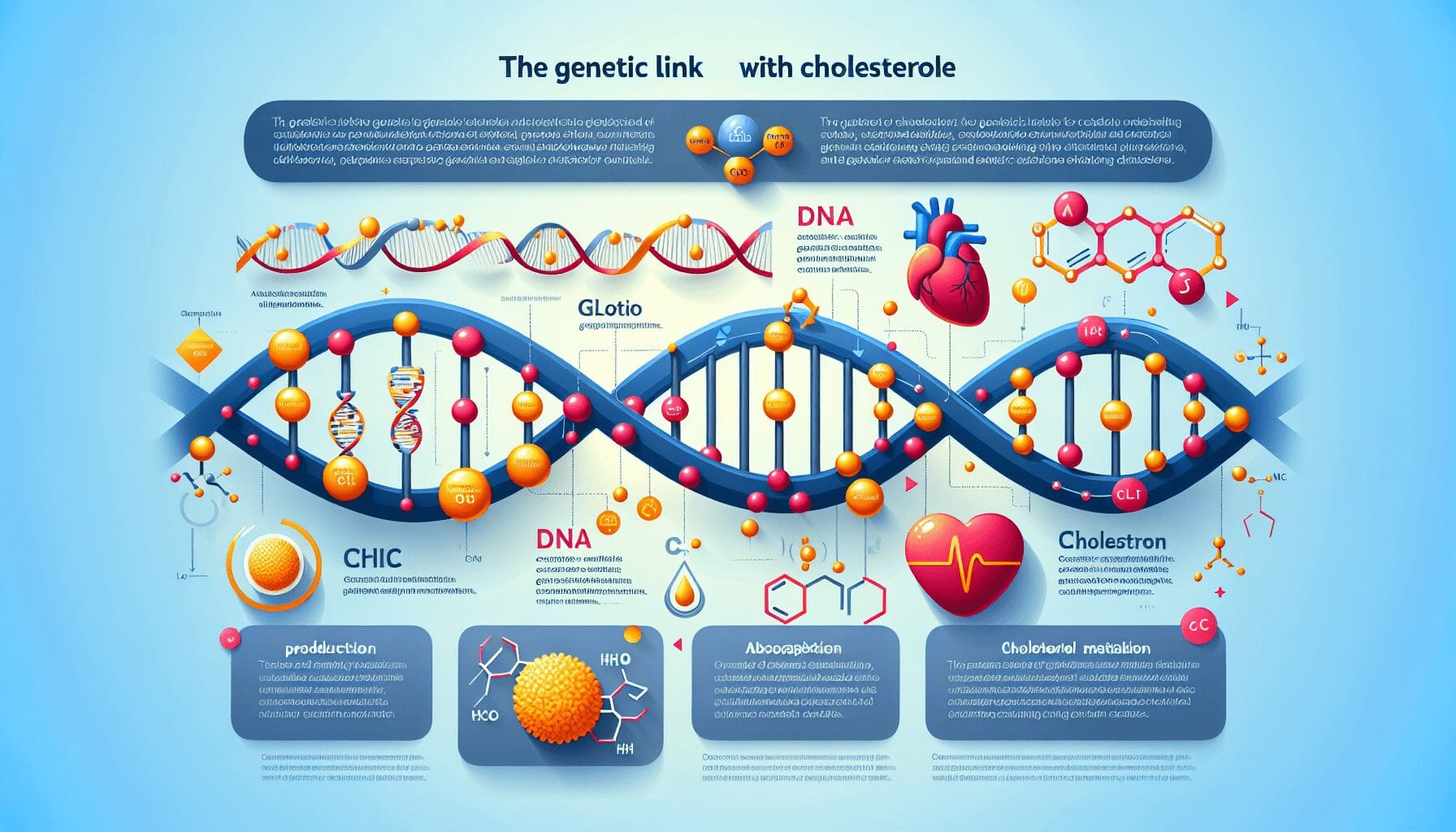
Have you ever wondered why some people struggle with high cholesterol levels despite living a healthy lifestyle, while others seem to maintain normal levels effortlessly? It turns out that genetics play a significant role in determining our cholesterol levels. In this article, we will explore the fascinating connection between genes and cholesterol, shedding light on why some individuals may be more predisposed to high cholesterol and the impact this knowledge can have on personalized healthcare.

What is Cholesterol?
Definition of cholesterol
Cholesterol is a waxy, fat-like substance that is found in every cell of your body. It is essential for the proper functioning of your body as it helps in the production of hormones, vitamin D, and bile acids that aid in digestion. However, having high levels of cholesterol in your blood can increase your risk of heart disease and other health problems.
Types of cholesterol
There are two main types of cholesterol: low-density lipoprotein (LDL) cholesterol and high-density lipoprotein (HDL) cholesterol. LDL cholesterol is often referred to as “bad” cholesterol because high levels of it can lead to the buildup of plaque in the arteries, which can eventually block blood flow and increase the risk of heart disease. On the other hand, HDL cholesterol is known as “good” cholesterol because it helps remove LDL cholesterol from the arteries and transports it back to the liver for processing or elimination.
Importance of cholesterol in the body
Cholesterol plays a crucial role in various bodily functions. It is involved in the formation of cell membranes, which are essential for maintaining the integrity and structure of cells. Cholesterol also plays a vital role in the production of certain hormones, including cortisol, estrogen, and testosterone. Additionally, cholesterol is needed for the synthesis of vitamin D, which is important for maintaining bone health. Without cholesterol, these essential processes in the body would be compromised.
Genetics and Cholesterol Levels
Inherited factors affecting cholesterol levels
Cholesterol levels are influenced by a combination of genetic and environmental factors. Certain genetic variations inherited from your parents can impact how your body produces, metabolizes, and removes cholesterol. These variations can affect the levels of LDL cholesterol, HDL cholesterol, or both. It is important to note that while genetics play a role in cholesterol levels, lifestyle factors such as diet, exercise, and smoking also have a significant impact.
The role of genes in cholesterol production
Genes play a critical role in regulating cholesterol production in the body. The gene encoding for an enzyme called HMG-CoA reductase is particularly important in this process. This enzyme plays a key role in the production of cholesterol in the liver. Genetic variations in this gene can affect how efficiently this enzyme works, leading to differences in cholesterol levels.
Genetic mutations and their impact on cholesterol metabolism
Genetic mutations can disrupt the normal metabolism of cholesterol in the body, leading to various conditions that affect cholesterol levels. For example, mutations in genes responsible for the LDL receptor can result in a condition called familial hypercholesterolemia, where the body is unable to effectively remove LDL cholesterol from the bloodstream. These genetic mutations can greatly increase the risk of developing cardiovascular disease at an early age.
The Genetics of LDL and HDL Cholesterol
Understanding LDL (low-density lipoprotein) cholesterol
LDL cholesterol is often referred to as “bad” cholesterol because it can contribute to the formation of plaque in the arteries. The genetics of LDL cholesterol involve several genes that regulate its production, metabolism, and removal from the body. Variations in these genes can affect LDL cholesterol levels and contribute to the risk of developing heart disease.
The genetics behind high LDL cholesterol levels
Genetic variations in genes involved in LDL cholesterol metabolism can influence how efficiently the body processes and removes LDL cholesterol. For example, mutations in the PCSK9 gene can lead to increased levels of LDL cholesterol by reducing the liver’s ability to remove LDL particles from the bloodstream. These genetic factors can contribute to the development of conditions such as familial hypercholesterolemia and increase the risk of cardiovascular disease.
Exploring HDL (high-density lipoprotein) cholesterol genetics
HDL cholesterol is considered “good” cholesterol because it helps remove LDL cholesterol from the arteries and transports it back to the liver for processing or elimination. The genetics of HDL cholesterol involve multiple genes that influence its production, metabolism, and functionality. Variations in these genes can affect HDL cholesterol levels and impact the risk of heart disease.
The impact of genetic variations on HDL cholesterol levels
Genetic variations can affect the levels and functionality of HDL cholesterol. For instance, mutations in the gene coding for the protein CETP (cholesteryl ester transfer protein) can lead to decreased levels of HDL cholesterol. This can increase the risk of heart disease as HDL cholesterol plays a crucial role in the removal of LDL cholesterol from the arteries.
Familial Hypercholesterolemia
Definition and symptoms of familial hypercholesterolemia
Familial hypercholesterolemia (FH) is a genetic disorder characterized by high levels of LDL cholesterol from birth. It is caused by mutations in genes responsible for the LDL receptor, which impairs the liver’s ability to remove LDL cholesterol from the bloodstream. FH is usually inherited in an autosomal dominant manner, meaning one copy of the mutated gene is sufficient to cause the condition. Symptoms of FH may include xanthomas (skin deposits of cholesterol), premature development of atherosclerosis, and a higher risk of heart disease.
Genetic causes of familial hypercholesterolemia
Familial hypercholesterolemia is primarily caused by mutations in the LDL receptor gene, but mutations in other genes such as APOB and PCSK9 can also contribute to the condition. These genetic mutations impair the normal function of the receptors responsible for removing LDL cholesterol from the bloodstream, leading to elevated LDL cholesterol levels and an increased risk of cardiovascular disease.
Management and treatment options for familial hypercholesterolemia
Familial hypercholesterolemia requires lifelong management to minimize the risk of cardiovascular disease. Treatment options may include lifestyle modifications such as a healthy diet, regular exercise, and smoking cessation. Additionally, medications such as statins and other cholesterol-lowering drugs may be prescribed to help decrease LDL cholesterol levels. In some cases, individuals with severe FH may require procedures such as LDL apheresis or even liver transplantation.
Polygenic Hypercholesterolemia
Understanding polygenic hypercholesterolemia
Polygenic hypercholesterolemia refers to high LDL cholesterol levels that are influenced by multiple genetic variations rather than a single gene mutation. This condition is more common than familial hypercholesterolemia and is believed to be caused by the combined effects of several genetic factors, each contributing a small amount to LDL cholesterol levels. Polygenic hypercholesterolemia often requires a multifaceted approach to manage cholesterol levels effectively.
The influence of multiple genes on cholesterol levels
Polygenic hypercholesterolemia involves the interaction of multiple genes that collectively contribute to LDL cholesterol levels. Genetic variations in different genes involved in cholesterol metabolism, such as LDL receptor, PCSK9, and APOB, can influence cholesterol levels to varying degrees. The cumulative effect of these genetic variations determines an individual’s susceptibility to elevated LDL cholesterol levels.
Genetic risk scores and their implications for polygenic hypercholesterolemia
Genetic risk scores (GRS) are tools used to assess an individual’s genetic susceptibility to polygenic conditions such as hypercholesterolemia. These scores are calculated based on the presence of specific genetic variations associated with elevated LDL cholesterol levels. GRS can help identify individuals who may be at increased risk for developing hypercholesterolemia, enabling targeted interventions and surveillance to prevent cardiovascular complications.
Genetic Testing for Cholesterol Levels
The benefits of genetic testing in assessing cholesterol levels
Genetic testing can provide valuable insights into an individual’s risk of developing high cholesterol levels and associated cardiovascular diseases. By analyzing specific genes associated with cholesterol metabolism, genetic testing can identify genetic variations that may increase the risk of elevated LDL cholesterol levels. This information can inform personalized treatment plans, allowing for early interventions and lifestyle modifications to manage cholesterol levels effectively.
Different genetic tests available for cholesterol
Several genetic tests are available to assess an individual’s genetic predisposition to high cholesterol levels. These tests may focus on specific genes or utilize genetic panels that evaluate multiple genes involved in cholesterol metabolism. Some tests may also include analysis of single nucleotide polymorphisms (SNPs) associated with cholesterol regulation. Genetic tests can be performed through saliva or blood samples, and results are typically interpreted by genetic counselors or healthcare professionals.
Interpretation and implications of genetic test results
Interpreting genetic test results for cholesterol levels requires expertise in genetics and cardiovascular health. Genetic counselors or healthcare professionals can help individuals understand their genetic risk factors, the implications of specific genetic variations, and the potential impact on cholesterol management. Genetic test results allow for a more personalized approach to cholesterol management, enabling targeted interventions and monitoring.
Gene-Environment Interactions
The interplay between genetics and lifestyle factors in cholesterol levels
Cholesterol levels are not solely determined by genetics; they are also influenced by lifestyle factors such as diet, exercise, and smoking. Gene-environment interactions play a significant role in cholesterol regulation. Genetic variations can affect how an individual’s body responds to dietary fat intake or exercise, ultimately influencing cholesterol levels. Understanding these interactions is crucial for developing effective strategies to manage cholesterol and reduce cardiovascular risk.
Gene-environment interactions and their impact on cholesterol regulation
Certain genetic variations can modify an individual’s response to lifestyle factors, affecting cholesterol regulation. For example, individuals with certain genetic variations may be more sensitive to dietary cholesterol intake or may have a reduced response to exercise in terms of improving cholesterol levels. These gene-environment interactions can influence an individual’s risk of developing high cholesterol levels and provide insights into personalized management strategies.
Future Implications and Research
Advances in genetic research and their potential impact on managing cholesterol levels
Advances in genetic research have the potential to revolutionize the management of cholesterol levels. Ongoing studies are focused on identifying additional genes and genetic variations associated with high cholesterol and cardiovascular disease. This increased knowledge could lead to the development of new targeted therapies, medications, and interventions that can more effectively prevent and treat high cholesterol and its complications.
Current studies and ongoing research in the field of genetics and cholesterol
The field of genetics and cholesterol is rapidly evolving, with ongoing research investigating various aspects of cholesterol regulation. Studies are exploring the role of newly discovered genes, the impact of rare genetic variants on cholesterol levels, and the potential use of gene therapy in treating genetic causes of high cholesterol. Additionally, researchers are examining the genetic factors underlying response to cholesterol-lowering medications, aiming to optimize treatment outcomes.
Implications for Personalized Medicine
The potential of genetic information in tailoring cholesterol management
Genetic information holds great potential for tailoring cholesterol management strategies to individual patients. By identifying specific genetic variations associated with high cholesterol, healthcare professionals can develop personalized treatment plans that target the underlying causes. This approach can help optimize medication selection, lifestyle recommendations, and surveillance strategies, leading to better cholesterol control and reduced cardiovascular risk.
Challenges and ethical considerations in implementing personalized medicine based on genetics
Implementing personalized medicine based on genetic information is not without its challenges. One of the main challenges is the interpretation and integration of genetic test results into clinical practice, as the impact of specific genetic variations on cholesterol levels may still be evolving. Ethical considerations, such as ensuring patient privacy and informed consent, are also vital in using genetic information for personalized medicine. Balancing the potential benefits with the ethical and practical considerations is crucial for the successful implementation of personalized cholesterol management.
Conclusion
In conclusion, genetics play a significant role in determining an individual’s cholesterol levels and the associated risk of cardiovascular disease. Genetic variations impact how efficiently the body produces, metabolizes, and removes LDL and HDL cholesterol. Understanding the genetic factors underlying cholesterol regulation can provide valuable insights into an individual’s susceptibility to high cholesterol levels and help tailor personalized management strategies. Ongoing research and advances in genetic testing have the potential to enhance our understanding of cholesterol metabolism and revolutionize cholesterol management in the future. By considering the interplay between genetics and lifestyle factors, healthcare professionals can develop holistic approaches to cholesterol management that improve patient outcomes and reduce the burden of cardiovascular disease.