
Welcome to an informative article on understanding the different types of cholesterol: LDL, HDL, and VLDL. In today’s world, cholesterol levels play a crucial role in overall health. LDL, often referred to as “bad” cholesterol, can lead to plaque buildup in the arteries, while HDL, known as “good” cholesterol, helps remove excess cholesterol from the bloodstream. VLDL is another type that carries triglycerides, a type of fat, in the blood. By knowing the differences between these types of cholesterol, you can take proactive steps towards managing your cholesterol levels and ultimately, your heart health. Let’s delve into the world of cholesterol and learn how to keep your heart healthy for years to come.
Have you ever wondered what cholesterol really is and why it is so important for your health?
Cholesterol is a waxy substance found in your blood that is essential for building cells and producing hormones. However, not all cholesterol is created equal. There are different types of cholesterol, each with its own unique role in the body. In this article, we will dive into the world of cholesterol and explore the differences between LDL, HDL, and VLDL.
What is Cholesterol?
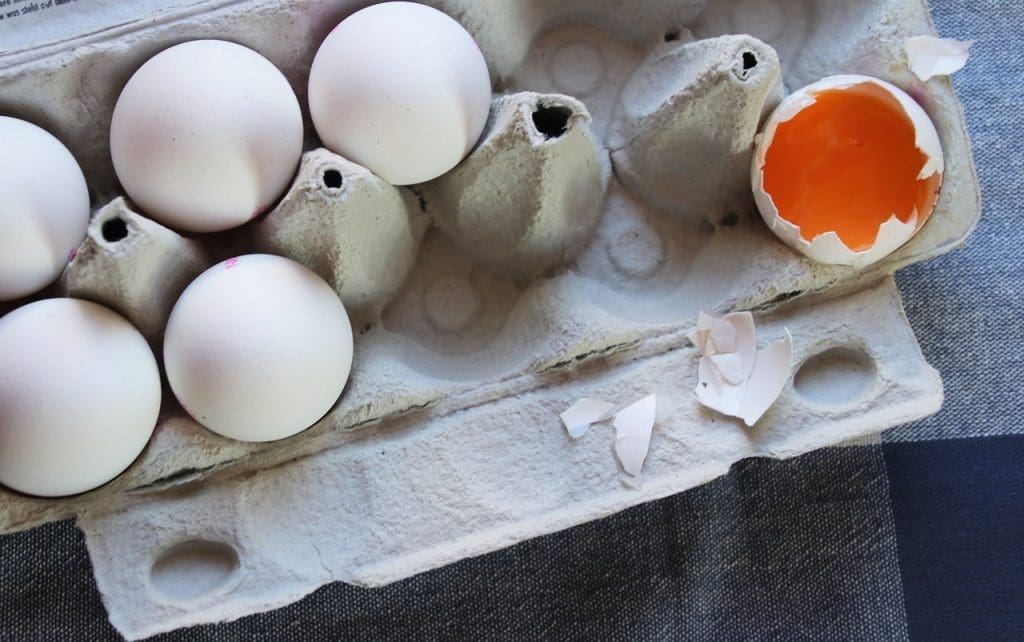
Cholesterol is a type of fat that is found in your blood. It is produced by your liver and is also found in certain foods that you eat, such as eggs, meat, and dairy products. Cholesterol is essential for building cell membranes and producing hormones like estrogen and testosterone.
LDL Cholesterol: The “Bad” Cholesterol
LDL cholesterol, also known as low-density lipoprotein cholesterol, is often referred to as the “bad” cholesterol. This is because high levels of LDL cholesterol can lead to the buildup of plaque in your arteries, increasing your risk of heart disease and stroke.
Having high levels of LDL cholesterol is a major risk factor for cardiovascular disease. It can lead to atherosclerosis, a condition where plaque builds up in your arteries, restricting blood flow and increasing your risk of heart attack and stroke.
HDL Cholesterol: The “Good” Cholesterol
HDL cholesterol, or high-density lipoprotein cholesterol, is often referred to as the “good” cholesterol. This is because HDL helps remove LDL cholesterol from your arteries, reducing your risk of heart disease and stroke.
Having high levels of HDL cholesterol is protective against cardiovascular disease. HDL acts like a scavenger, picking up excess cholesterol from your arteries and taking it back to your liver to be excreted from your body.
VLDL Cholesterol: The “Very Low-Density Lipoprotein” Cholesterol
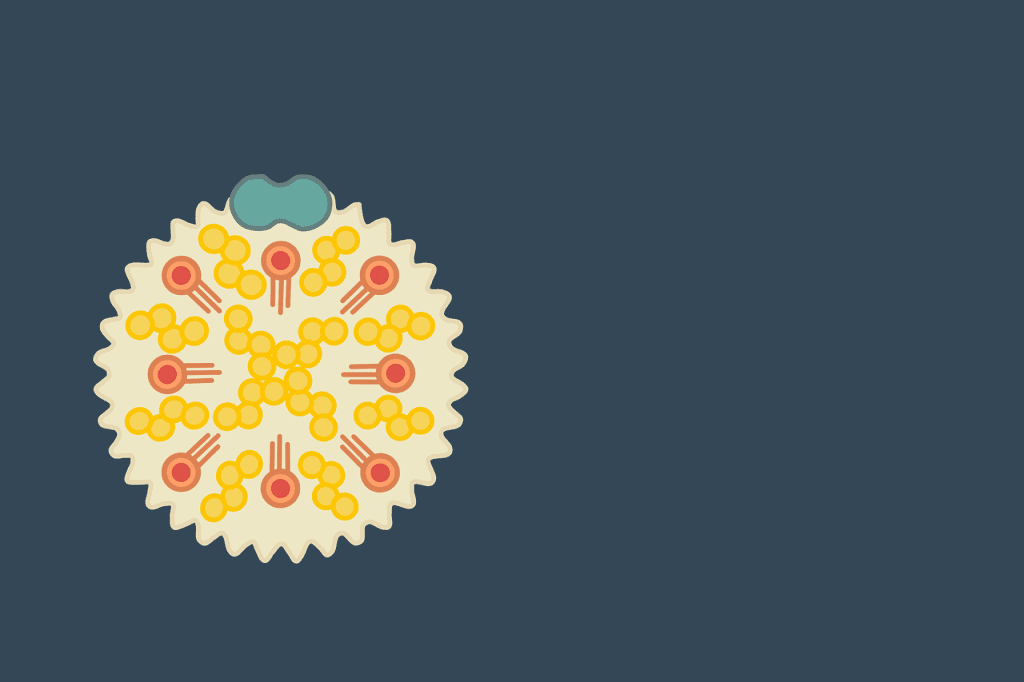
VLDL cholesterol, or very low-density lipoprotein cholesterol, is another type of cholesterol that plays a role in heart health. VLDL is produced by your liver and helps transport triglycerides, another type of fat, through your bloodstream.
High levels of VLDL cholesterol can contribute to the buildup of plaque in your arteries, increasing your risk of heart disease and stroke. It is important to keep your VLDL cholesterol levels in check to maintain good heart health.

How to Lower Your LDL Cholesterol Levels
If you have high levels of LDL cholesterol, there are steps you can take to lower your levels and reduce your risk of heart disease and stroke. Here are some tips to help you lower your LDL cholesterol:
-
Eat a Heart-Healthy Diet: Focus on eating foods that are low in saturated fats and trans fats. Include plenty of fruits, vegetables, whole grains, and lean proteins in your diet.
-
Exercise Regularly: Physical activity can help raise your HDL cholesterol levels and lower your LDL cholesterol levels. Aim for at least 150 minutes of moderate-intensity exercise each week.
-
Maintain a Healthy Weight: Being overweight or obese can increase your LDL cholesterol levels. Losing weight through a healthy diet and regular exercise can help lower your LDL cholesterol levels.
-
Quit Smoking: Smoking can lower your HDL cholesterol levels and raise your LDL cholesterol levels. Quitting smoking can help improve your cholesterol levels and reduce your risk of heart disease.
-
Limit Alcohol Intake: Drinking too much alcohol can increase your triglyceride levels and raise your LDL cholesterol levels. Limit your alcohol intake to reduce your risk of heart disease.
How to Raise Your HDL Cholesterol Levels
If you have low levels of HDL cholesterol, there are steps you can take to raise your levels and improve your heart health. Here are some tips to help you raise your HDL cholesterol:
-
Exercise Regularly: Physical activity can help raise your HDL cholesterol levels. Aim for at least 150 minutes of moderate-intensity exercise each week to improve your heart health.
-
Eat Healthy Fats: Include sources of healthy fats in your diet, such as avocados, nuts, seeds, and olive oil. These fats can help raise your HDL cholesterol levels and improve your heart health.
-
Limit Sugary Foods and Drinks: Consuming too much sugar can lower your HDL cholesterol levels. Limit your intake of sugary foods and drinks to improve your cholesterol levels and reduce your risk of heart disease.
-
Quit Smoking: Smoking can lower your HDL cholesterol levels and increase your risk of heart disease. Quitting smoking can help raise your HDL cholesterol levels and improve your heart health.
-
Maintain a Healthy Weight: Being overweight or obese can lower your HDL cholesterol levels. Losing weight through a healthy diet and regular exercise can help raise your HDL cholesterol levels and reduce your risk of heart disease.
How to Lower Your VLDL Cholesterol Levels
If you have high levels of VLDL cholesterol, there are steps you can take to lower your levels and reduce your risk of heart disease and stroke. Here are some tips to help you lower your VLDL cholesterol:
-
Limit Sugar and Refined Carbohydrates: Consuming too much sugar and refined carbohydrates can raise your VLDL cholesterol levels. Focus on eating whole grains, fruits, vegetables, and lean proteins to lower your VLDL cholesterol levels.
-
Exercise Regularly: Physical activity can help lower your VLDL cholesterol levels. Aim for at least 150 minutes of moderate-intensity exercise each week to improve your heart health.
-
Maintain a Healthy Weight: Being overweight or obese can increase your VLDL cholesterol levels. Losing weight through a healthy diet and regular exercise can help lower your VLDL cholesterol levels and reduce your risk of heart disease.
-
Limit Alcohol Intake: Drinking too much alcohol can raise your VLDL cholesterol levels. Limit your alcohol intake to reduce your risk of heart disease and stroke.
-
Take Medications if Necessary: In some cases, medications may be prescribed to help lower your VLDL cholesterol levels. Talk to your healthcare provider about the best treatment options for you.
Conclusion
In conclusion, understanding the different types of cholesterol—LDL, HDL, and VLDL—is essential for maintaining good heart health. By making lifestyle changes such as eating a heart-healthy diet, exercising regularly, maintaining a healthy weight, and quitting smoking, you can improve your cholesterol levels and reduce your risk of heart disease and stroke.
Remember, it’s never too late to start making positive changes for your heart health. Talk to your healthcare provider about how you can best manage your cholesterol levels and keep your heart healthy for years to come.