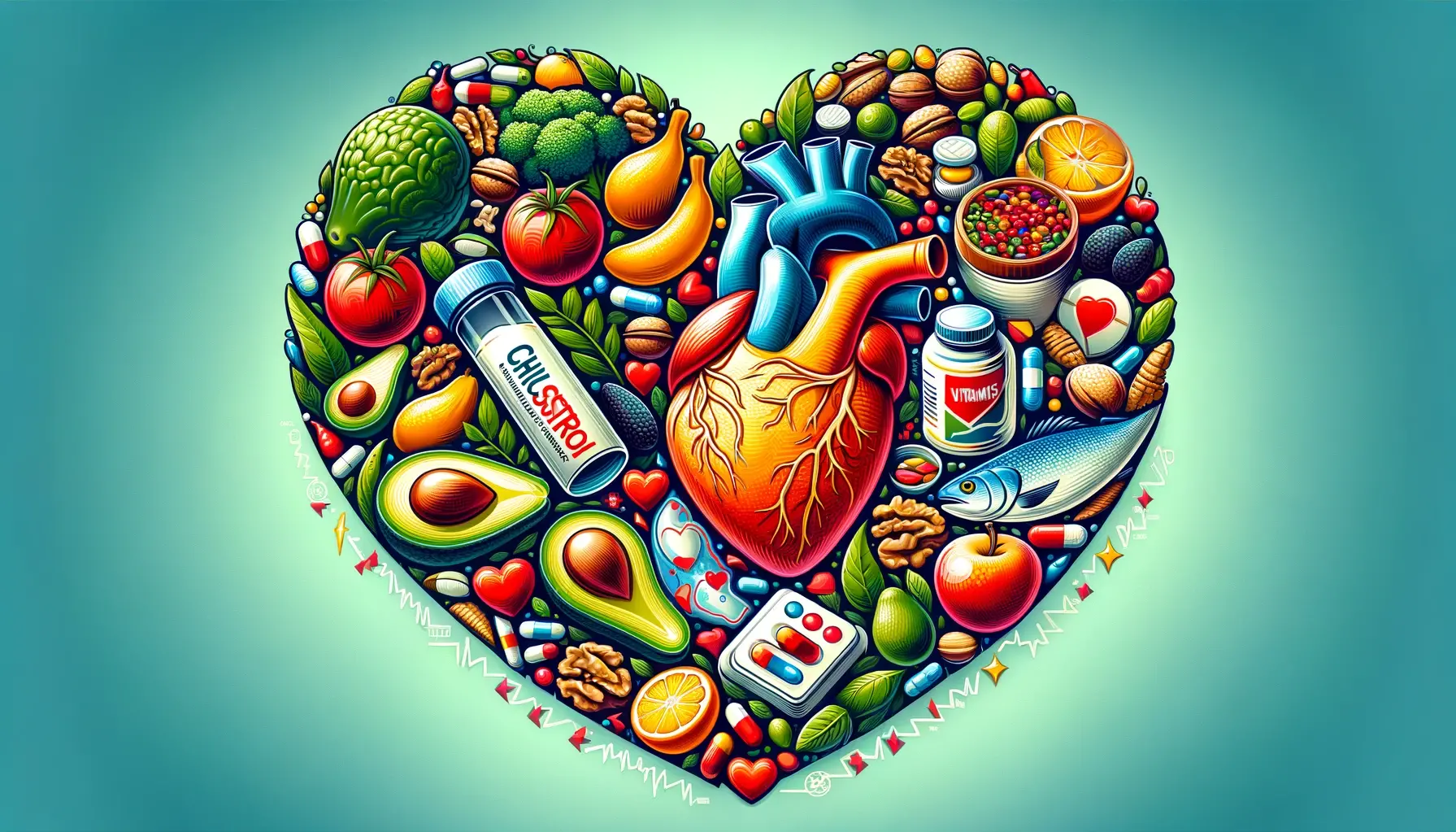

Are you struggling to find ways to improve your cholesterol levels? Look no further! In this article, you will discover some quick and easy techniques to incorporate vitamin-rich foods into your daily diet, helping you take control of your cholesterol levels. By making simple adjustments to your meals and snacks, you can enjoy delicious food while promoting a healthier heart. Say goodbye to bland and boring meals – it’s time to boost your vitamin intake and prioritize your cholesterol health.

Planning Your Meals
Create a Weekly Meal Plan
One of the best ways to ensure a healthy diet is by creating a weekly meal plan. By planning your meals in advance, you can make sure that you have all the necessary ingredients on hand and avoid relying on unhealthy options when you’re hungry. Sit down and take some time to think about what you want to eat for the week. Keep in mind the different food groups and try to include a balanced mix of proteins, fruits and vegetables, whole grains, and healthy fats in your plan.
Include a Variety of Fruits and Vegetables
Fruits and vegetables are packed with essential vitamins, minerals, and antioxidants that can help support heart health and reduce cholesterol levels. Aim to include a variety of colorful options in your diet to benefit from the different nutrients they offer. Consider adding leafy greens like spinach and kale, citrus fruits like oranges and grapefruits, and vibrant berries like blueberries and strawberries to your meals. You can incorporate them into salads, smoothies, or enjoy them as snacks.
Opt for Whole Grains
Whole grains are an excellent source of dietary fiber, which can help lower cholesterol levels and promote heart health. When planning your meals, try to replace refined grains like white bread and rice with whole grain alternatives like whole wheat bread, brown rice, quinoa, and oats. These whole grains are not only nutritious but also provide a satisfying feeling of fullness, helping to control your appetite throughout the day. Experiment with incorporating different whole grains into your meals and snacks for added variety and health benefits.
Smart Snacking
Choose Nutrient-Dense Snacks
Snacks can be a great way to fuel your body between meals, but it’s important to choose nutrient-dense options that will keep you satisfied and support your heart health. Instead of reaching for processed snacks that are high in unhealthy fats and sugars, opt for nutrient-dense choices like nuts, seeds, yogurt, and hummus with raw vegetables. These snacks are rich in essential nutrients, such as healthy fats, protein, and fiber, which can help regulate cholesterol levels and promote overall well-being.
Keep Healthy Snacks on Hand
To avoid reaching for unhealthy snacks when hunger strikes, it’s essential to keep healthy options readily available. Stock your pantry and refrigerator with nutritious snacks like pre-cut fruits and vegetables, low-fat yogurt, whole grain crackers, and homemade energy bars. By having these options on hand, you’ll be less likely to resort to less healthy choices when hunger strikes. Consider portioning out snacks into individual containers for easy grab-and-go options.
Boost Your Breakfast
Include Foods High in Vitamin C
Vitamin C is an essential nutrient that can benefit heart health and reduce the risk of developing high cholesterol levels. Incorporating foods rich in vitamin C into your breakfast can be a great way to start your day on a healthy note. Add some citrus fruits like oranges or grapefruits to your morning routine, or enjoy a glass of fresh-squeezed orange juice. You can also include other vitamin C-rich foods like bell peppers, strawberries, and kiwis in your breakfast options for a tasty and nutritious boost.
Add Foods Rich in Omega-3 Fatty Acids
Omega-3 fatty acids have been shown to have numerous health benefits, including reducing inflammation and improving heart health. Including foods rich in omega-3s in your breakfast can be an excellent way to support cholesterol control. Consider adding sources of omega-3s like flaxseeds, chia seeds, walnuts, or fatty fish like salmon or mackerel to your morning meals. You can sprinkle seeds on top of yogurt or oatmeal or incorporate them into smoothies for an added nutritional boost.
Powerful Proteins
Choose Lean Proteins
Protein is an essential macronutrient that plays a crucial role in many bodily functions, including maintaining healthy cholesterol levels. When selecting protein sources, opt for lean options that are low in unhealthy saturated fat. Good choices include skinless poultry, fish, lean cuts of beef or pork, eggs, and legumes like beans and lentils. These protein sources provide essential amino acids and are less likely to contribute to high cholesterol levels compared to fatty cuts of meat or processed meats.
Incorporate Plant-Based Proteins
In addition to animal-based proteins, incorporating plant-based protein sources into your meals can be beneficial for cholesterol control. Plant-based proteins are typically low in saturated fat and high in fiber, which can help reduce cholesterol levels. Consider adding foods like tofu, tempeh, quinoa, beans, and chickpeas to your meals for a healthy protein boost. These options are versatile and can be used in a variety of dishes, from stir-fries to salads, to provide a well-rounded and cholesterol-friendly diet.

Healthy Fats and Oils
Opt for Unsaturated Fats
While it’s important to limit your intake of saturated and trans fats, including healthy fats in your diet is crucial for heart health. Opt for unsaturated fats, such as those found in avocados, nuts, seeds, and fatty fish, to support cholesterol control. These fats can help raise levels of good HDL cholesterol and lower levels of bad LDL cholesterol. Make a conscious effort to include these healthy fats in your meals by adding avocado slices to sandwiches or salads, incorporating a handful of nuts as a snack, or enjoying grilled fish as a main course.
Cook with Olive Oil or Avocado Oil
When it comes to cooking oils, swap out unhealthy options like butter, lard, or vegetable oils high in saturated or trans fats for heart-healthy choices like olive oil or avocado oil. These oils are rich in monounsaturated fats, which can help improve cholesterol levels and reduce the risk of heart disease. Use these oils for sautéing vegetables, drizzle them on salads, or use them as a base for homemade salad dressings. Just remember to use them in moderation to keep your overall fat intake in check.
Dairy and Alternatives
Choose Low-Fat Dairy Products
Dairy products can be a good source of essential nutrients like calcium and protein, but some options can be high in saturated fat. When choosing dairy, opt for low-fat or fat-free options to support cholesterol control. Look for skim milk, low-fat yogurt, and reduced-fat cheeses to include in your meals and snacks. If you prefer non-dairy alternatives, there are numerous plant-based milk options available, many of which are fortified with essential vitamins and minerals. Just be sure to choose unsweetened varieties to keep added sugars to a minimum.
Try Plant-Based Milk Alternatives
If you’re looking to reduce your intake of dairy products or follow a plant-based diet, there are several plant-based milk alternatives to choose from. Options like almond milk, soy milk, oat milk, and rice milk can provide essential nutrients and be used in place of dairy milk in various recipes. Remember to select unsweetened varieties to avoid unnecessary added sugars. Experiment with different plant-based milk alternatives to find the one that suits your taste and dietary preferences.

Seasoning with Superfoods
Use Turmeric for Flavor and Health Benefits
Turmeric is a vibrant yellow spice that has been used in traditional medicine for centuries due to its potent anti-inflammatory properties. Incorporating turmeric into your meals can not only add flavor but also provide potential health benefits. Curcumin, the active compound in turmeric, has been shown to have heart-protective effects by reducing inflammation and oxidative stress. Sprinkle turmeric in curries, roasted vegetables, or couscous for a burst of flavor and potential cholesterol-lowering benefits.
Add Garlic and Onion for Heart Health
Garlic and onion are widely used ingredients in many cuisines and can provide more than just flavor to your meals. These aromatic vegetables contain compounds that have been shown to have heart-healthy effects, including lowering cholesterol levels. Add minced garlic to sautéed vegetables, stir it into soups or stews, or use it as a base for marinades. Similarly, incorporate sliced onions into salads, sandwiches, or roasted dishes to reap the potential cardiovascular benefits these superfoods offer.
Hydration for Heart Health
Drink Plenty of Water
Staying hydrated is essential for overall health, including heart health. Water helps maintain proper blood volume, transports nutrients throughout your body, and supports the elimination of waste products. Aim to drink at least eight cups of water per day, or more if you’re physically active or live in a hot climate. Keep a reusable water bottle with you throughout the day as a reminder to hydrate, and sip on water regularly to stay properly hydrated and support your heart health.
Include Heart-Healthy Beverages
In addition to water, there are several heart-healthy beverages you can include in your diet to support cholesterol control. Green tea, for example, is rich in antioxidants and has been shown to have potential benefits for heart health. Herbal teas like hibiscus or chamomile can also provide hydration while offering additional health benefits. When it comes to fruit juices, opt for 100% pure, unsweetened options, or consider squeezing fresh fruit juice at home to avoid added sugars. Remember to consume these beverages in moderation as part of a balanced diet.
Mindful Eating Habits
Eat Slowly and Chew Your Food
In our fast-paced lives, it’s easy to rush through meals without giving our bodies a chance to properly process the food we consume. Practicing mindful eating habits, such as eating slowly and chewing your food thoroughly, can have numerous benefits for heart health and digestion. Take the time to savor each bite, chew your food well, and pay attention to the sensations and flavors as you eat. This can help prevent overeating, promote better digestion, and allow your body to properly assimilate the nutrients in your meals.
Listen to Your Body’s Hunger and Fullness Cues
Tuning in to your body’s hunger and fullness cues is an important aspect of maintaining a healthy diet. Learn to recognize when you’re truly hungry versus eating out of boredom or stress. Eat until you feel comfortably satiated, rather than until you’re overly full. This will help regulate portion sizes and prevent unnecessary snacking or overeating. Pay attention to your body’s signals and take breaks during meals to assess your level of satisfaction. This mindful approach to eating can support cholesterol control and overall well-being.
Seek Professional Advice
Consult with a Registered Dietitian
If you’re unsure about how to create a cholesterol-lowering meal plan or need guidance on specific dietary needs, it’s beneficial to consult with a registered dietitian. These professionals are trained to provide personalized nutrition advice based on your health goals and dietary requirements. They can tailor a meal plan that takes into consideration your cholesterol levels and help you make educated choices about the foods to include in your diet. A registered dietitian can also provide ongoing support and answer any questions you may have along your cholesterol control journey.
Consider a Cholesterol-Lowering Meal Plan
In some cases, a specific cholesterol-lowering meal plan may be recommended, especially for individuals with high cholesterol or other cardiovascular risk factors. These meal plans are designed to focus on heart-healthy foods and limit those that can contribute to high cholesterol levels. They typically include a balance of fruits and vegetables, whole grains, lean proteins, healthy fats, and low-fat or fat-free dairy products. Consider discussing with your healthcare provider or a registered dietitian to see if a cholesterol-lowering meal plan is right for you.
Incorporating vitamin-rich foods into your diet for cholesterol control doesn’t have to be complicated or time-consuming. By planning your meals, selecting nutrient-dense snacks, boosting your breakfast with vitamin C and omega-3s, choosing lean proteins and incorporating plant-based options, opting for healthy fats and oils, including dairy and plant-based alternatives, seasoning with superfoods, staying hydrated, practicing mindful eating habits, and seeking professional advice when needed, you can create a comprehensive approach to support your heart health. Remember, small changes can add up to big benefits over time, so start incorporating these tips into your daily routine and enjoy the nutritious and delicious benefits for your cholesterol levels and overall well-being.
