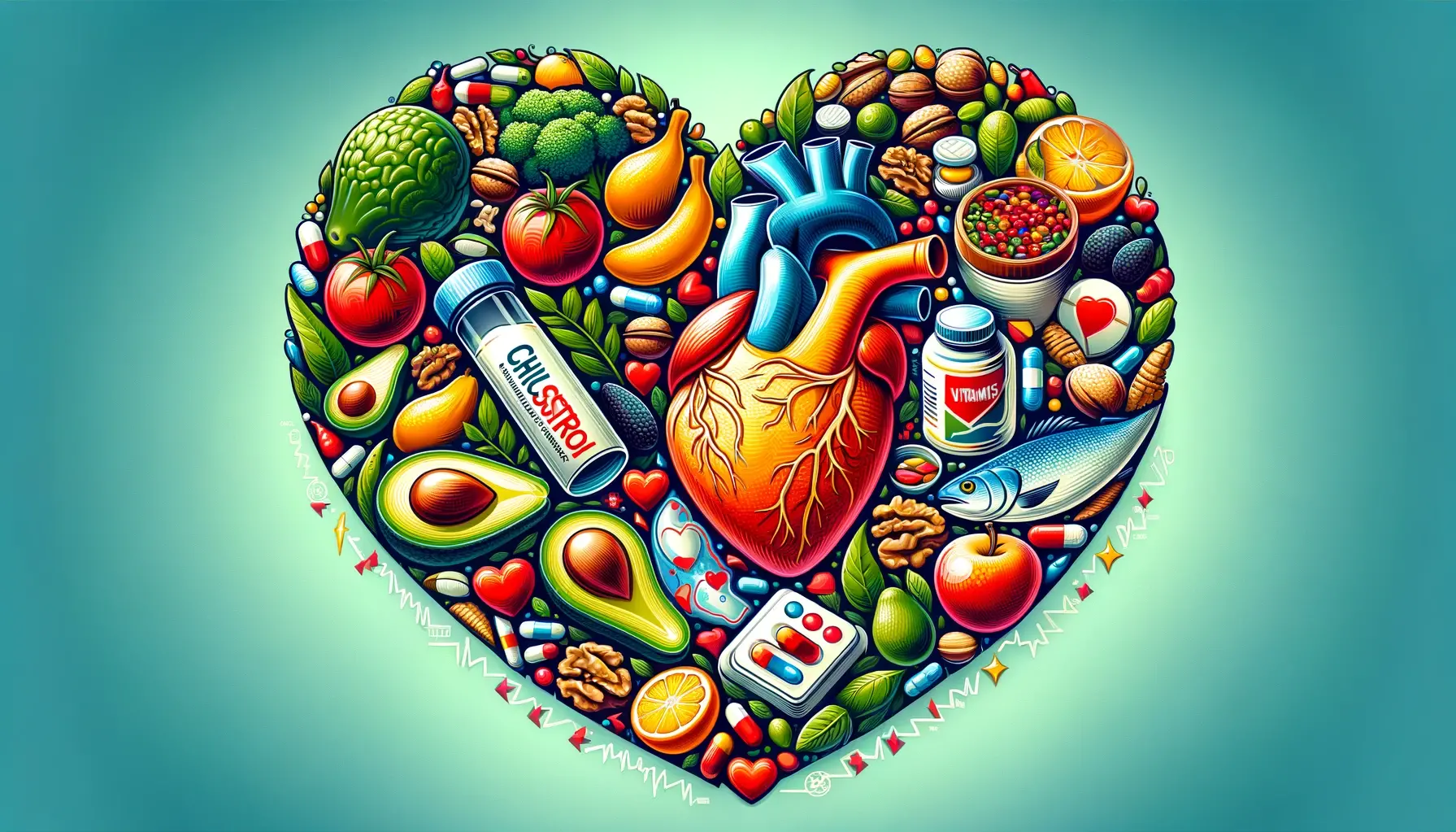

Welcome to a world where you can easily lower your cholesterol levels by incorporating simple yet effective foods and supplements into your daily diet. In this article, you will learn the best practices to seamlessly integrate cholesterol-lowering options into your meals, ensuring a healthier and happier lifestyle. Whether you are a seasoned health enthusiast or just starting your wellness journey, these tips will help you make informed choices for a heart-healthy diet. Let’s get started on your path to better heart health! Have you been told by your doctor that you need to lower your cholesterol? Are you looking for natural ways to improve your heart health? In this article, we will explore the best ways to incorporate cholesterol-lowering foods and supplements into your diet. By making simple changes to your daily routine, you can improve your cholesterol levels and overall health.
Understanding Cholesterol
Cholesterol is a waxy substance that is found in the cells of your body. While some cholesterol is necessary for functions like hormone production and cell membrane structure, too much of it can lead to health issues like heart disease. There are two main types of cholesterol: LDL (low-density lipoprotein) and HDL (high-density lipoprotein). LDL cholesterol is often referred to as “bad” cholesterol, as it can build up in your arteries and lead to blockages. HDL cholesterol, on the other hand, is considered “good” cholesterol, as it helps remove LDL from your bloodstream.
Let’s break it down: LDL cholesterol is the type you want to lower, while HDL is the type you want to increase.
Dietary Changes
One of the most effective ways to lower your cholesterol levels is to make changes to your diet. By incorporating cholesterol-lowering foods into your meals, you can improve your heart health and reduce your risk of heart disease. Here are some foods to include in your diet:
| Food | Benefit |
|---|---|
| Oats | Contains soluble fiber that helps lower LDL cholesterol |
| Nuts | Rich in monounsaturated fats and antioxidants |
| Fatty fish | Packed with omega-3 fatty acids, which can lower triglycerides and boost HDL cholesterol |
| Avocados | High in monounsaturated fats, which can improve cholesterol levels |
| Fruits and vegetables | Provide antioxidants and fiber, which help lower cholesterol levels |
When planning your meals, try incorporating a variety of these cholesterol-lowering foods to improve your heart health.

Supplements for Cholesterol Management
In addition to making changes to your diet, you may also consider incorporating supplements that can help lower your cholesterol levels. While it’s important to consult with your healthcare provider before starting any new supplement regimen, there are some supplements that have shown promise in managing cholesterol levels.
Fish Oil
Fish oil supplements are rich in omega-3 fatty acids, which have been shown to reduce triglycerides and improve overall heart health. Omega-3 fatty acids can also help lower LDL cholesterol levels and increase HDL cholesterol levels.
Plant Sterols
Plant sterols are compounds that occur naturally in certain plants and have been shown to lower LDL cholesterol levels. Adding plant sterol supplements to your daily routine can help reduce your risk of heart disease.
Psyllium
Psyllium is a type of soluble fiber that can help improve cholesterol levels by reducing LDL cholesterol. By taking psyllium supplements, you can increase your fiber intake and promote heart health.
Green Tea Extract
Green tea extract contains antioxidants called catechins that have been linked to lower LDL cholesterol levels. By incorporating green tea extract supplements into your diet, you can improve your cholesterol profile and reduce your risk of heart disease.
Curcumin
Curcumin is the active compound found in turmeric, a spice that has been used for its medicinal properties for centuries. Studies have shown that curcumin can help lower LDL cholesterol levels and reduce inflammation in the body.
Incorporating Supplements into Your Routine
When incorporating cholesterol-lowering supplements into your daily routine, it’s important to follow the recommended dosages and guidelines provided by the manufacturer. Keep in mind that supplements should not be used as a substitute for a healthy diet and lifestyle. Here are some tips for incorporating supplements into your routine:
- Consult with Your Healthcare Provider: Before starting any new supplement regimen, consult with your doctor to make sure it’s safe and appropriate for your individual needs.
- Follow Dosage Instructions: Pay attention to the recommended dosage on the supplement packaging and follow the instructions carefully.
- Be Consistent: To see the full benefits of supplements, it’s important to take them consistently as directed.
- Monitor Your Health: Keep track of your cholesterol levels and overall health while taking supplements to ensure they are effective.
By incorporating cholesterol-lowering supplements into your routine, you can improve your heart health and reduce your risk of heart disease.

Lifestyle Changes for Lowering Cholesterol
In addition to making changes to your diet and incorporating supplements, there are some lifestyle changes you can make to help lower your cholesterol levels. By adopting healthy habits and avoiding behaviors that can increase your cholesterol, you can improve your heart health and overall well-being.
Exercise Regularly
Regular physical activity is essential for maintaining a healthy weight and improving heart health. Aim for at least 30 minutes of moderate exercise most days of the week to help lower your cholesterol levels and reduce your risk of heart disease.
Quit Smoking
Smoking can raise your LDL cholesterol levels and increase your risk of heart disease. If you smoke, consider quitting to improve your cholesterol levels and overall health.
Limit Alcohol Intake
Excessive alcohol consumption can raise your triglyceride levels and contribute to high cholesterol. Limit your alcohol intake to improve your overall heart health and reduce your risk of heart disease.
Manage Stress
Chronic stress can contribute to high cholesterol levels and increase your risk of heart disease. Practice stress-reducing techniques like meditation, yoga, and deep breathing to improve your cholesterol levels and overall well-being.
Get Adequate Sleep
Lack of sleep can disrupt your body’s hormonal balance and contribute to high cholesterol levels. Aim for 7-8 hours of quality sleep each night to help improve your cholesterol levels and overall health.
Monitoring Your Cholesterol Levels
Once you have made changes to your diet, incorporated supplements, and adopted healthy lifestyle habits, it’s important to monitor your cholesterol levels regularly. By keeping track of your cholesterol levels, you can assess the effectiveness of your efforts and make adjustments as needed to further improve your heart health.
Regular Blood Tests
Schedule regular blood tests with your healthcare provider to check your cholesterol levels and assess your overall heart health. By monitoring your cholesterol levels, you can track your progress and make informed decisions about your health.
Keep a Food Diary
Keep a food diary to track your daily food intake and monitor your cholesterol-lowering efforts. By recording what you eat and drink, you can identify patterns and make adjustments to improve your diet.
Track Your Progress
Keep track of your progress by monitoring changes in your cholesterol levels, weight, and overall health. By setting goals and tracking your progress, you can stay motivated and continue to improve your heart health.
Stay Informed
Educate yourself about cholesterol management and stay informed about the latest research and recommendations for heart health. By staying up to date on the latest information, you can make informed decisions about your health and well-being.
Conclusion
Incorporating cholesterol-lowering foods and supplements into your diet can help improve your heart health and reduce your risk of heart disease. By making simple changes to your daily routine, such as adding oats, nuts, fatty fish, and fruits and vegetables to your meals, you can lower your LDL cholesterol levels and boost your HDL cholesterol levels. Additionally, by incorporating supplements like fish oil, plant sterols, psyllium, green tea extract, and curcumin into your routine, you can further improve your cholesterol profile and reduce your risk of heart disease. Remember to consult with your healthcare provider before starting any new supplement regimen and to monitor your cholesterol levels regularly to assess your progress. By making these changes and adopting healthy lifestyle habits, you can improve your heart health and overall well-being.