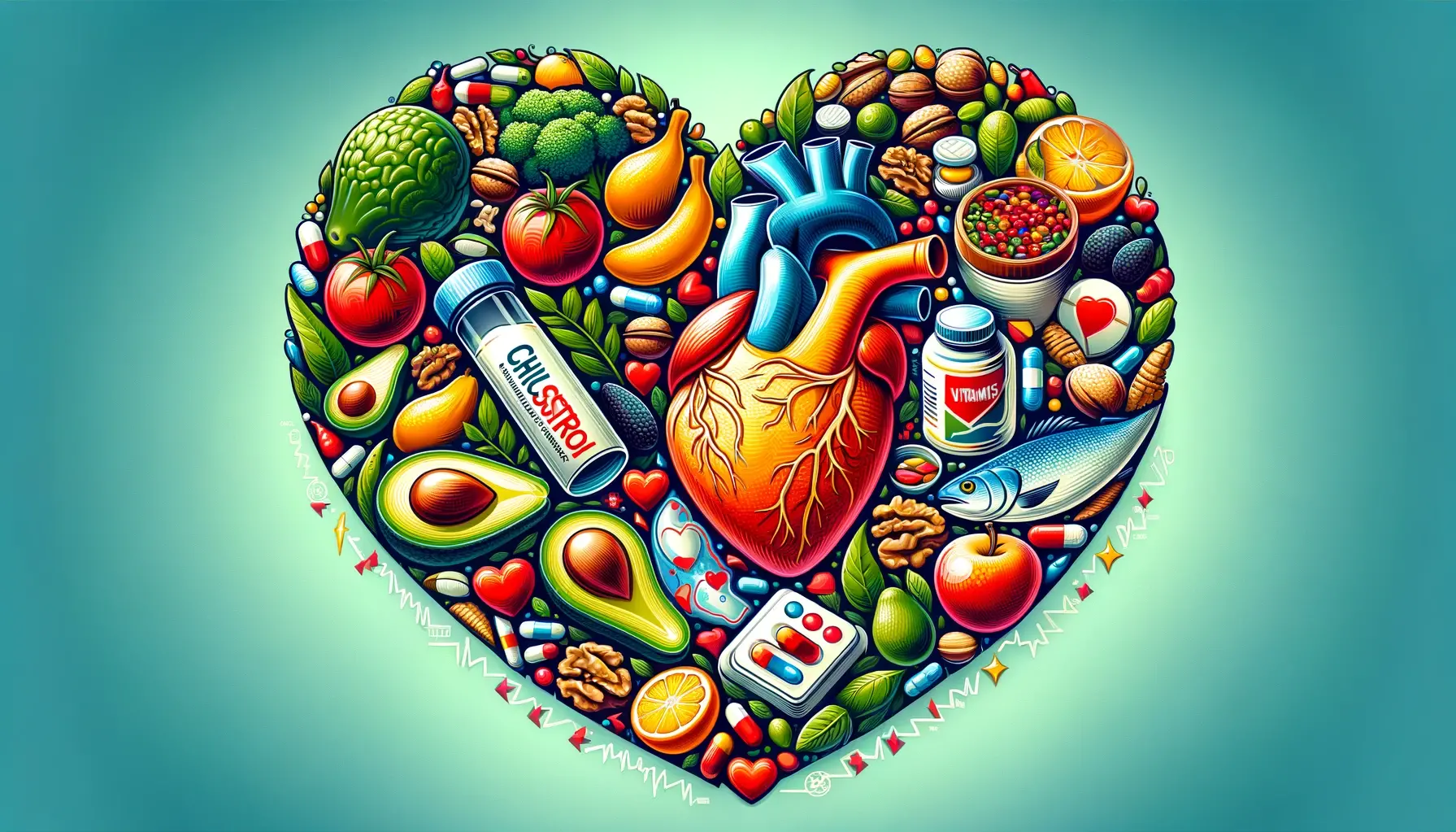

Welcome to the Beginner’s Guide to understanding cholesterol! In this article, you will learn the basics about cholesterol, a waxy substance found in your blood that is crucial for your body’s function. We will explore the different types of cholesterol, how they can impact your health, and simple steps you can take to keep your cholesterol levels in check. By the end of this guide, you will have a better understanding of what cholesterol is and how it plays a role in your overall well-being. Let’s get started on this important journey towards a healthier you! Have you ever wondered what cholesterol is and why it’s important for your health? In this beginner’s guide, we will delve into the world of cholesterol and help you understand its role in your body. Let’s get started!
What is Cholesterol?
Cholesterol is a waxy, fat-like substance that is found in every cell of your body. It is essential for building cell membranes, producing vitamin D, and creating hormones like estrogen and testosterone. While cholesterol is necessary for your body to function properly, too much of it can lead to health problems like heart disease.
Cholesterol Types: LDL and HDL
Cholesterol is transported in your blood by two types of lipoproteins: low-density lipoprotein (LDL) and high-density lipoprotein (HDL). LDL cholesterol is often referred to as “bad” cholesterol because high levels can lead to plaque buildup in your arteries, increasing your risk of heart disease. On the other hand, HDL cholesterol is known as “good” cholesterol because it helps remove LDL cholesterol from the bloodstream, reducing your risk of heart disease.

Understanding Cholesterol Levels
When you get your cholesterol levels checked, you will receive a report that includes measurements for total cholesterol, LDL cholesterol, HDL cholesterol, and triglycerides. These numbers can help you and your healthcare provider assess your risk for heart disease and determine if you need to make any lifestyle changes.
Ideal Cholesterol Levels
- Total Cholesterol: Less than 200 mg/dL
- LDL Cholesterol: Less than 100 mg/dL
- HDL Cholesterol: More than 60 mg/dL
- Triglycerides: Less than 150 mg/dL
Factors That Affect Cholesterol Levels
There are several factors that can impact your cholesterol levels, including genetics, diet, physical activity, and age. Understanding these factors can help you make informed choices to keep your cholesterol levels in check.
Diet
Eating a diet high in saturated and trans fats can raise LDL cholesterol levels. On the other hand, consuming foods rich in soluble fiber, like fruits, vegetables, and whole grains, can help lower LDL cholesterol levels.
Physical Activity
Regular physical activity can help raise HDL cholesterol levels and lower LDL cholesterol levels. Aim for at least 150 minutes of moderate-intensity exercise per week to keep your cholesterol levels in a healthy range.
Weight
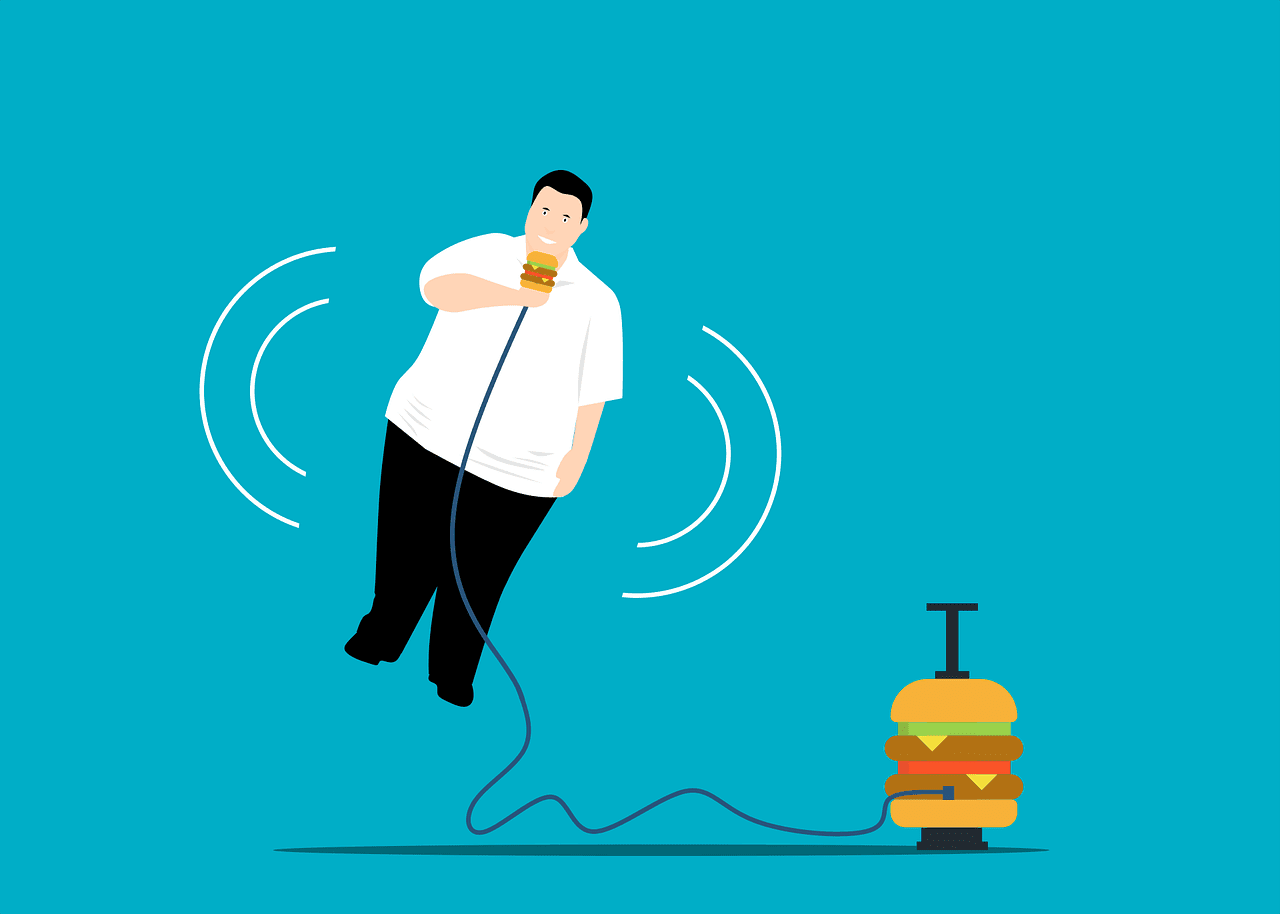
Being overweight or obese can lead to higher LDL cholesterol levels and lower HDL cholesterol levels. Losing even a small amount of weight can help improve your cholesterol levels and reduce your risk of heart disease.

Managing Cholesterol Through Lifestyle Changes
Making simple lifestyle changes can have a significant impact on your cholesterol levels and overall heart health. Here are some tips to help you manage your cholesterol through diet, exercise, and other healthy habits.
Diet
- Limit saturated and trans fats: Choose lean meats, low-fat dairy products, and healthy oils like olive oil.
- Increase fiber intake: Eat plenty of fruits, vegetables, and whole grains to help lower LDL cholesterol levels.
- Eat fatty fish: Include fatty fish like salmon, mackerel, and sardines in your diet to get omega-3 fatty acids that can help lower triglyceride levels.
Exercise
- Aim for at least 150 minutes of moderate-intensity exercise per week, such as brisk walking, cycling, or swimming.
- Include strength training exercises at least two days a week to build muscle and improve overall fitness.
Quit Smoking
Smoking can lower HDL cholesterol levels and damage your blood vessels, increasing your risk of heart disease. Quitting smoking can help improve your cholesterol levels and reduce your risk of heart disease.
Medication for High Cholesterol
In some cases, lifestyle changes alone may not be enough to manage high cholesterol levels. Your healthcare provider may prescribe medication to help lower your LDL cholesterol levels and reduce your risk of heart disease. There are several types of medications available to treat high cholesterol, including statins, bile acid sequestrants, and PCSK9 inhibitors.
Statins
Statins are the most commonly prescribed medications for high cholesterol. They work by blocking the enzyme in your liver that produces cholesterol, helping lower LDL cholesterol levels in your blood.
Bile Acid Sequestrants
Bile acid sequestrants work by binding to bile acids in your intestines, preventing them from being reabsorbed into your bloodstream. This process helps lower LDL cholesterol levels by increasing the excretion of cholesterol from your body.
PCSK9 Inhibitors
PCSK9 inhibitors are a newer class of medications that work by blocking the PCSK9 protein, which plays a role in regulating LDL cholesterol levels in your blood. By inhibiting PCSK9, these medications help lower LDL cholesterol levels and reduce your risk of heart disease.
Conclusion
Understanding cholesterol and its role in your health is essential for maintaining a healthy heart. By making simple lifestyle changes, such as following a heart-healthy diet, exercising regularly, and quitting smoking, you can help manage your cholesterol levels and reduce your risk of heart disease. If you have concerns about your cholesterol levels, be sure to talk to your healthcare provider about getting your levels checked and developing a plan to keep your heart healthy.