

Welcome, dear reader, to an insightful article on the important factors that play a role in determining your cholesterol levels. Understanding how various aspects of your lifestyle and genetics can impact your cholesterol is key in maintaining good heart health. By exploring these factors, you’ll gain a better understanding of how to manage your cholesterol levels and ultimately reduce your risk of heart disease. So sit back, relax, and let’s dive into the world of cholesterol management together! Have you ever wondered what factors play a role in determining your cholesterol levels? Understanding the key elements that affect your cholesterol levels is crucial for taking control of your heart health. Let’s delve into the important factors that can impact your cholesterol levels and what you can do to maintain healthy levels.
What Is Cholesterol and Why Is It Important?
Cholesterol is a waxy substance that is found in your blood. It is essential for building healthy cell membranes, hormones, and vitamin D. While your body needs cholesterol to function properly, having high levels of cholesterol can increase your risk of heart disease and other health problems.
You might be wondering, what exactly are the two main types of cholesterol, and how do they differ? Well, let’s break it down for you in a simple way.
LDL Cholesterol (Low-Density Lipoprotein)
LDL cholesterol, often referred to as “bad” cholesterol, can build up in the walls of your arteries, leading to atherosclerosis (hardening of the arteries) and an increased risk of heart disease.
HDL Cholesterol (High-Density Lipoprotein)
HDL cholesterol is known as “good” cholesterol because it helps remove LDL cholesterol from the arteries, reducing the risk of heart disease.
Now that we have covered the basics let’s move on to the factors that can influence your cholesterol levels.

Factors That Impact Cholesterol Levels
Several factors can influence your cholesterol levels, including genetics, diet, physical activity, age, weight, and underlying health conditions. By understanding these factors, you can make informed decisions about your lifestyle to help manage your cholesterol levels effectively.
Genetics
Genetics play a significant role in determining your cholesterol levels. If your parents or siblings have high cholesterol, you may be at a higher risk of developing high cholesterol yourself. Understanding your family history can help you take proactive steps to manage your cholesterol levels.
Diet
Your diet plays a crucial role in determining your cholesterol levels. A diet high in saturated and trans fats can raise LDL cholesterol levels, while a diet rich in fruits, vegetables, whole grains, and healthy fats can help lower cholesterol levels.
Physical Activity
Regular physical activity can help increase HDL cholesterol levels while lowering LDL cholesterol levels. Aim for at least 150 minutes of moderate-intensity exercise per week to help improve your cholesterol levels and overall heart health.
Age
As you age, your cholesterol levels may change. Cholesterol levels tend to increase with age, so it is essential to monitor your levels regularly and make lifestyle adjustments as needed to maintain healthy cholesterol levels.
Weight
Being overweight or obese can contribute to high cholesterol levels. Losing even a small amount of weight can help improve your cholesterol levels and reduce your risk of heart disease. Making healthy dietary choices and increasing physical activity can help you achieve and maintain a healthy weight.
Underlying Health Conditions
Certain health conditions, such as diabetes, hypothyroidism, and kidney disease, can impact your cholesterol levels. Managing these underlying health conditions effectively is essential for maintaining healthy cholesterol levels.
Now that we have covered the factors that can influence your cholesterol levels, let’s discuss how you can monitor and manage your cholesterol effectively.

Managing and Monitoring Your Cholesterol Levels
Keeping track of your cholesterol levels is essential for maintaining good heart health. By monitoring your cholesterol levels regularly and making healthy lifestyle choices, you can effectively manage your cholesterol levels and reduce your risk of heart disease.
Cholesterol Testing
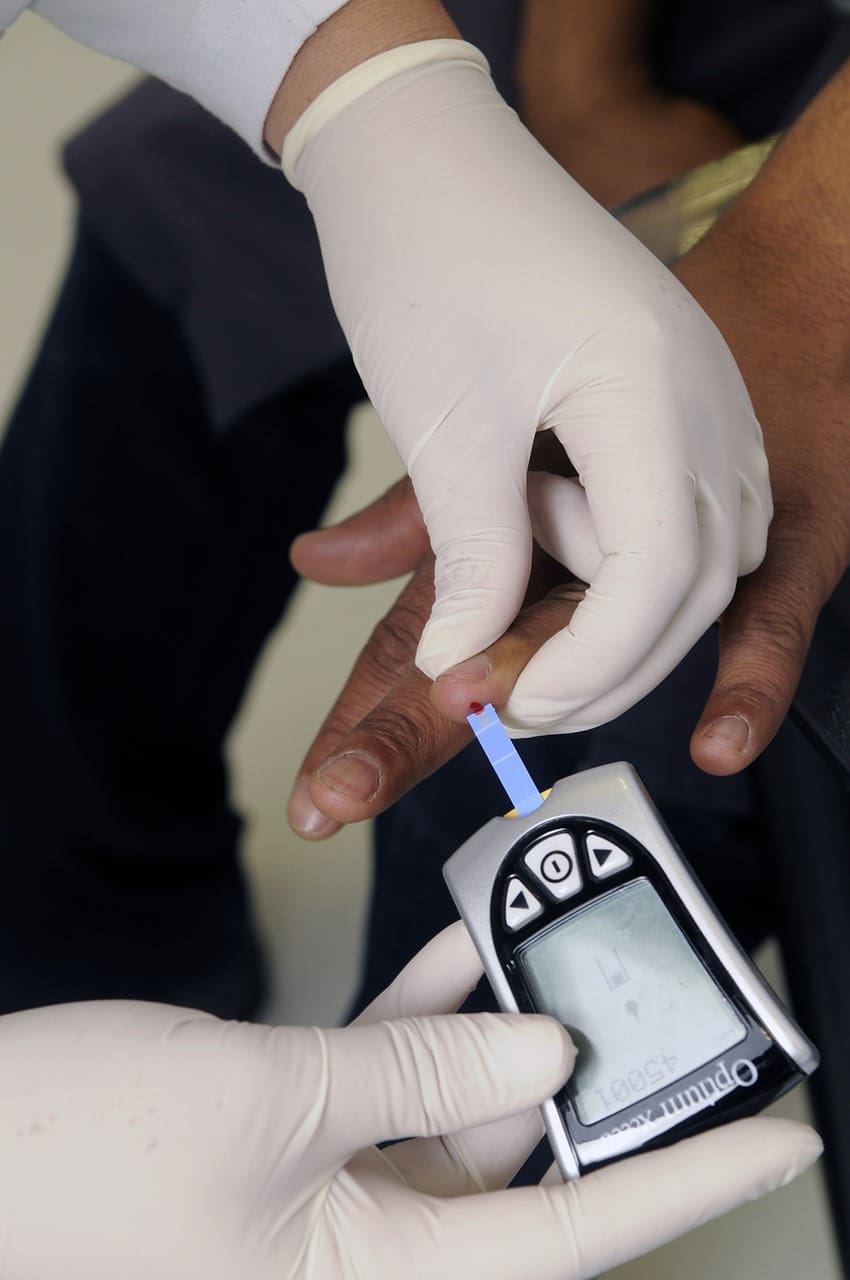
To monitor your cholesterol levels, your healthcare provider may recommend a blood test called a lipid panel. This test measures your total cholesterol, LDL cholesterol, HDL cholesterol, and triglyceride levels. Based on the results of your lipid panel, your healthcare provider can determine if your cholesterol levels are within a healthy range or if further action is needed.
Healthy Diet
Eating a heart-healthy diet can help lower LDL cholesterol levels and raise HDL cholesterol levels. Focus on incorporating fruits, vegetables, whole grains, lean proteins, and healthy fats into your diet. Limit foods high in saturated and trans fats, as they can raise LDL cholesterol levels.
Physical Activity
Regular physical activity is crucial for managing cholesterol levels and promoting heart health. Aim for a combination of aerobic exercise, strength training, and flexibility exercises to improve your overall health and well-being.
Weight Management
Maintaining a healthy weight is essential for managing cholesterol levels and reducing your risk of heart disease. If you are overweight or obese, losing weight through a combination of healthy eating and regular exercise can help improve your cholesterol levels and overall health.
Medication
In some cases, lifestyle changes alone may not be enough to lower cholesterol levels adequately. Your healthcare provider may recommend medications, such as statins, to help lower LDL cholesterol levels and reduce your risk of heart disease. It is essential to follow your healthcare provider’s recommendations and take medications as prescribed.
By implementing these strategies and working closely with your healthcare provider, you can effectively manage and monitor your cholesterol levels to support good heart health.
Conclusion
Maintaining healthy cholesterol levels is essential for reducing your risk of heart disease and other health problems. By understanding the factors that can influence your cholesterol levels and making positive lifestyle changes, you can take control of your heart health and make significant improvements in your overall well-being.
Remember, small changes can add up to significant improvements in your cholesterol levels over time. By monitoring your cholesterol levels regularly, making healthy dietary choices, staying physically active, and working closely with your healthcare provider, you can achieve and maintain healthy cholesterol levels for a lifetime of good heart health.
